Published on
24/08/2026 - 7:02 GMT+2
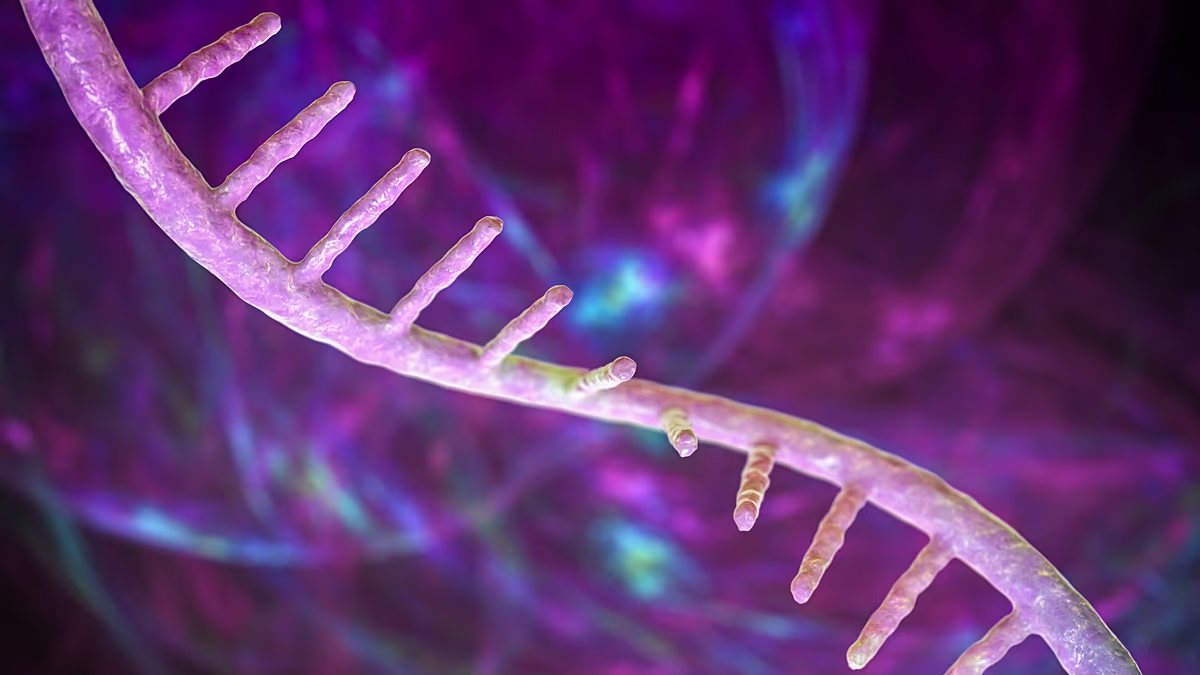
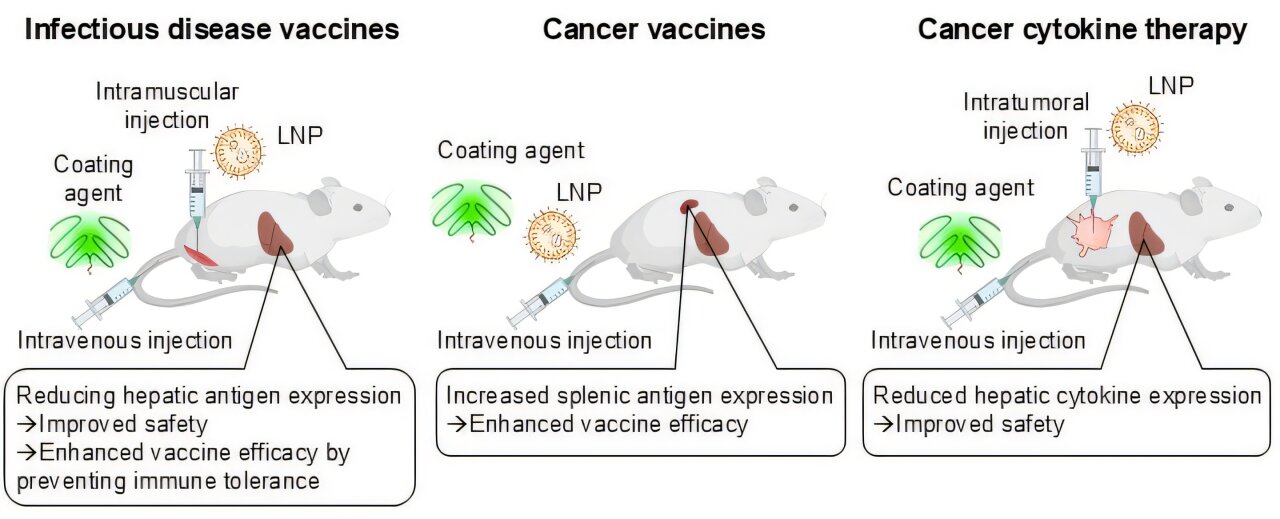
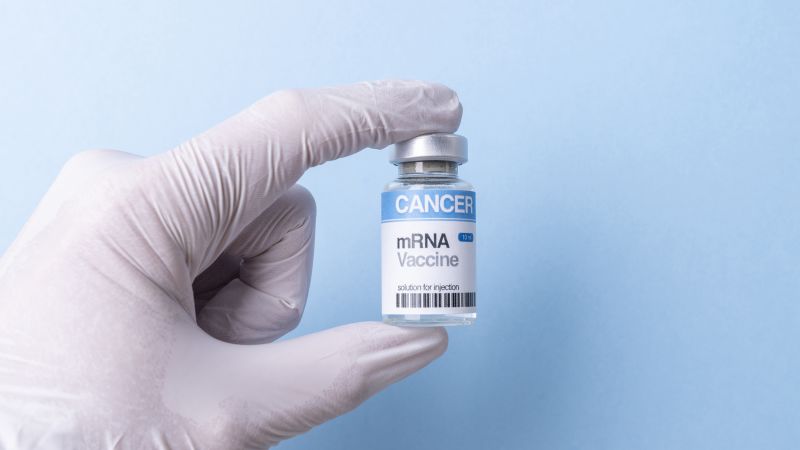
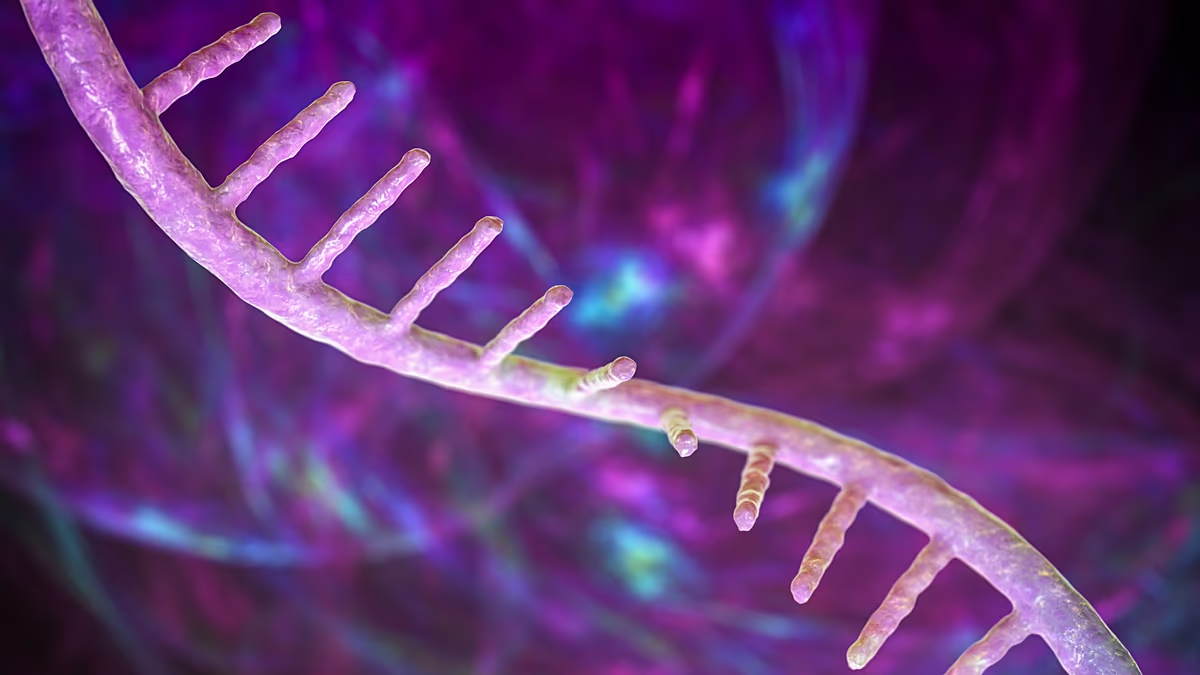
Scientists at Johns Hopkins Medicine say they have identified a potential way to make mRNA therapies produce more protein inside cells, a finding that could eventually influence vaccines and treatments for cancer, infectious diseases and autoimmune conditions.
The research, published in Nature, focuses on a naturally occurring RNA modification called N4-acetylcytidine, or ac4C. Today, the leading mRNA platform relies on a different modification, N1-methylpseudouridine, or m1Ψ — the technology used in the COVID-19 mRNA vaccines and now being studied for other medical applications.
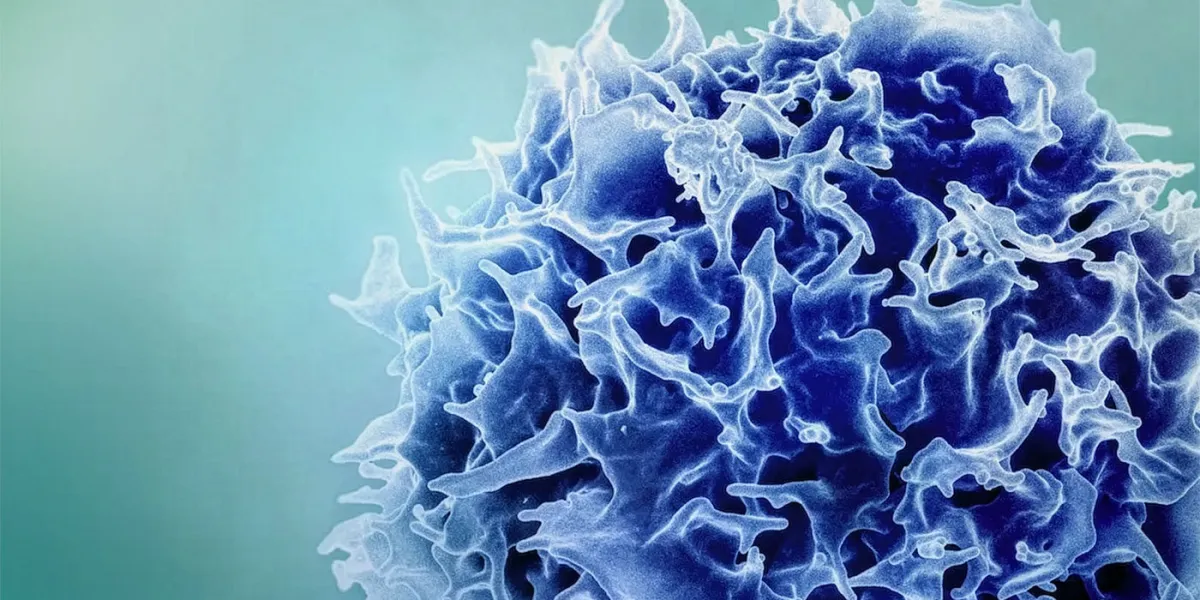
The team tested the two approaches in cultured human dendritic cells and mouse liver cells