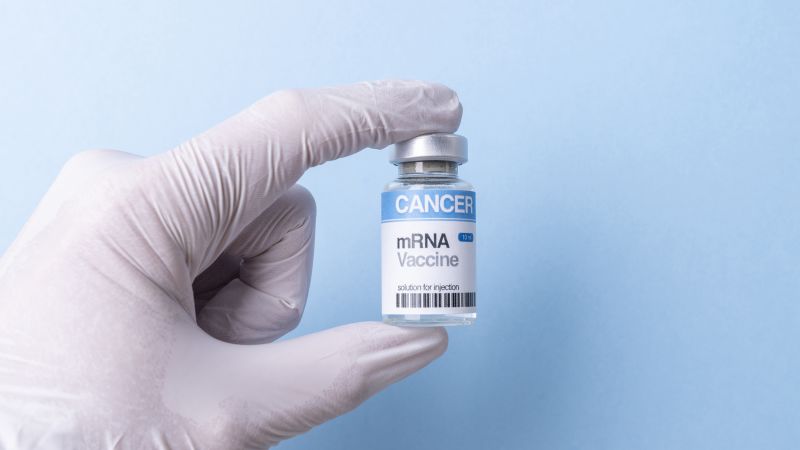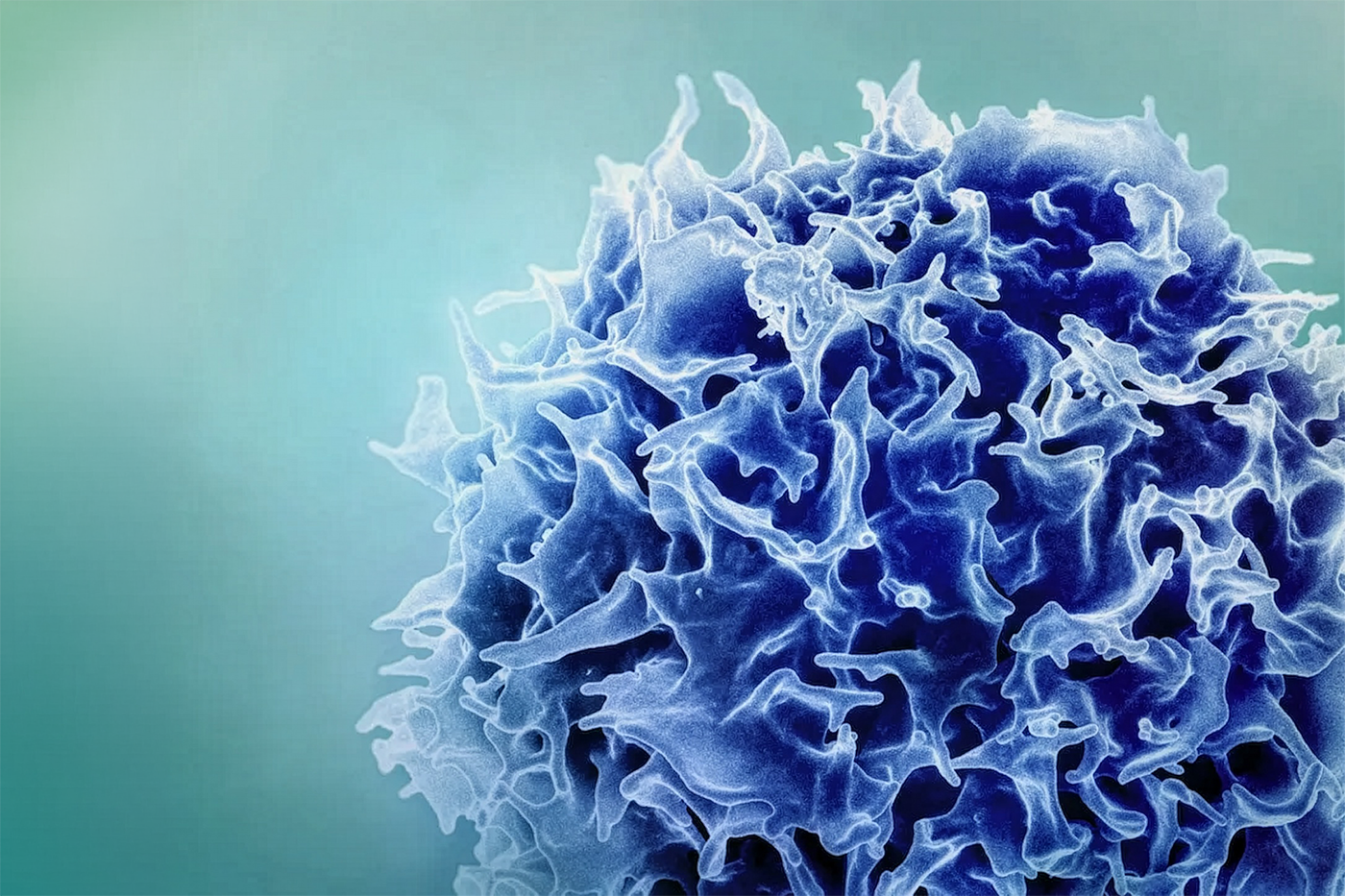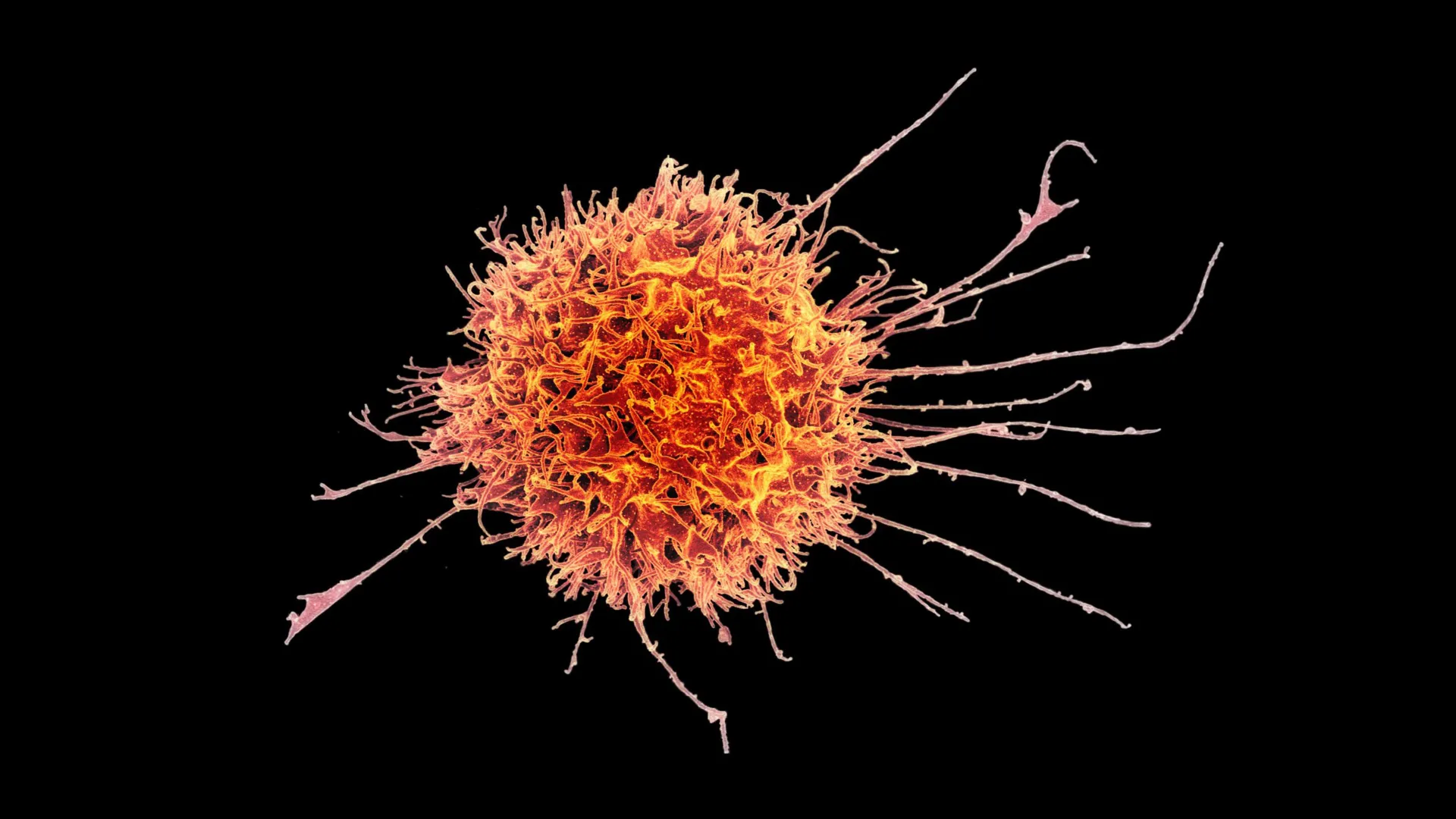
Vaccines that turn the body’s immune system against tumors have shown promise in clinical trials, and a handful have been FDA approved for certain cancers. In many patients, however, these vaccines don’t stimulate enough of a response, and the approach some researchers have taken to strengthening it—delivering the vaccine along with immune-stimulating molecules called cytokines—can cause severe side effects. Now MIT chemical engineer Daniel Anderson and colleagues at MIT, Harvard, and the University of Houston have reported promising results with a different way of attacking the problem: amplifying the T-cell response to mRNA vaccines. The advance could lead to much more powerful cancer vaccines as well as stronger protection against infectious diseases. Most vaccines generate not only antibodies but also T cells that can activate antigen-presenting cells, which help tell the immune system what to attack. In their study, the researchers boosted that response with a new type of vaccine adjuvant (a material that can help stimulate the immune system). It consists of mRNA molecules encoding two genes that can switch immune cells into a more active state by turning on certain signaling pathways. In studies of mice modeling bladder cancer, colon carcinoma, melanoma, metastatic lung cancer, and more, injections of lipid nanoparticles containing the mRNA-encoded adjuvant enabled the immune system to slow growth of some tumors and eradicate many others. This happened even when the mice were not given a vaccine against a specific cancer antigen, but when they were, the response was stronger still.
Amping up T cells to target cancer
By using mRNA molecules to “remodel” parts of the immune system, researchers generated T cells that can slow the growth of tumors or even eradicate them.
540 words~2 min read