Cell therapies that harness the immune system have transformed treatment for some cancers of the blood and lymphatic system. Solid tumors, however, have remained much more difficult to treat because they are harder for immune cells to enter and can release signals that weaken nearby immune defenses.
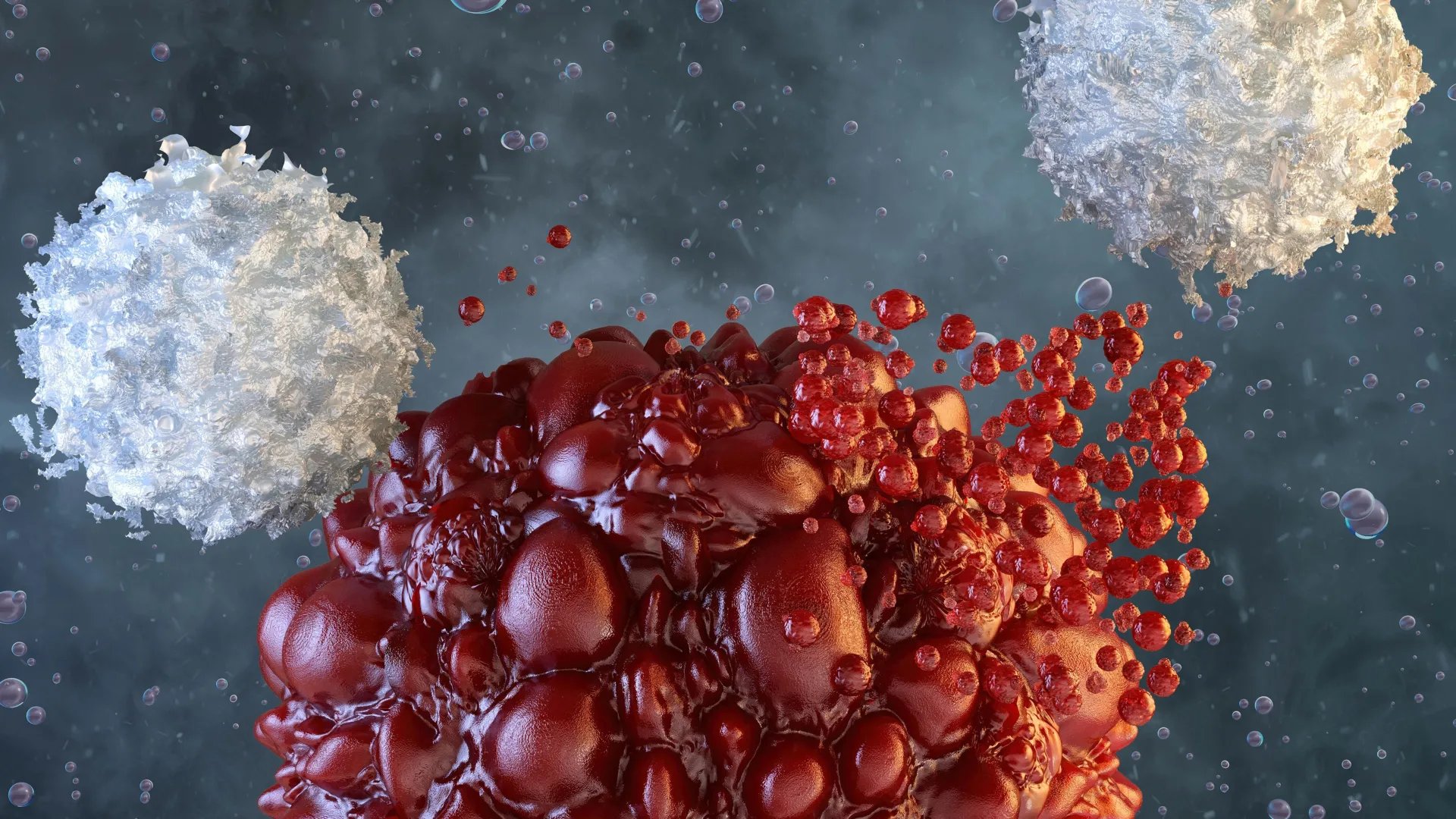
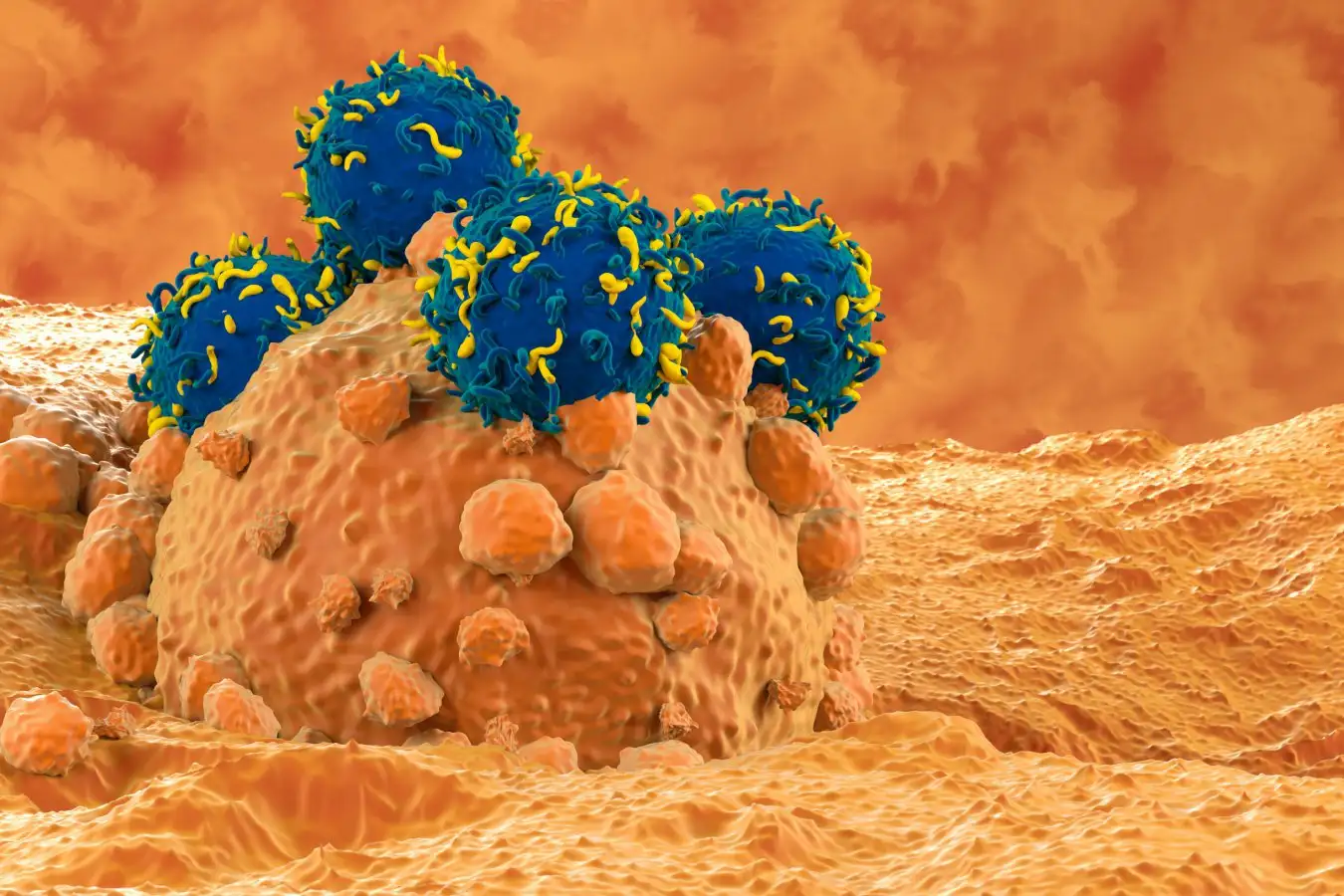
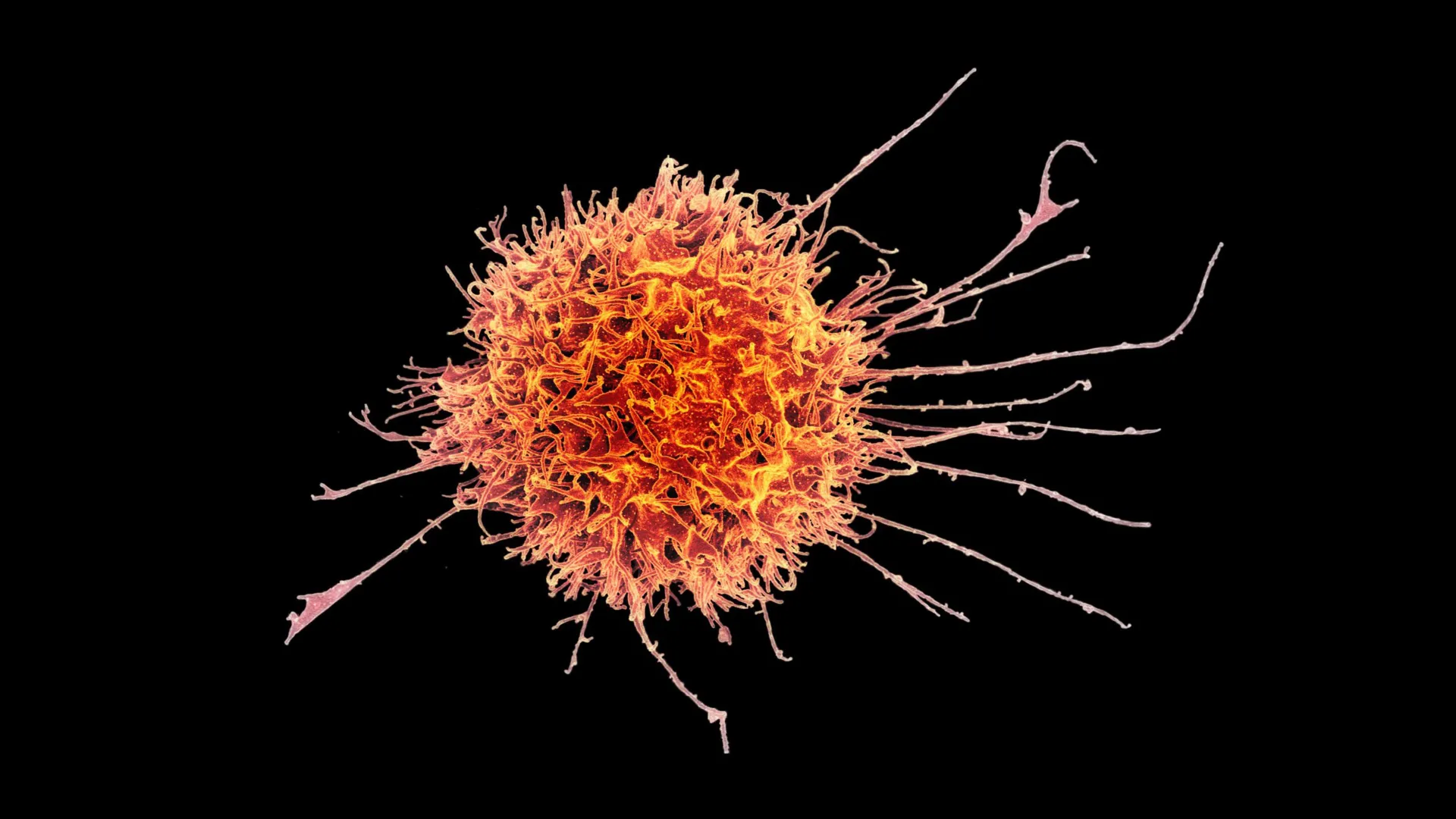
Researchers at Stanford Medicine and collaborating institutions have now developed a strategy aimed at overcoming those obstacles. Their approach transforms natural killer cells, a type of immune cell known for rapidly attacking abnormal cells, into a specialized tissue resident form that can move into solid tumors and destroy cancer cells.
"We show that these tissue-resident natural killer cells infiltrate into the solid tumors much better than conventional natural killer cells. It was very reproducible, very striking and very clear," said John Sunwoo, MD, the Edward C. and Amy H. Sewall Professor in the School of Medicine and senior author of the study published last month in Science Translational Medicine.
The study's co-lead authors are Nina Horowitz, PhD, a former doctoral student in otolaryngology; Imran Mohammad, PhD, a postdoctoral fellow in the Sunwoo lab; and June Ho Shin, PhD, a senior scientist in the Sunwoo lab.