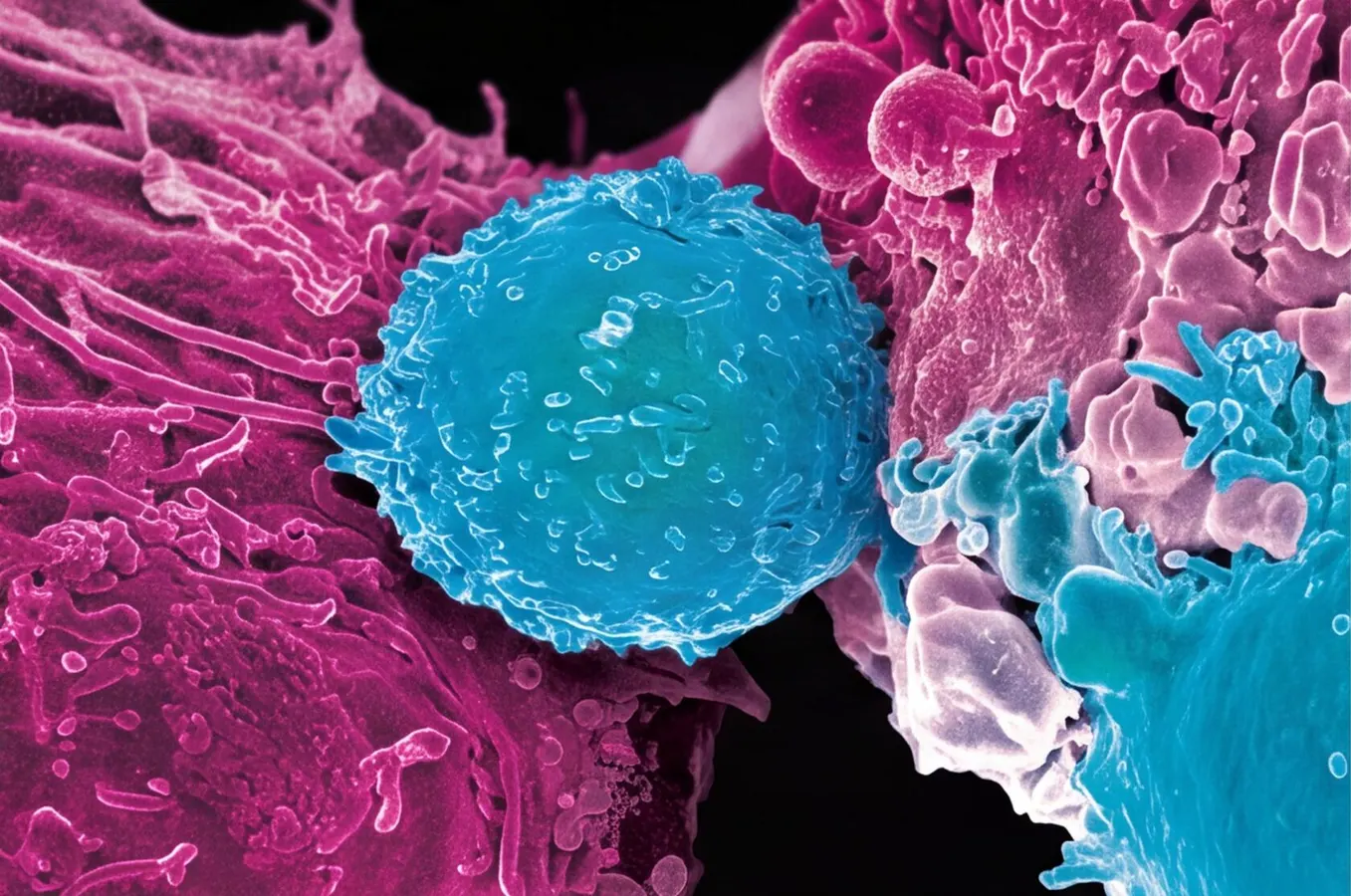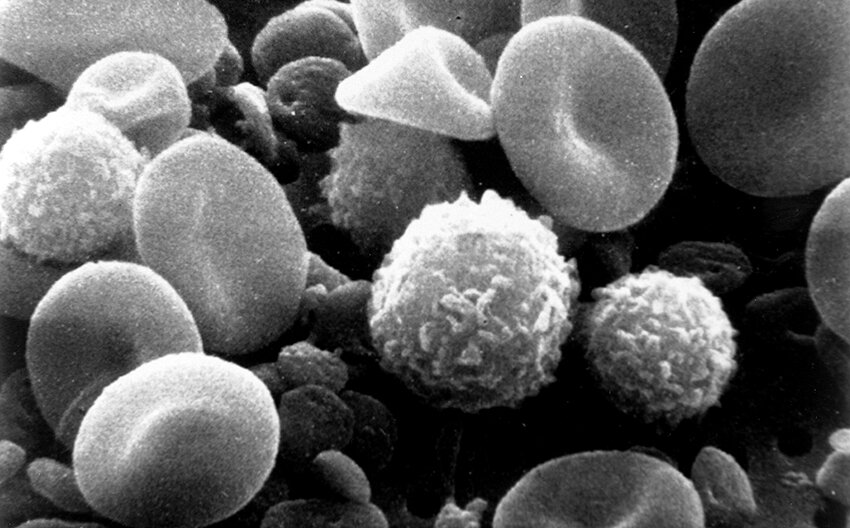
Myeloid immune cells alongside red blood cells in an electron micrograph of human blood. Credit: National Cancer Institute
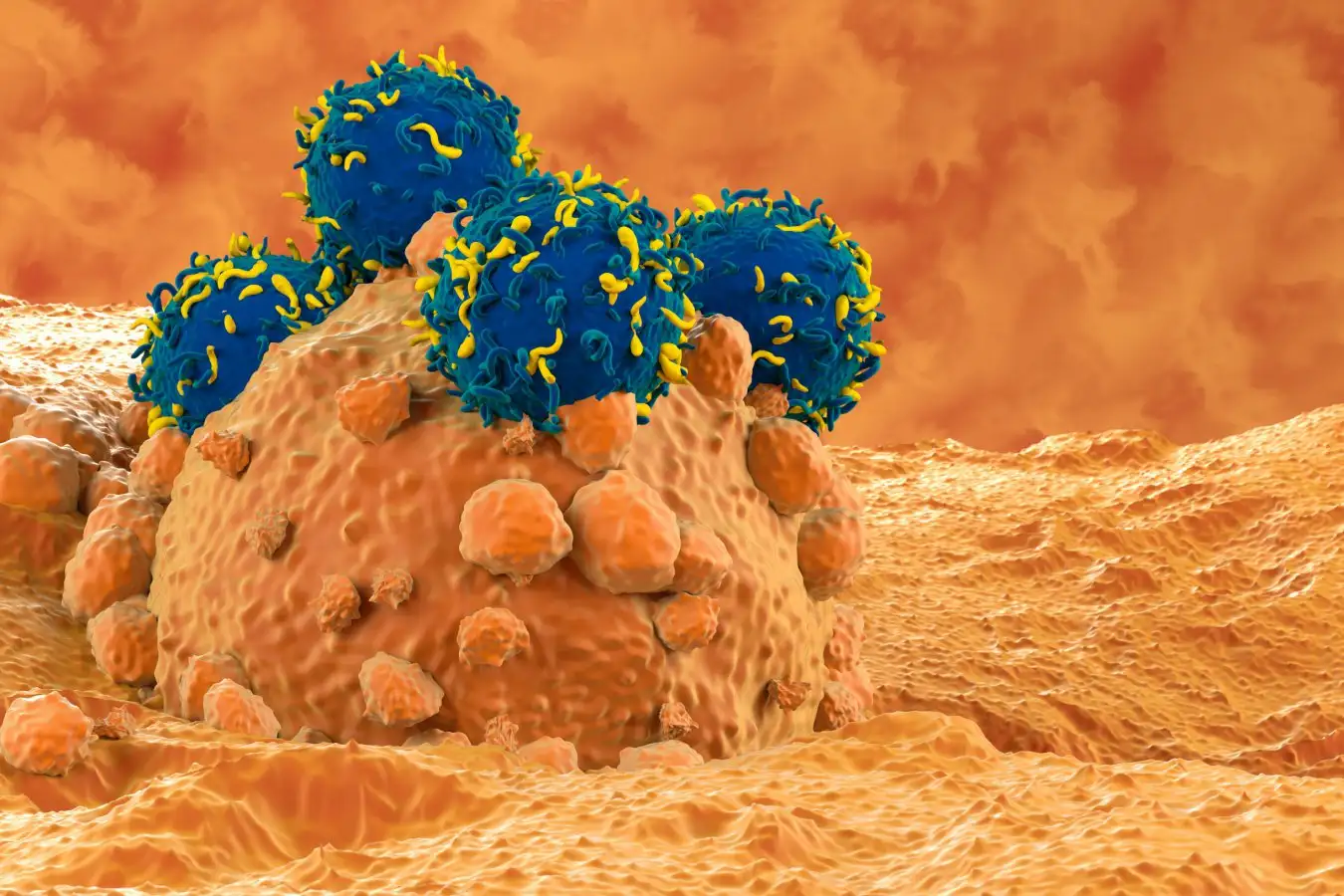
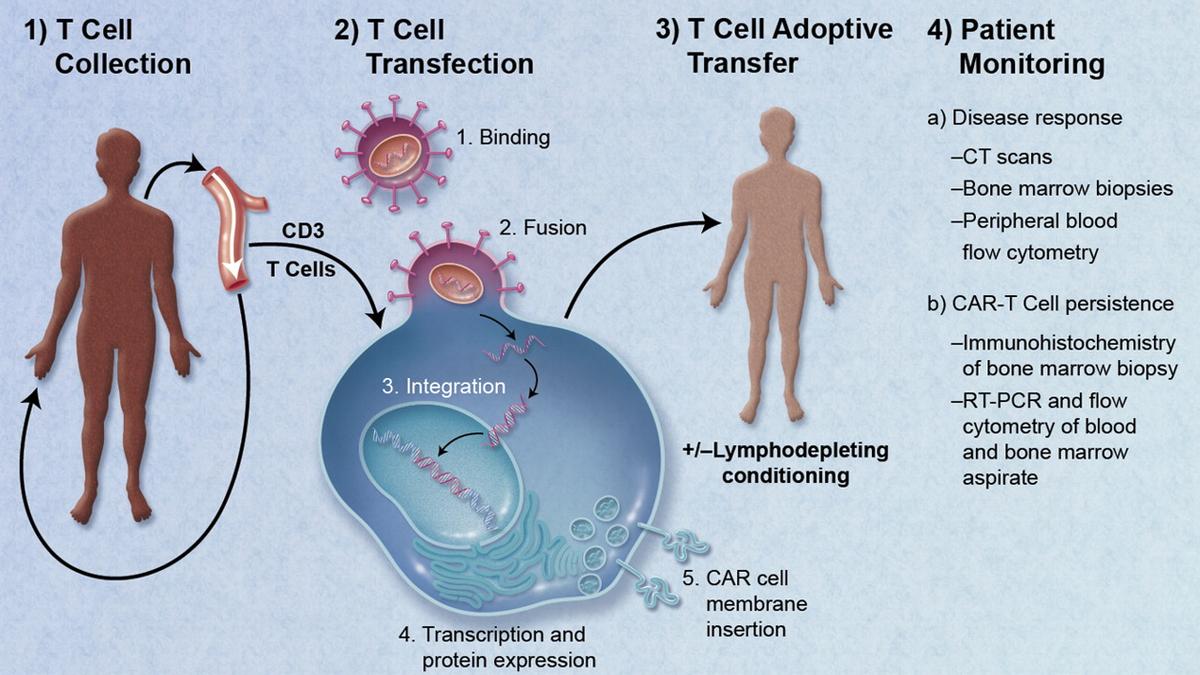
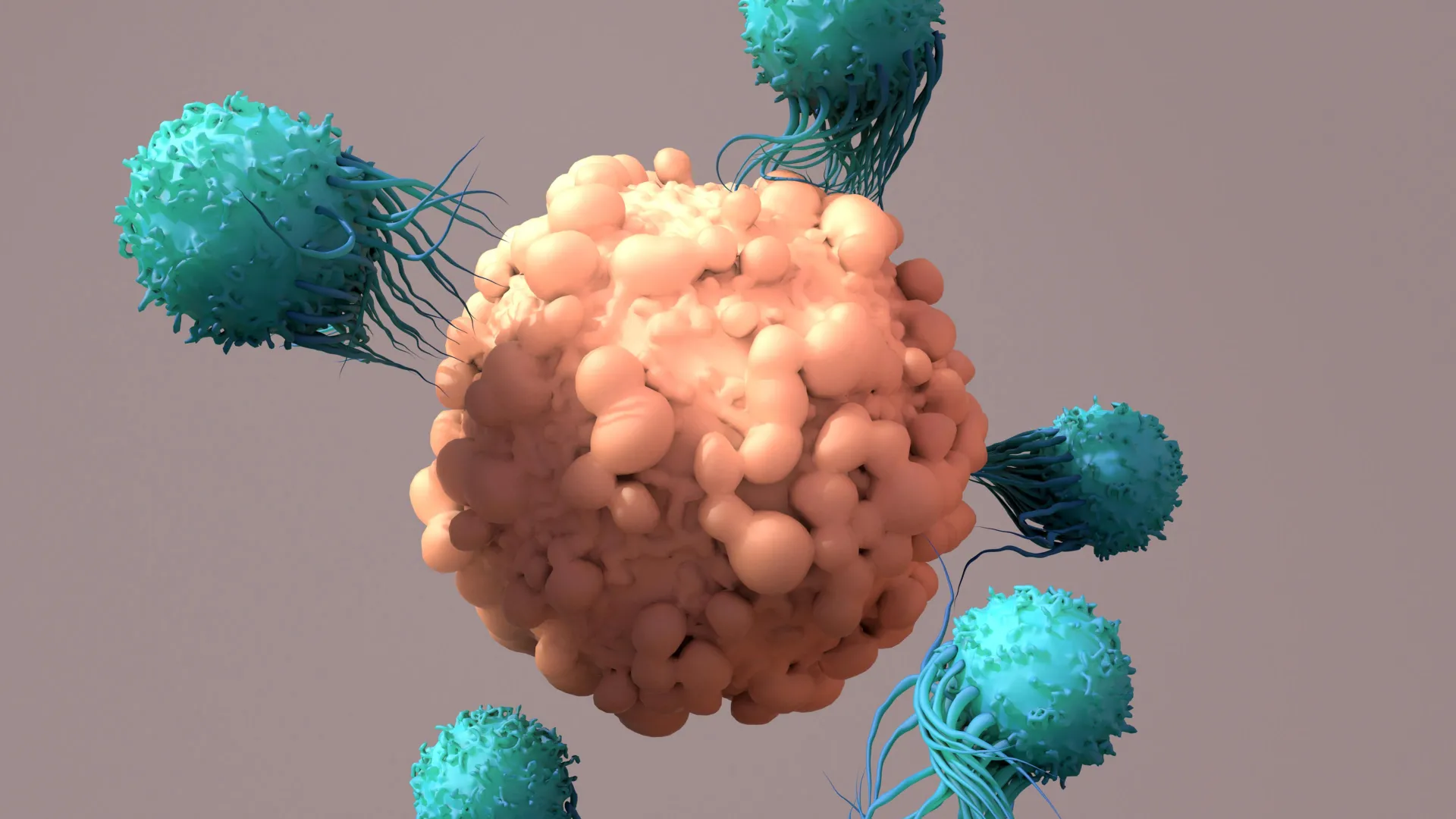
CAR T-cell therapy is considered a milestone in personalized cancer treatment. In this approach, a patient's own immune cells are genetically modified to recognize and destroy tumor cells. While it has already shown impressive success in certain blood cancers, its effectiveness against solid tumors has so far been limited.
An international research team led by Prof. Michel Sadelain, MD, Ph.D., of Columbia University in New York, in collaboration with Prof. Judith Feucht, MD, of University Hospital Tübingen, has now identified in animal models how this limitation might be overcome. Sadelain is regarded as one of the pioneers of CAR T-cell therapy, as his research has been instrumental in its development and clinical application. The findings are published in the journal Cancer Discovery.
NFIL3—a key factor in preventing cell exhaustion
In a systematic screening, the researchers tested about 400 so-called transcription factors—proteins that regulate which genes in a cell are turned on or off. They found that the protein NFIL3 plays a major role in causing CAR T cells to become "exhausted" over time and lose their effectiveness. When NFIL3 is deactivated in these cells, they remain functional for longer, proliferate more effectively, and sustain stronger antitumor activity.