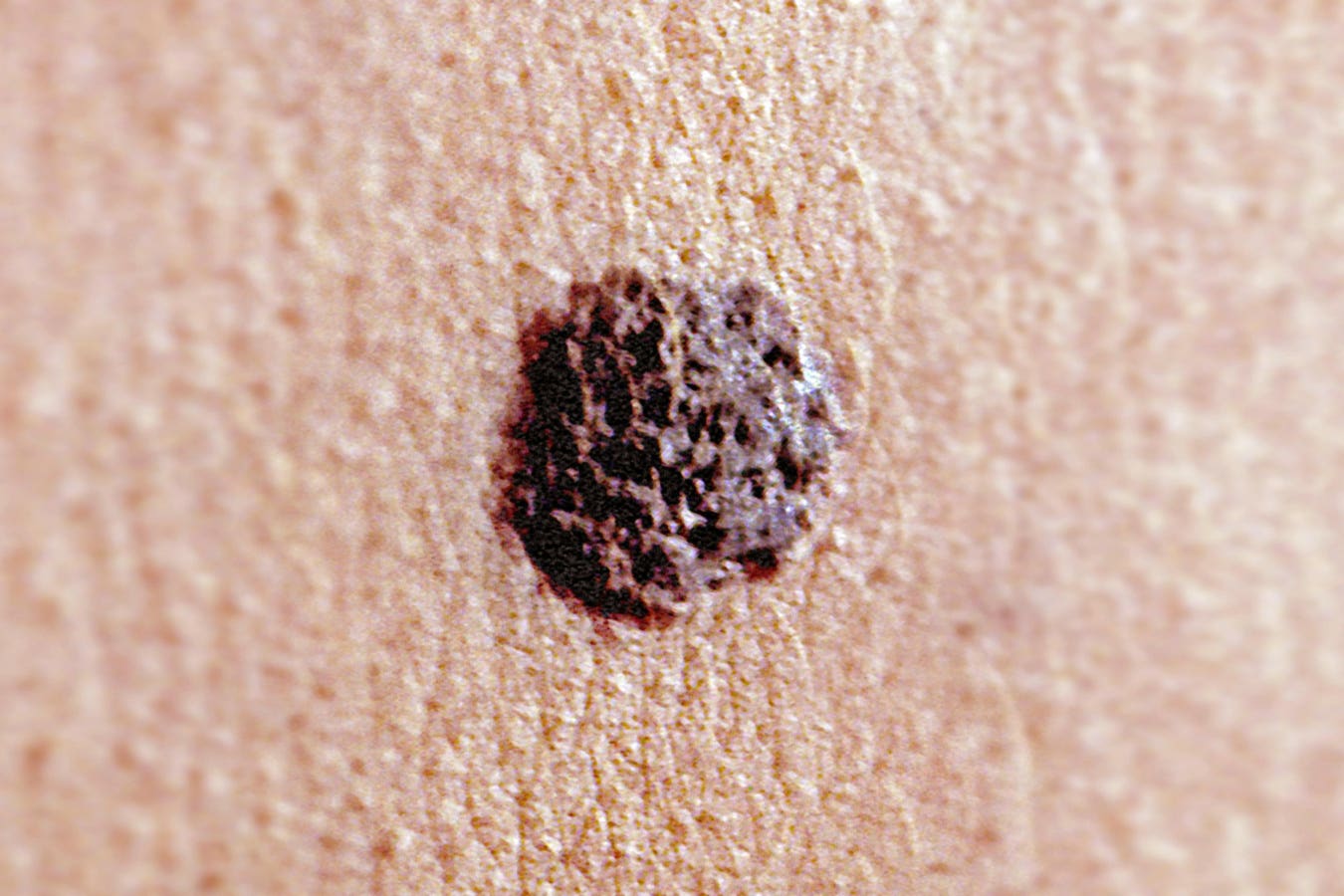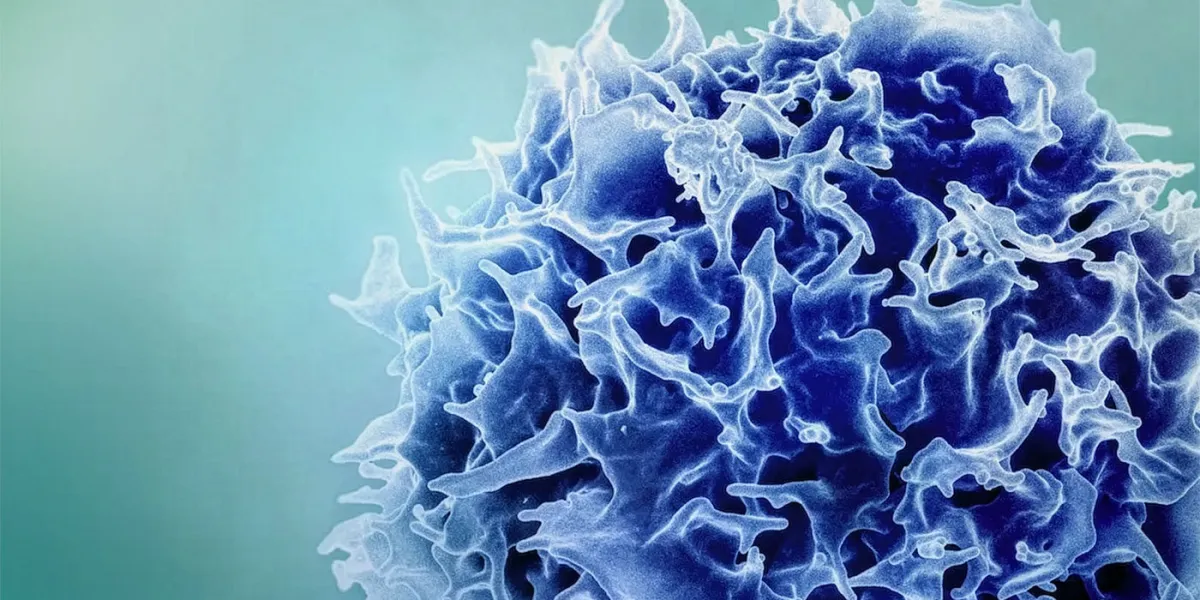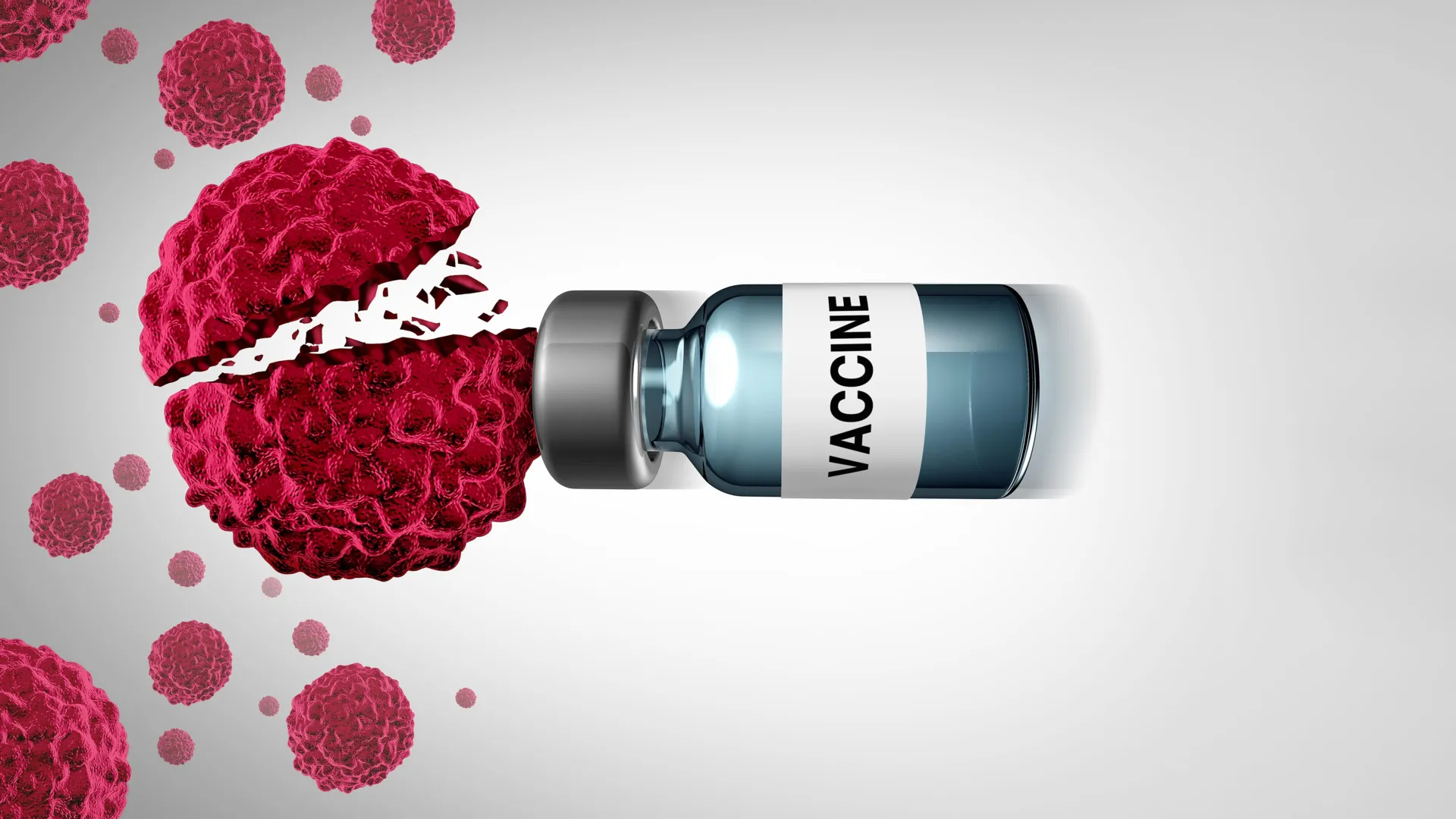
The success of mRNA vaccines against SARS-CoV-2 during the COVID-19 pandemic transformed vaccine science. Now, the same Nobel Prize winning technology is being adapted to fight cancer, with experimental mRNA vaccines already being tested against melanoma, small cell lung cancer, bladder cancer, and several other cancers. Researchers hope these vaccines could eventually provide powerful new ways to prevent and treat the disease.
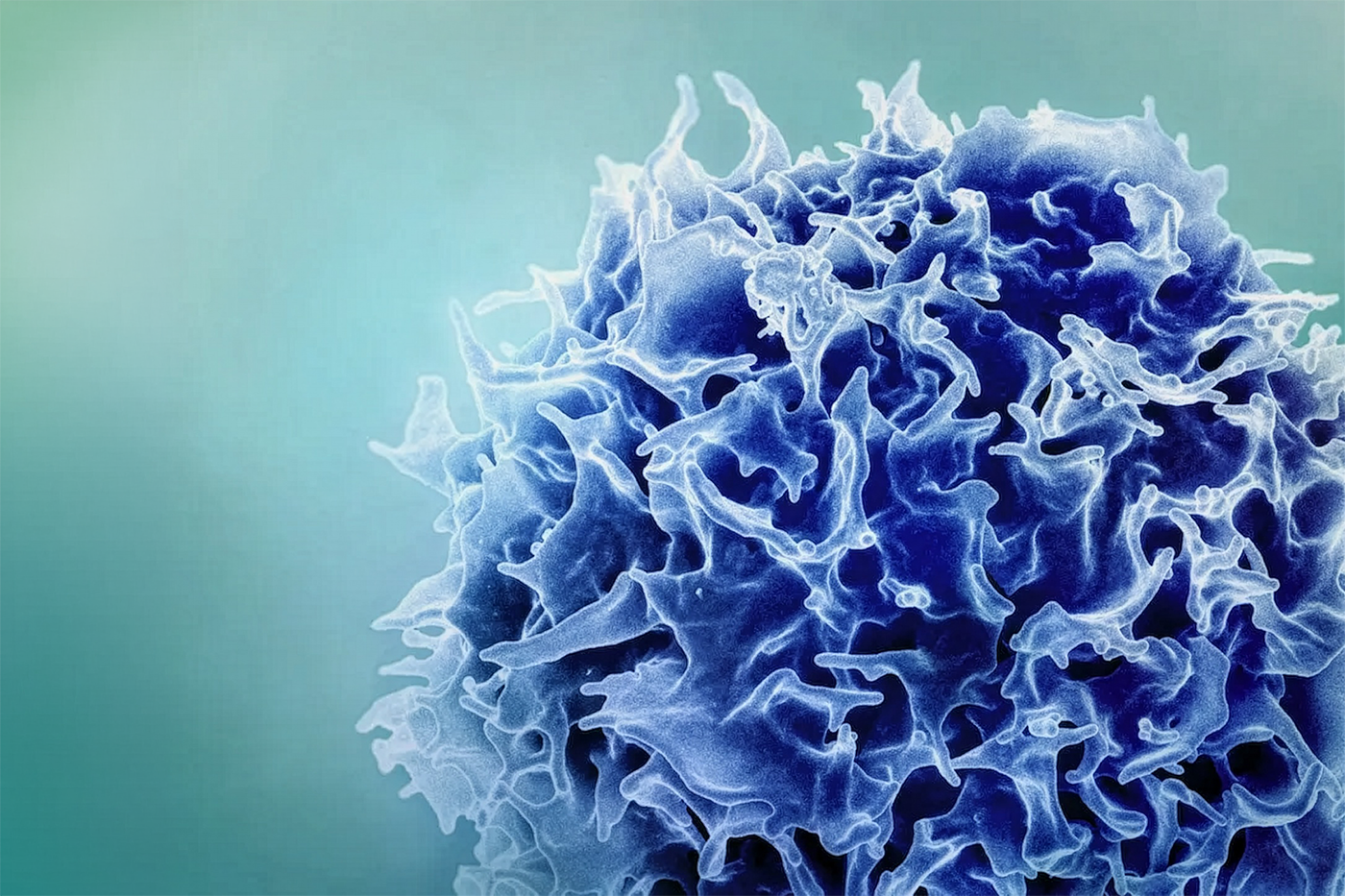
A new study from Washington University School of Medicine in St. Louis has uncovered an unexpected feature of how these cancer vaccines work. In experiments with mice, scientists found that mRNA cancer vaccines remained highly effective even when an immune cell long believed to be essential was missing. Instead, another closely related immune cell stepped in to trigger a strong attack against tumors.
The findings, published in Nature, offer new insight into how the immune system responds to mRNA vaccines and could help researchers design more effective cancer vaccines in the future.
"There is a lot of interest in applying the mRNA vaccine approaches used during the COVID-19 pandemic to the problem of inducing anti-tumor immunity," said senior author Kenneth M. Murphy, MD, PhD, the Eugene Opie Centennial Professor of Pathology & Immunology at WashU Medicine. "By dissecting which immune cells are involved and how they coordinate the response, we're offering vaccine developers some additional mechanistic insights to consider in their goal of optimizing these vaccines against tumor proteins."