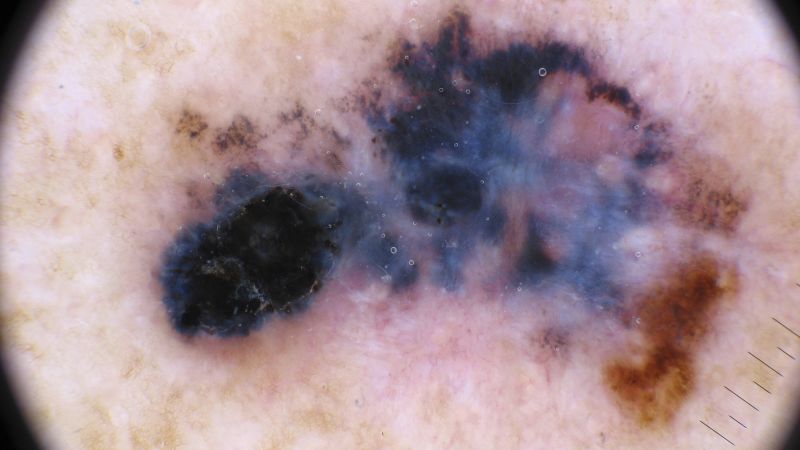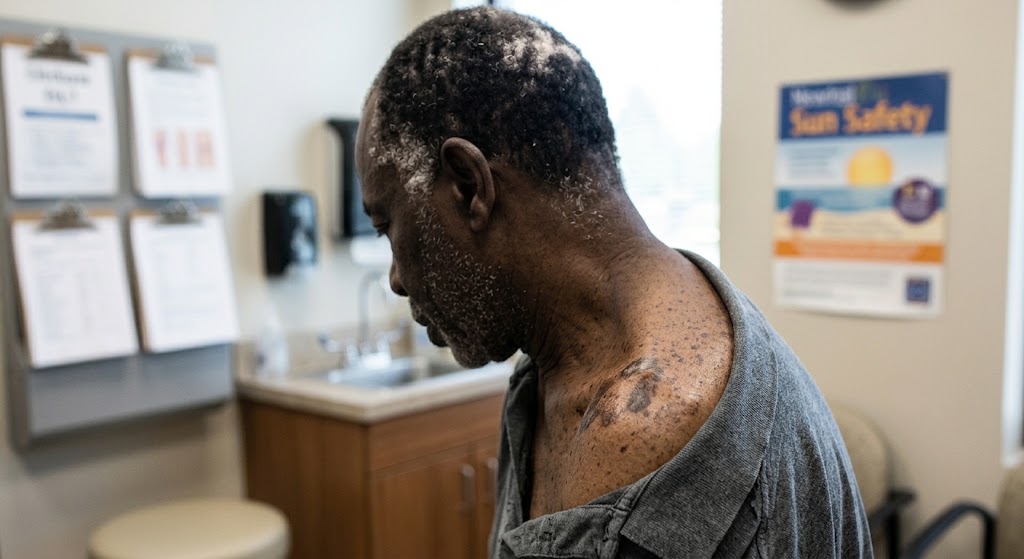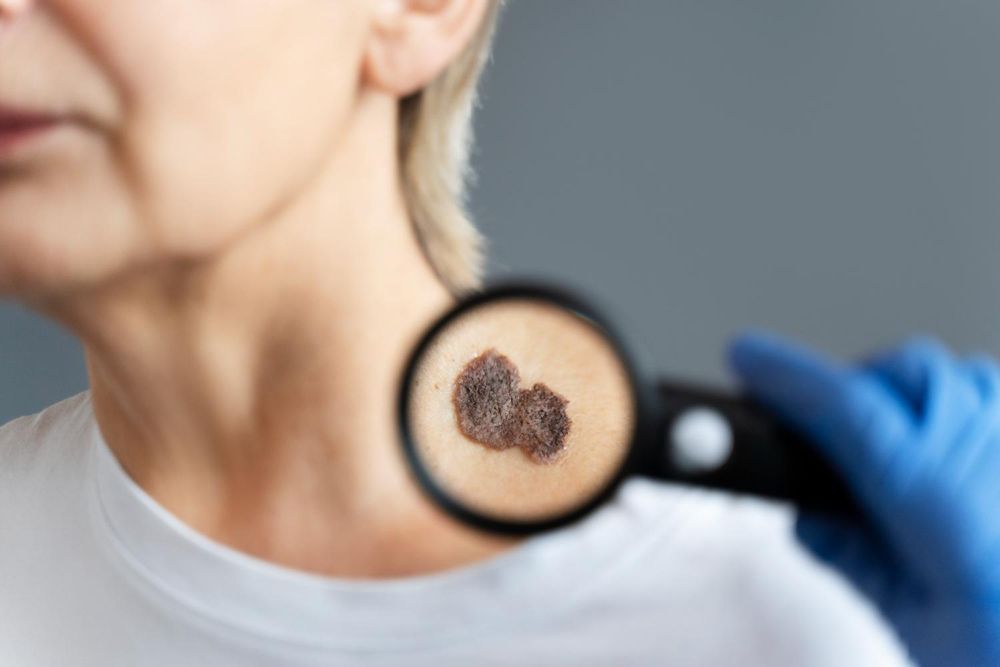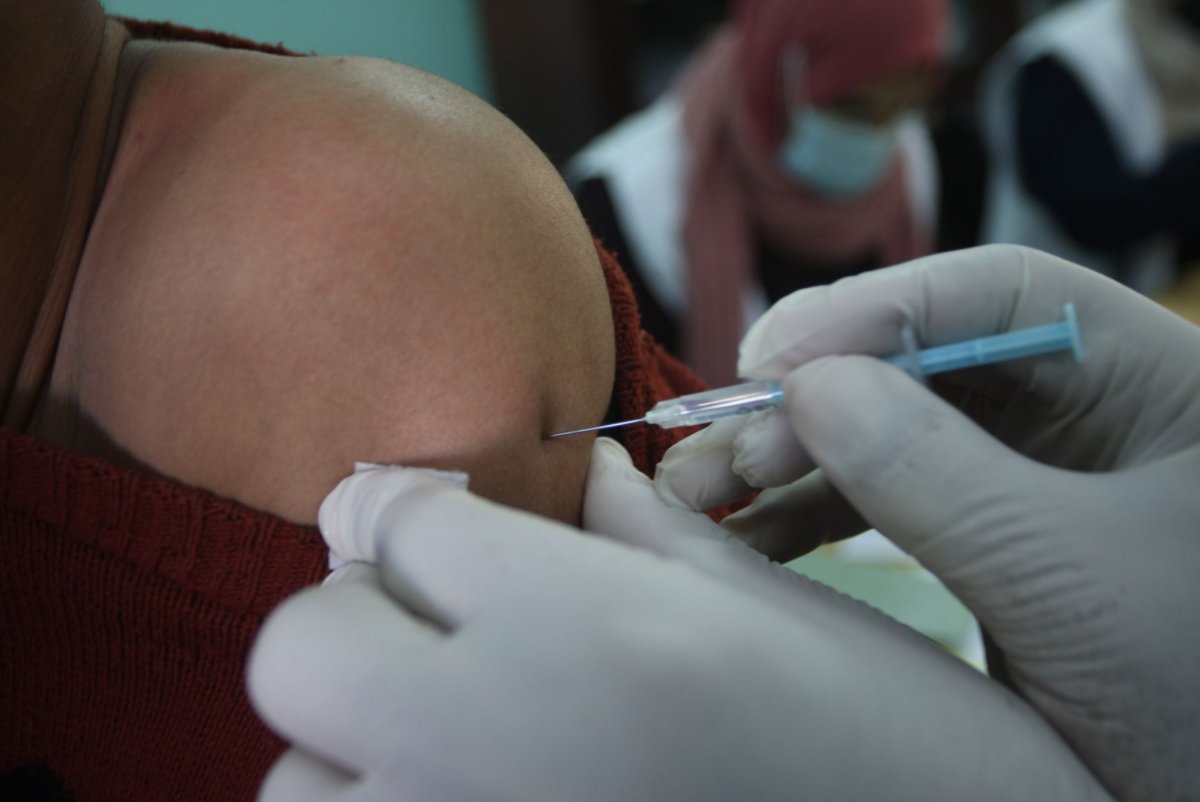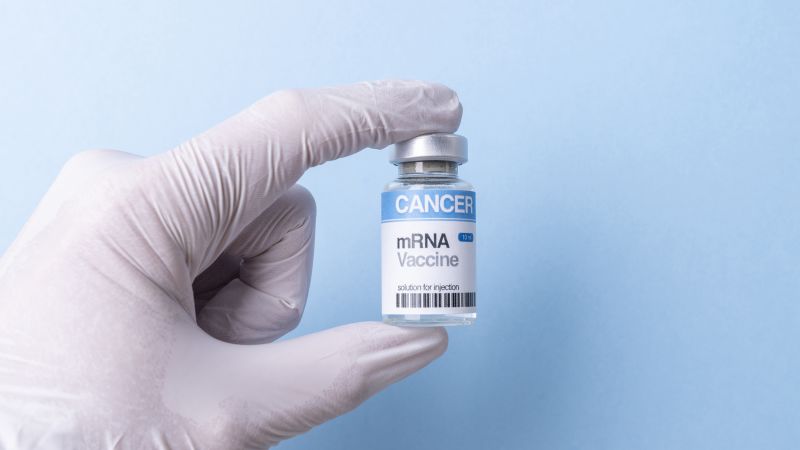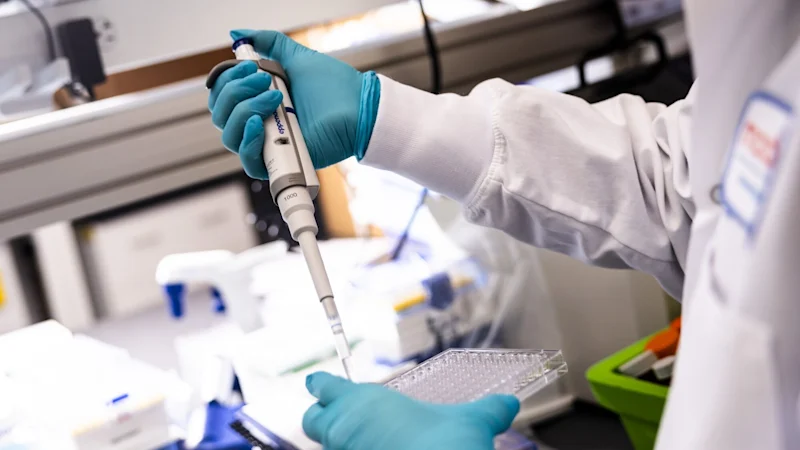
Merck & Moderna’s mRNA cancer vaccine kept melanoma from returning in a large late-stage trial, marking a major step for cancer vaccine research. The companies say the personalized vaccine intismeran, given with Keytruda, extended the time before melanoma returned and spread. Supporters say the result could help show mRNA works beyond infectious diseases, though full trial data are still pending.
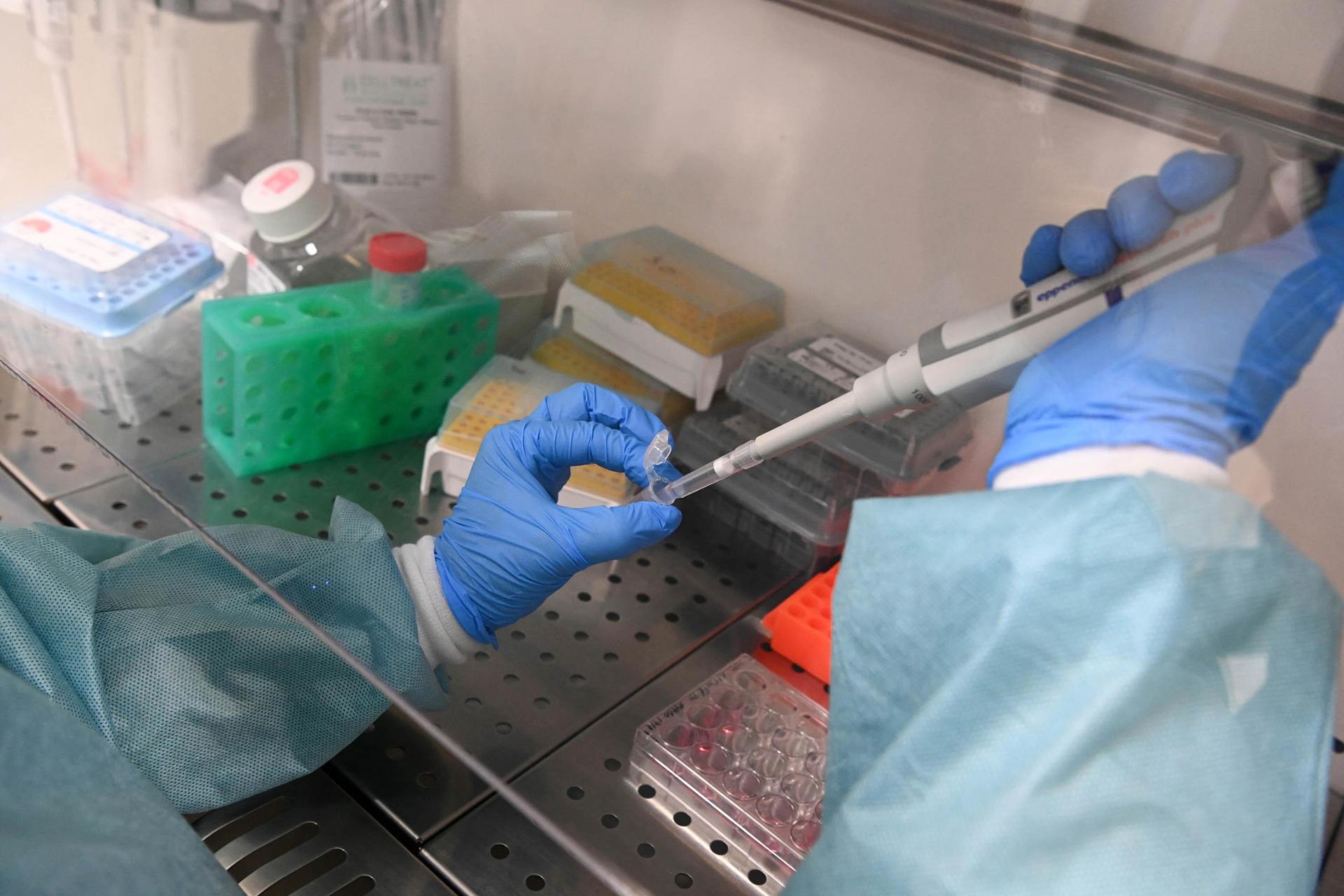
A researcher works on an mRNA transcription reaction, using a pipette marked "RNA" at the Inserm ART-RNAm laboratory of the CHR in Orleans, France, Nov. 18, 2025. AFP-TNS
Scientists are on the cusp of fulfilling a decades-long quest: to use vaccines to teach the immune system to spot and destroy cancer cells.
News that an mRNA cancer vaccine developed by Merck & Co. and Moderna Inc. kept melanoma from returning in a large, late-stage trial marks a critical next chapter for a technology beleaguered by post-pandemic political backlash and years of false starts before then.
The concept of cancer vaccines has been kicked around for over a century, and in the past 20 years, we’ve seen countless hopeful headlines about promising early-stage treatments. None of it panned out. Coaxing the body into fighting its own battles turned out to be a lot harder than it sounds.