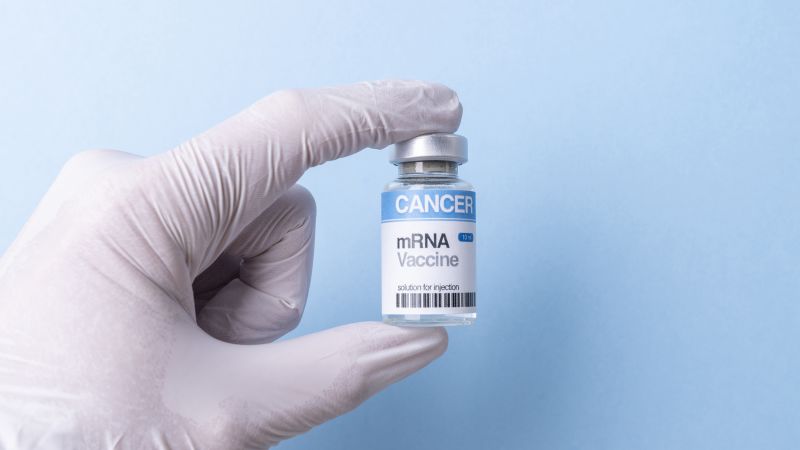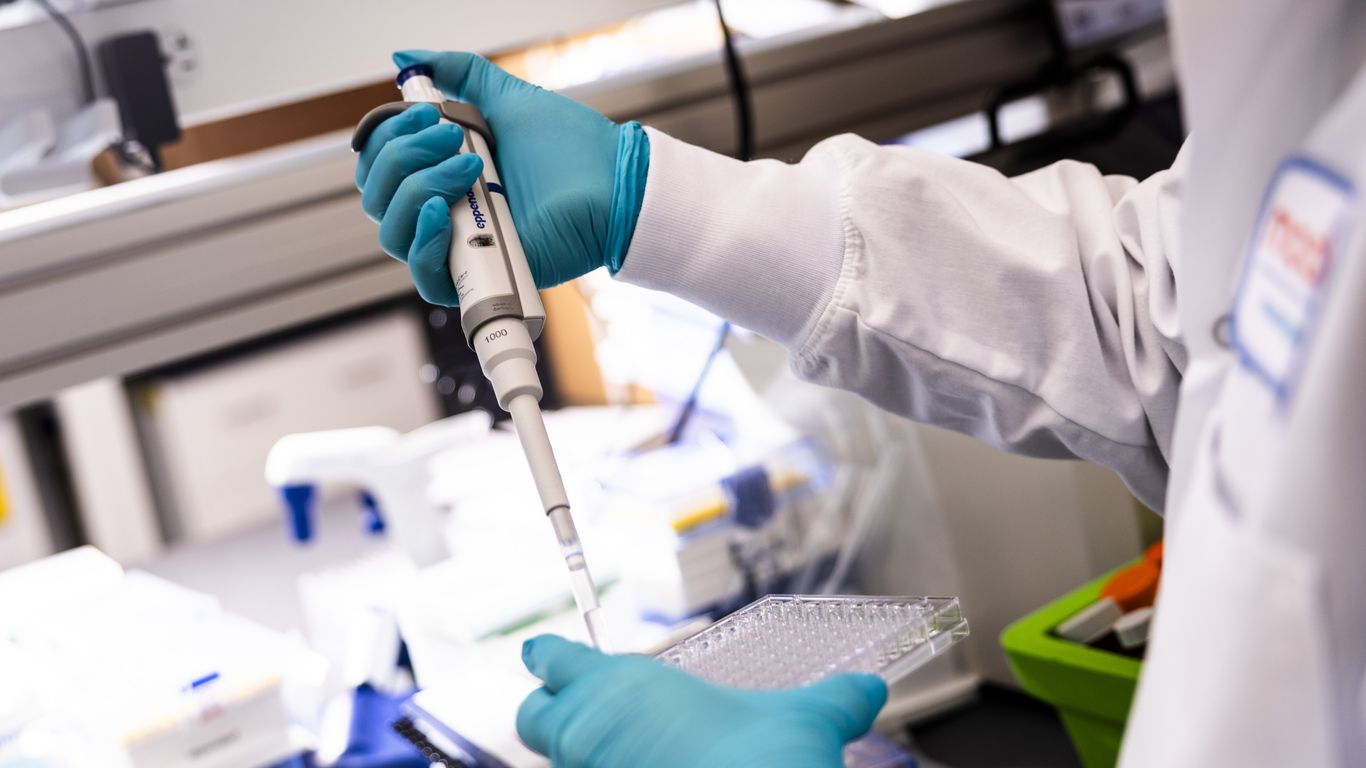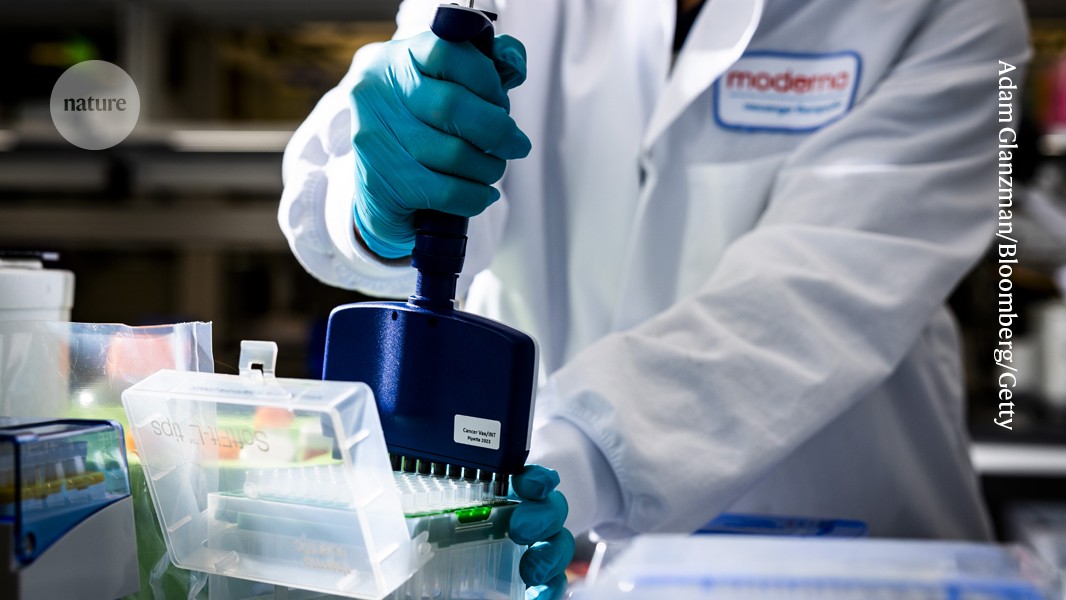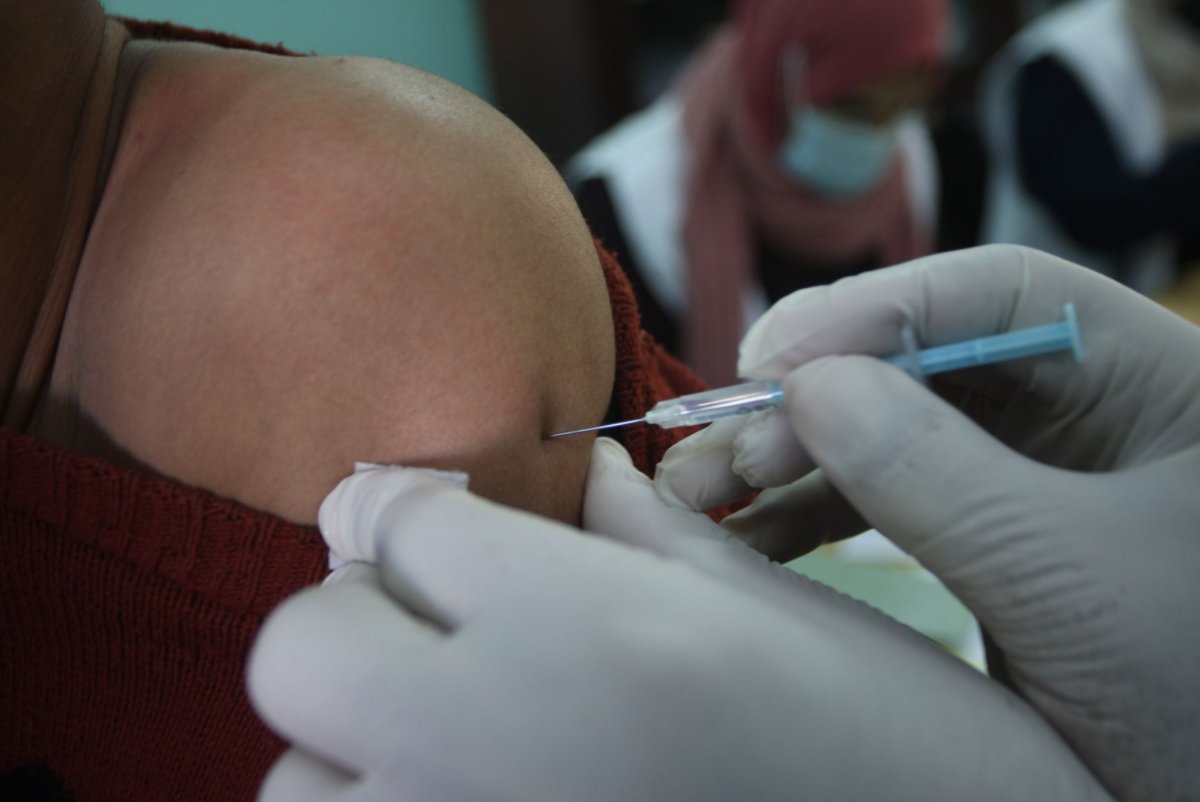
False claims that COVID-19 mRNA vaccines cause cancer could, ironically, lead to worse cancer outcomes by undermining a promising tool. File Photo by Ismael Mohamad/UPI | License Photo
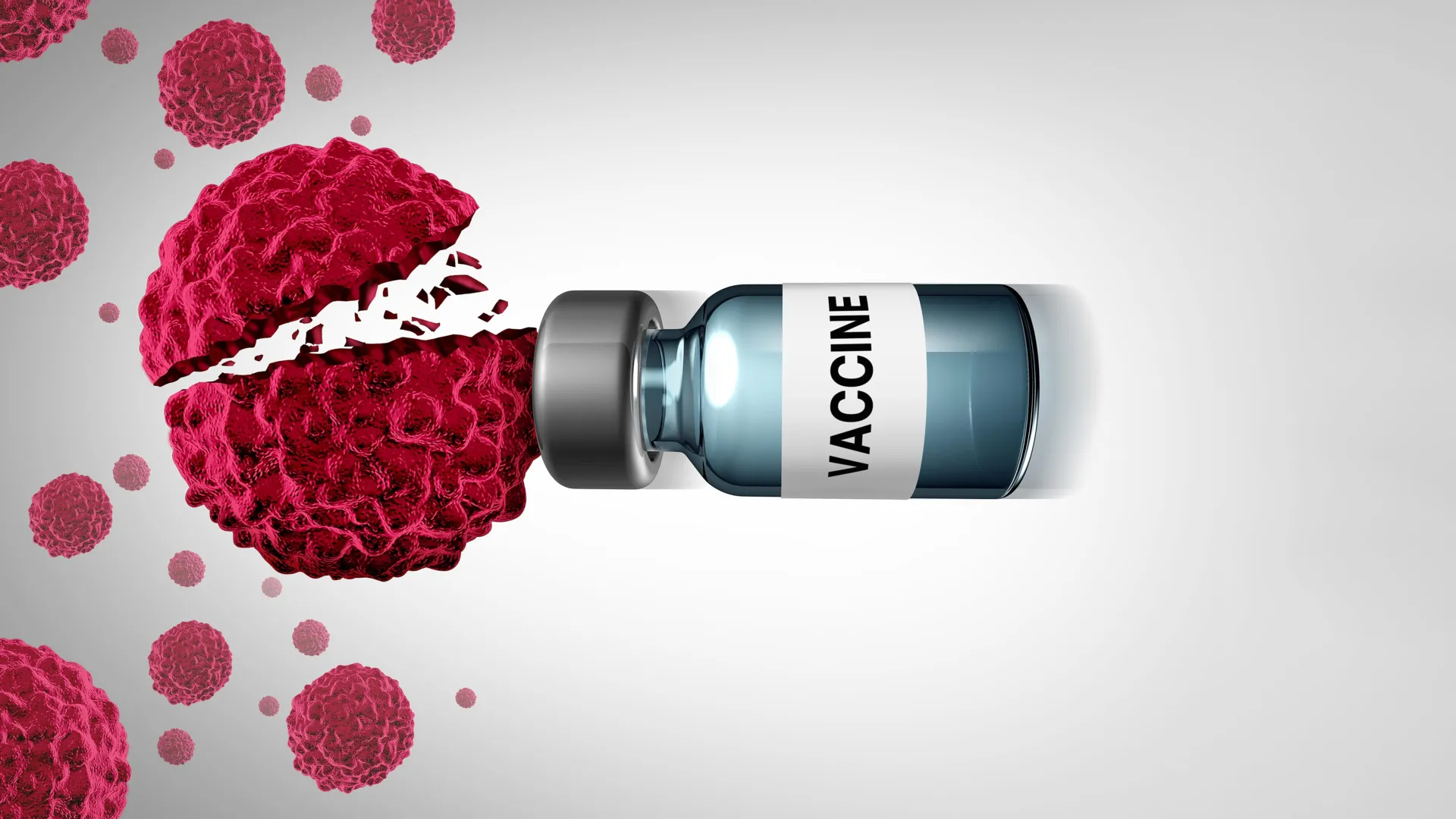
For the first time, an mRNA cancer vaccine has succeeded in a late-stage clinical trial, a significant advance that could reshape how cancer is treated.
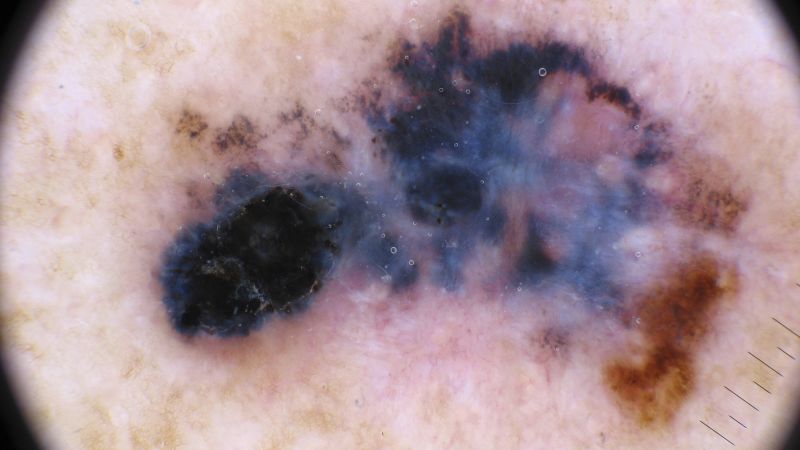
On Aug. 19, 2026, Moderna and Merck announced that their personalized vaccine, intismeran autogene, succeeded in reducing the recurrence of the skin cancer melanoma when combined with the immunotherapy drug Keytruda.
While these results could open the door to a wave of cancer vaccines, misinformation about mRNA technology circulating since the COVID-19 pandemic could undermine its momentum before it reaches patients.
The progress toward vaccines to treat cancer has been building for years. Since the early 2000s, there have been over 120 promising clinical trials testing the use of mRNA vaccines to treat multiple cancer types, such as melanoma, brain, breast, lung and prostate cancer.