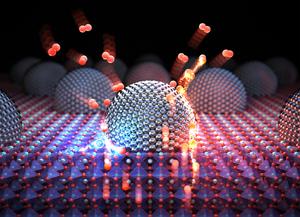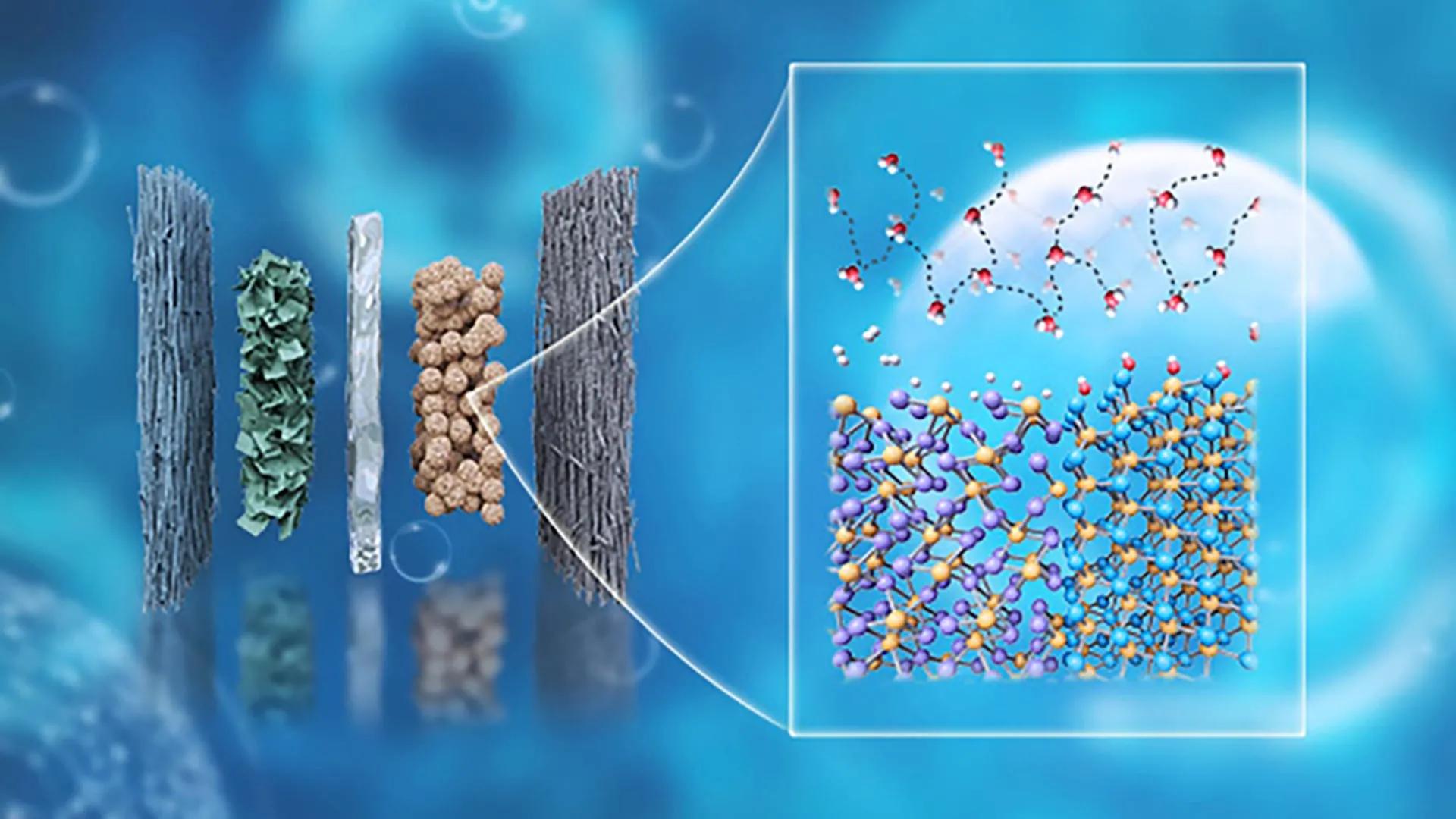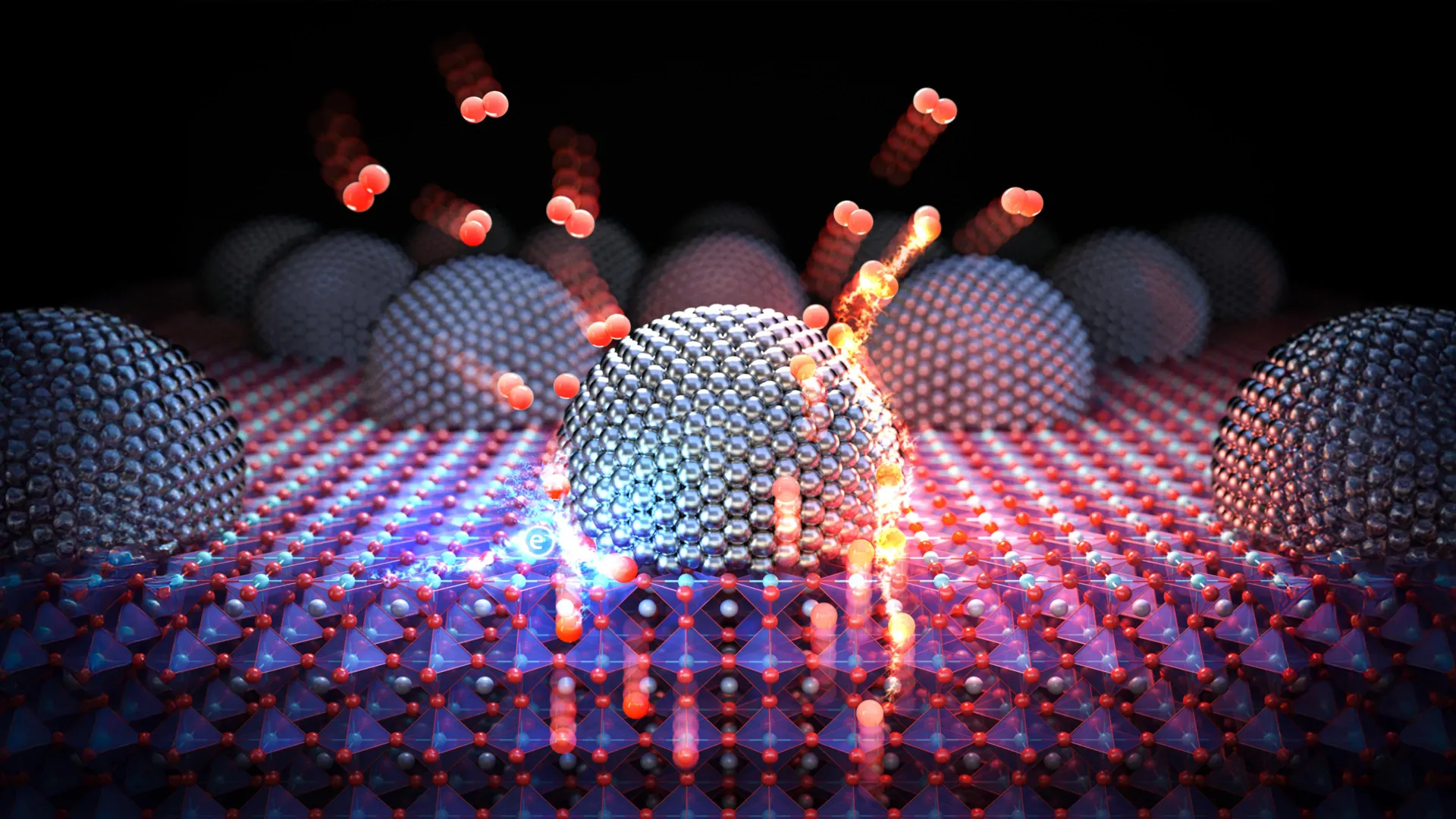
Researchers have discovered for the first time that the same silver (Ag) nanocatalyst can operate at different reaction sites depending on whether a solid oxide cell is producing electricity or generating hydrogen. The finding points to a new way of designing these next-generation energy devices for better performance.
The work was led by Professors WooChul Jung and Jeong Woo Han of the Department of Materials Science and Engineering at Seoul National University (SNU), together with Professor Sang Ouk Kim's team at KAIST and Dr. Beomgyun Jeong's team at the Korea Basic Science Institute (KBSI). Their results clarify how silver nanocatalysts improve solid oxide cell performance and show that both the location and mechanism of oxygen reactions change depending on how the cell is being used.
How Solid Oxide Cells Work
Solid oxide cells move oxygen ions through a solid material to perform two different functions. They can generate electricity, or they can split water to produce hydrogen.
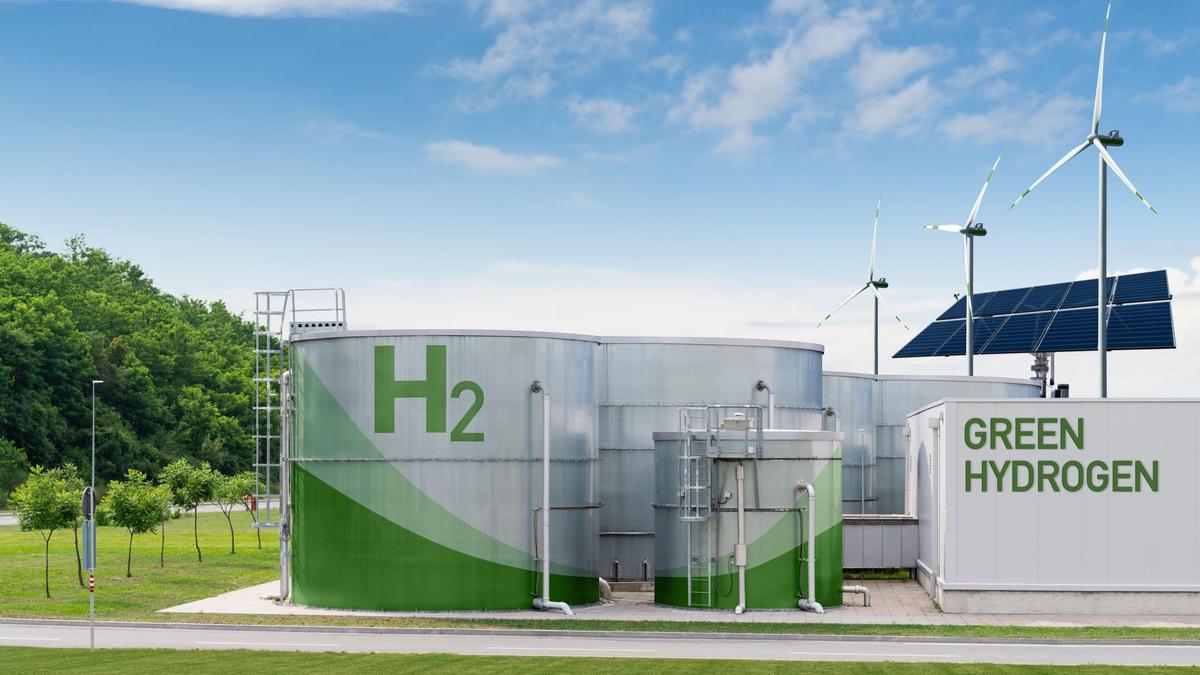
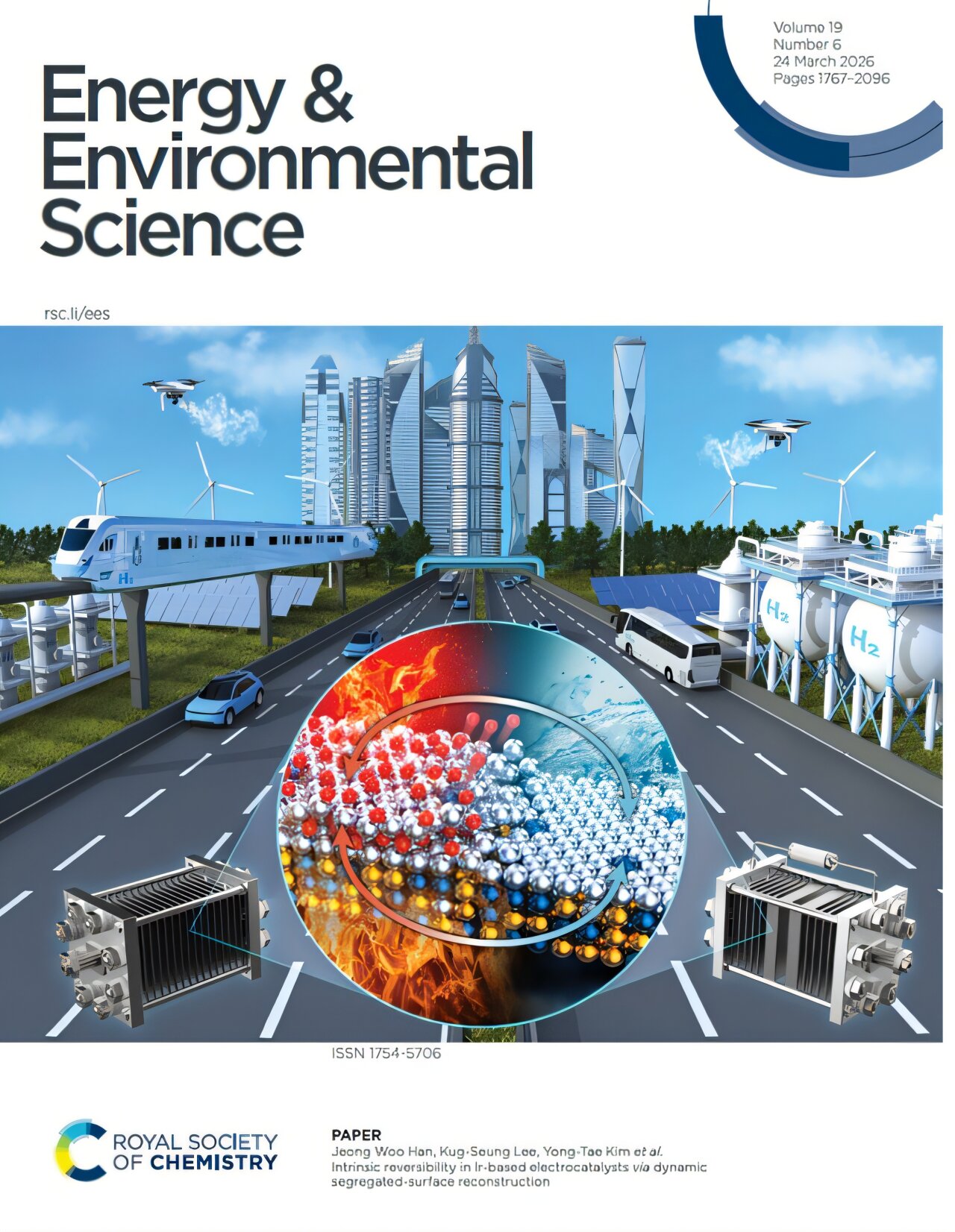
Because of this versatility, the technology is viewed as an important option for expanding clean energy and hydrogen use. Potential applications range from distributed combined heat and power systems in buildings and factories that generate electricity while making use of the high-temperature heat produced during operation to renewable energy-based green hydrogen production.