view more
Converting nitrate pollution into a valuable resource
Nitrate contamination originating from agricultural runoff, industrial wastewater, and municipal effluents is a growing global environmental problem. At the same time, ammonia has emerged as a key chemical feedstock and an attractive carbon-free energy carrier for a sustainable society.
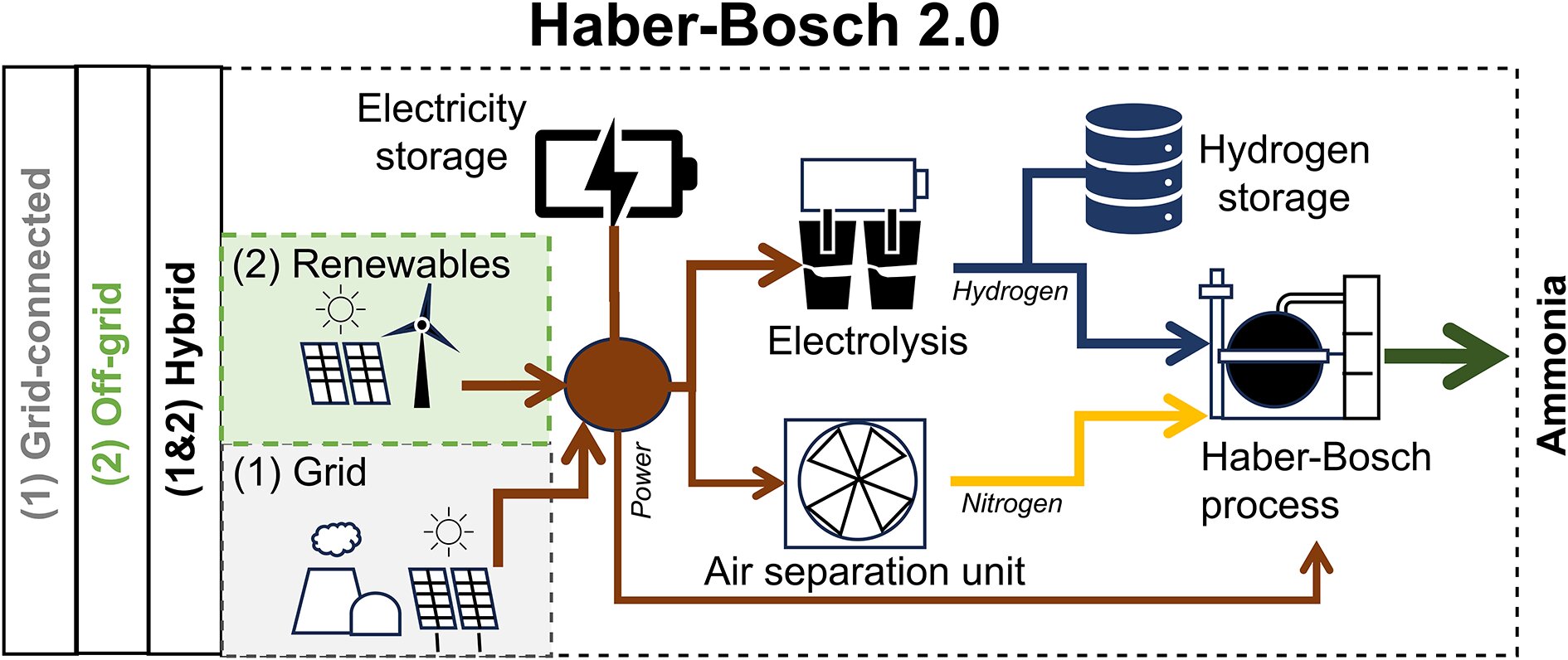
Industrial ammonia production currently relies on the Haber–Bosch process, which requires high temperatures and pressures and is responsible for substantial energy consumption and carbon dioxide emissions. Electrochemical nitrate reduction (NO₃RR), driven by renewable electricity under ambient conditions, has therefore attracted increasing attention because it simultaneously removes nitrate pollutants while producing green ammonia.
However, converting nitrate into ammonia requires multiple proton- and electron-transfer steps, making it difficult to achieve both high catalytic activity and high product selectivity.