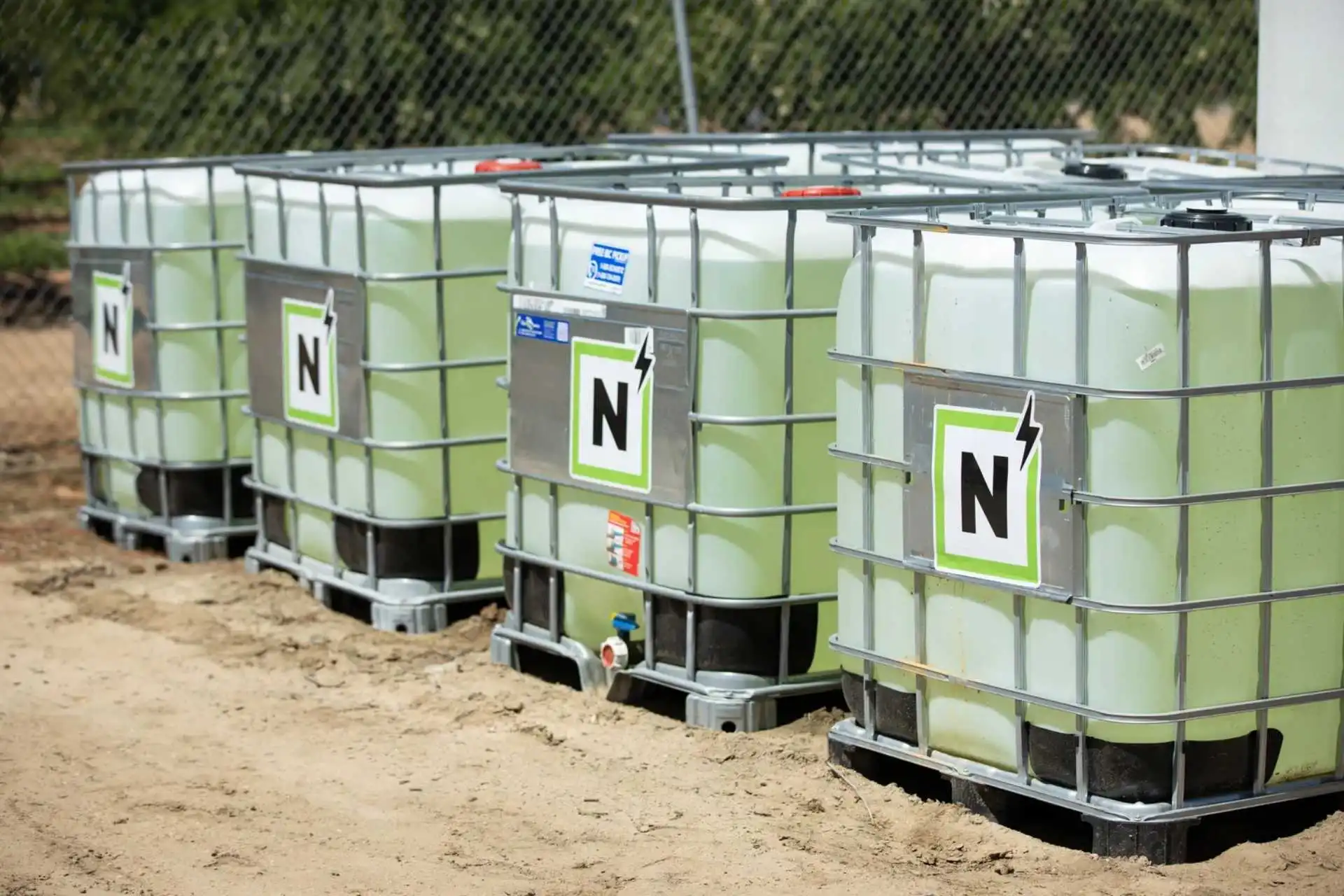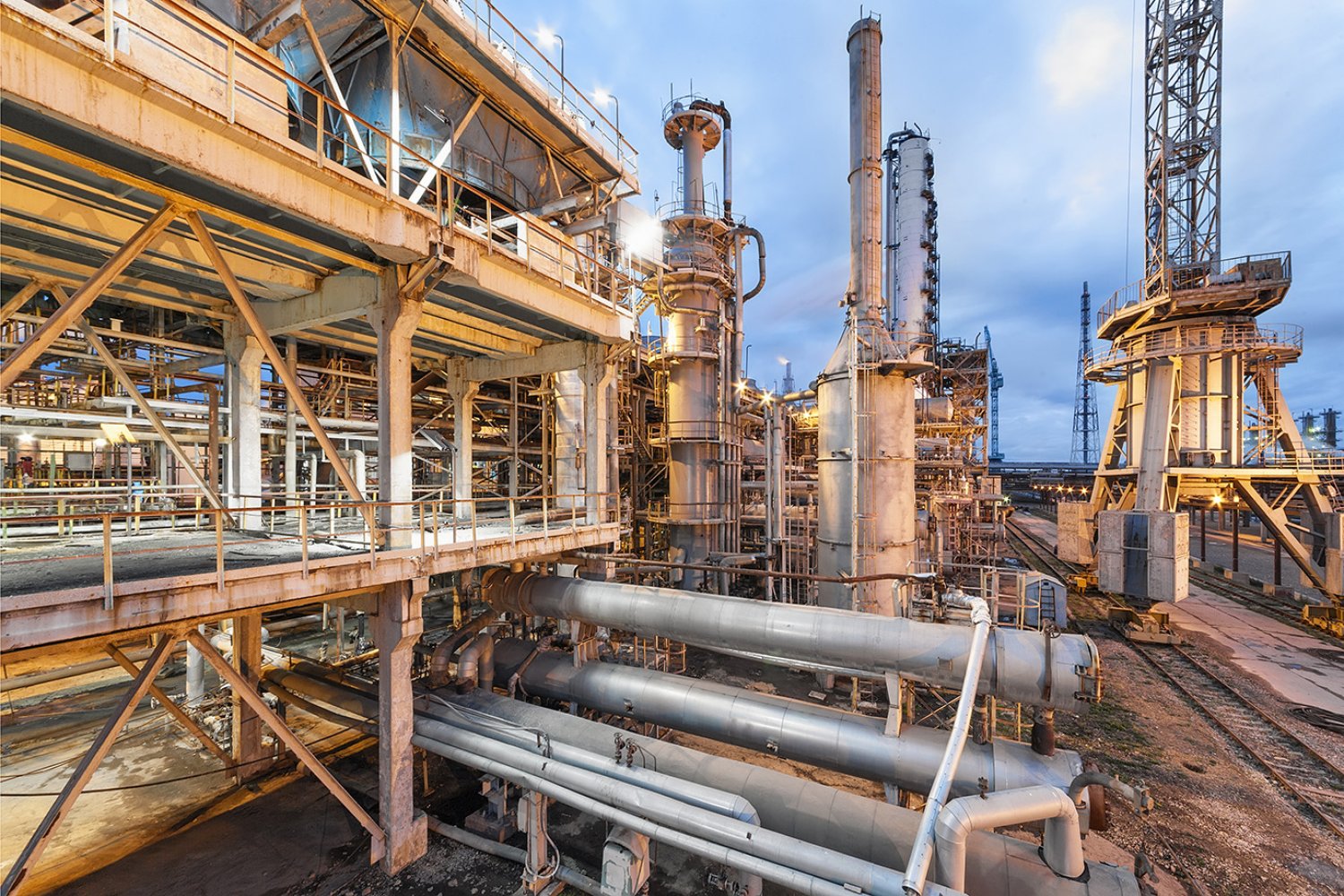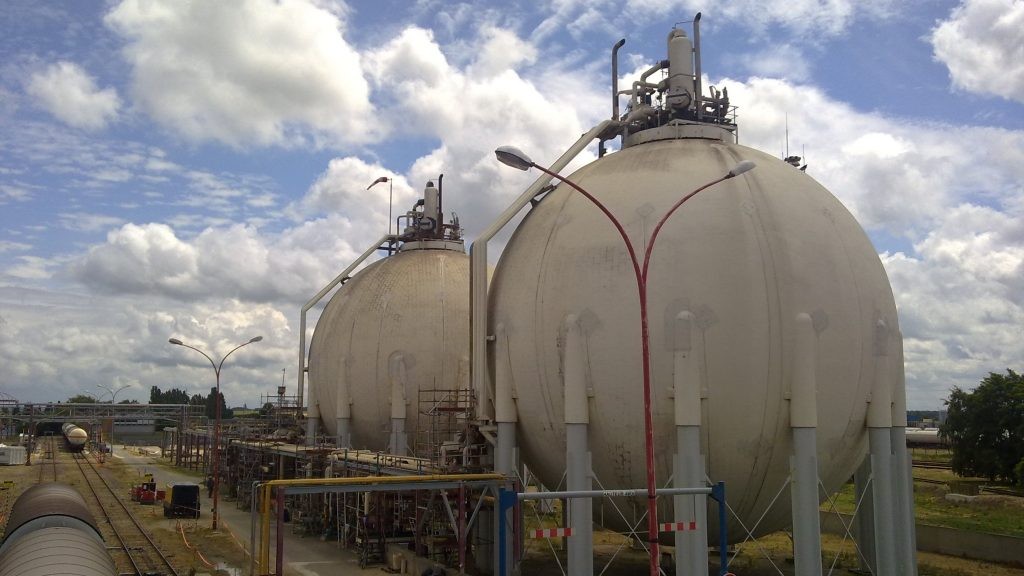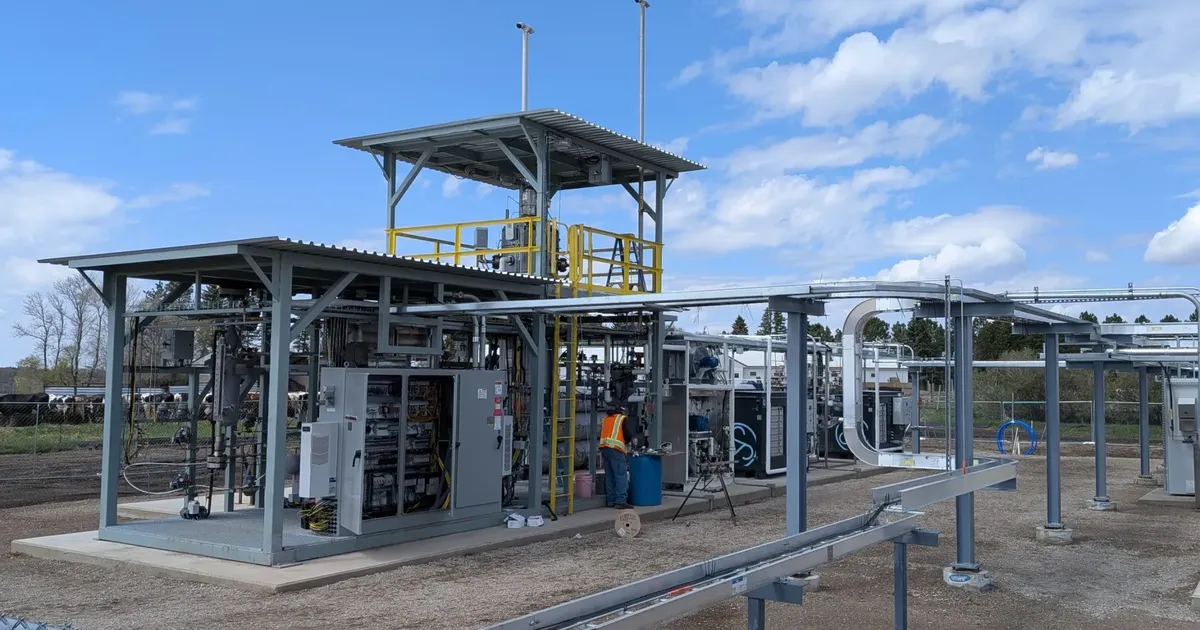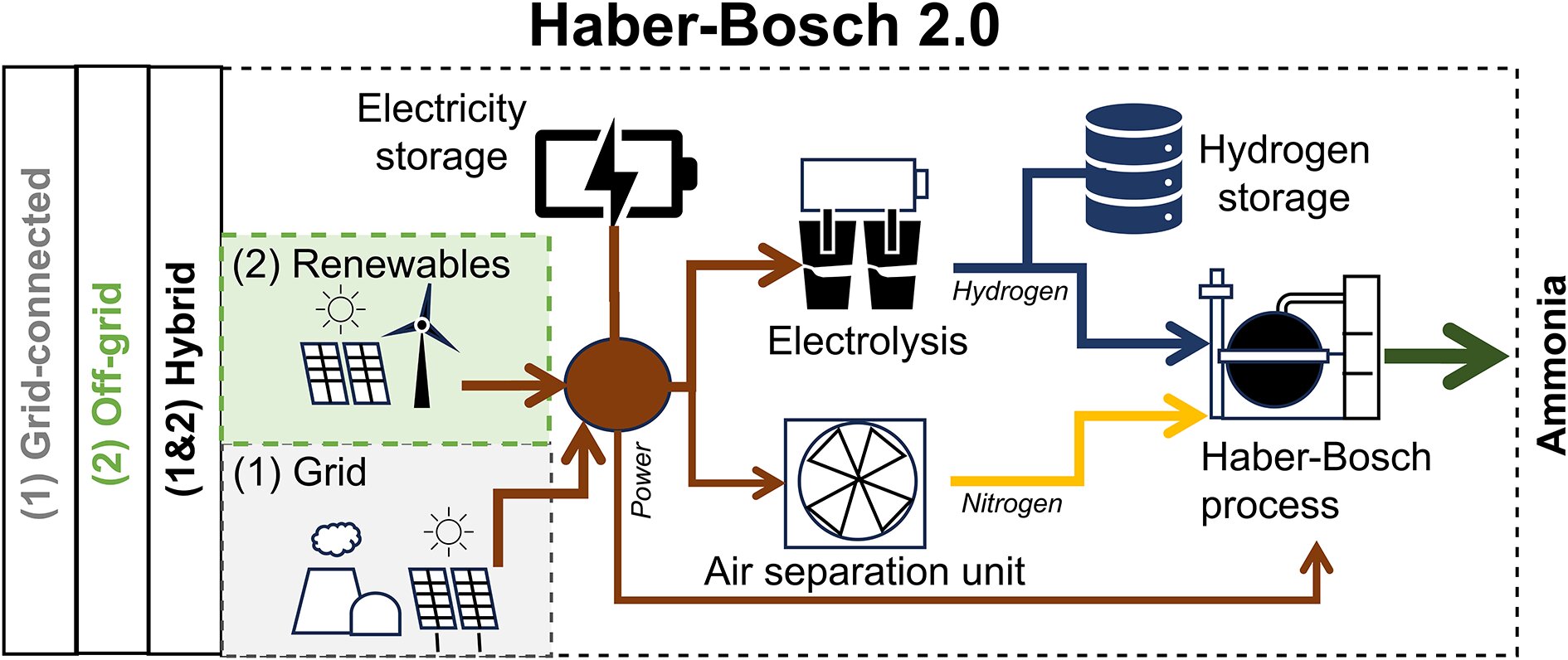
Decentralized ammonia production via electric Haber–Bosch (Haber–Bosch 2.0) could support shipping, chemical manufacturing, and local fertilizer supply chains. Credit: Energy & Environmental Science (2026). DOI: 10.1039/d6ee01125j
Small-scale plants could produce ammonia directly where it is needed. A global analysis involving the Paul Scherrer Institute (PSI) shows where and under what conditions such mini-plants could operate in a low-carbon and economical manner. Ammonia is indispensable for fertilizer and could, in the future, also serve as fuel for ships. The study is published in the journal Energy & Environmental Science.
Ammonia is one of the world's most important chemicals: Without it and the fertilizers derived from it, fields worldwide would produce less food—many supermarket shelves would be empty. Currently, this essential raw material is produced mainly in a few large chemical plants and transported over long distances. Researchers from the PSI, ETH Zurich and the Carnegie Institution for Science at Stanford University in the U.S. have now investigated where small-scale plants could produce the material in a low-carbon way and close to demand.
"Decentralized plants could shorten supply chains, reduce greenhouse gas emissions and make the fertilizer supply more robust," says Tom Terlouw, a scientist in the Laboratory for Energy Systems Analysis at PSI and lead author of the study. "But they would not automatically be low carbon or economical. The crucial factors are their location and the source of the electricity."