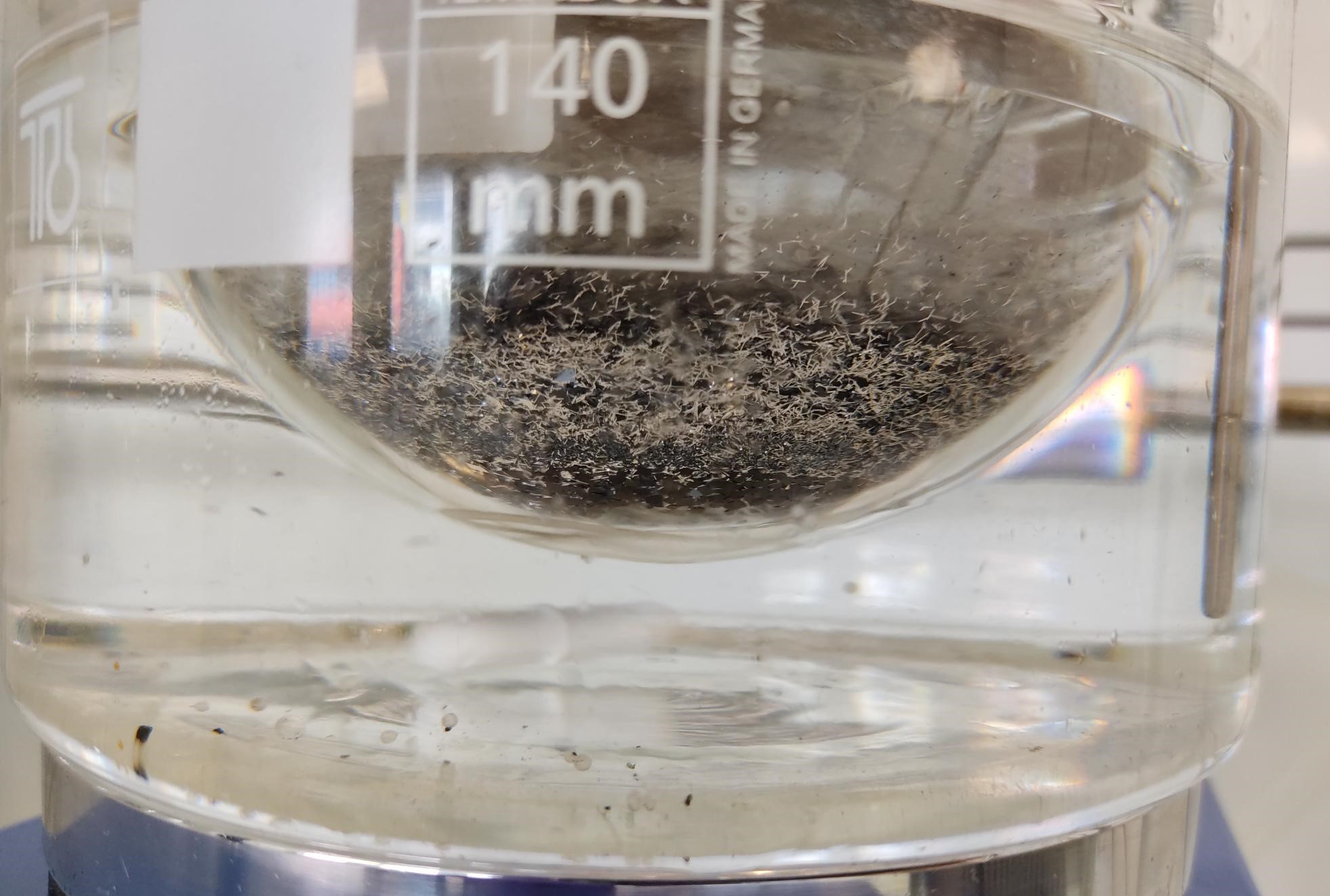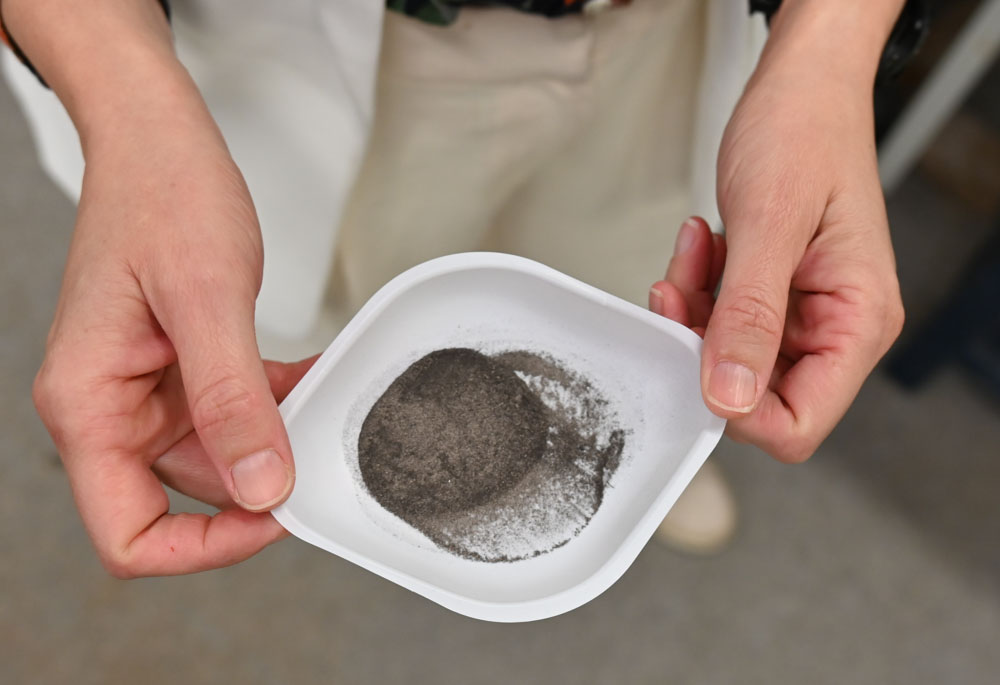
Australian researchers have identified 316L stainless steel as an effective electrode material for recovering silver from recycled PV cells, achieving up to 93% recovery and 96% Faradaic efficiency. The study shows that optimizing current density improves silver deposition, while copper contamination affects electrochemical behavior without causing significant co-deposition.
A group of researchers from Australia has investigated the electrochemical factors influencing silver recovery during solar module recycling. The study examined, in particular, the impact of electrode material, current density, and copper contamination on silver electrodeposition.
“Although silver represents only around 0.03% of the weight of a complete PV module, it accounts for half of the material value. If business-as-usual continues, it is estimated that 85–95% of the world’s silver reserves could be locked away in PV modules by 2050,” the researchers said. “Electrochemical recovery of silver from photovoltaic solar cells has been explored experimentally in the literature; however, limited work has focused on understanding the influence of the underlying process variables.”
For the study, the team prepared a silver-leaching electrolyte containing 4 M nitric acid (HNO₃) and 20 mM silver nitrate (AgNO₃) to represent dissolved silver recovered from recycled solar cells. The electrolyte was then tested in a three-electrode electrochemical cell equipped with four different cathode materials: silver, 316L stainless steel, copper, and graphite.