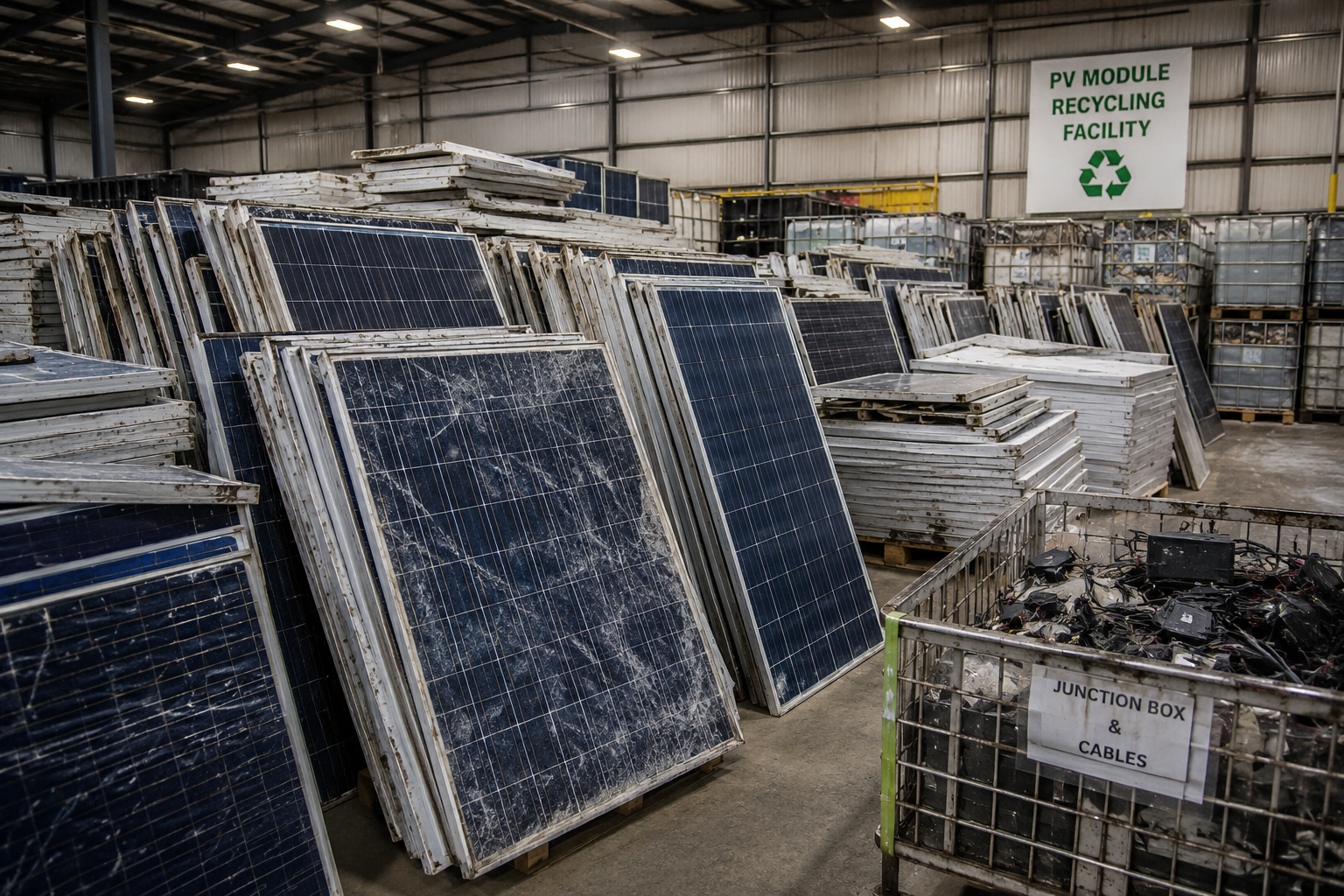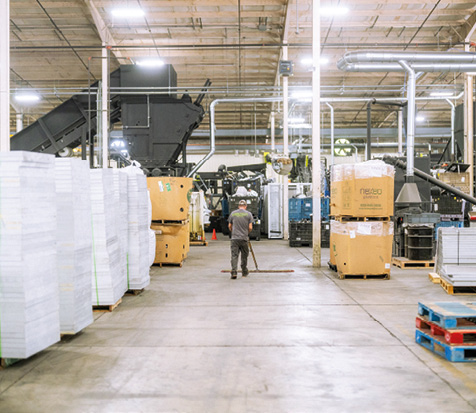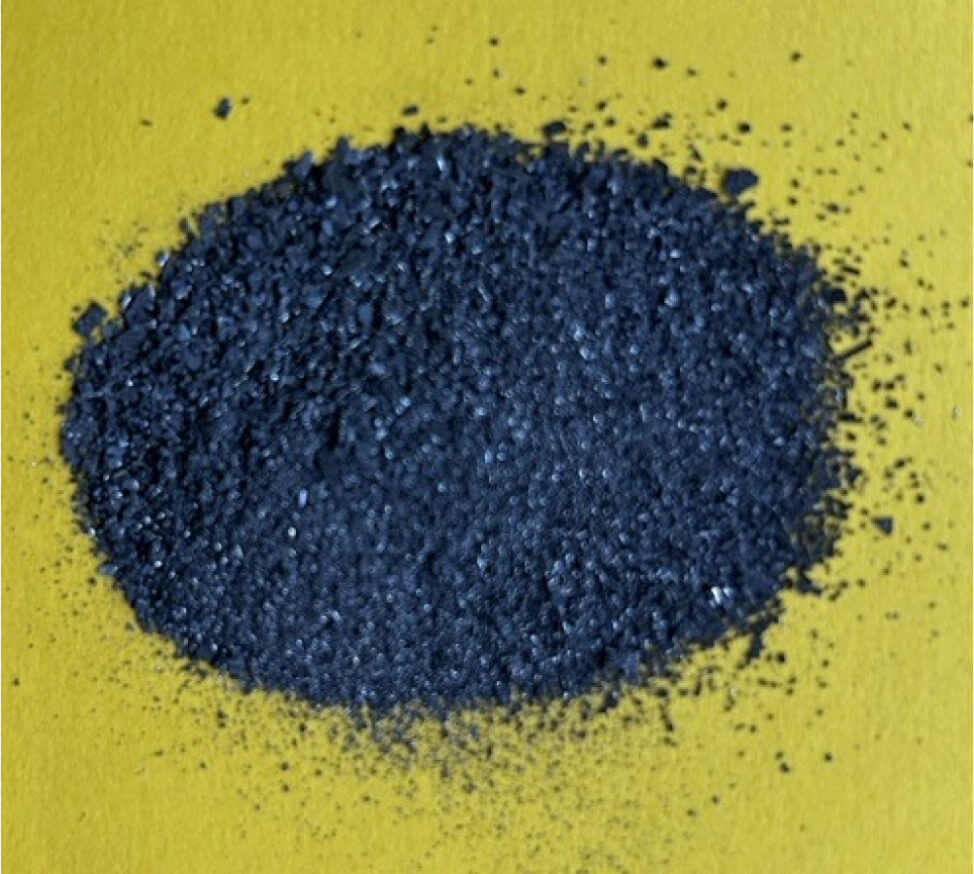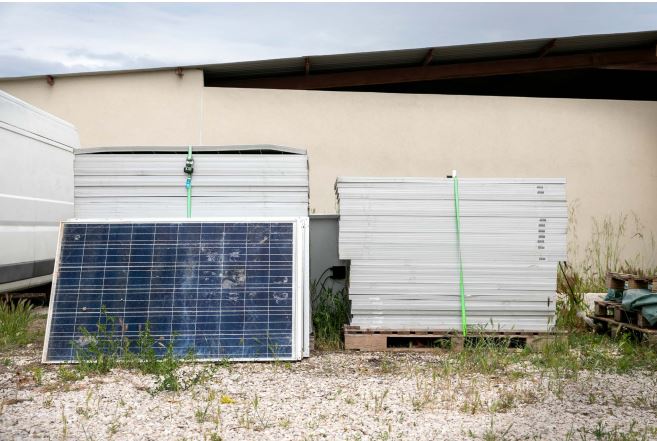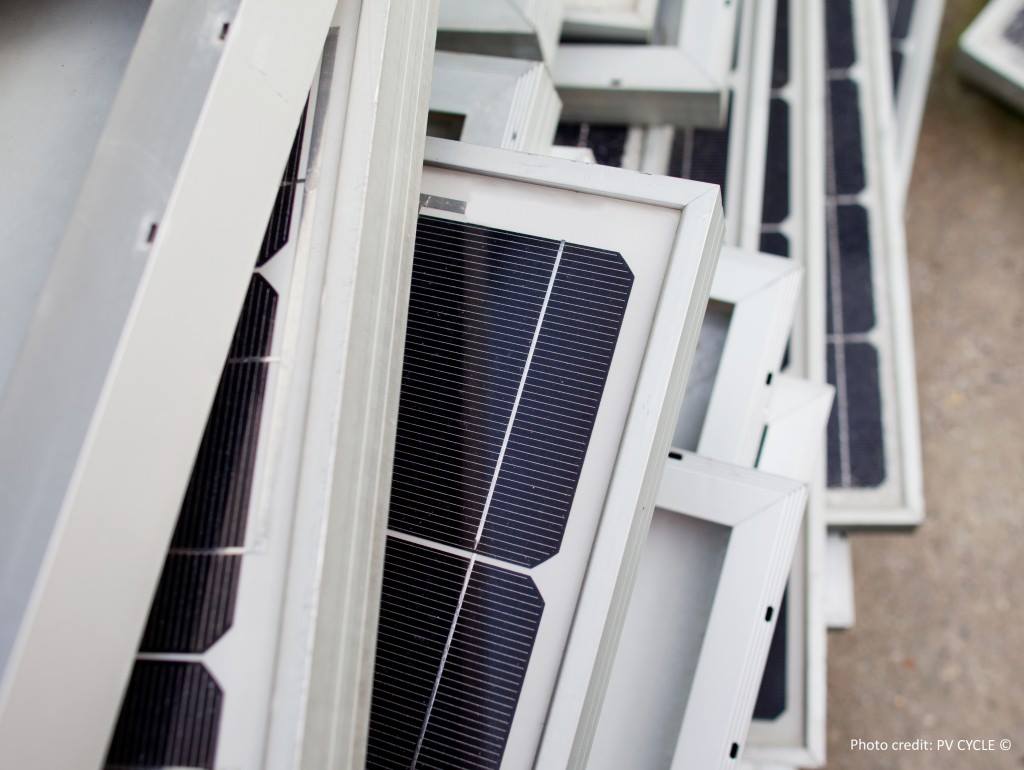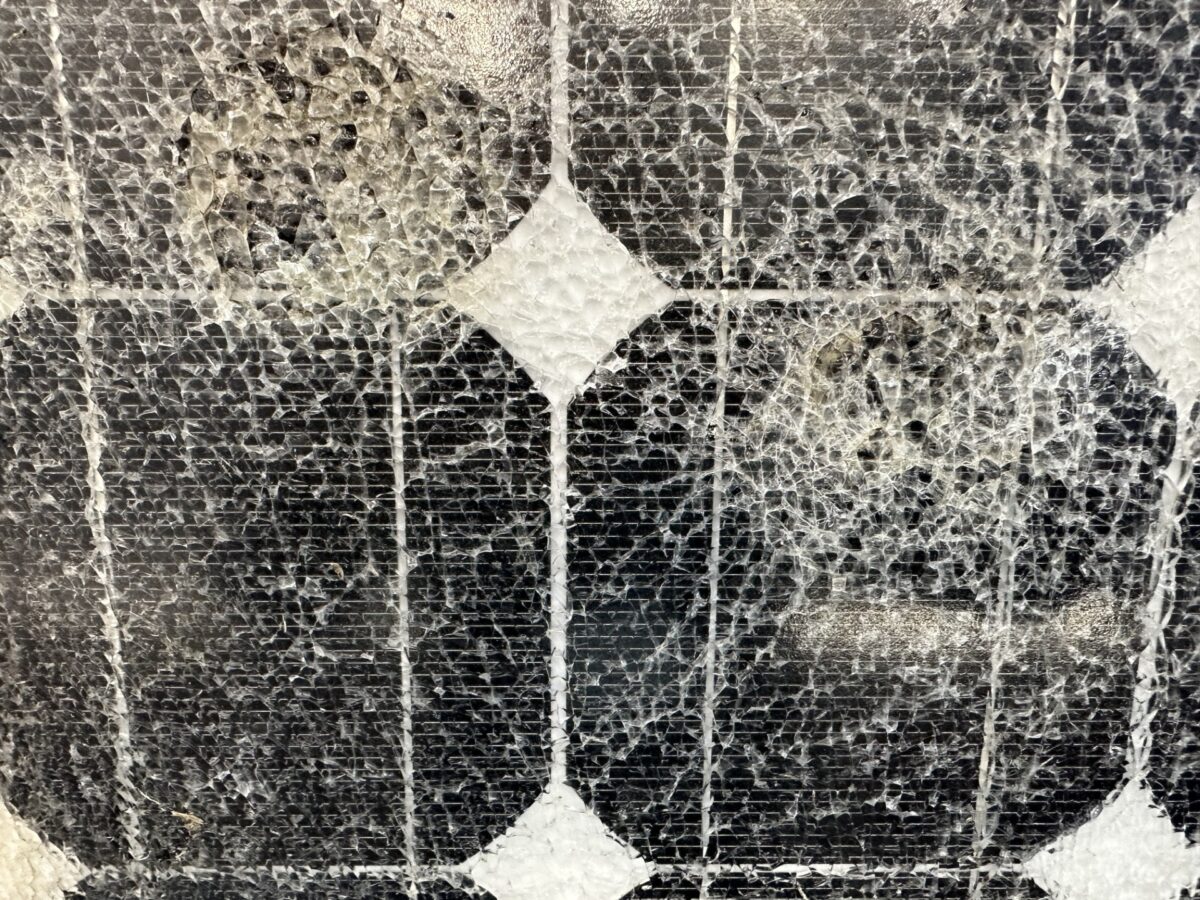
Researchers in China have developed a three-step recycling process for end-of-life crystalline silicon PV modules that recovers high-purity silicon, copper, silver compounds, and other valuable materials while enabling reagent reuse. Life cycle and techno-economic analyses showed the process can cut carbon emissions by 80.42% compared with conventional methods and generate positive returns from solar-cell and solder-strip treatment stages.
A research group in China has developed a new recycling process for end-of-life crystalline silicon (c-Si) PV modules based on three main stages: heavy-liquid separation of mixed materials, solar-cell etching, and solder-strip etching. The researchers also conducted a life cycle assessment (LCA) and techno-economic analysis (TEA) to evaluate the process.
“Through systematic experimental investigations, the core reaction mechanisms involving redox reactions, complexation equilibrium, and hydrolysis precipitation were elucidated, providing a theoretical foundation for the development of similar recycling processes,” the researchers said. “The selection of green chemical reagents, superior recovery performance, and closed-loop recycling potential of reagents reduce the environmental impact of the process and lay a solid foundation for its industrial application.”