Researchers in Italy have developed a Pd/Si catalyst for upcycling silicon from end-of-life PV panels. The system showed performance comparable to commercial-silicon catalysts and stable recycling over six cycles.
May 16, 2026
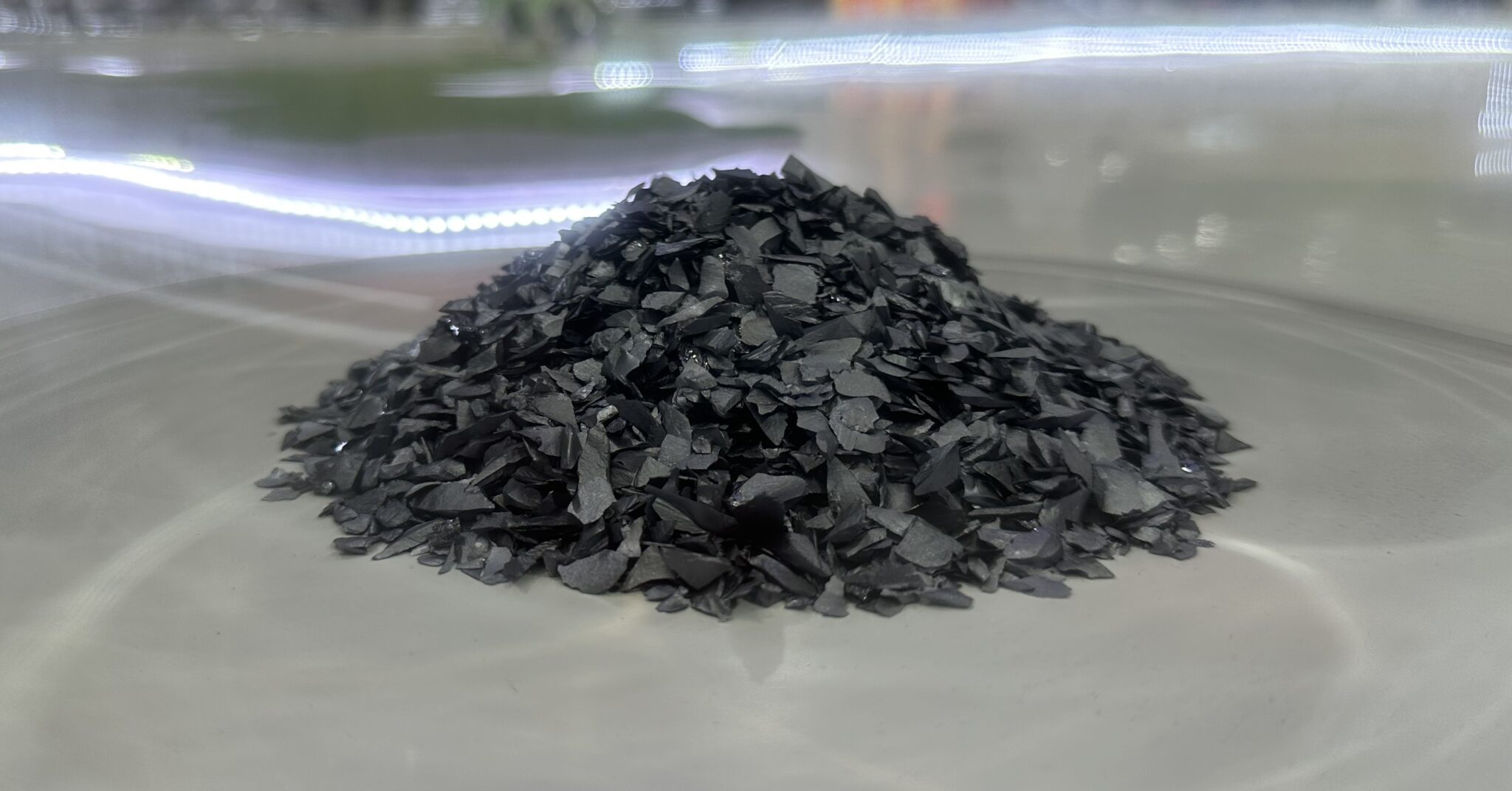
A research team from Italy has proposed a method for upcycling silicon (Si) from end-of-life (EoL) PV panels by developing a Pd/Si catalytic system. In this configuration, palladium (Pd) nanoparticles are supported on recovered silicon, where Pd drives catalytic activity while the silicon (Si) acts as a stabilizing, reusable support. The system is targeted at cross-coupling reactions widely used in pharmaceuticals and fine chemicals.
“This study presents a strategy for managing the rapidly increasing global EoL solar panel waste stream, achieving performances comparable to established Pd-based heterogeneous catalysts,” the group said. “This work paves the way for the broader use of silicon derived from EoL photovoltaic as a versatile heterogeneous support for a wide range of metal-based catalytic systems, thereby expanding the possibilities for their application across diverse catalytic processes.”
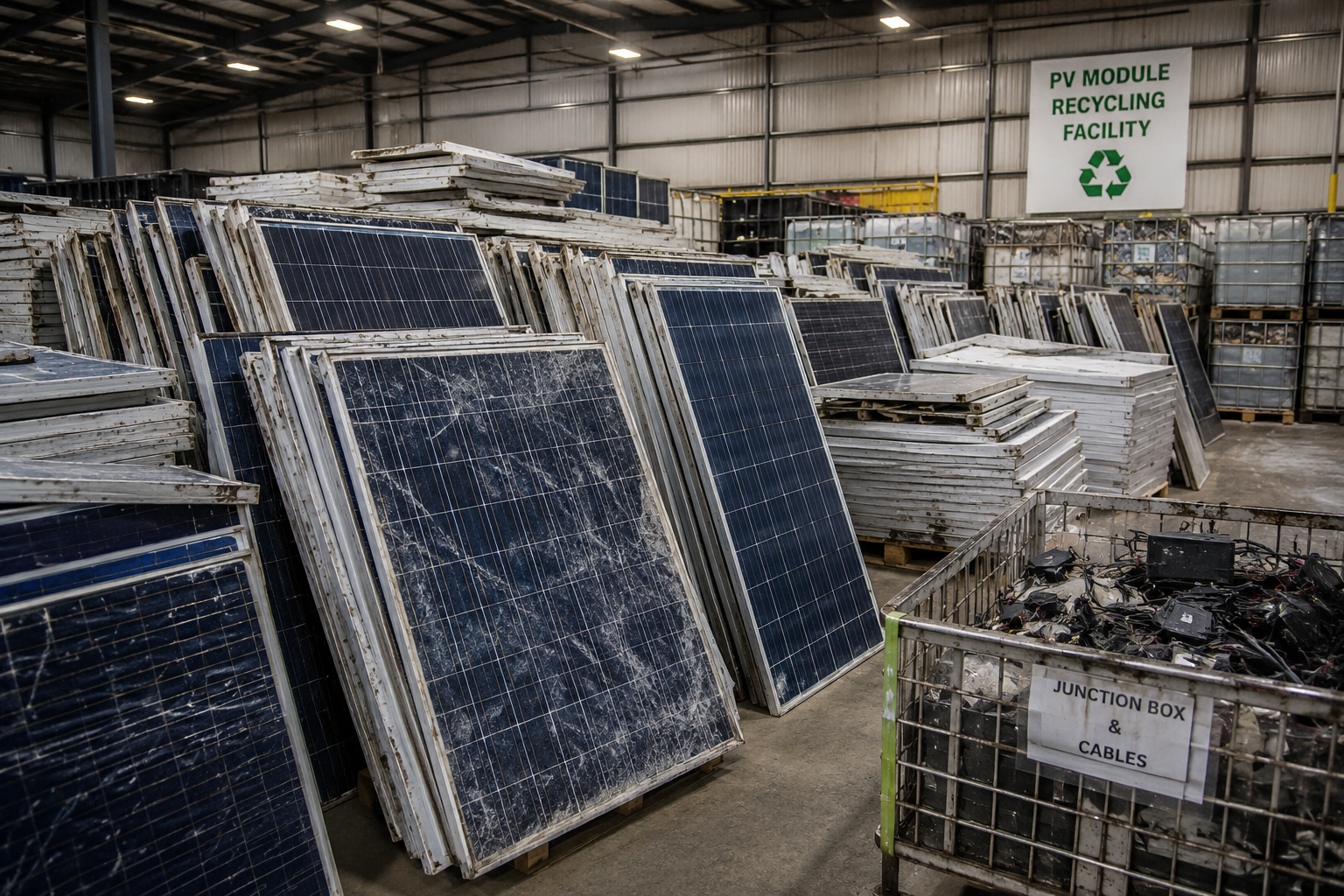
To prepare the Pd/Si systems, the researchers first removed the front glass of discarded PV modules by heating to soften the ethylene-vinyl acetate (EVA) encapsulant, leaving EVA, silicon cells and backsheet layers intact. The material was cut into small pieces and treated with tetrahydrofuran (THF) at 60 C to swell the EVA and separate the silicon cells. The recovered cells were then purified via a two-step chemical leaching process: sodium hydroxide (NaOH) was used to dissolve the aluminum back contact, followed by nitric acid (HNO₃) to remove silver finger contacts.