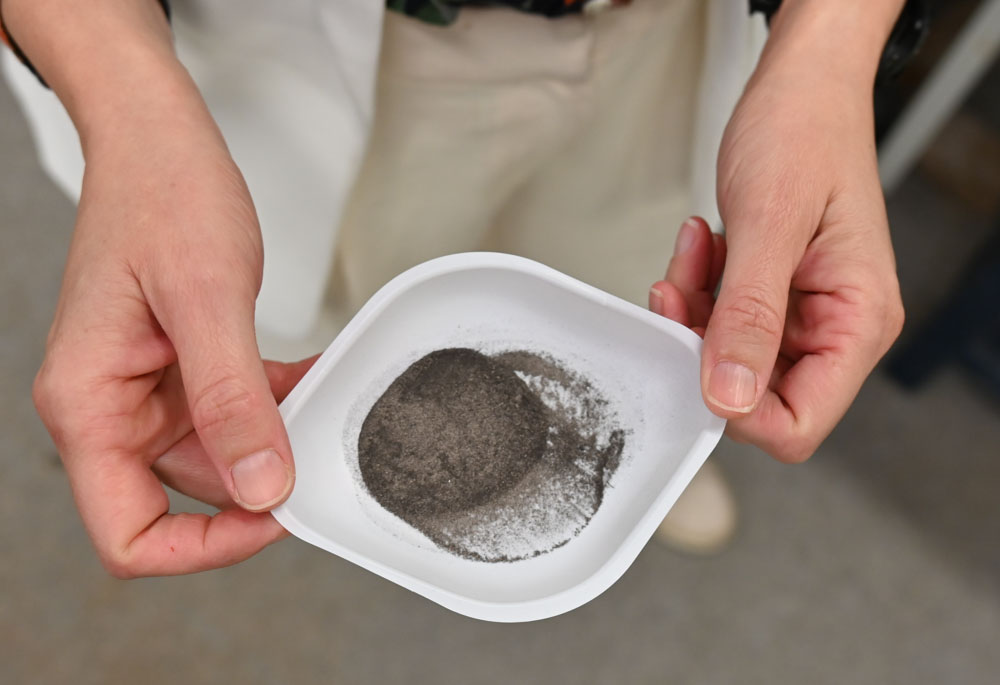
Researchers developed a process to recover silicon and silicon dioxide (SiO₂) from end-of-life crystalline silicon solar cells for use in lithium-ion (Li-ion) battery electrodes across different substrates. The recovered material achieved around 97.75% silicon yield and showed substrate-dependent performance.
A research team in India has developed a novel recycling process to recover silicon and native silica (SiO₂) from end-of-life (EoL) crystalline silicon solar cells for use as electrode materials in energy-storage applications. Different substrates were evaluated with the recovered silicon to assess their impact on charge-storage mechanisms.
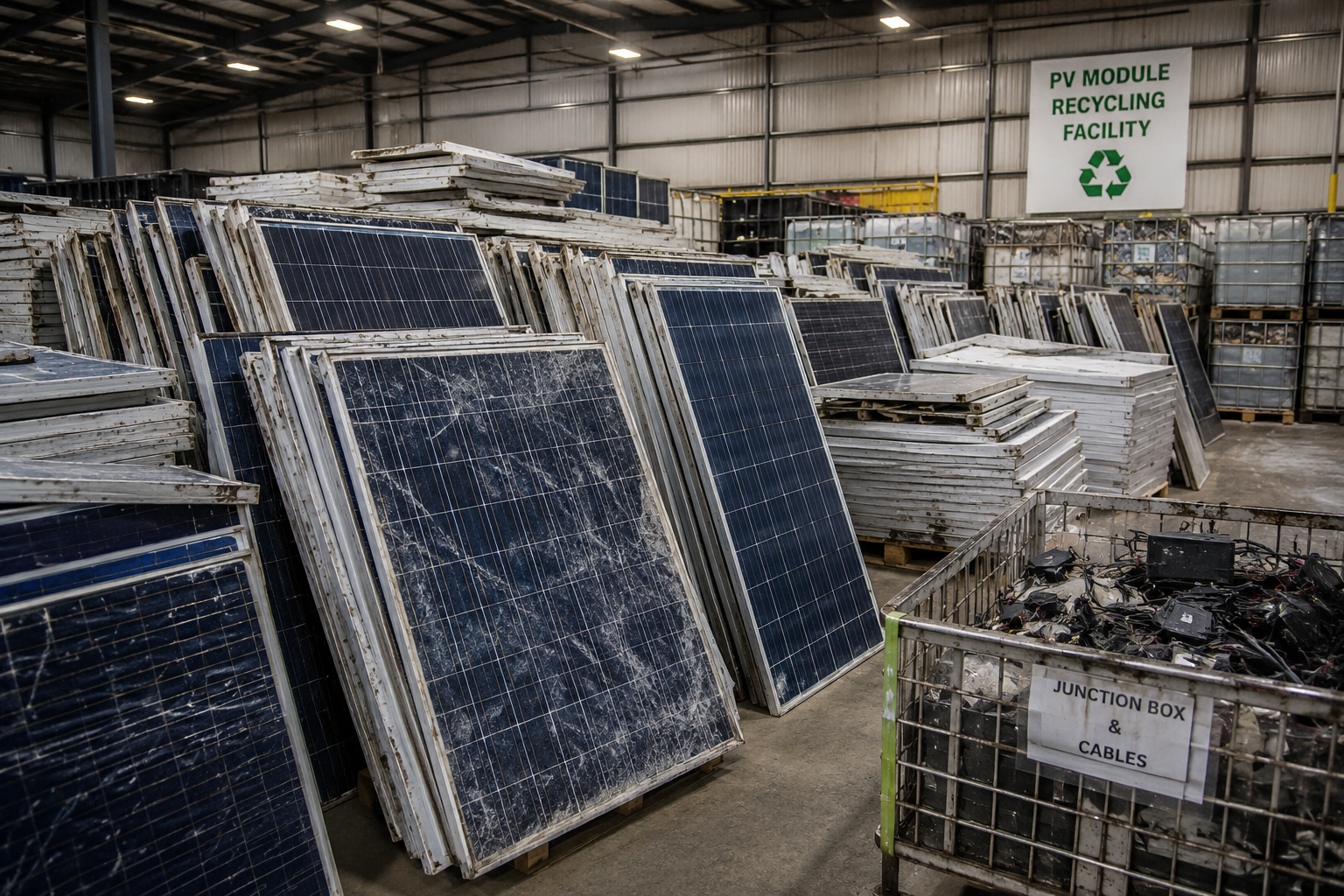
“The significant increase in cumulative photovoltaic installed capacity has led to a sharp rise in EoL modules, creating an urgent need for sustainable waste management,” the researchers said. “This study presents an eco-friendly approach by integrating recycled PV waste into electrode materials for lithium-ion (Li-ion) electrochemical systems, with an emphasis on substrate-dependent faradaic charge-storage behavior.”
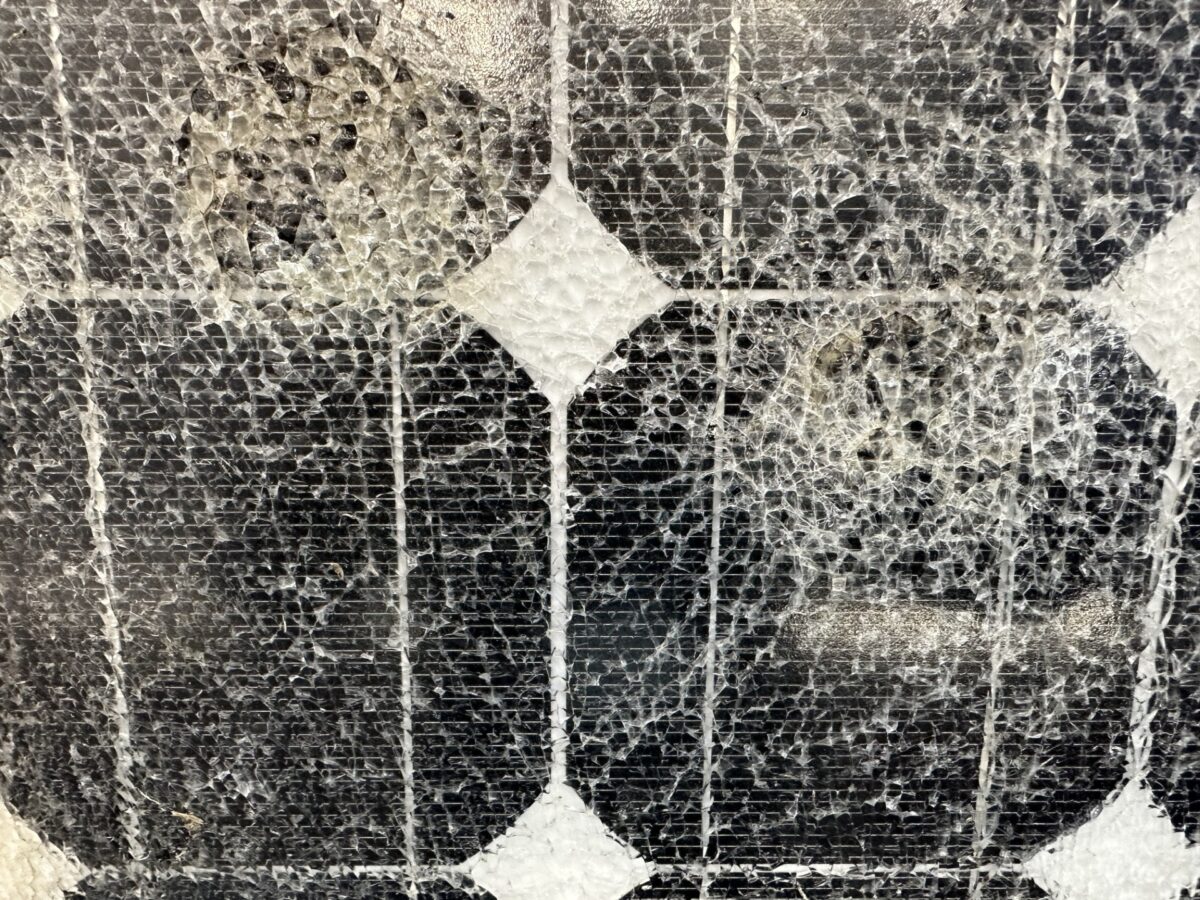
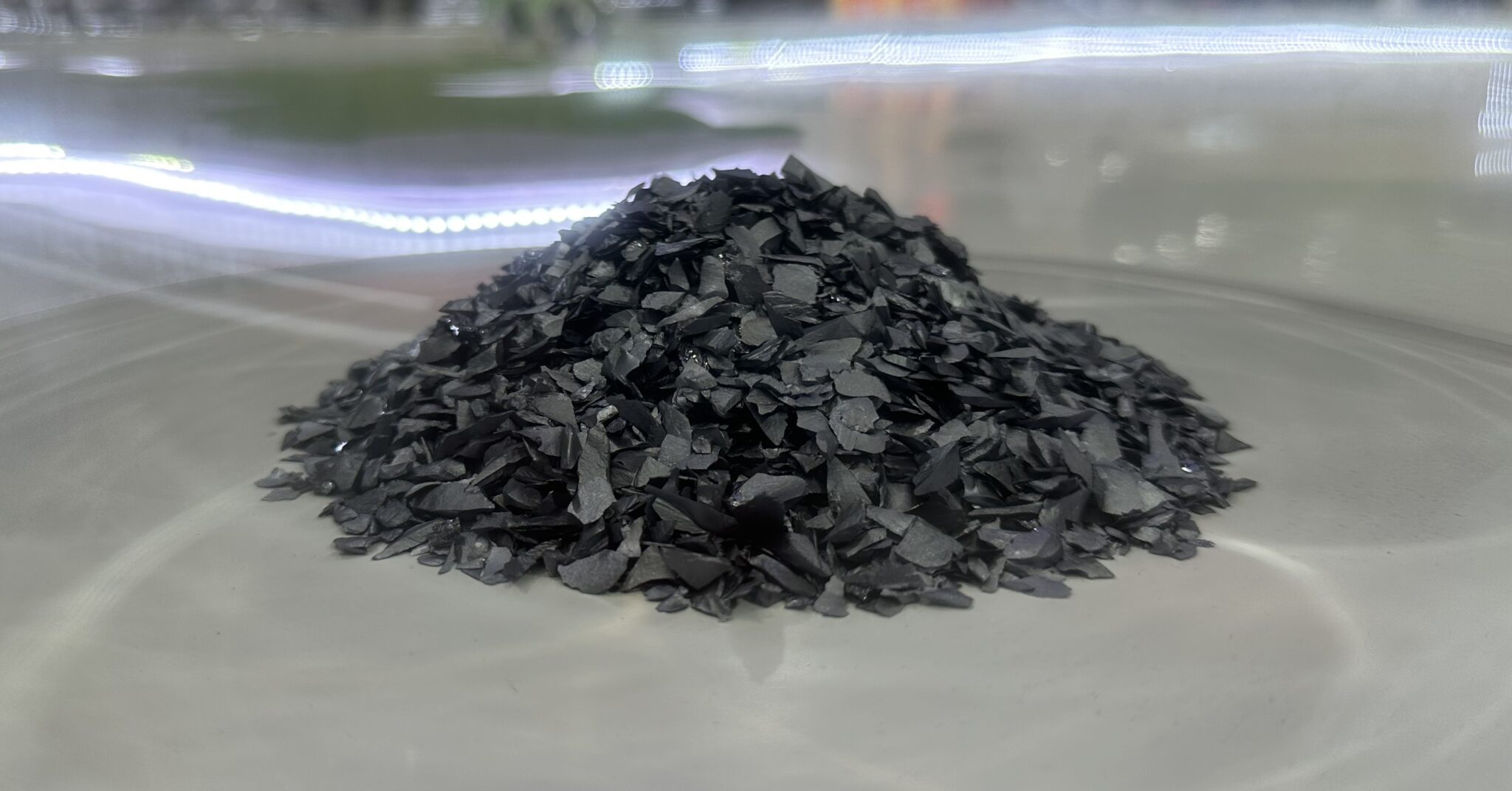
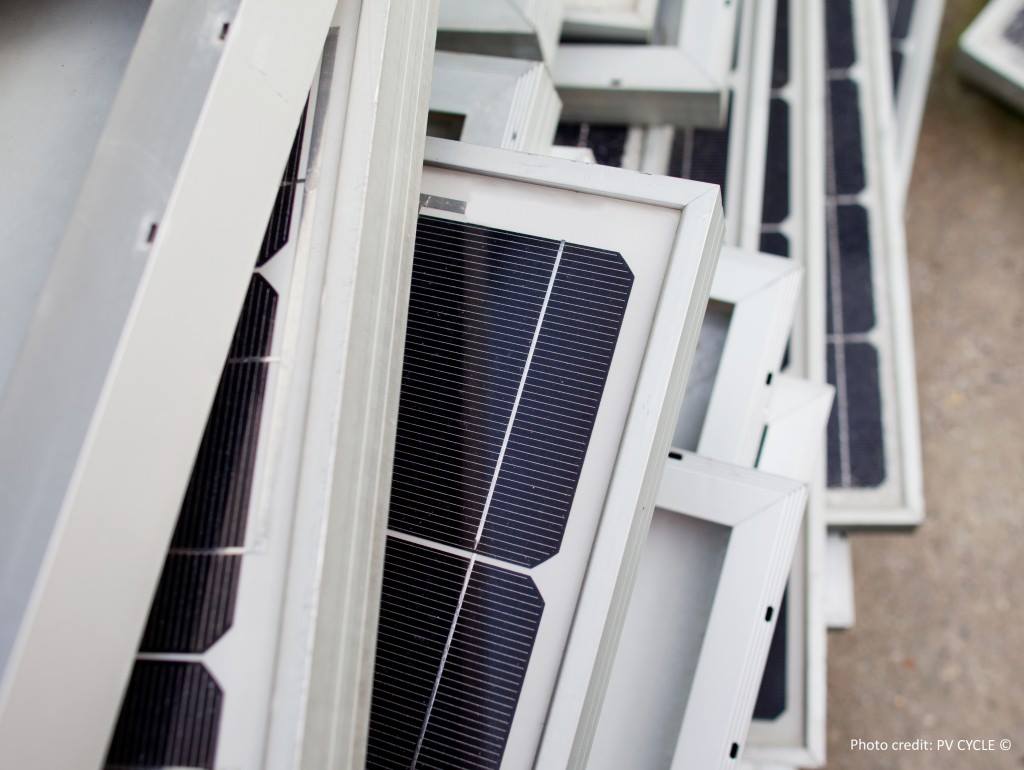
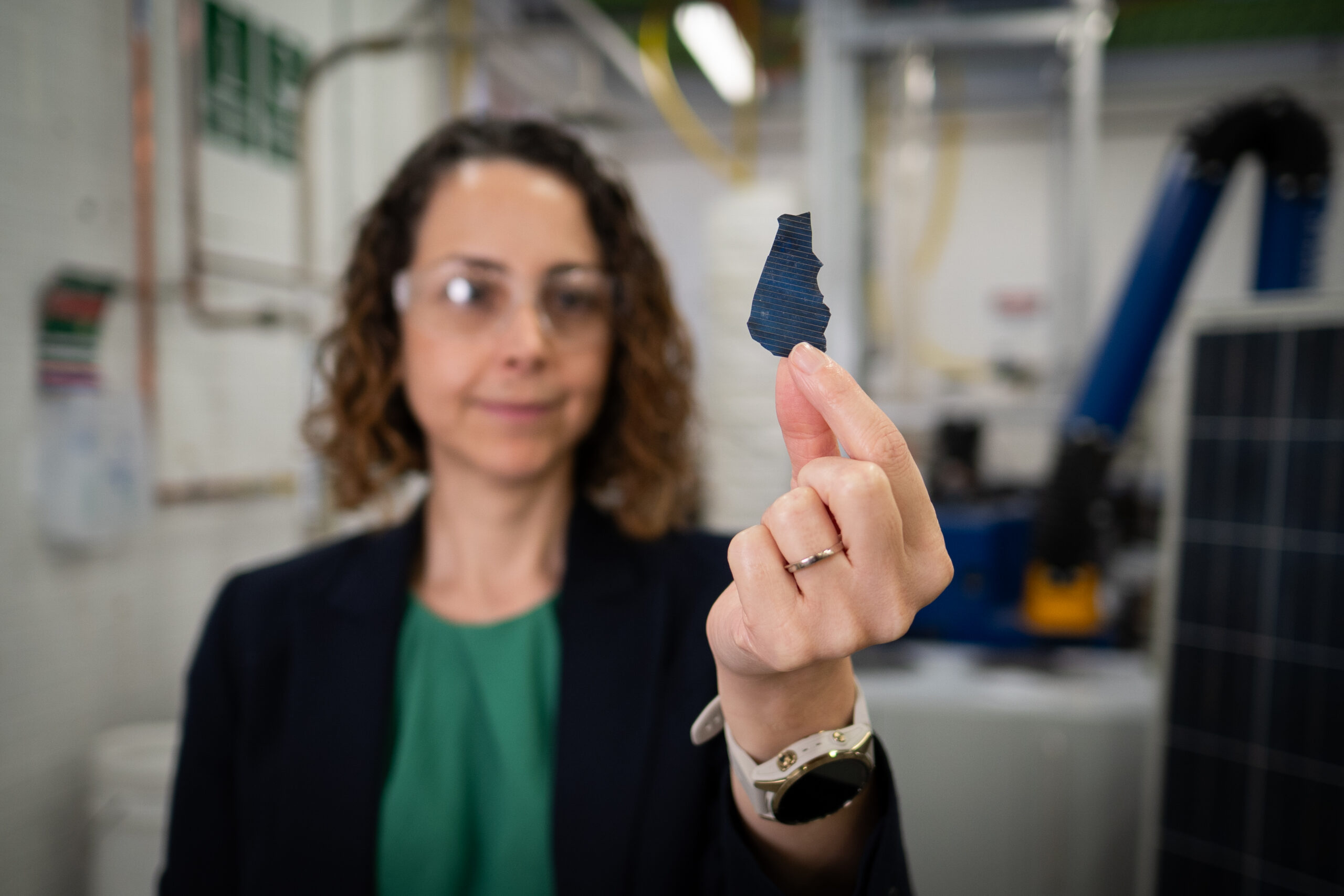
The process begins with manual dismantling and removal of aluminum frames from waste modules, followed by thermal treatment at 480 C to decompose and remove the EVA encapsulant, backsheet, and residual glass. The recovered silicon cell fragments were then isolated and ball-milled at 450 rpm for 6 h to obtain a micron-sized powder, followed by sequential alkaline and acid leaching using sodium hydroxide (NaOH) and hydrochloric acid (HCl) for purification.