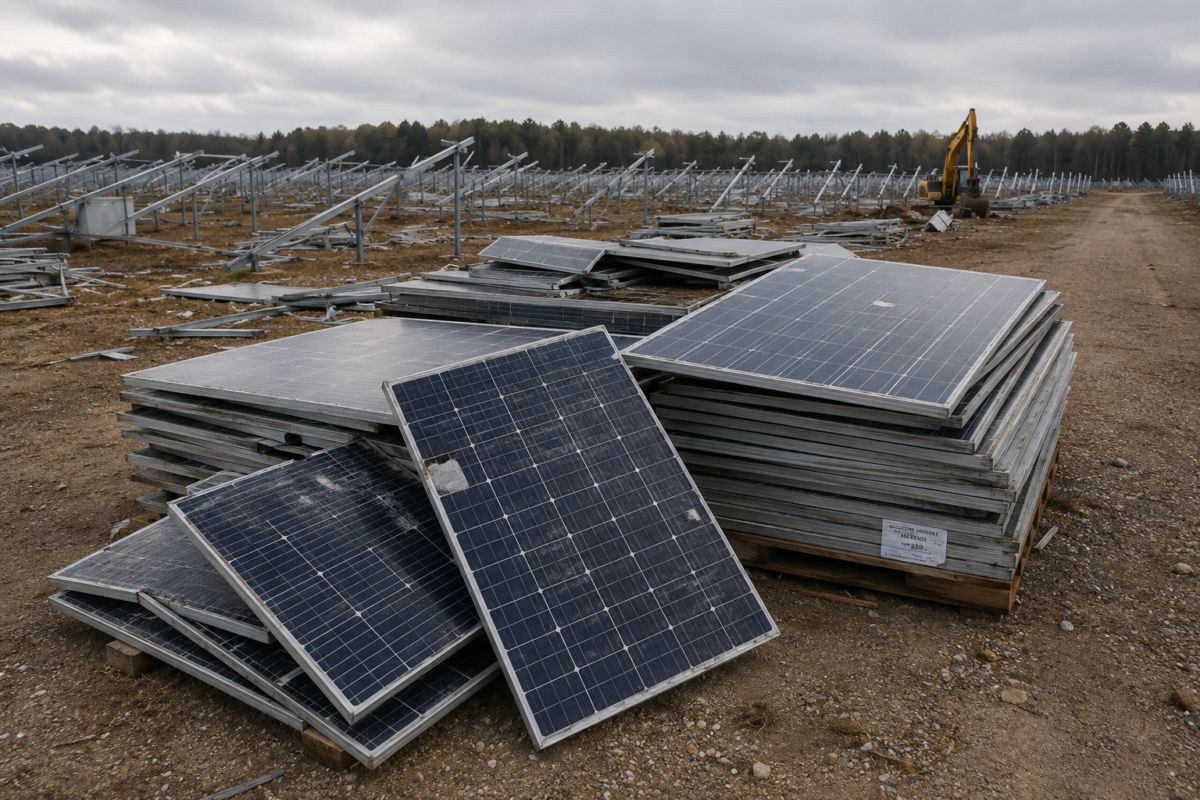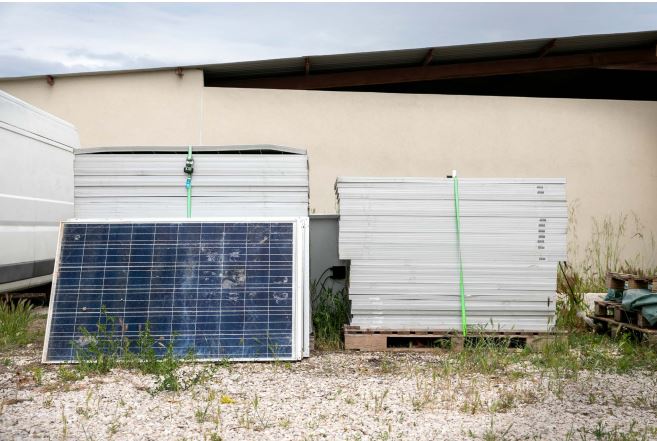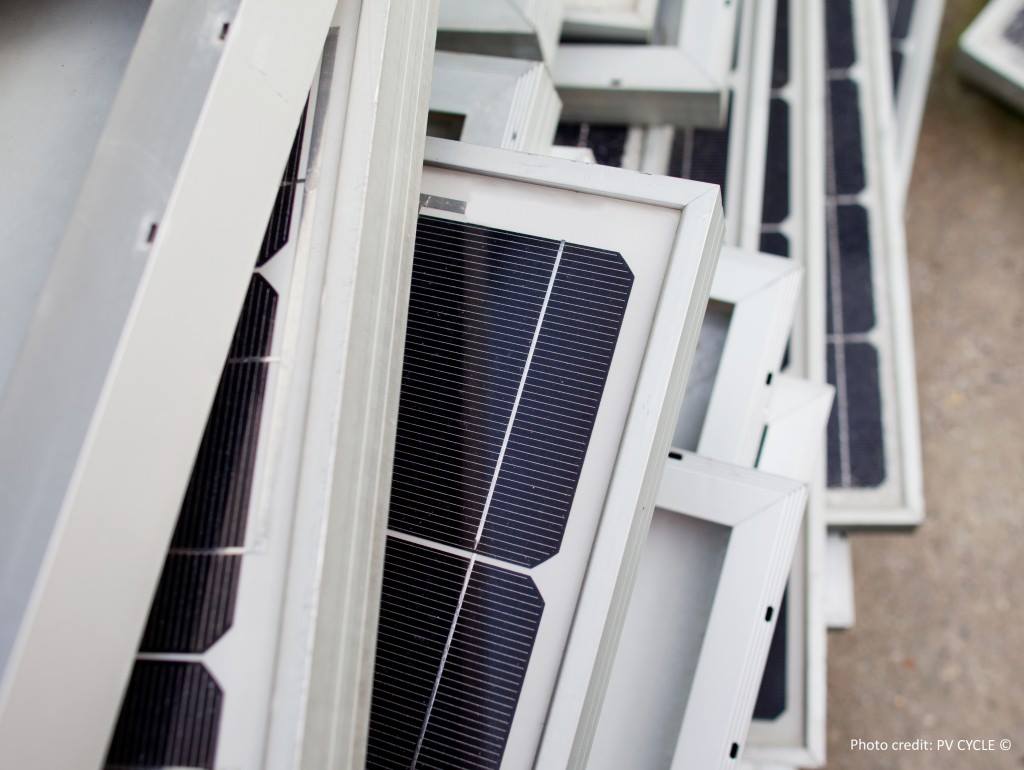
Researchers have developed a low-temperature, hydrogen peroxide-mediated oxidative liquefaction process to recycle end-of-life solar panels by selectively breaking down polymers into useful chemical feedstocks. The proposed method reduces energy consumption, eliminates hazardous solvents, and minimizes landfill waste compared to traditional recycling techniques.
May 25, 2026
Researchers at Xi'an Jiaotong University in China have developed a novel end-of-life (EoL) solar module recycling process that uses oxidative liquefaction (OL) at comparatively low temperatures to exploit selective oxidative degradation chemistry.
“Oxidative liquefaction is an aqueous hydrogen peroxide (H₂O₂)-mediated thermochemical process previously applied to composite wind turbine blade recycling,” said researcher Xing Fu. “The ecological advantage stems from lower operating temperatures and the potential for process heat recovery from exothermic H₂O₂ decomposition and polymer oxidation reactions.”
The study used 250 W silicon-based monocrystalline PV panels, which were cut into 1 cm × 1 cm chips and used as feedstock. The experiments were conducted in a 510 mL stainless-steel Parr reactor using aqueous H₂O₂ as the oxidizing agent. While pressure and reaction time were held constant at 32 bar N₂ and 90 minutes, three variables were investigated: temperature (210 C, 260 C, and 310 C), H₂O₂ concentration (30%, 48%, and 65%), and waste-to-liquid ratio (12.5%, 25%, and 37.5%).