A mild oxalic-acid-based hydrometallurgical process enables efficient indium recovery from indium tin oxide in solar cell waste while simultaneously releasing silver grids. The approach achieves high-purity indium oxide production through selective leaching, precipitation, and calcination under optimized conditions.
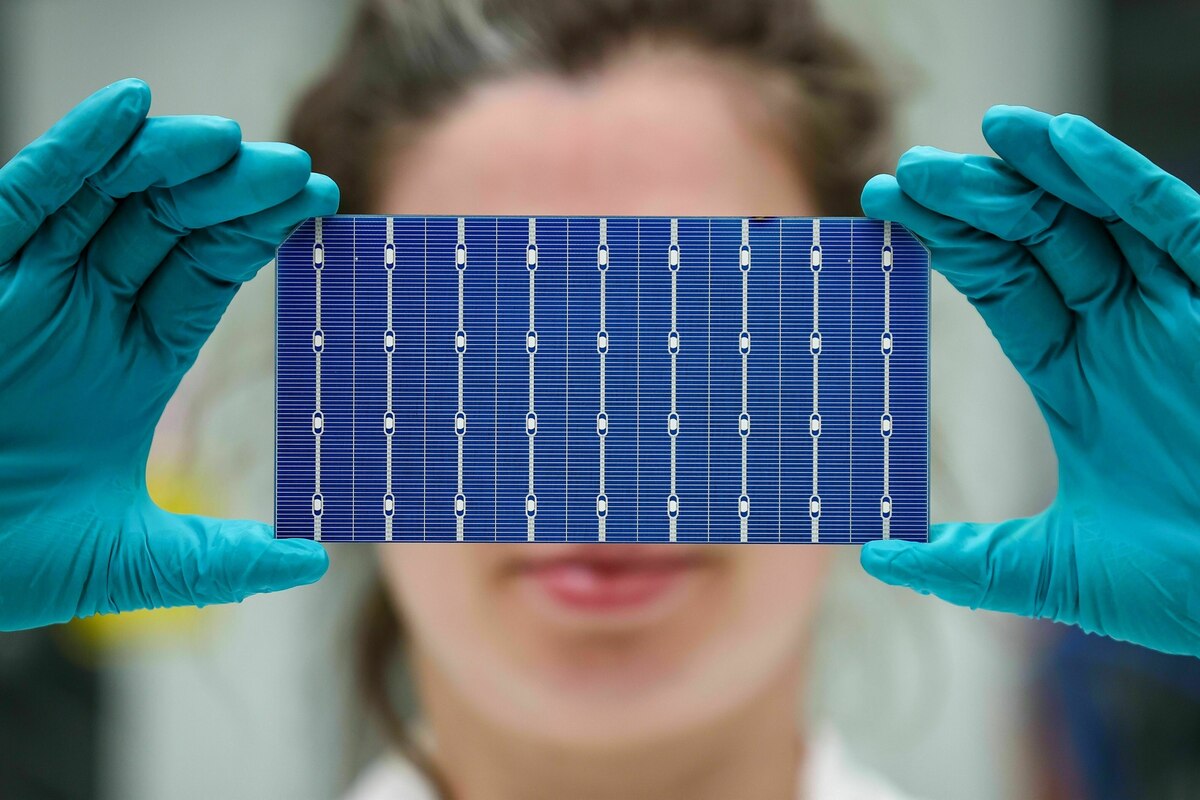
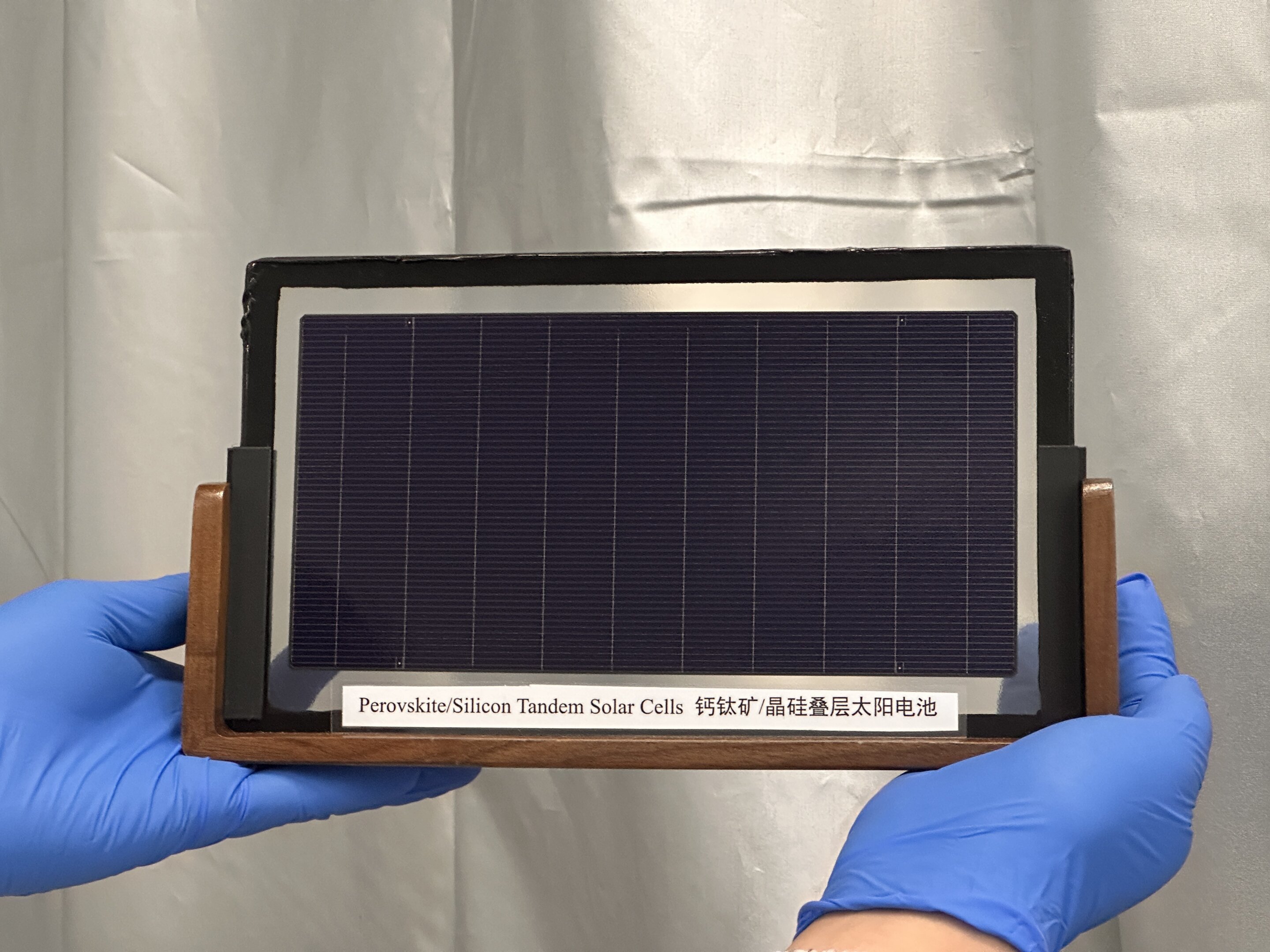
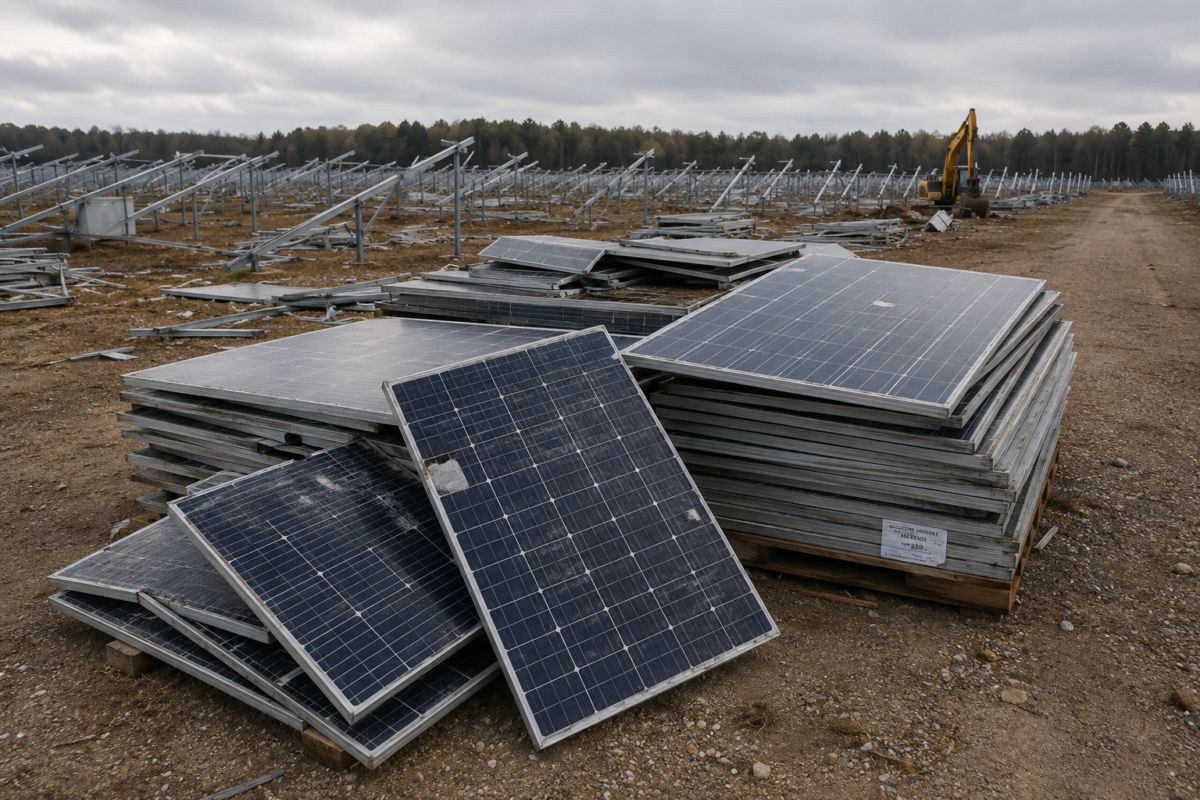
Researchers at new energy technologies and nanomaterials (Liten) branch of the French Alternative Energies and Atomic Energy Commission (CEA) have developed a new technology to recover indium from discarded heterojunction (HJT) solar panels.
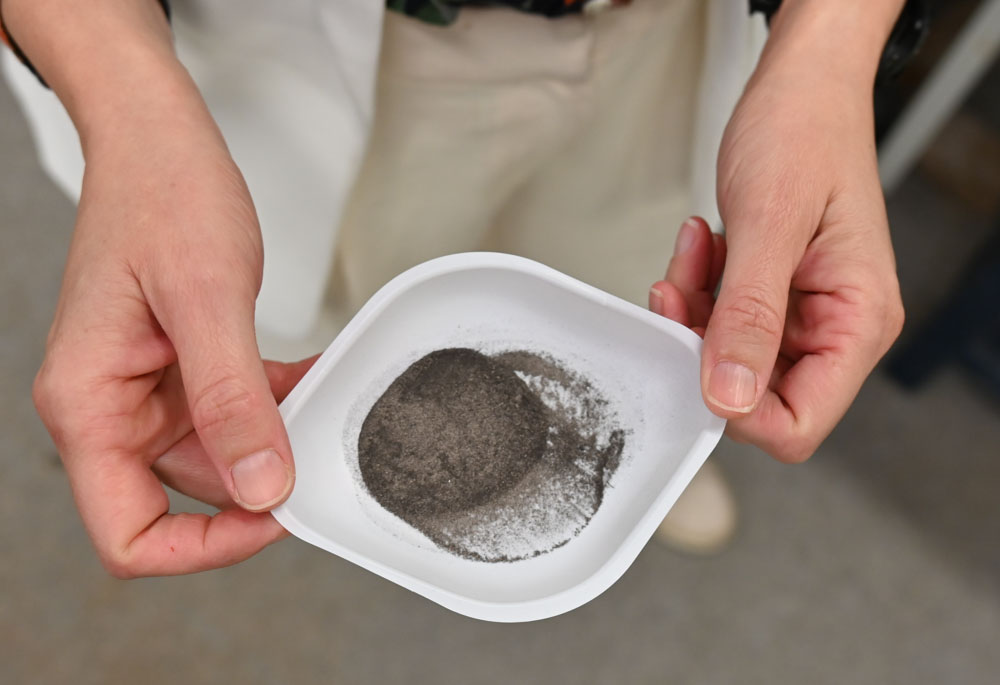
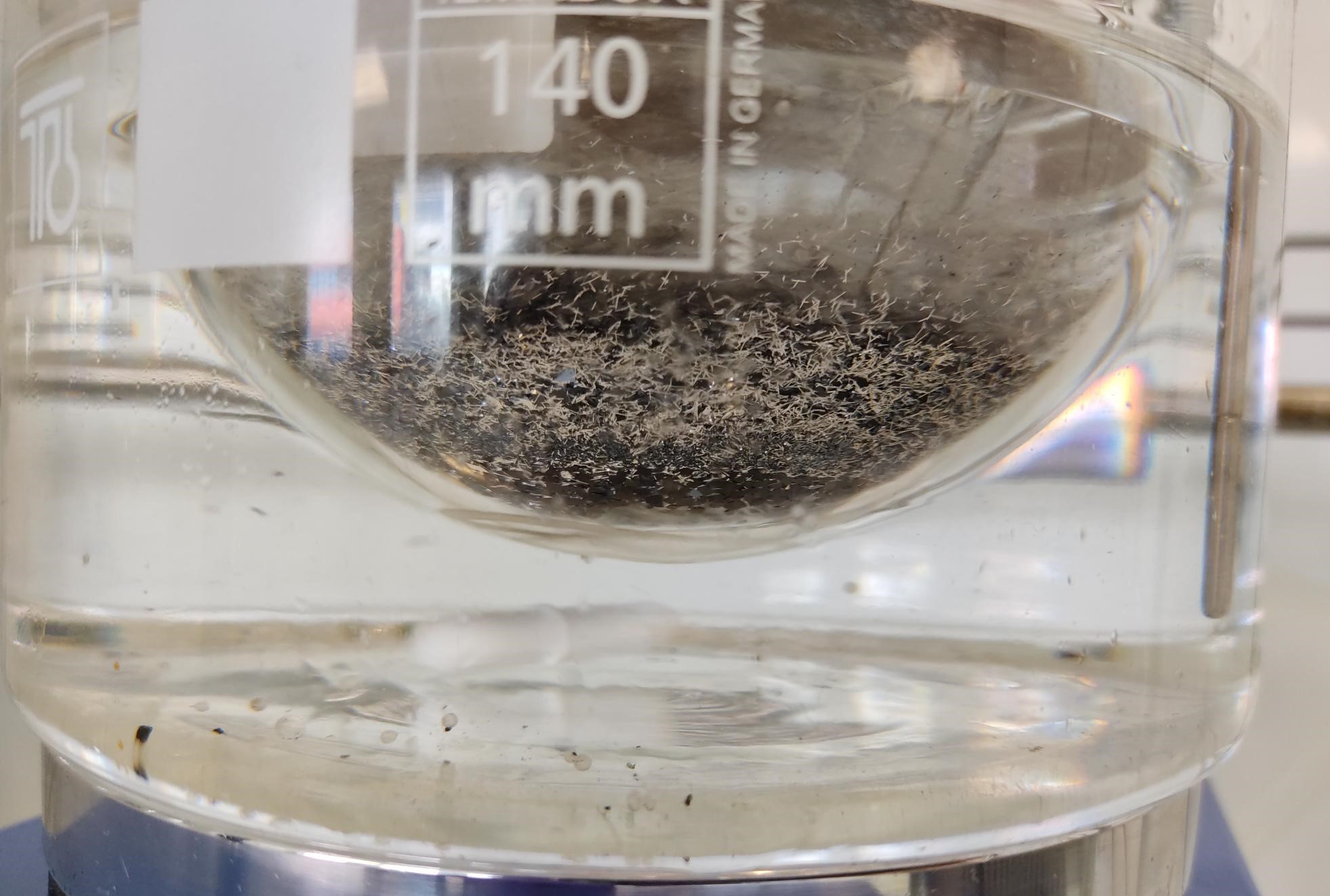
“Indium is a key material in HJT solar cells, where it is used in the transparent conductive oxide layer. Its recycling is essential for sustainable manufacturing and future waste management,” corresponding author Romain Duwald told pv magazine. “In our work, indium is directly recovered from solar cells through acid leaching under mild conditions. The indium tin oxide (ITO) layer is leached using diluted oxalic acid, which is less hazardous than conventional mineral acids. The indium is recovered at 4N purity in a single chemical step. The process also enables the separation of silver from the wafer, paving the way for the recovery of this other valuable metal.”