Renewable energy sources can cut harmful emissions, reduce reliance on fossil fuels, and improve efficiency. However, many clean energy technologies remain expensive because they depend on costly materials such as platinum group metals (PGM) and require efficient ways to store energy for later use.
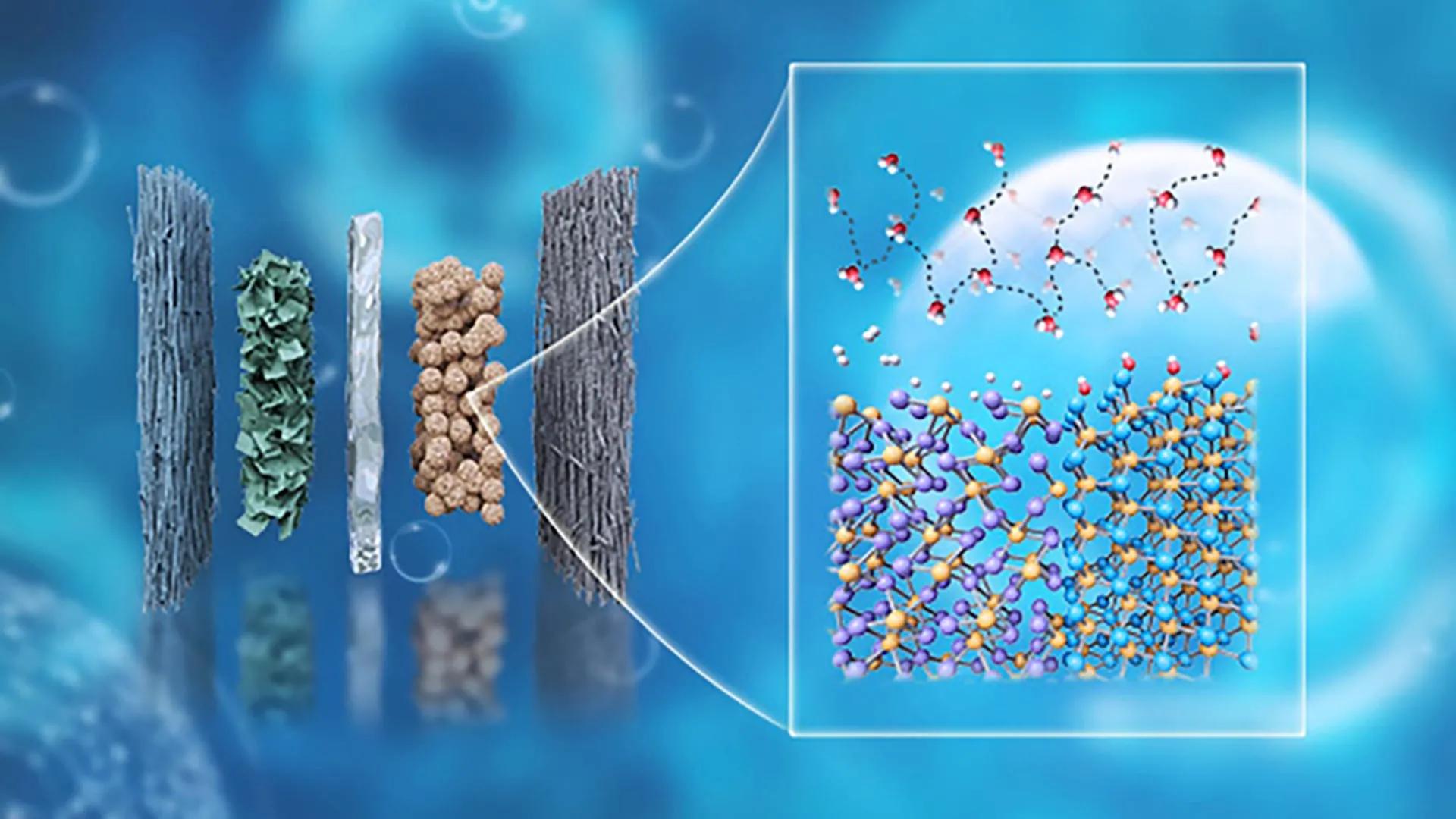
Researchers at Washington University in St. Louis are working on a possible solution. A team led by Gang Wu, professor of energy, environmental & chemical engineering in the McKelvey School of Engineering, has developed a new catalyst designed for an anion-exchange membrane water electrolyzer (AEMWE). This technology uses electricity from renewable sources to split water into hydrogen and oxygen, producing clean hydrogen fuel in the process.
New Platinum-Free Hydrogen Catalyst
Wu's group focused on replacing expensive platinum-based materials commonly used in hydrogen production systems. Their approach uses renewable electricity generated from sunlight, wind, or water to power the separation of hydrogen from water molecules.
"Going from water to hydrogen is a very desirable way we are able to store energy for different applications," Wu said. "Hydrogen itself can be used as an energy carrier and is useful for different chemical industries and manufacturing."