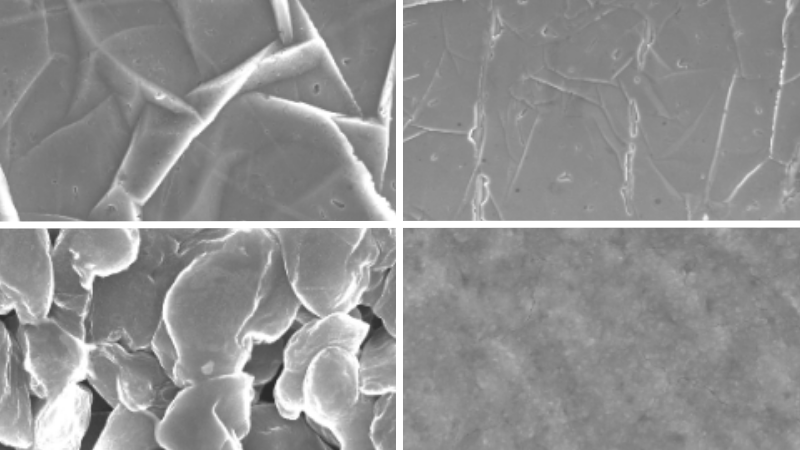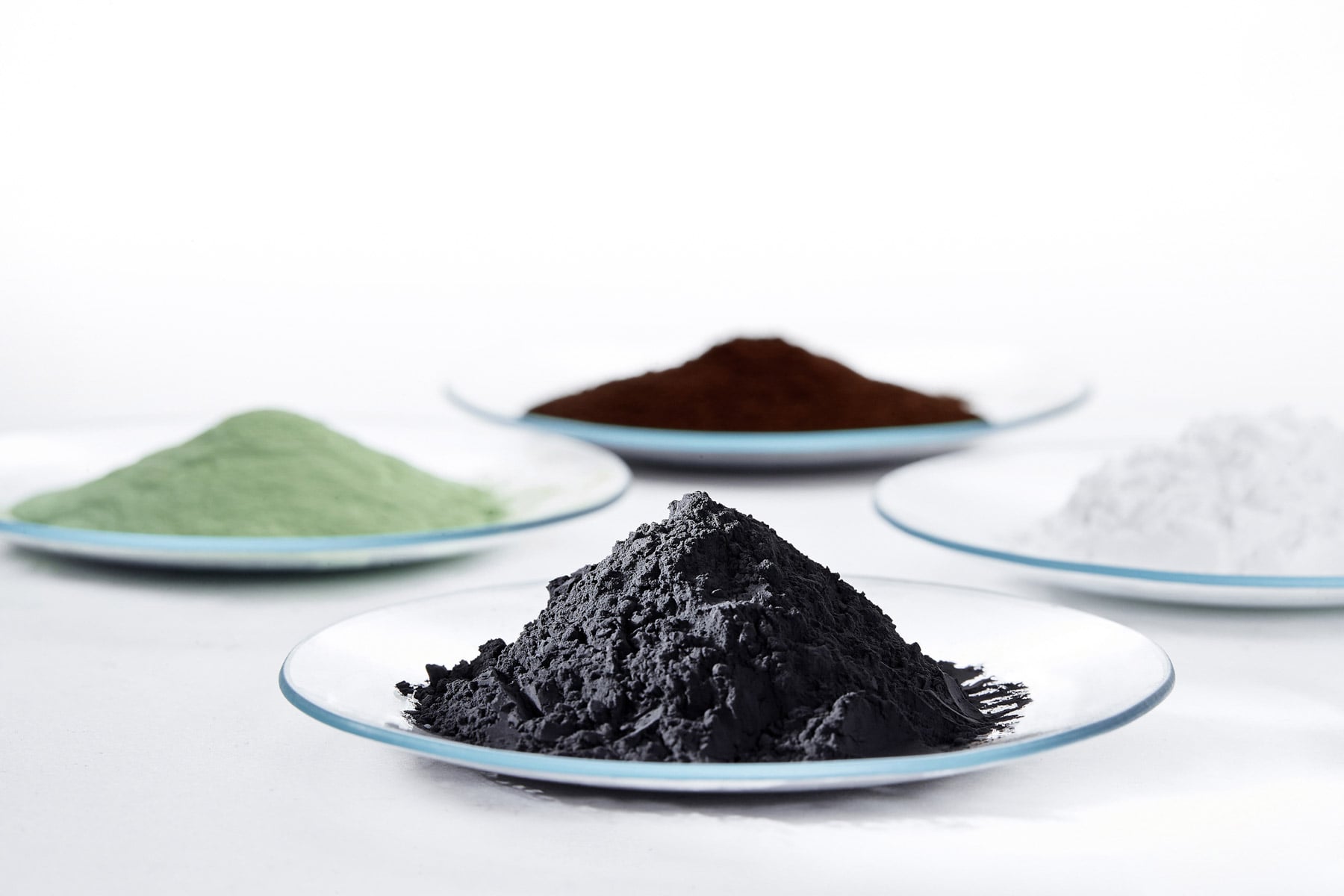
The researchers focused on cobalt-free cathodes with a nickel-rich core and a manganese-rich coating. These materials are considered a promising approach to increasing the range of electric vehicles while reducing dependence on the critical raw material cobalt. However, the team found that simply storing the precursor materials in air can trigger chemical changes that accelerate battery ageing.
According to the study, storing precursor materials in air causes manganese on the particle surface to oxidise. This oxidation creates defective surface regions containing so-called Jahn-Teller-distorted manganese species. These species react particularly strongly with the electrolyte, promote the dissolution of transition metals and trigger harmful reactions at the graphite anode. In the nickel-rich battery systems examined, the researchers found that this effect nearly doubled capacity loss during long-term cycling tests.
“We found that a manganese-rich shell, which is normally introduced to protect high-nickel cathodes, can instead become a catalyst for degradation if the precursor chemistry is not carefully controlled,” explained Prof. Bang, “Even small variations in precursor storage history can substantially affect battery stability.”