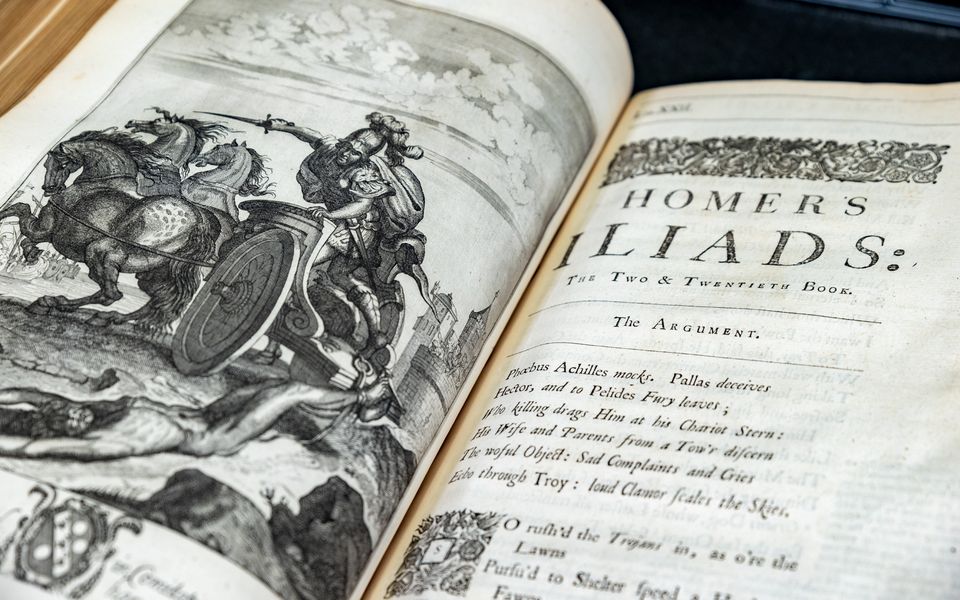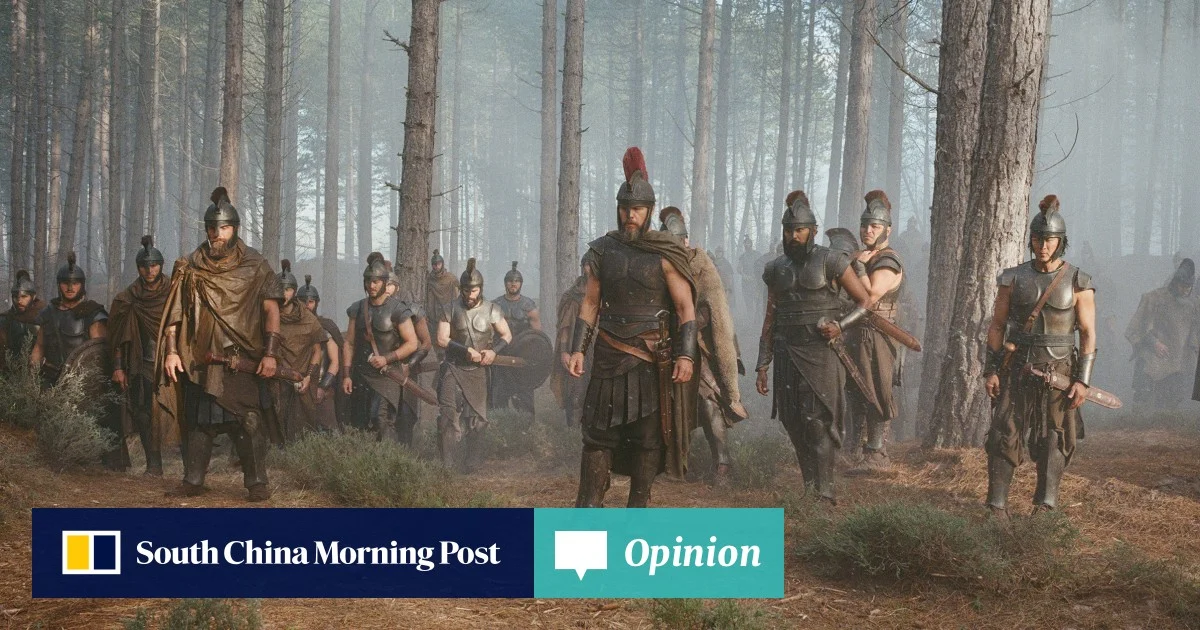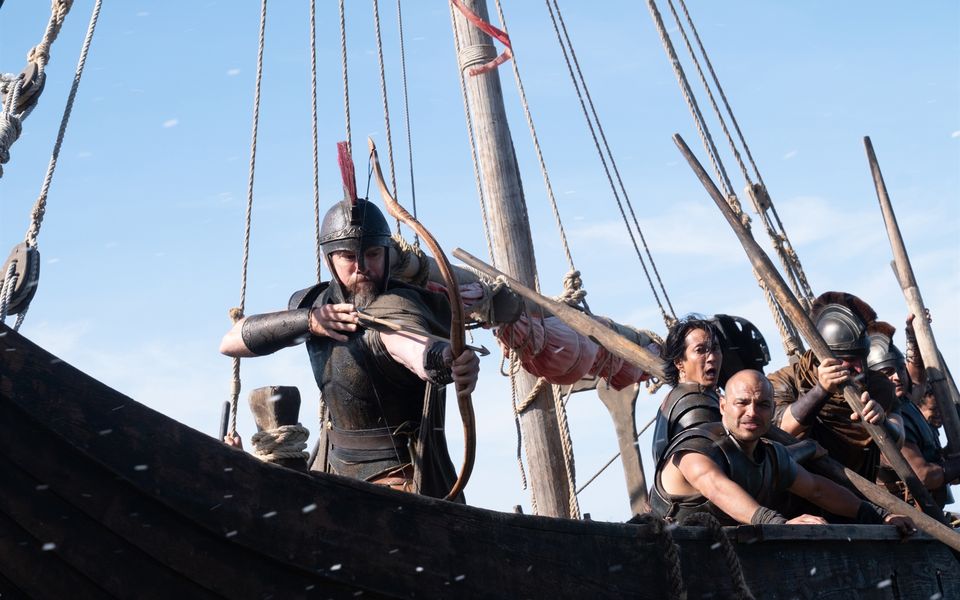
Martin Winkler, professor of classics at George Mason University, believes, like others before him, that Homer was “the greatest screenwriter of all time.” That is because the Homeric epics are characterized by clarity – with the listener or reader mentally seeing the story unfolding before them – and by an almost cinematic expressiveness: The detailed description of Achilles’ shield in the “Iliad,” with all the smaller narratives it includes, is characteristic.
Winkler also reminds Kathimerini that Soviet director and screenwriter Sergei Eisenstein saw cinematic elements even in the architecture and sculpture of the ancients, writing that “the Acropolis of Athens has an equal right to be called the perfect example of one of the most ancient films.” Winkler, who specializes in the depiction of antiquity on the small and big screen, argues that even Italian filmmaker Sergio Leone considered Homer the starting point of everything.
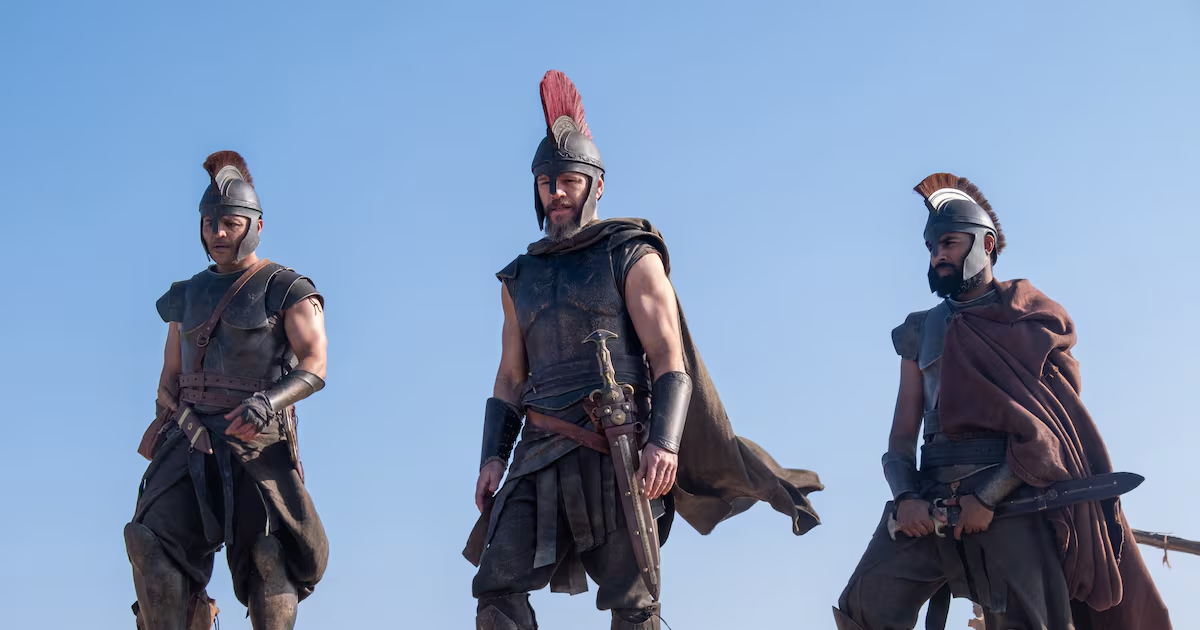
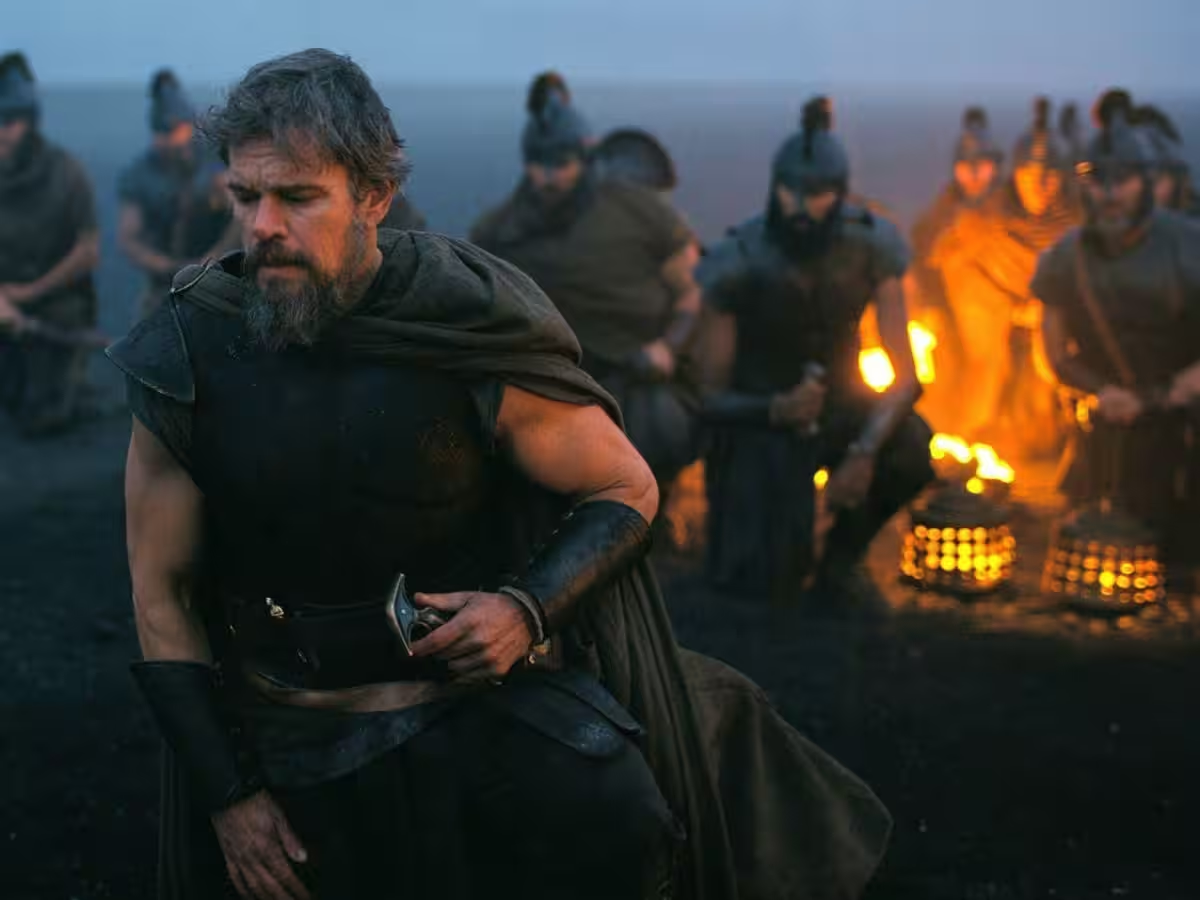
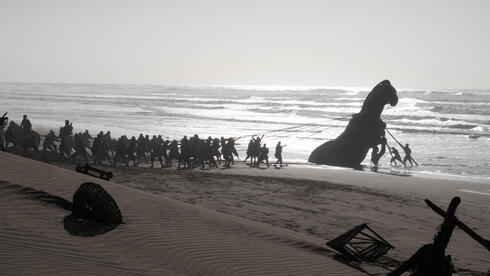
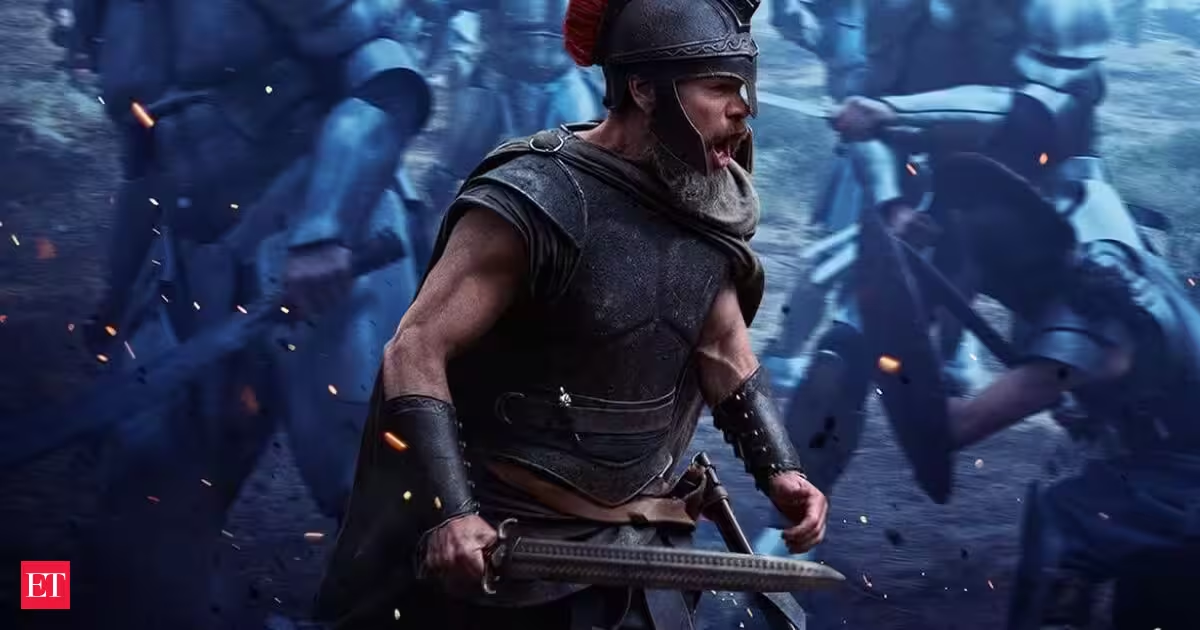
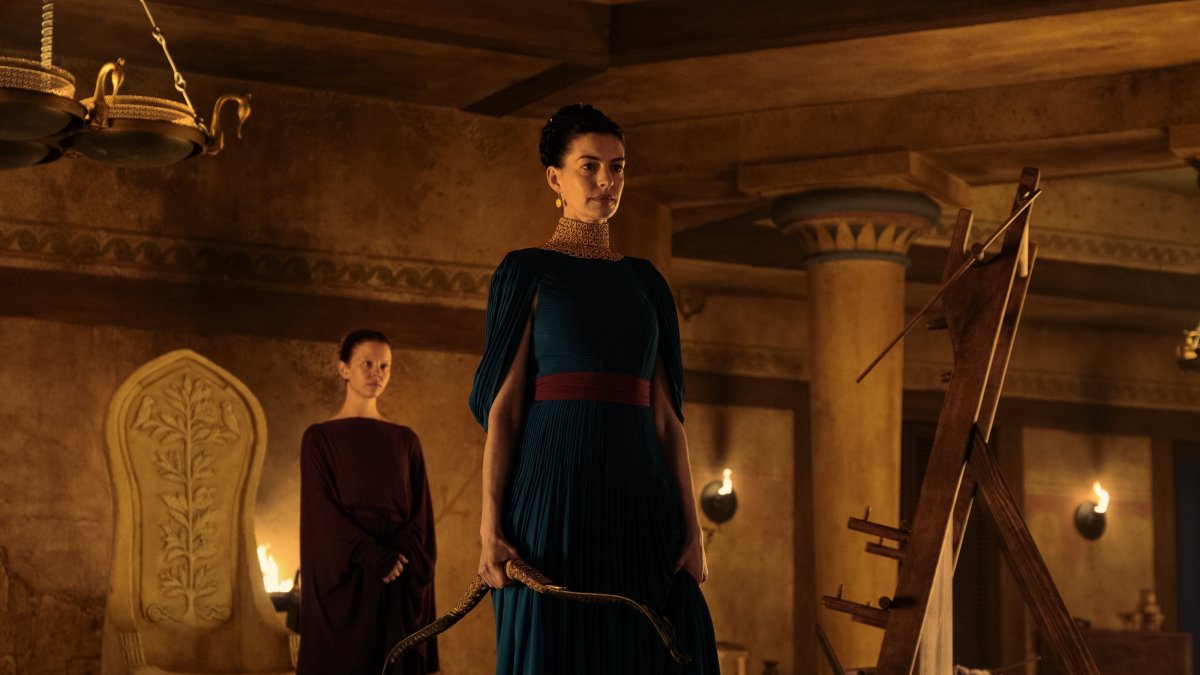
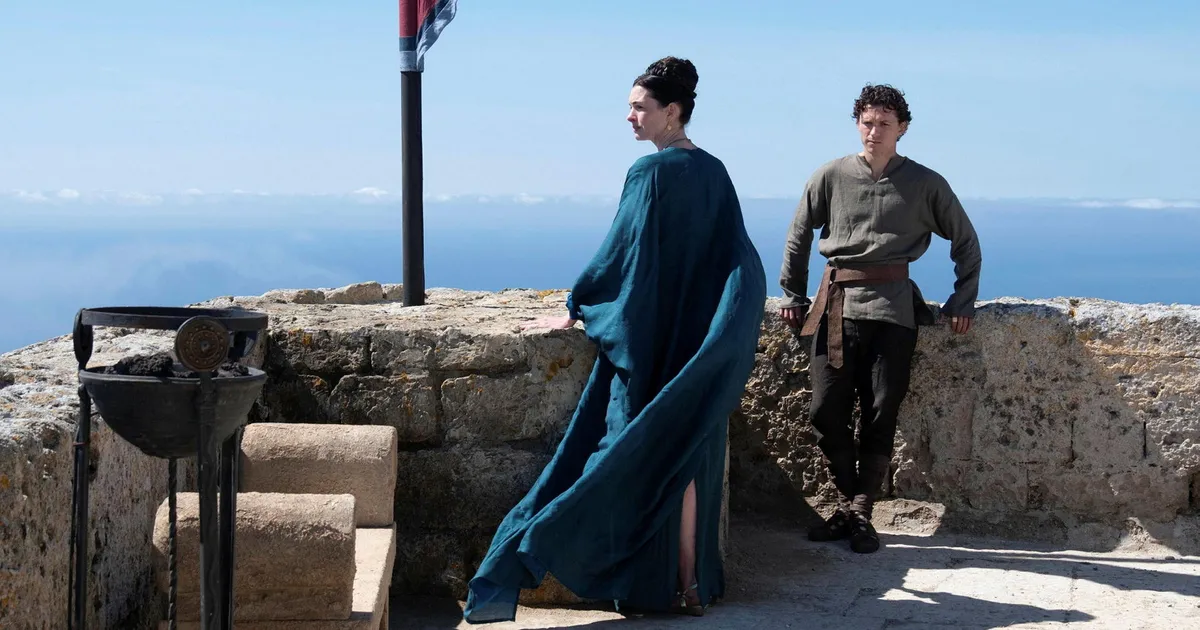
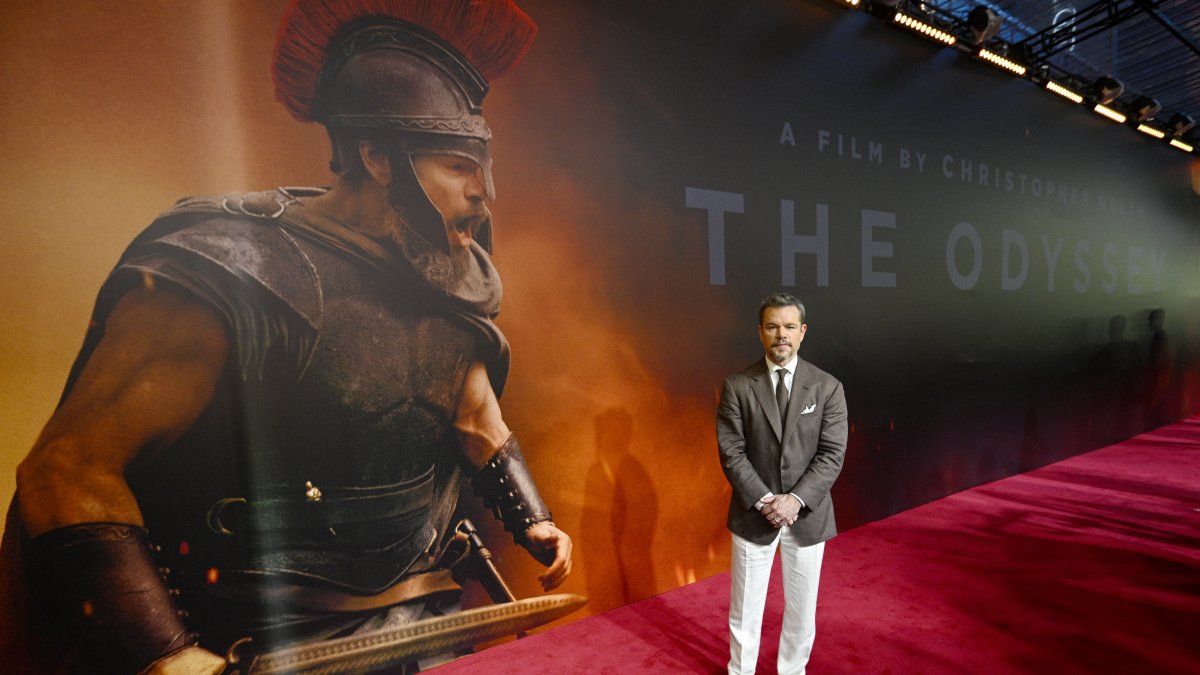
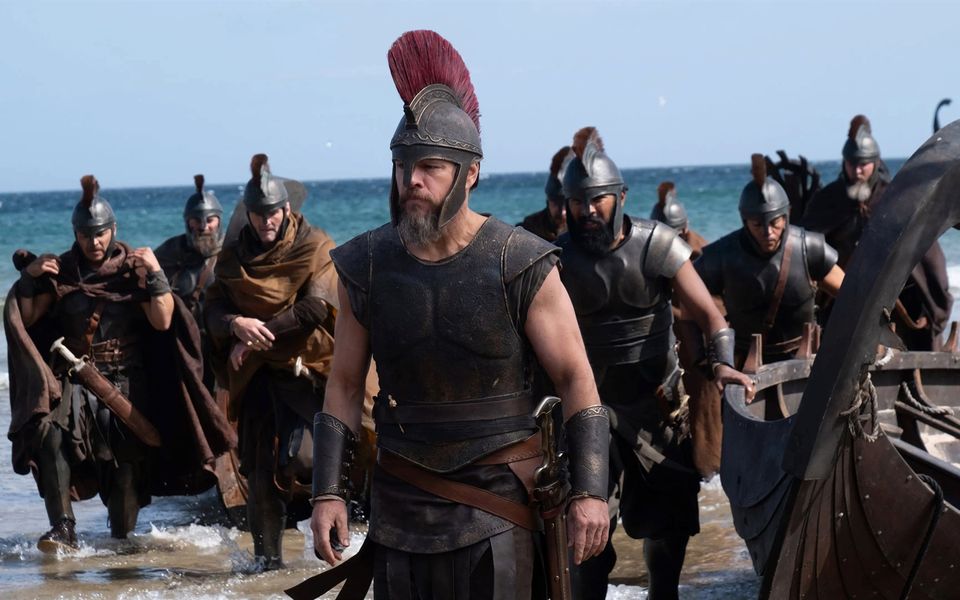
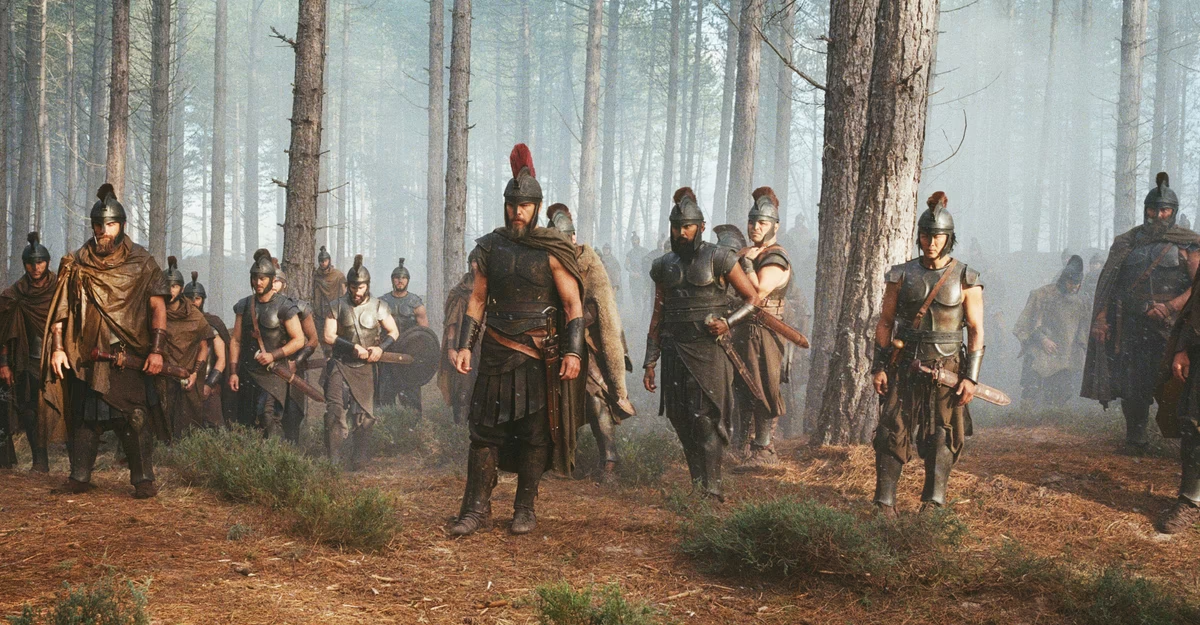
Kathimerini asked Winkler a few questions on the occasion of Christopher Nolan’s cinematic adaptation of “The Odyssey.”
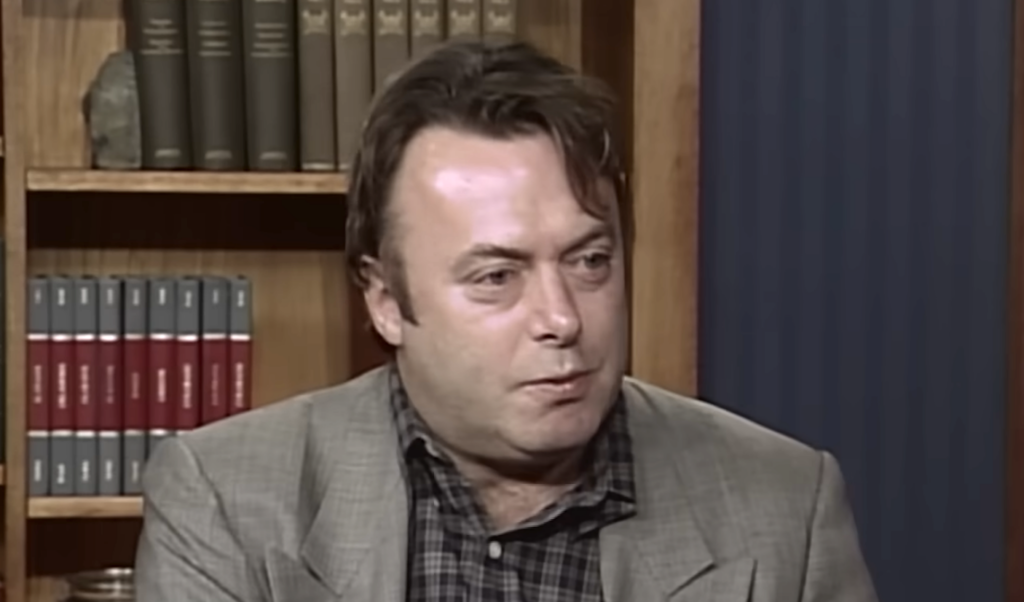
Martin Winkler, a professor at George Mason University in Virginia, studies the depiction of antiquity in film and television.
You have supported the argument that “Homer was the best screenwriter ever” in the Western narrative tradition. Can you elaborate? What is it about his epics in particular that still feels so cinematic after nearly 3,000 years?