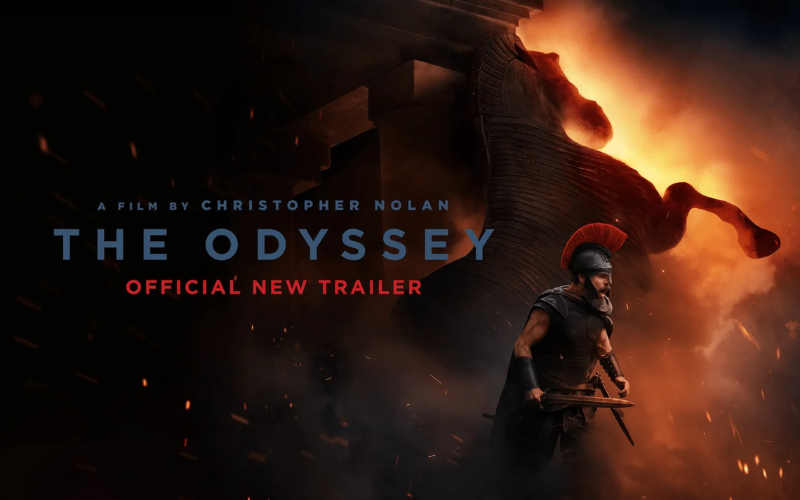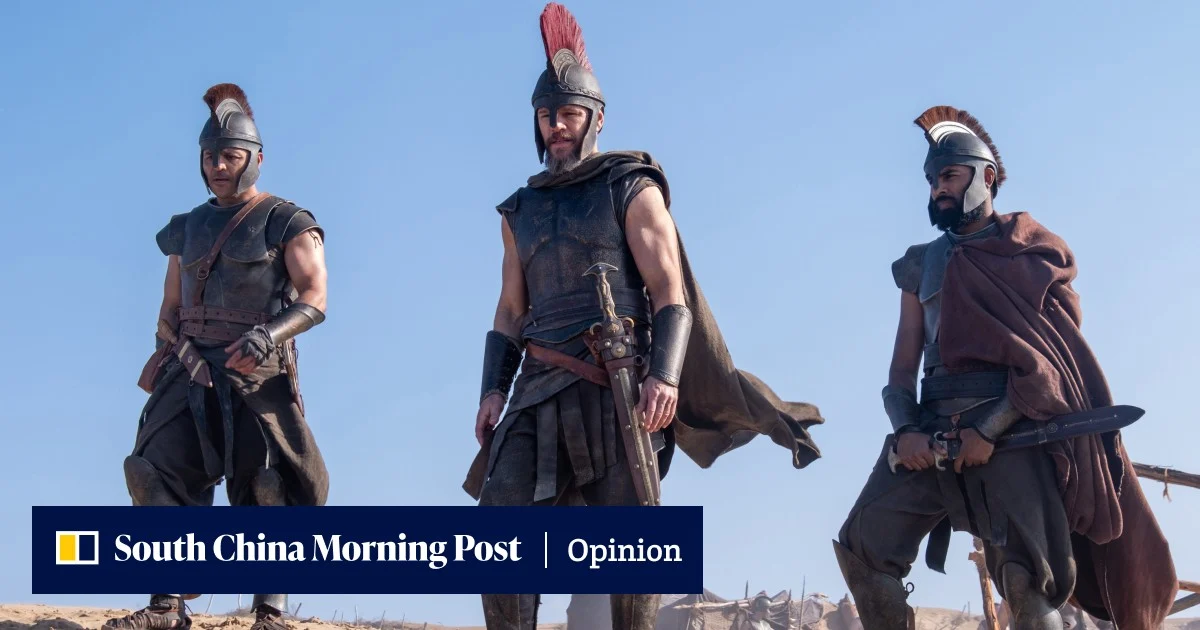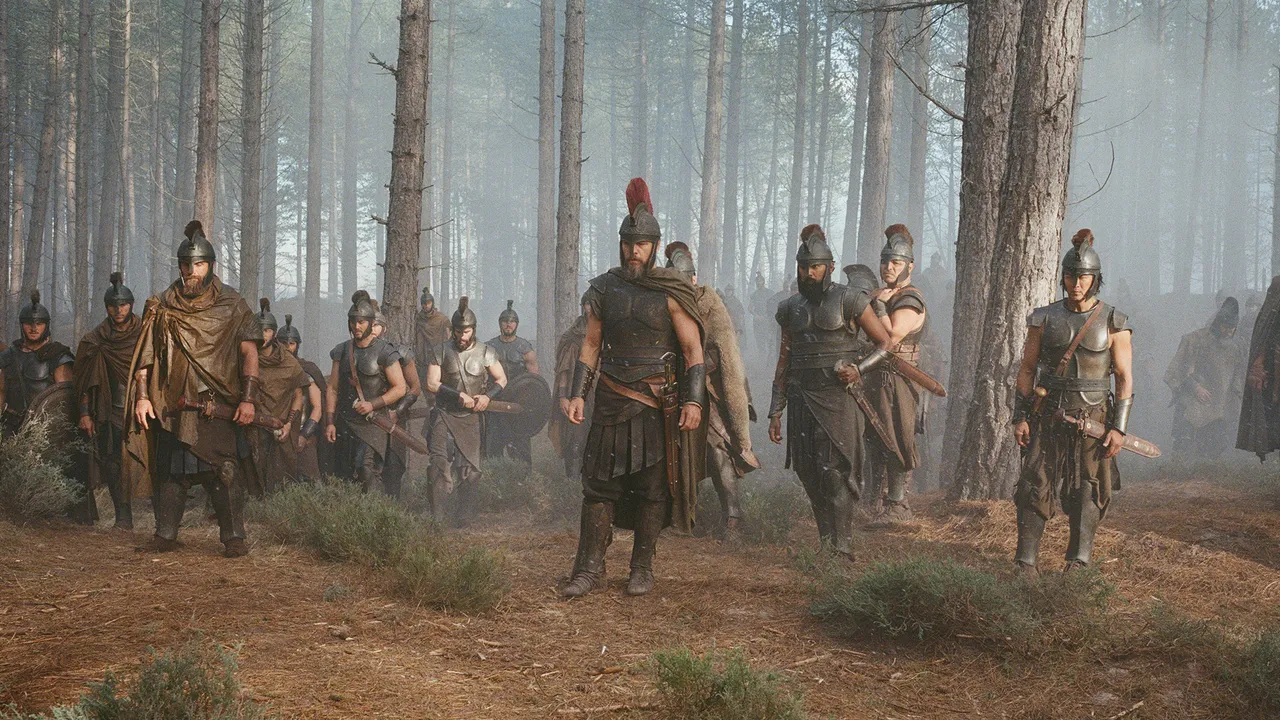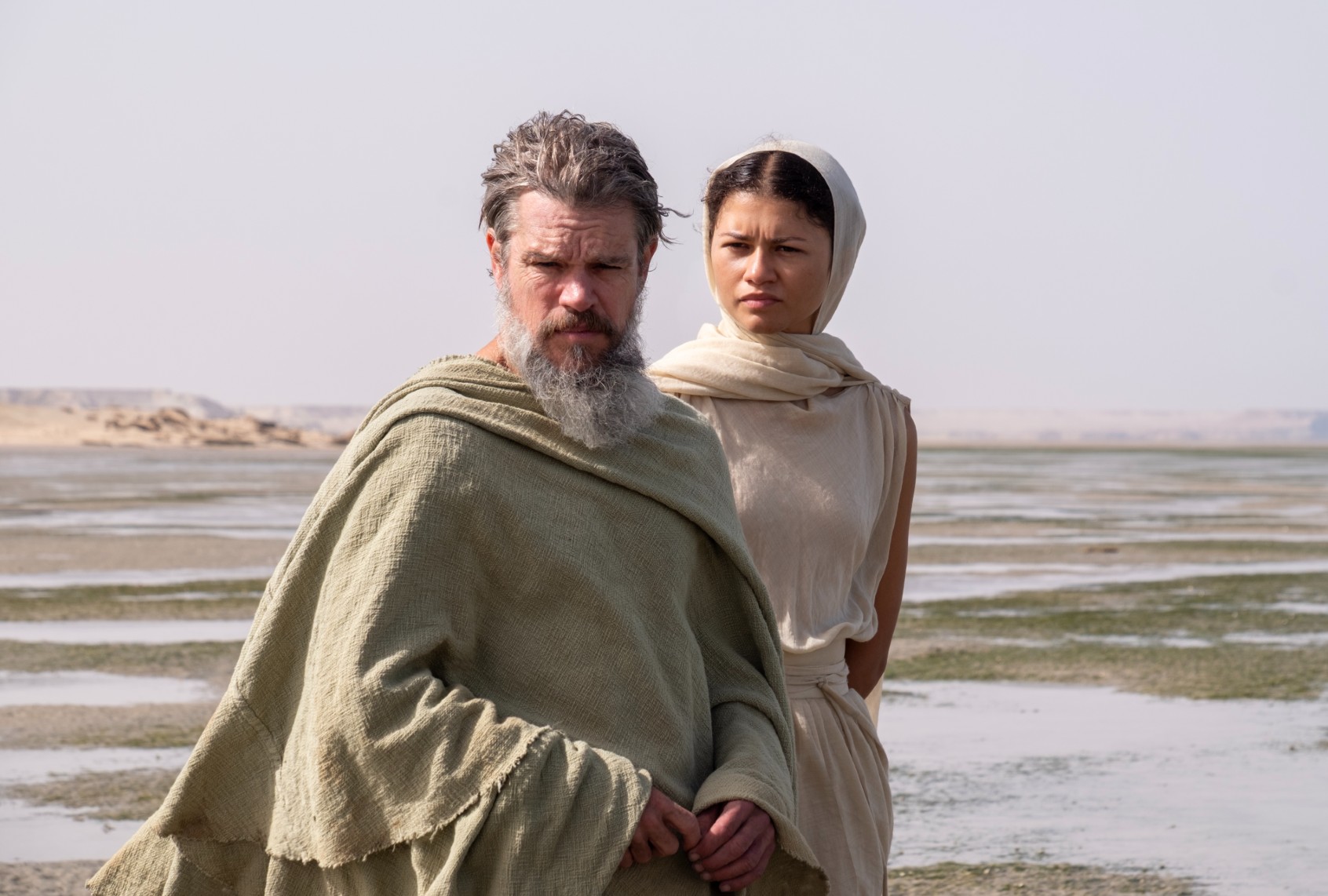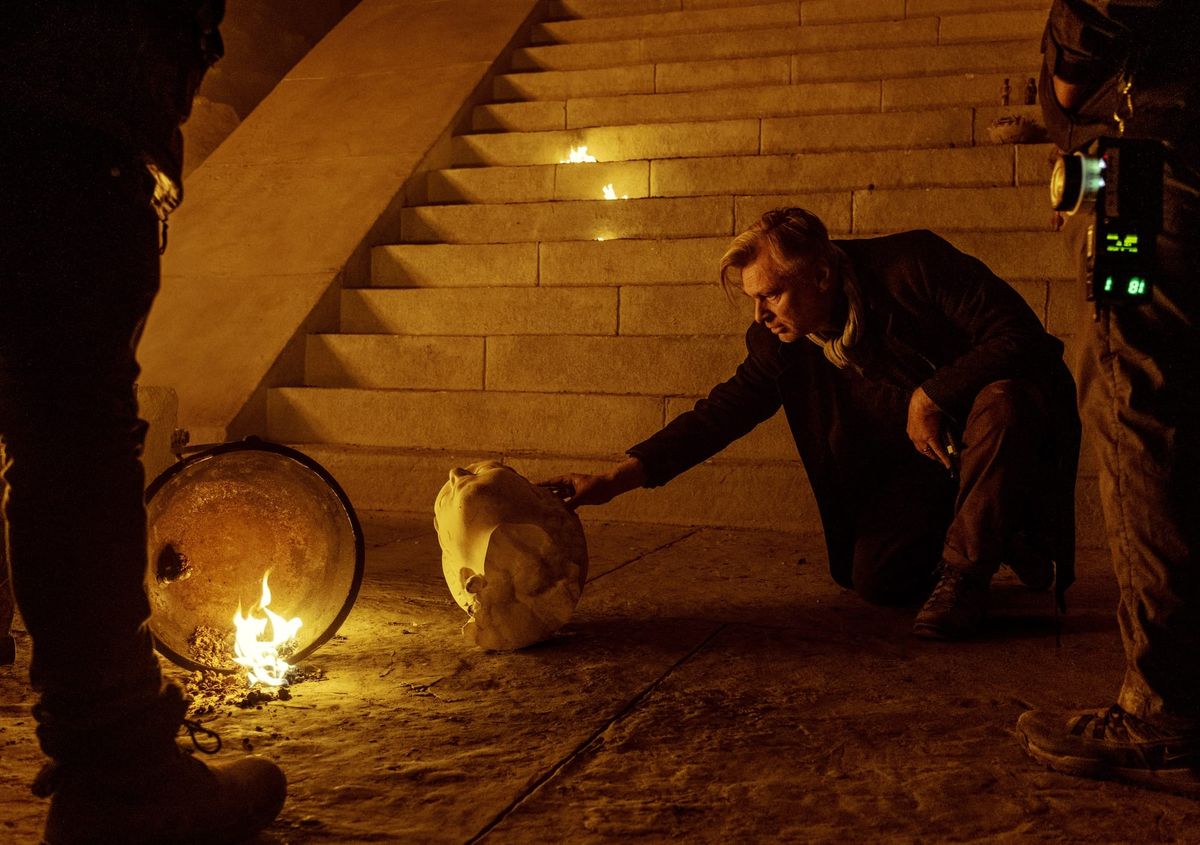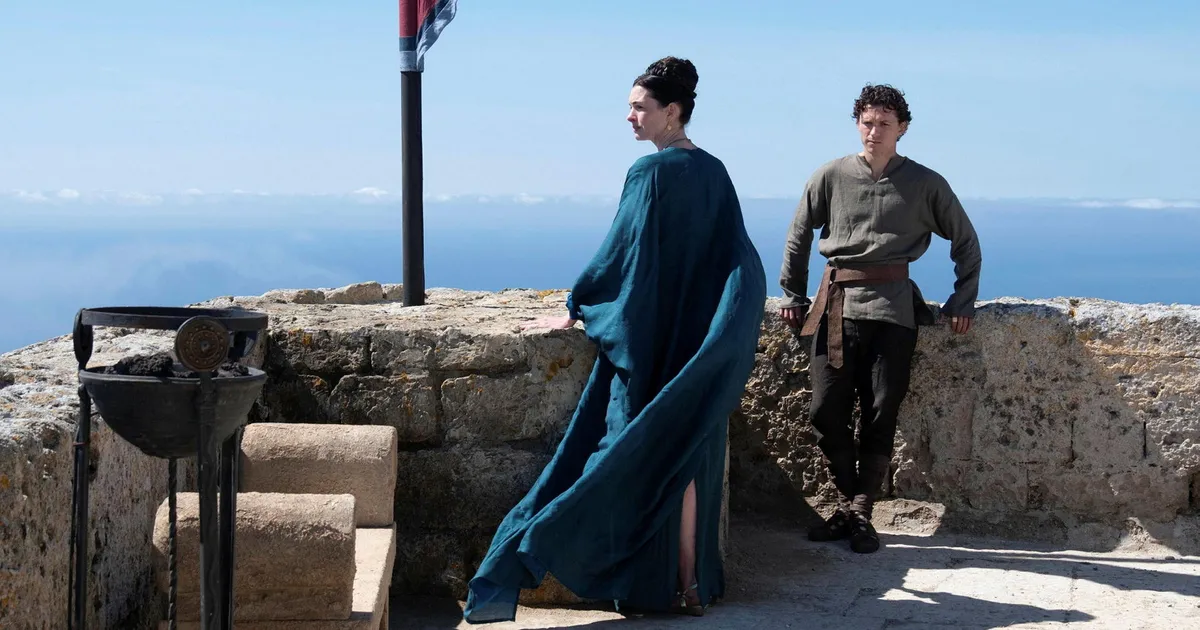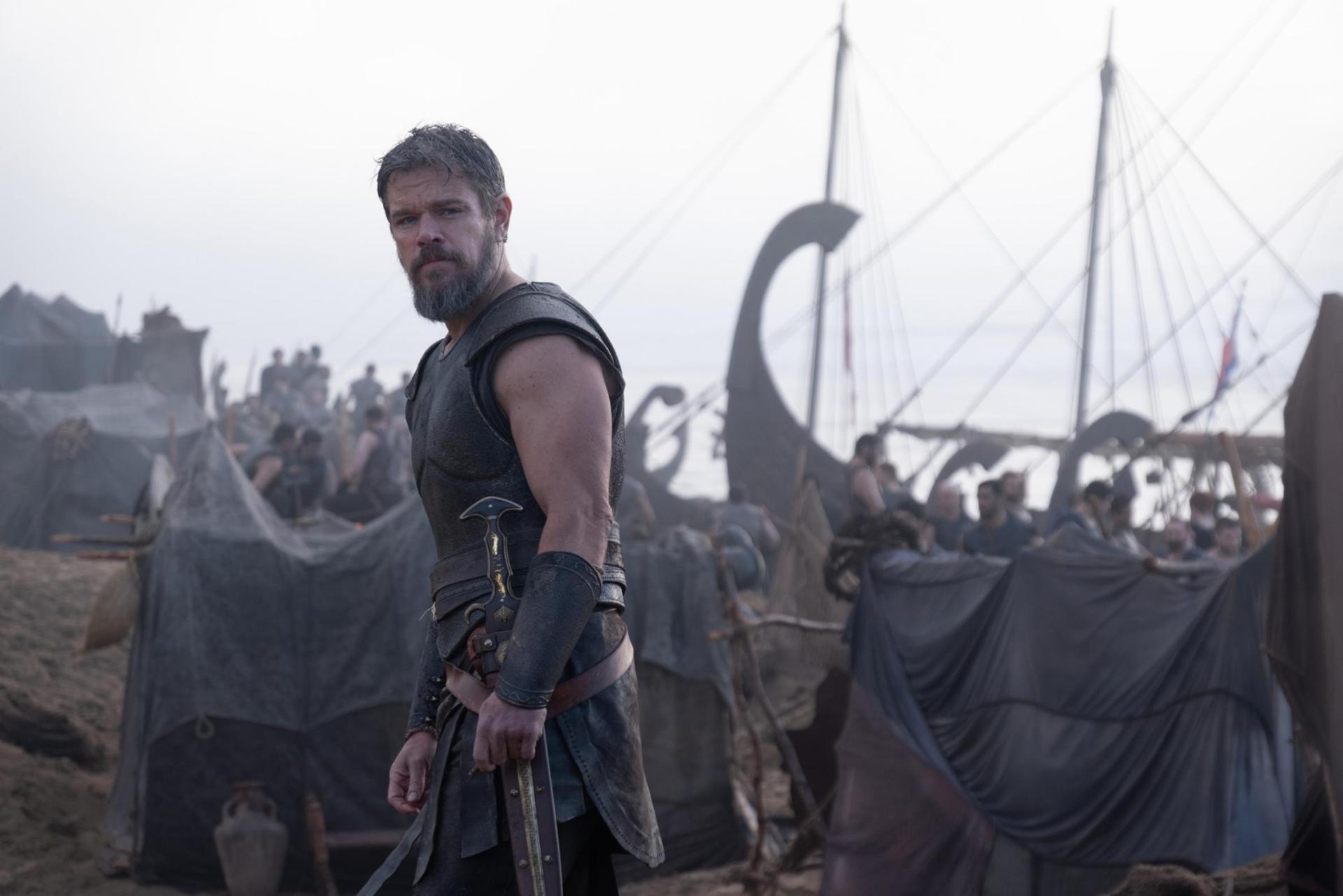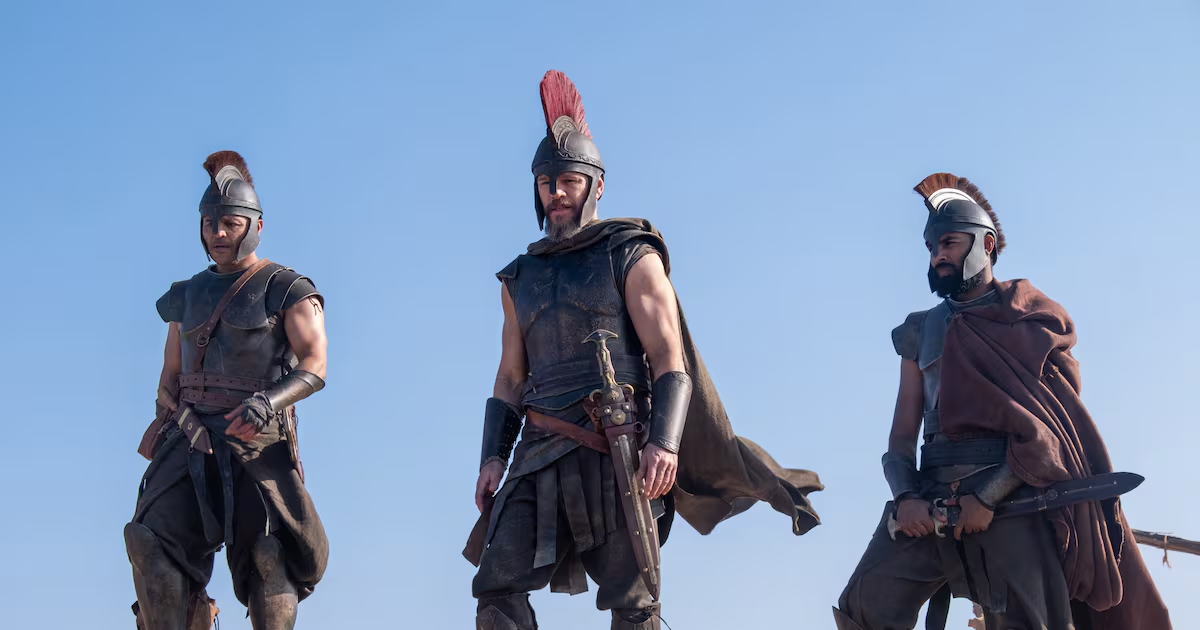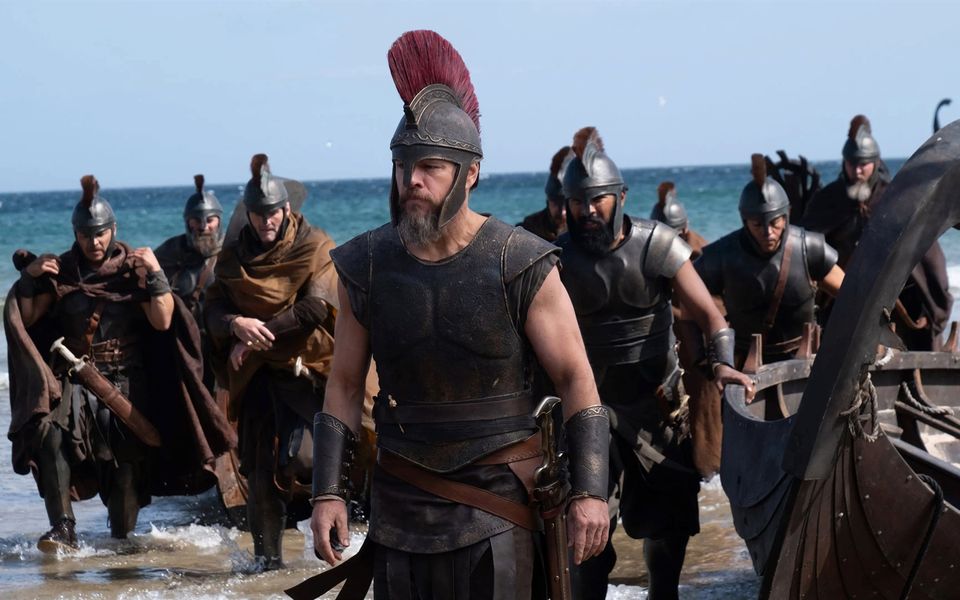
As a cinematic achievement, the film is visually impressive. However, I believe that the director missed a unique opportunity to create an “Odyssey” worthy of Homer’s epic, whose narrative and meaning have been altered by at least 85%. Christopher Nolan’s Odysseus is not Homer’s Odysseus; rather, he is a diminished version of the Homeric hero.
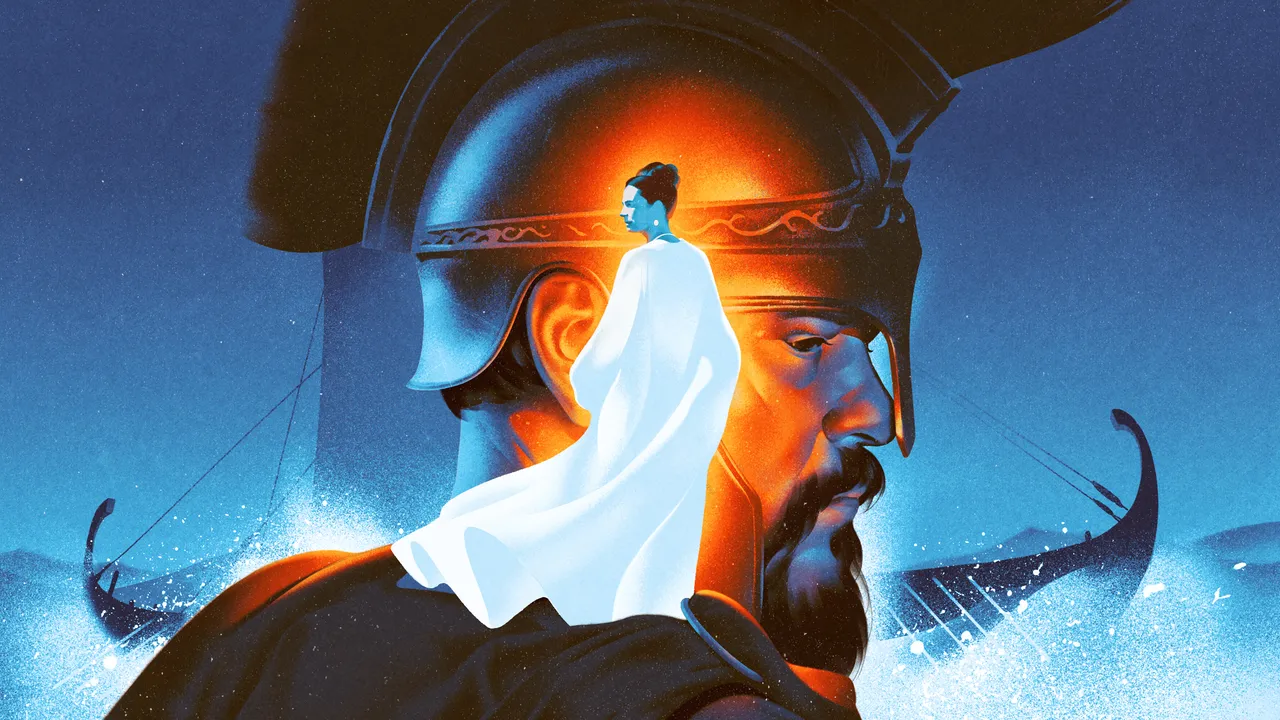
Homer’s Odysseus is the archetype of the human being. Throughout the epic, he possesses complete awareness of his identity; he never forgets who he is or where he is going. He is free and autonomous, and he never kneels before anyone. He embodies the exceptional capabilities of humanity: limitless intelligence, resilience in struggle, and extraordinary adaptability. He is a leader endowed with social and political virtue, exercising autonomy and responsibility in his decisions.
As a human being, he expresses the full range of emotions – sorrow, at times despair, but also playfulness and arrogance. When confronted with despair, he nevertheless chooses life and struggle. In Odysseus, human life itself is presented as the highest condition of existence, since he rejects immortality and deliberately embraces mortality, thereby affirming humanity. Homer’s Odysseus does not regret the life he has lived, nor does he express guilt over it. He consistently follows the moral code of the Greek world, both in war and in peace.