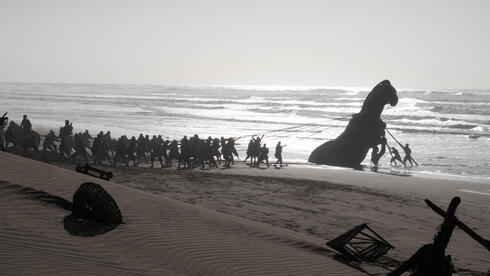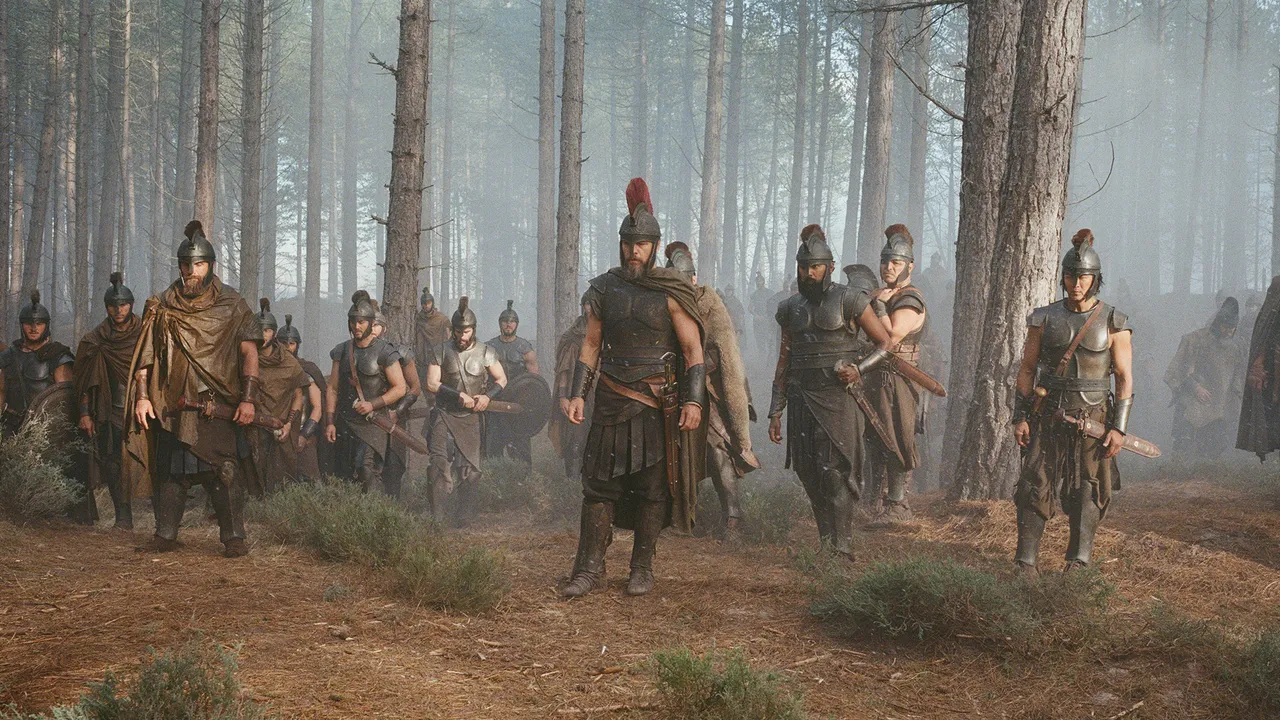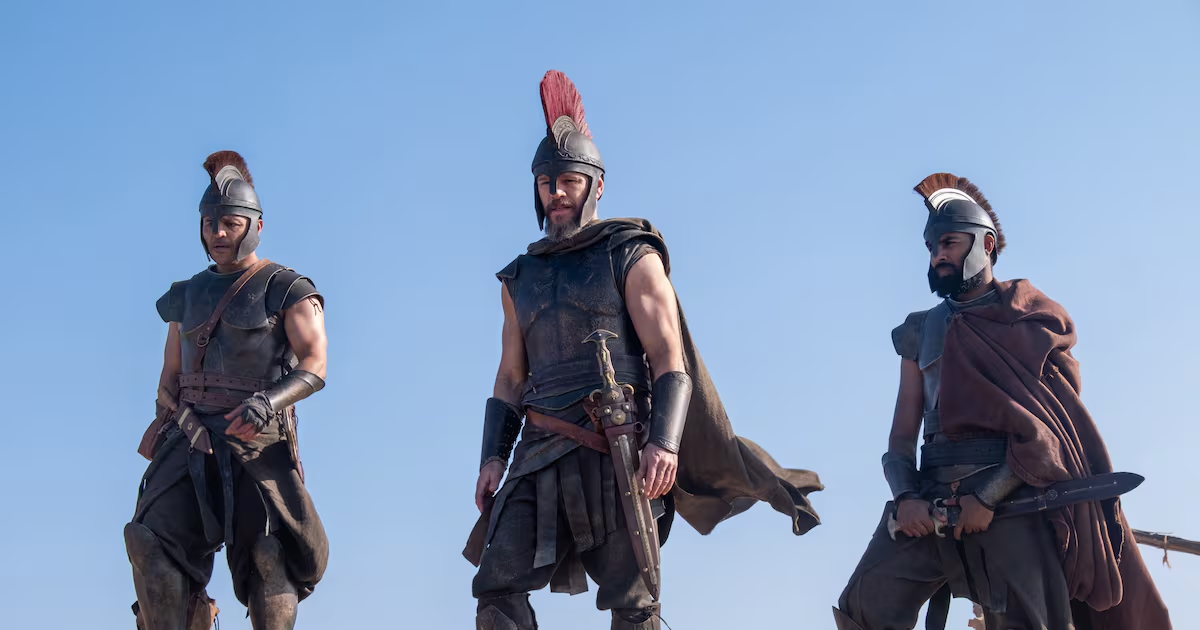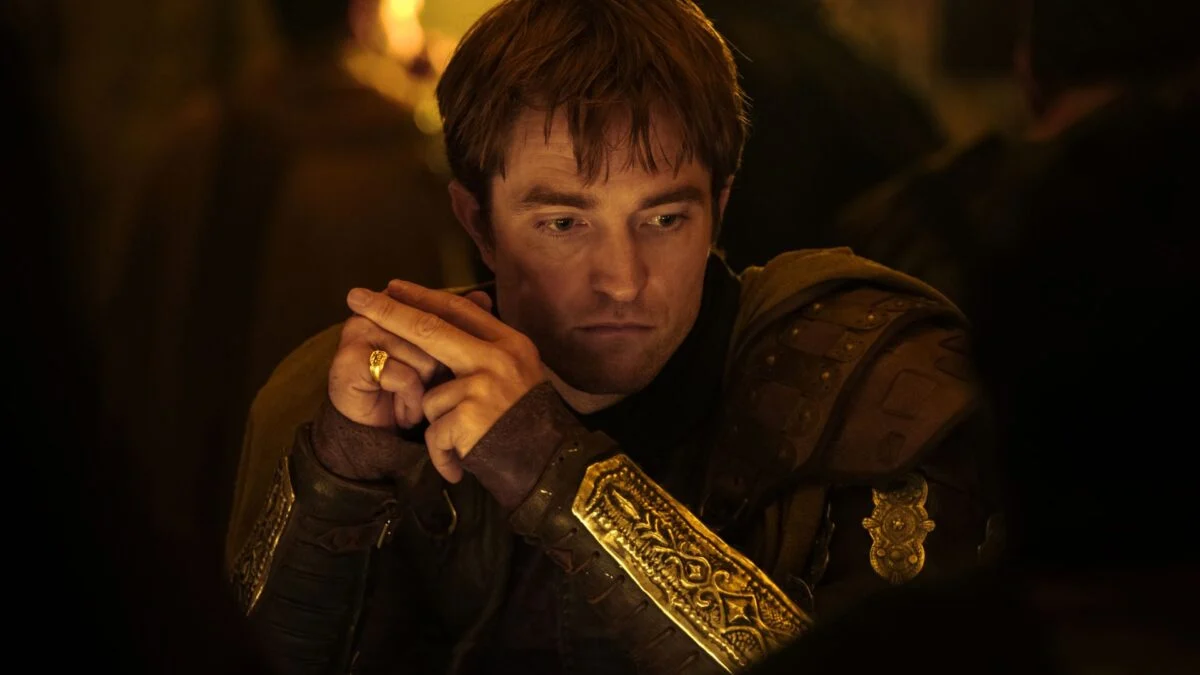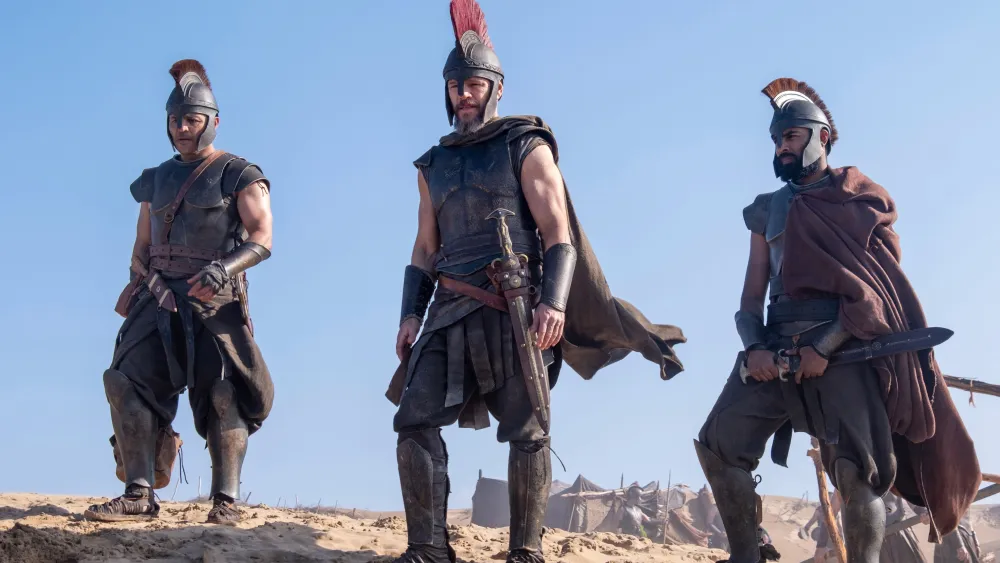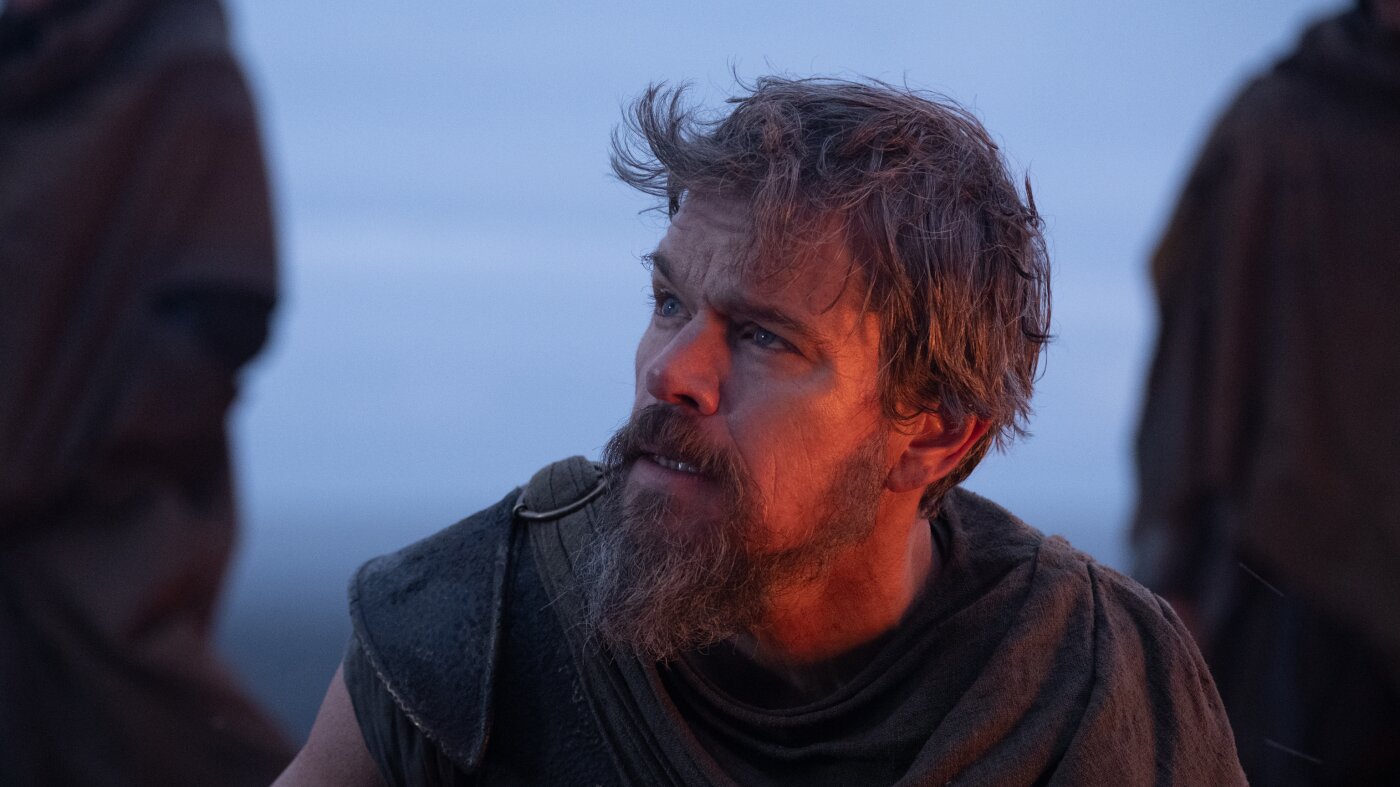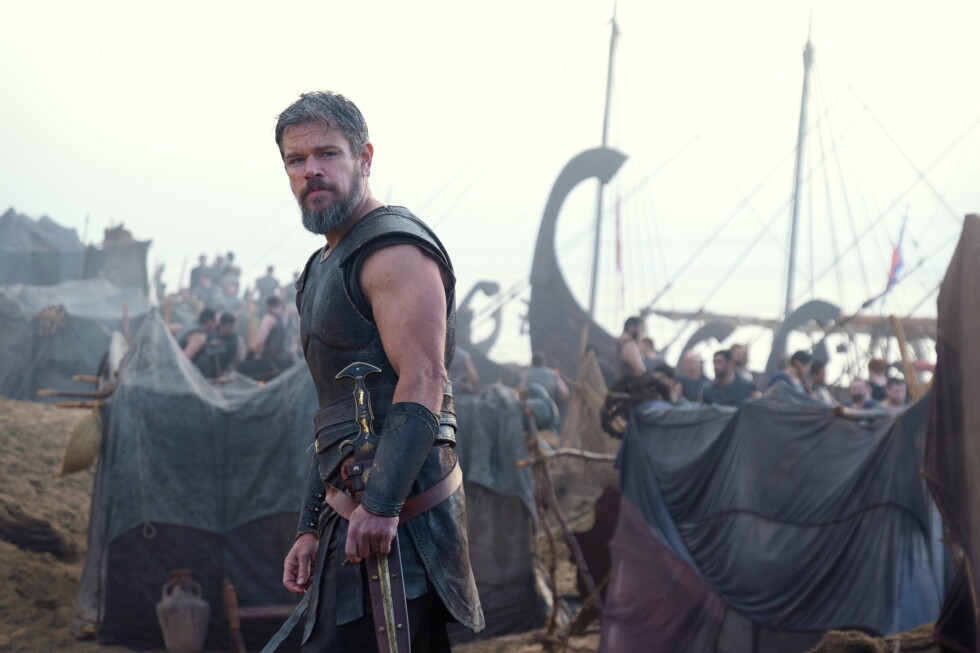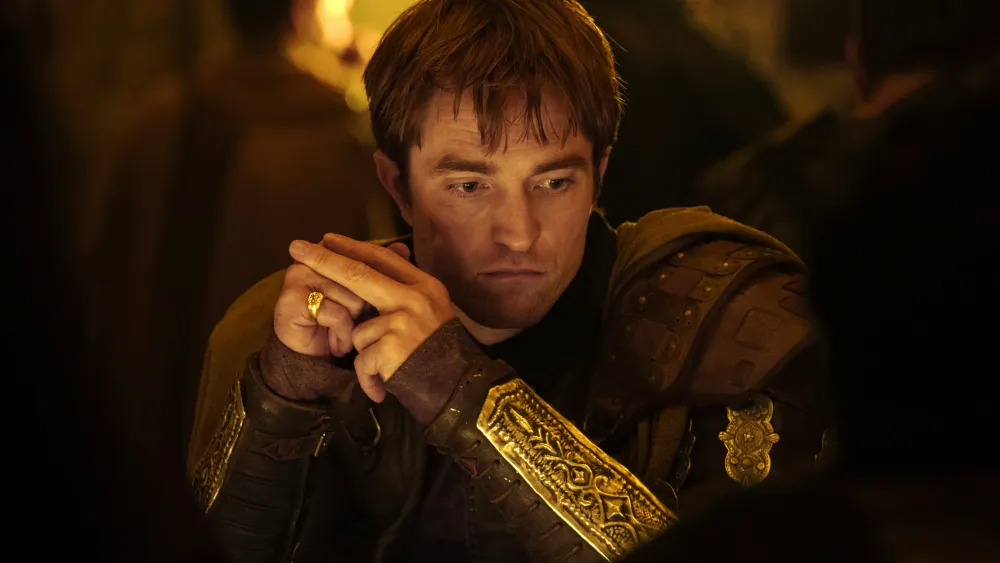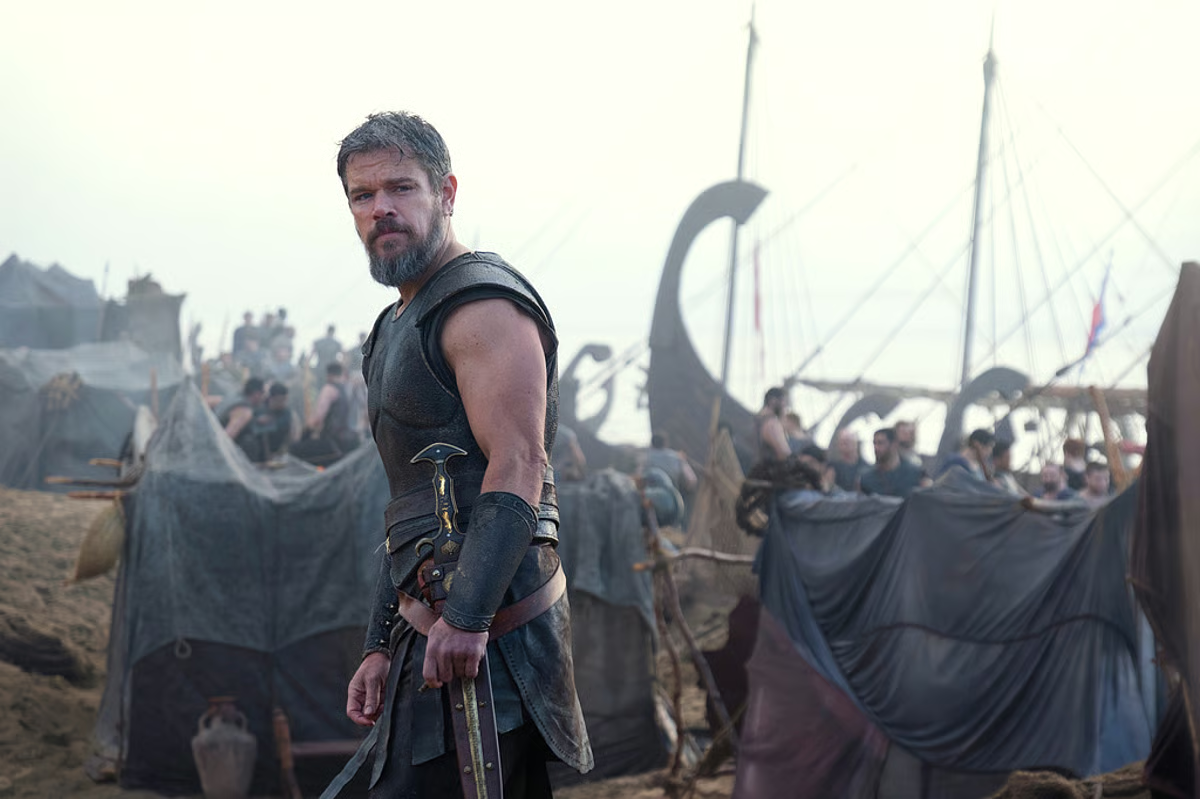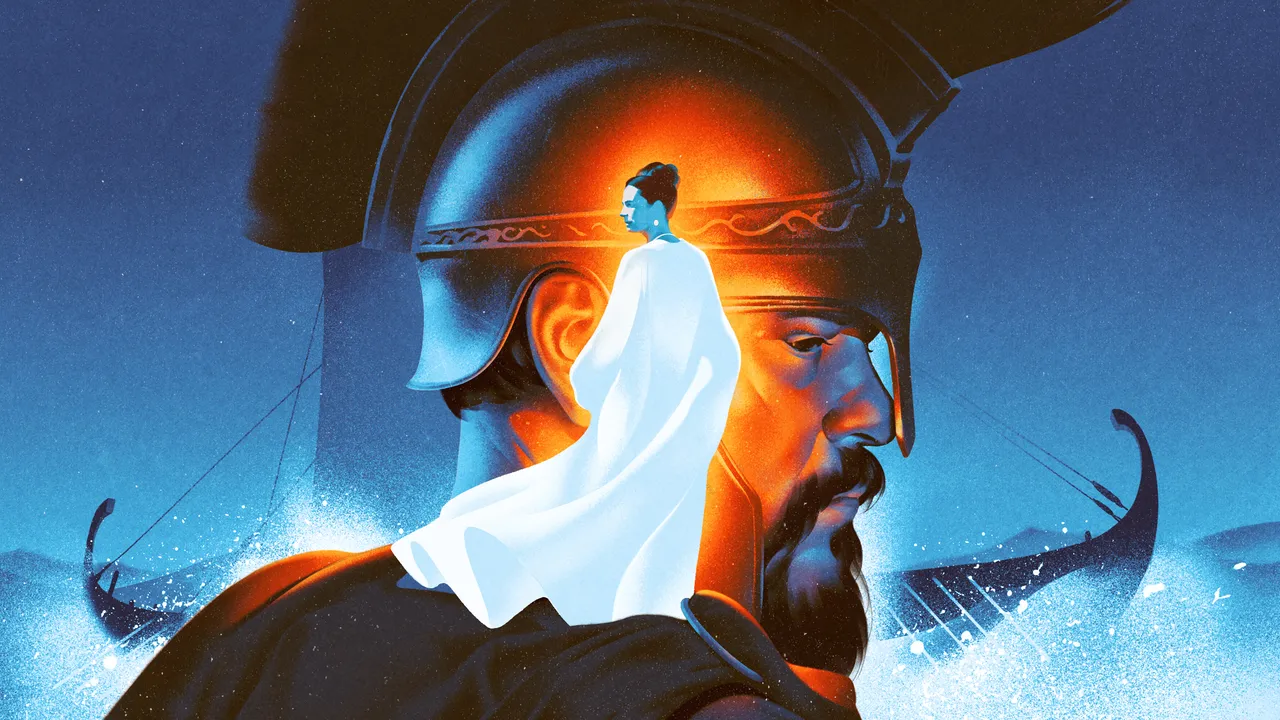
It is probably viewers who haven’t read Homer who are likeliest to enjoy “The Odyssey,” Christopher Nolan’s new adaptation. This is not for the obvious reason that much is left out—putting any extended literary work onscreen inevitably involves omission and compression—but because of a more pervasive absence: the gods. In the poem, the first scene is of a council in Zeus’ palace, on Mt. Olympus, at which the gods argue over Odysseus’ fate. In Nolan’s film, people refer to the gods, but there are no divine debates on Olympus, and, indeed, the only member of the classical Greek pantheon who actually appears is Athena (Zendaya), watching over the action intermittently.Instead, Nolan unfolds a purely human drama. As the film opens, Odysseus (Matt Damon), a leader of Greek forces in the Trojan War, has been away from his homeland of Ithaca for roughly twenty years—at war for ten, wandering since. While he has been delayed by a series of encounters and obstacles ranging from Calypso’s enticements to the man-eating Cyclops’s rage, his wife, Penelope (Anne Hathaway), has been fending off the attentions of scores of Ithacan noblemen, who are demanding that she marry one of them and are living lavishly on the royal household’s store of food and wine as they wait. Her son, Telemachus (Tom Holland), an infant when his father set off for war, is now a young man intent on driving out the suitors—a primordial coming-of-age plot. And, when Odysseus finds his way home, father and son join forces to battle the usurpers.Told in this way, with divine intervention at a minimum, the story remains an exciting adventure filled with passion, terror, tenderness, and wonder, but it lacks the particular thrill that comes with reading Homer, a sense of the gulf that separates modern minds from Bronze Age ones. Homer depicts a strange and troubling world, in which human existence is continuously subject to the deliberations and whims of deities who have motives of their own. By suppressing this continuity between the natural and the supernatural realms, Nolan omits much of what makes the Homeric age so different, including the ambience of the divine and the distinctive moral realm that goes with it.I had wondered how Nolan would handle some of the other archaic aspects of the story, such as its violence and its ritualism: sacrificial ceremonies with animals gushing blood; the supernatural fury of a monster consuming men who scream in agony as they’re eaten; the chopping off of hands and genitals; the reliance on torture; the deep satisfaction taken in cruel vengeance. How would Nolan deal with the extravagant expressivity of the Homeric world—as when people rend their clothing in anguish or when Odysseus (in Emily Wilson’s 2017 translation of the poem) is “sobbing and rolling round in grief”? Or with the realm of picturesque fantasy, as when Athena, with Telemachus in Book I, “flew away like a bird, up through the smoke,” thus revealing her divinity? But, rather than try to take the audience inside the ancient Greek mind-set, Nolan chooses a slimmed-down, almost naturalistic approach, tamed and tempered. Violence is rendered largely generic with quick-cut battle scenes merely hinting at gruesome deaths; sacrifice, seen only briefly, is surgically clean; vengeance is bloodless and horror-free, meted out very sparingly; tears drop with maudlin precision down a single cheek; and grief is expressed with the stiff-upper-lip silence of modern martial valor.Nolan advances his vision, however crowd-pleasing and anachronistic, with vigorous confidence and unimpeachable clarity. The dialogue, terse and contemporary, puts his distinguished cast of actors in their comfort zone and turns ancient, iridescently complex figures crystalline and hard-edged. As Penelope, Hathaway has a laser gaze to match; she borrows a sublime gesture from classic Hollywood when, informing Telemachus that he’s not yet enough of a man for a big fight, she momentarily glances down mockingly from his eyes to his body. Menelaus, the king of Sparta, gets, from Jon Bernthal, an oddly apt New York white-ethnic outer-borough accent. As Helen, who is somewhat uneasily married to him and whose abduction led to the Trojan War, Lupita Nyong’o rises to a quiet pitch of fierceness when she laments being used as a justification for death and destruction. In the role of the enslaved swineherd Eumaeus, who is deeply devoted to Odysseus and fiercely protective of Telemachus, John Leguizamo exudes worldly wisdom and rough-hewn poise, an inner nobility contrasting with the venality of the lordly suitors. Samantha Morton’s bluff, country-tough performance as Circe almost sells the script’s revisionism, which transforms Homer’s enticing-voiced singer and dangerous seducer into a moralizing critic of manners, who says that she has turned Odysseus’ men into pigs because they ate like pigs.The actor whose performance is most closely bound to Nolan’s conception of the character is Matt Damon, as Odysseus. Homer’s character, notorious as a schemer, here comes off as plain and direct—a gruff, practical tactician, rather than something more energetically inventive and morally dubious. It’s a role that calls for a performance that’s both muscular and glib, powerful and mercurial, but Damon follows Nolan’s premise by making Odysseus impassive and burdened.And what is Odysseus’ burden? To define the hero’s troubles and thus his character, Nolan boldly expands things referred to only glancingly in the Odyssey into major scenes. Chief among these is the Trojan horse and Odysseus’ leading role in its deployment, which, for Nolan, becomes the crux of the story, shaping Odysseus’ personality and determining the course of his life through his wanderings. The Trojans unquestioningly bring the horse, apparently a religious offering, within their city walls, only for a handful of Greek troops hidden inside, led by Odysseus, to open the gates, letting in a horde of warriors who lay waste to Troy.Odysseus is portrayed as enduringly guilt-ridden over the ploy; in making an ostensible gift into a deadly weapon, he believes that he has violated Zeus’ law of hospitality. It’s also suggested that he suffers from P.T.S.D., and that his years of wandering are also years of inability to reintegrate into post-combat life. After he’s held by Calypso for seven years, taken to her bed as a virtually captive lover, numbed by the lotus that she feeds him, she says that her actions were a means of healing him: “You weren’t ready to go home.”Psychologizing Odysseus like this lends “The Odyssey” a readily digestible modernity—ancient Greeks, they’re just like us!—but does so at the expense of the richness of detail and the societal complexity that makes reading Homer such a vital and immediate experience. And the suppression of much of the story’s cruelty is more than mere bowdlerizing; it represents an effort to redeem Odysseus for modern times and render him both sympathetic and tragic. The movie has no room for the Odysseus who, in Book IX of Homer’s poem, matter-of-factly tells one of his hosts about an earlier stop in his itinerary, “I sacked the town and killed the men. We took their wives and shared their riches equally among us.” I won’t give away the film’s ending, but it’s not the one in the poem and it’s thrillingly audacious, far-reaching, socially conscious, and ultimately undeveloped.As a director, Nolan seems to have paid much more attention to the plot, the dialogue, the performances, the landscapes, the settings, the décor, and the costumes than to the images in which he presents them. For the most part, the visual compositions depict the action neutrally, offering little sense of style or texture to suggest an aesthetic conception of the world onscreen. Nolan brought far more visual intensity to such sci-fi tales as “Tenet” and “Inception,” but it’s notable that the world-building in those films was culturally continuous with the present day. By contrast, the plain realism of “The Odyssey” seems inextricable from Nolan’s effort to rationalize an irreducibly ancient sensibility.As I watched Nolan’s film, I found myself recalling, with renewed admiration, a pair of movies about the ancient Greeks by Pier Paolo Pasolini, “Oedipus Rex” (1967) and “Medea” (1969), the latter starring Maria Callas in her only feature-film performance. In both works, the disturbing cruelty of the classical age is matched by an audiovisual sublimity that reflects the poetry of the tragedies—by Sophocles and Euripides—on which the films are based. Pasolini’s emphasis on the violence and mystery of Bronze Age life extends to elaborate presentations of religious pageantry, including human sacrifice, that are both choreographic and anthropological, in images as formalized as the onscreen action. Nolan, energized by the self-restraining power of modern morality, turns an epic poem prosaic. ♦
Christopher Nolan’s “The Odyssey” Leaves the Gods in the Outtakes
Christopher Nolan’s Homer adaptation presents a modern, relatable Odysseus, rather than trying to understand the ancient world on its own terms.
1,419 words~6 min read