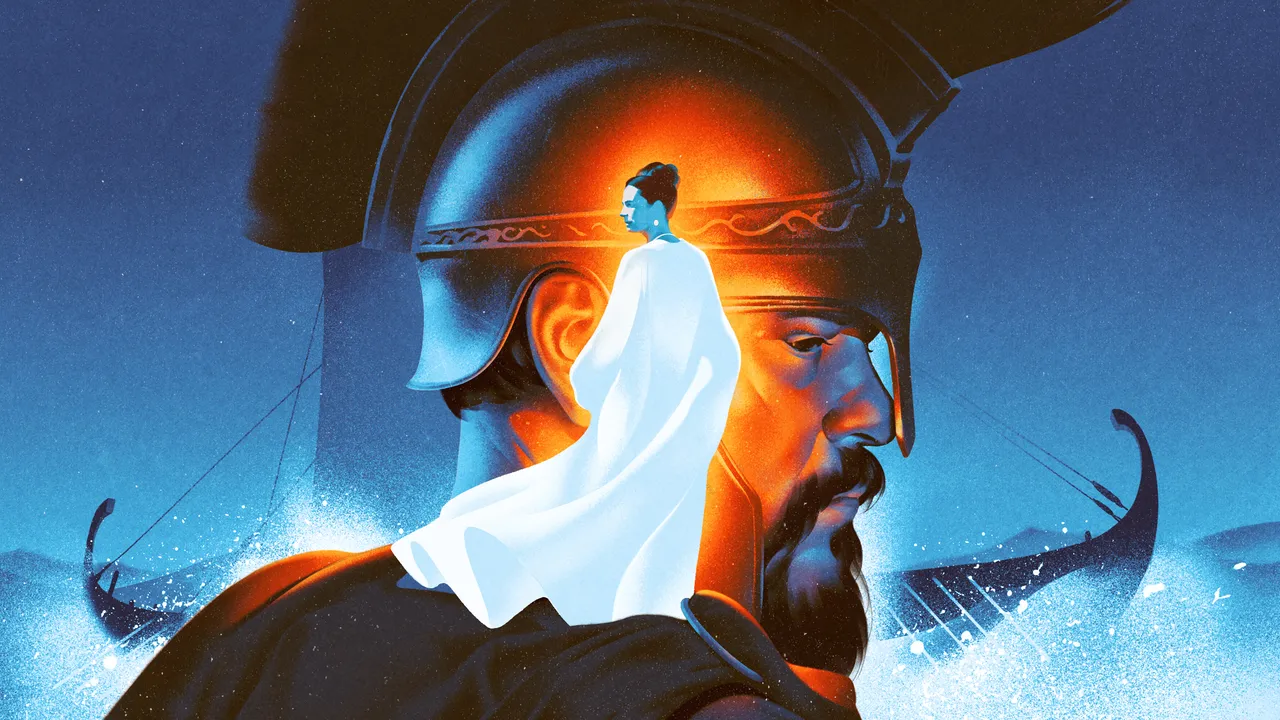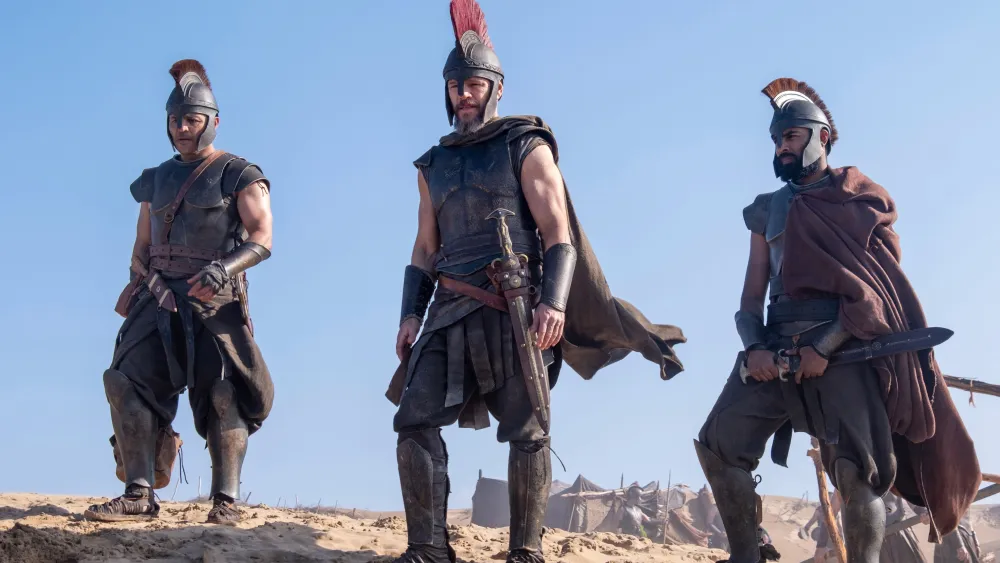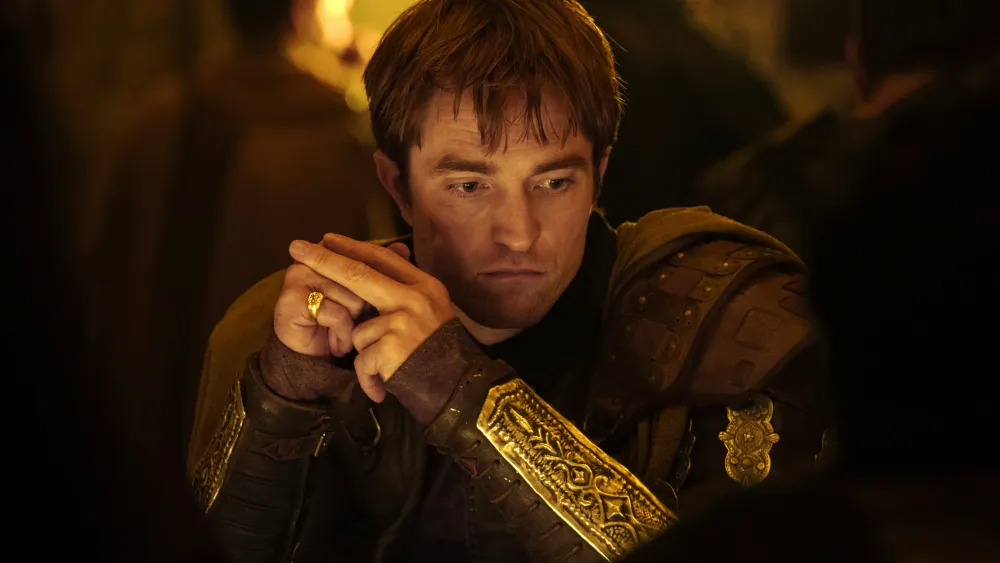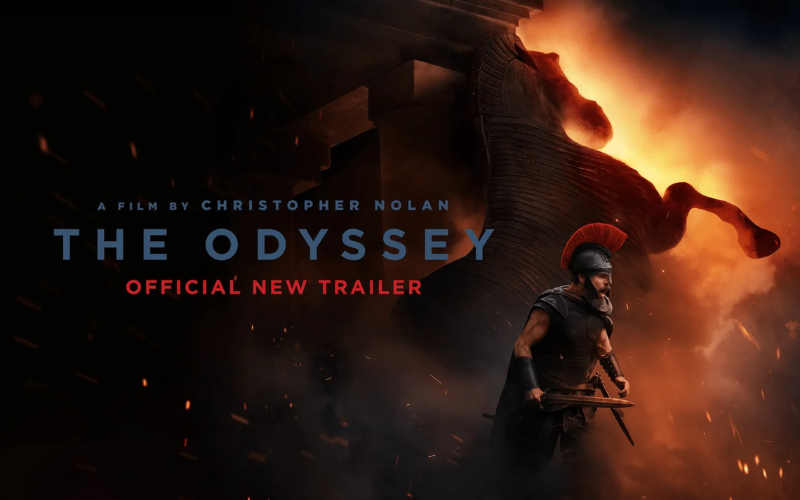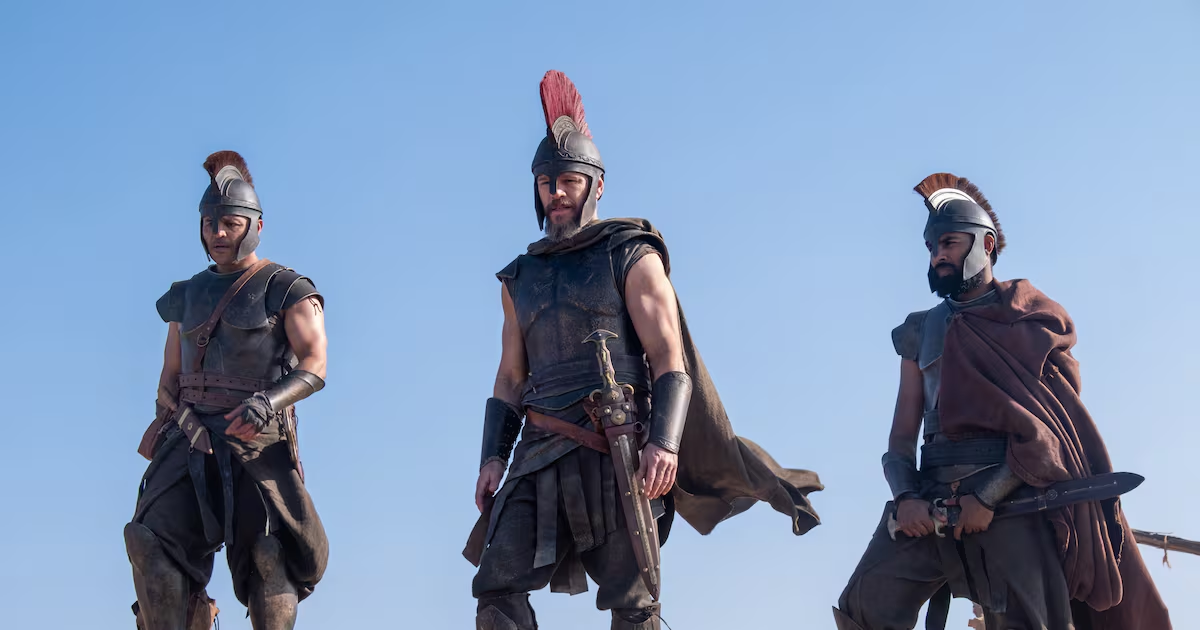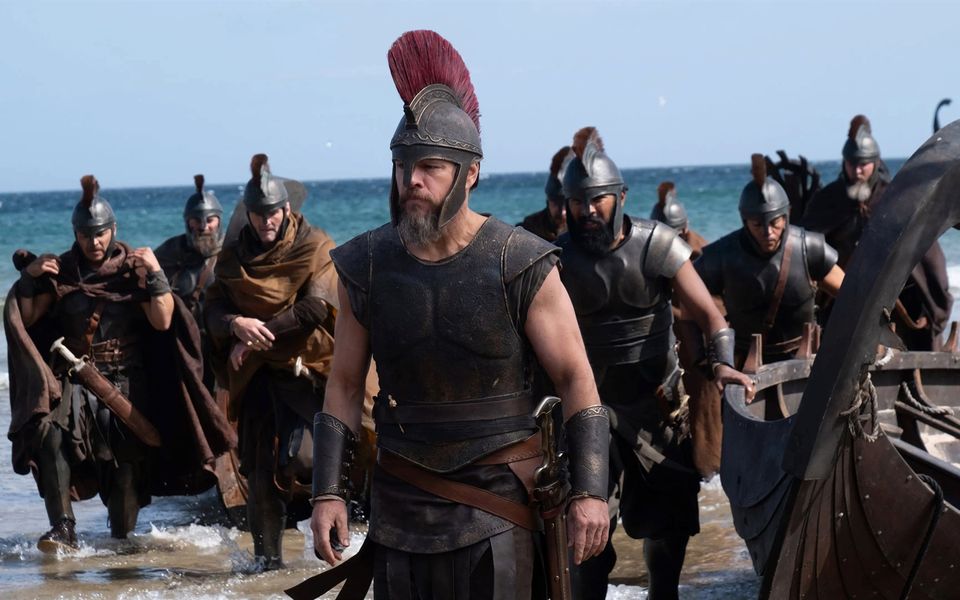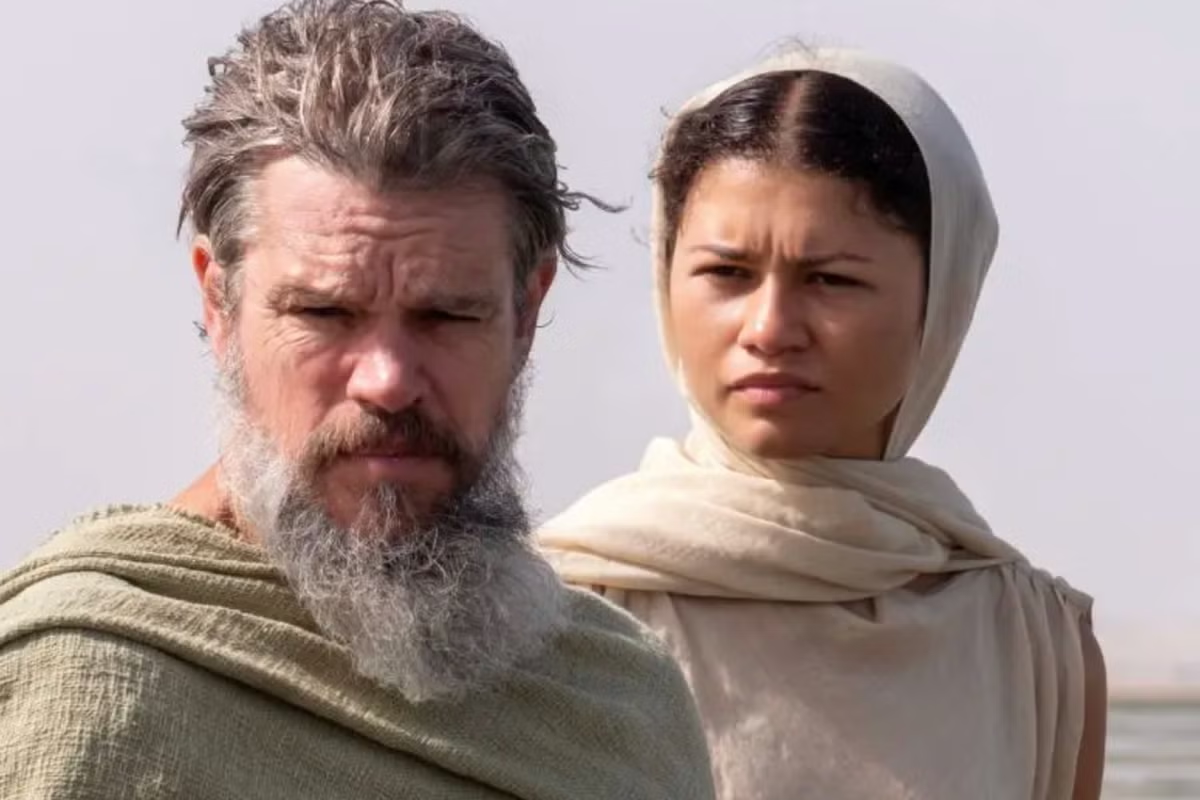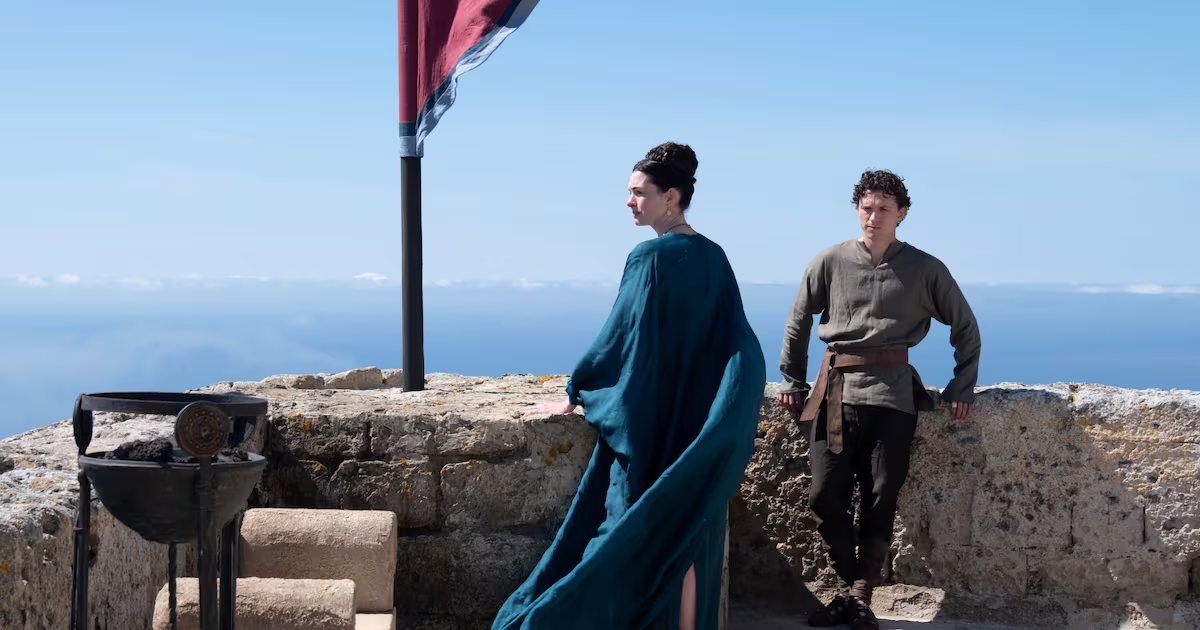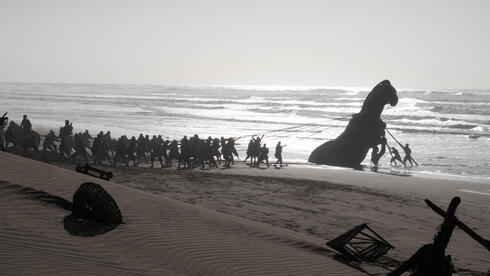
As Christopher Nolan’s blockbuster fuels debate over its departures from Homer, a Greek literature scholar explains the missing gods, the hero’s trauma and why the ancient epic itself invites radically different interpretationsAs of this writing, Christopher Nolan’s The Odyssey, based on Homer’s ancient epic of the same name, continues to dominate the global box office. The film has earned more than $640 million in just 10 days, putting it on track to potentially surpass Oppenheimer, Nolan’s previous Oscar-winning film, which grossed more than $978 million during its theatrical run. You can also expect it to feature prominently during the next awards season, including at the Academy Awards.'The Odyssey' trailer (Video: Tulip Entertainment )Naturally, the internet remains consumed with the film. After some of the early debate over its supposedly progressive character, much of it voiced before release by right-wing commentators including Elon Musk, attention has shifted to the changes Nolan made while adapting the nearly 3,000-year-old source material. Many of those analyses, however, lack an intimate familiarity with Homer’s enormously influential epic.How extensively did Nolan reshape the poem for a modern audience, and who was its original hero, the resourceful Greek commander Odysseus?For Dr. Teddy Fassberg of Tel Aviv University’s Department of Classical Studies, Greece and Rome, the most significant difference is the presence and influence of the gods in Homer’s Odyssey, compared with their relative absence from Nolan’s film.“In the epic genre to which The Odyssey belongs, it is a convention that the gods are deeply involved,” he said. “We can approach that convention in several ways. We can see it as an expression of the ancient Greeks’ belief that this was how the gods operated in the world. We can also see it simply as a literary device Homer uses to move the plot forward.“I think a more successful approach is to see these epics, including The Odyssey, as works dealing precisely with the question of the gods’ place in the world, and humanity’s place in relation to the gods. I think we see that in a very interesting way in The Odyssey.”GalleryFrom The Odyssey (Photo: Courtesy of Tulip Entertainment)Fassberg said the poem is itself acutely aware of that question. “At the beginning of the first book of The Odyssey, in the first dialogue, we find Zeus at an assembly of the gods saying: ‘Oh, how mortals blame the gods. From us, they say, come their troubles, but it is they who, through their own recklessness, suffer beyond what is ordained.’“We see that The Odyssey itself raises the question of the gods’ place in human life in a way that may also be highly relevant to the question today: Why does Nolan remove them from his film?”According to Fassberg, Nolan understood that conventions suited to Homer’s audience in approximately the eighth century BCE would not necessarily resonate with modern moviegoers. “Today, gods are not as interesting as literary characters as they were to the Greeks,” he said.And, of course, that is not the only change. Nolan also gives Odysseus traits that differ markedly from Homer’s portrayal. In the film, he is haunted by trauma and guilt. How is he presented in The Odyssey itself?
'Odysseus looks like a bad leader': How Nolan’s 'The Odyssey' departs from Homer
As Christopher Nolan’s blockbuster fuels debate over its departures from Homer, a Greek literature scholar explains the missing gods, the hero’s trauma and why the ancient epic itself invites radically different interpretations
1,325 words~6 min read