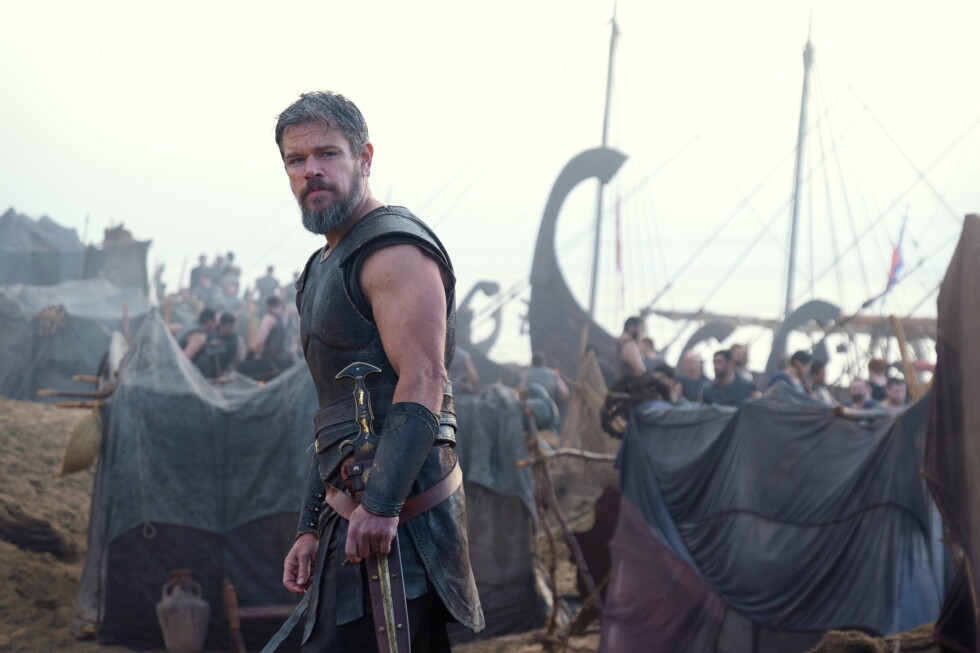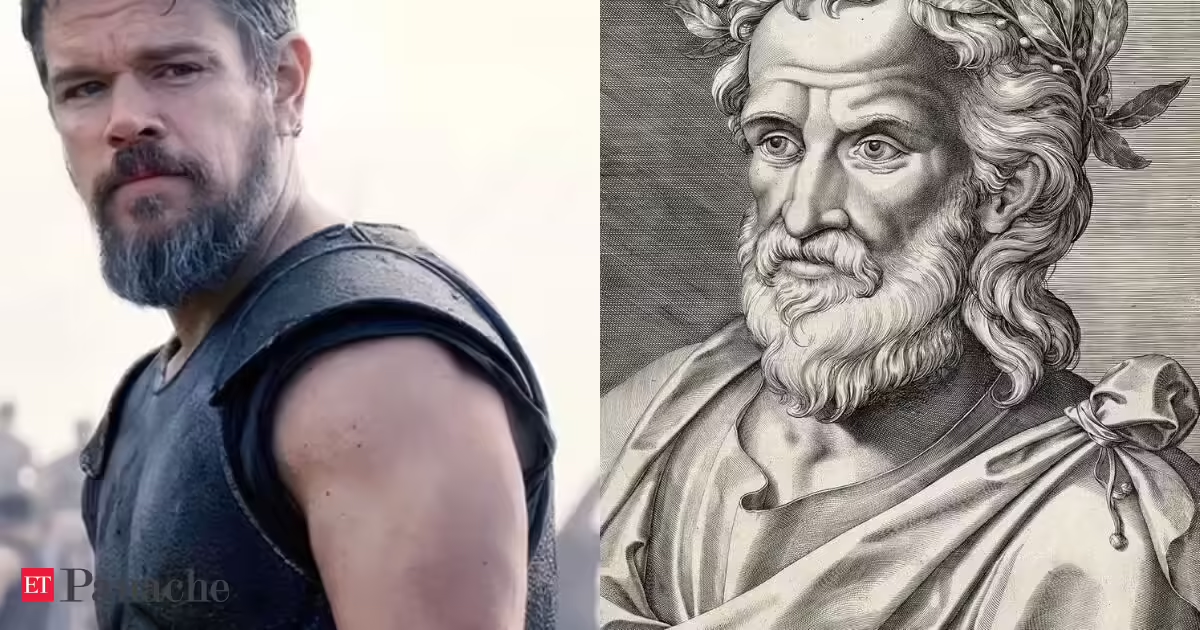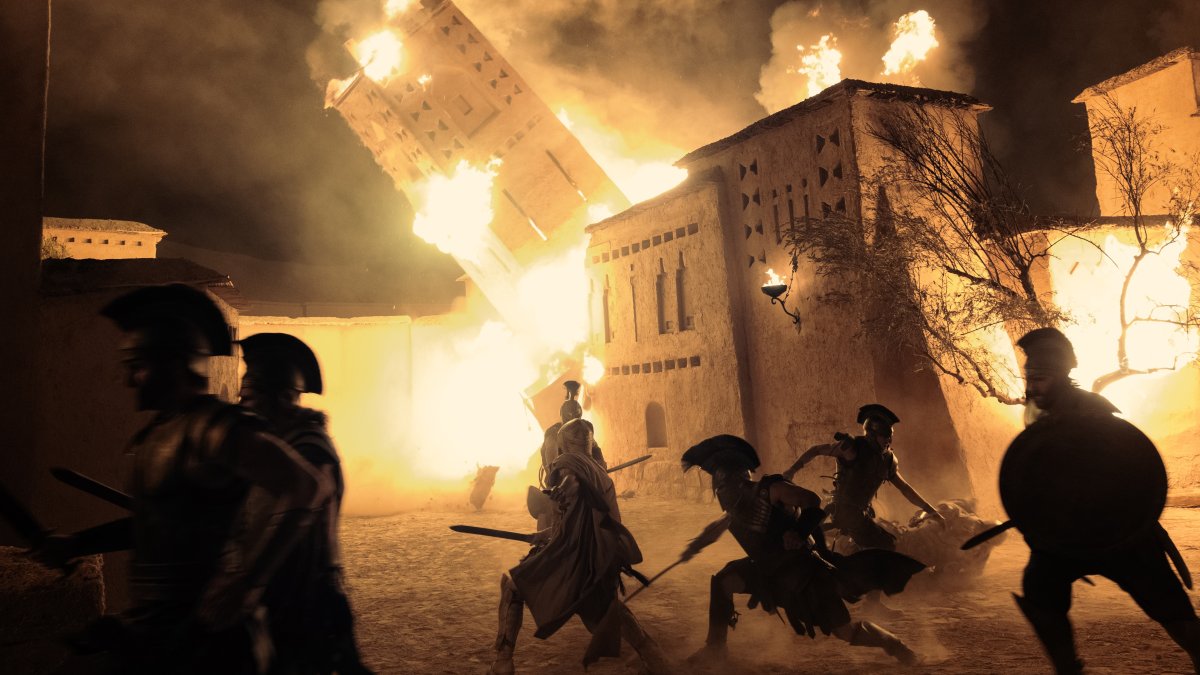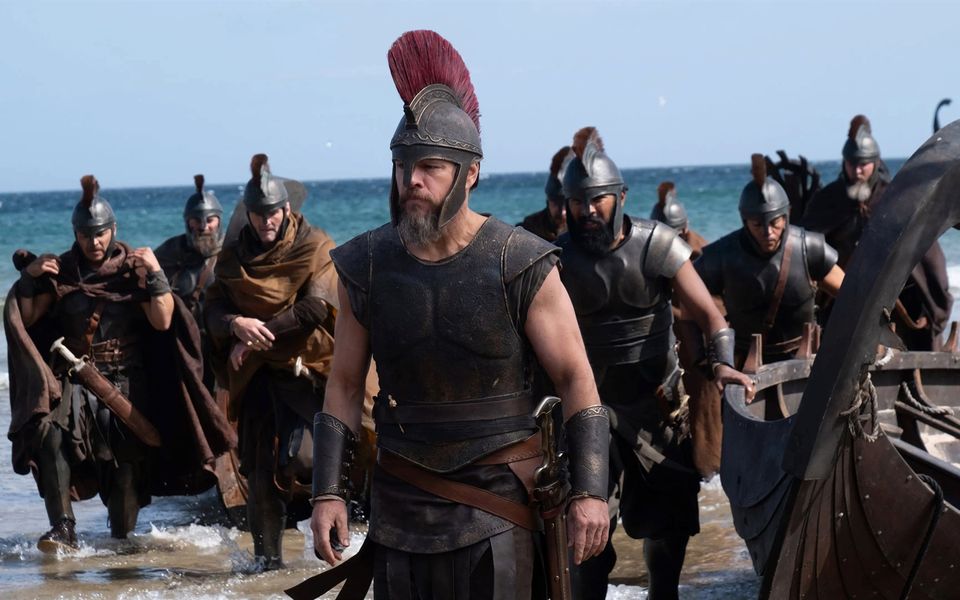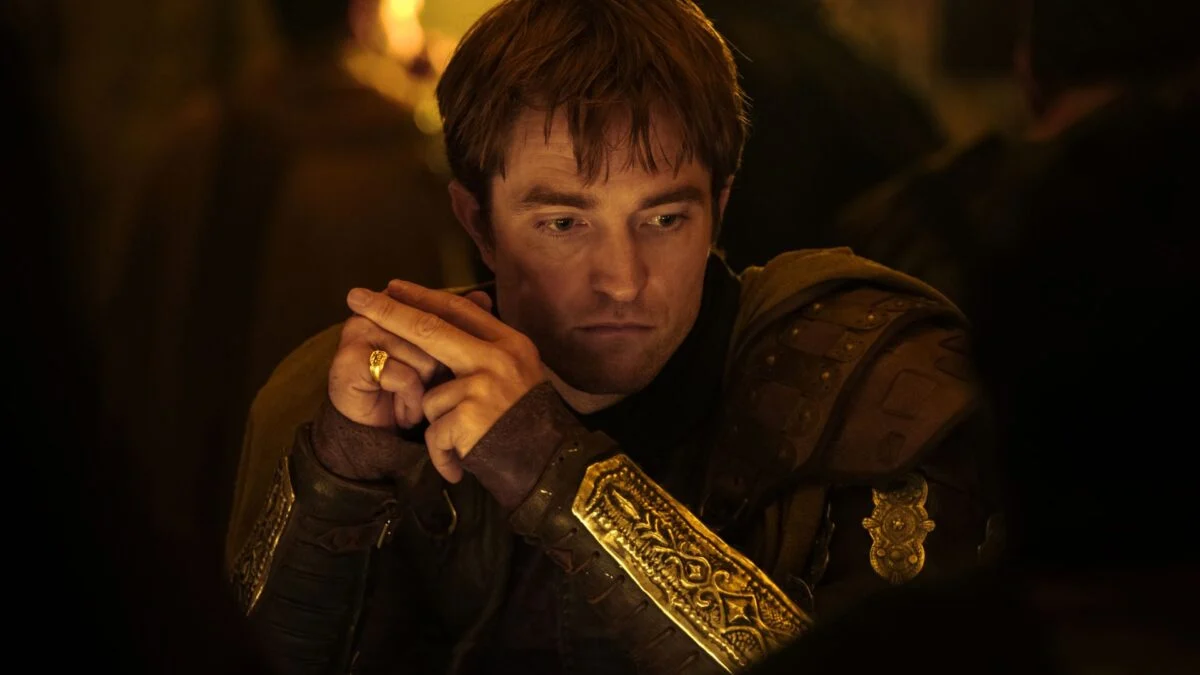
Christopher Nolan’s “The Odyssey” is an immersive, numinous, transporting cinematic spectacle on a scale unprecedented in modern cinema, refusing to release your spirit back into the 21st century once you depart the theater. There is no shortage of debates surrounding Nolan’s “The Odyssey.” Was his casting inspired or distracting? Did he depart too far from Homer? Has he modernized the story through a contemporary political or philosophical lens? Others have focused on production choices, performances, or the inevitable controversies that accompany any attempt to reinterpret one of Western civilization’s foundational works.JOIN US ON TELEGRAMFollow our coverage of the war on the @Kyivpost_official. Those conversations are legitimate. They simply are not the subject of this essay. Purists will rightly debate whether Nolan’s Odysseus is Homer’s Odysseus. Nolan’s hero is more reflective, more burdened by conscience, and less comfortable with the moral ambiguities that define the original epic. Nolan himself has acknowledged the influence of Emily Wilson’s celebrated and controversial modern translation, and viewers will inevitably disagree over where the film remains faithful to Homer and where it speaks more directly to a 21st-century audience. Yet whatever significant liberties Nolan takes with the character, he remains remarkably faithful to the poem’s deepest idea: that the greatest challenge facing a warrior is not simply winning the war, but finding his way home – and proving worthy of the home for which he fought.
Nolan’s ‘The Odyssey’ Has a Message for Ukraine’s Warriors Who Will Someday Journey Home
The new cinematic adaptation of Homer’s epic is poignantly relevant to the lives of Ukraine’s warriors.
3,708 words~17 min read