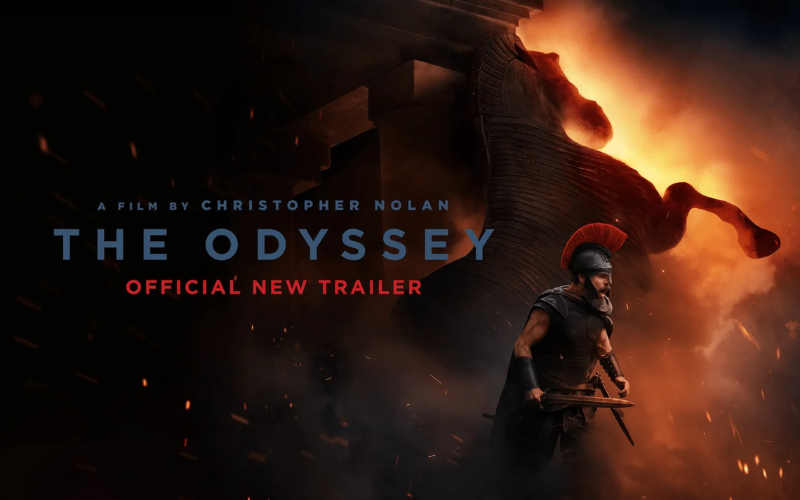
Getting home, and turning back the clock, has long been at the root of Christopher Nolan’s films. The astronauts of "Interstellar” painstakingly lose 23 years in space travel, almost the same length of time Odysseus is away from home in "The Odyssey” : a decade fighting the Trojan War, a decade trying to return to Ithaca.
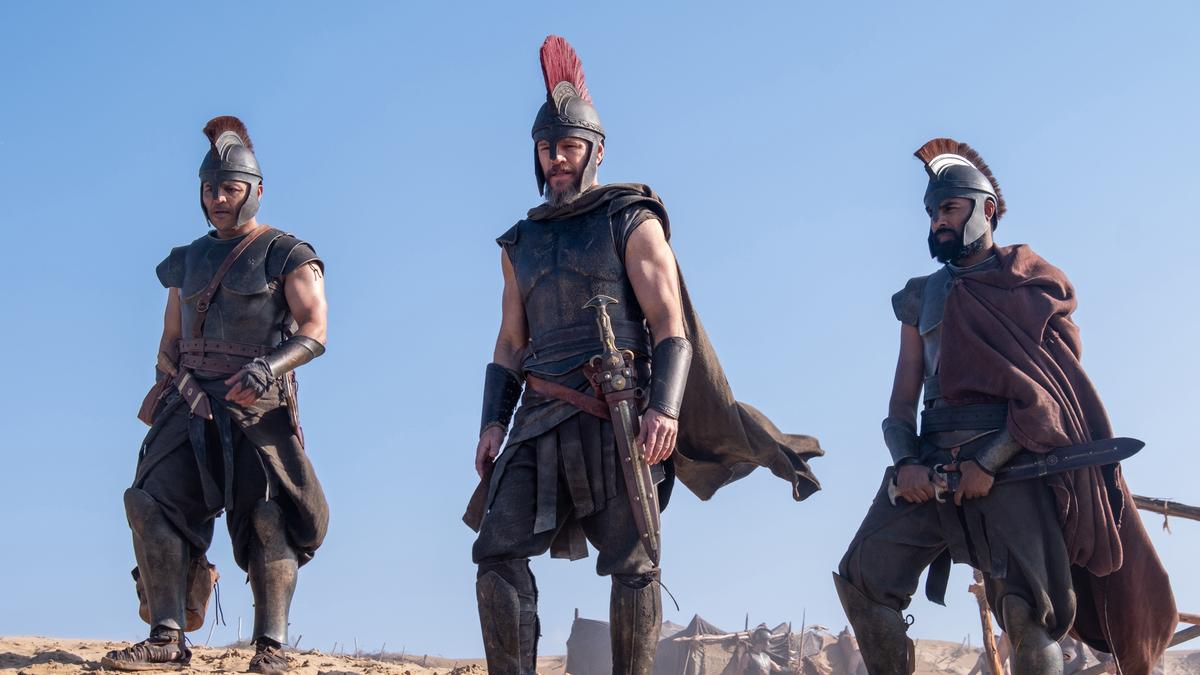
So, to a remarkable degree, Nolan’s "The Odyssey” - faithful as it is to Homer’s epic poem - feels, down to its nonlinear DNA, like a Nolan movie. The authorship of the epic poem, dated to the 7th or 8th century BC, is complex. But no one could question the maker of this "Odyssey,” an earthy, existential epic that ravishingly melds the storytelling of antiquity with contemporary IMAX-sized bravado.
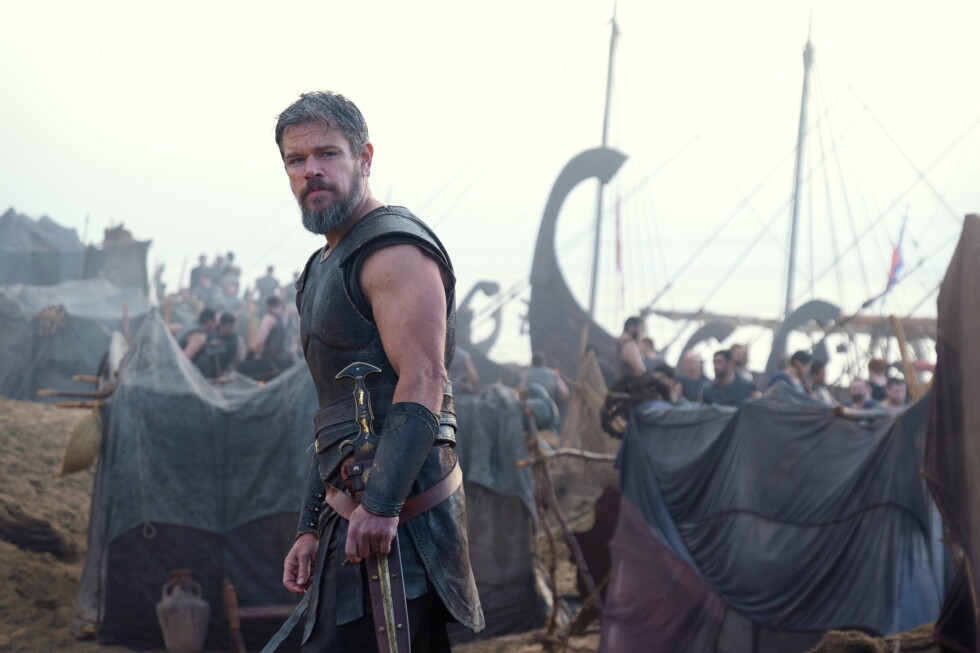
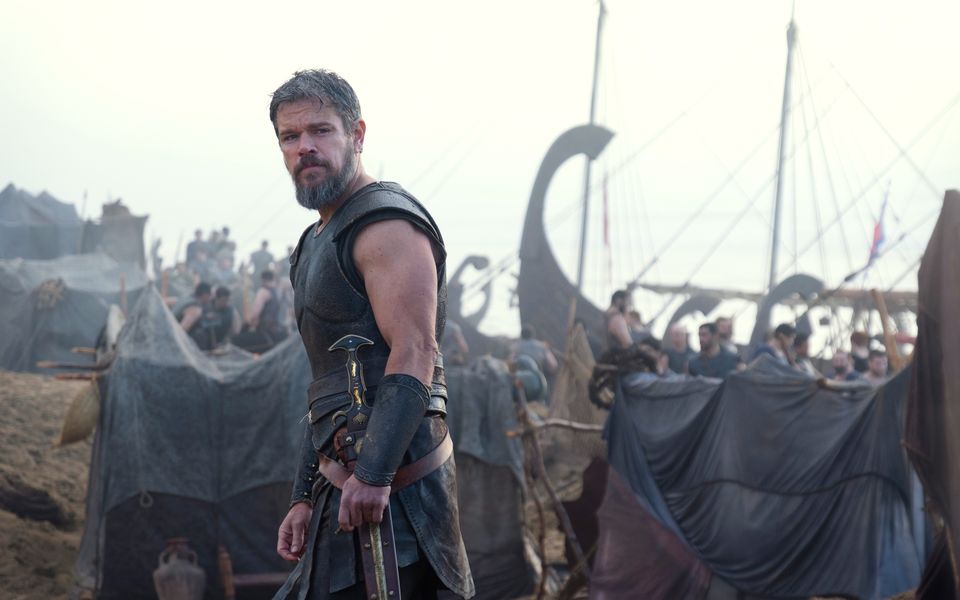
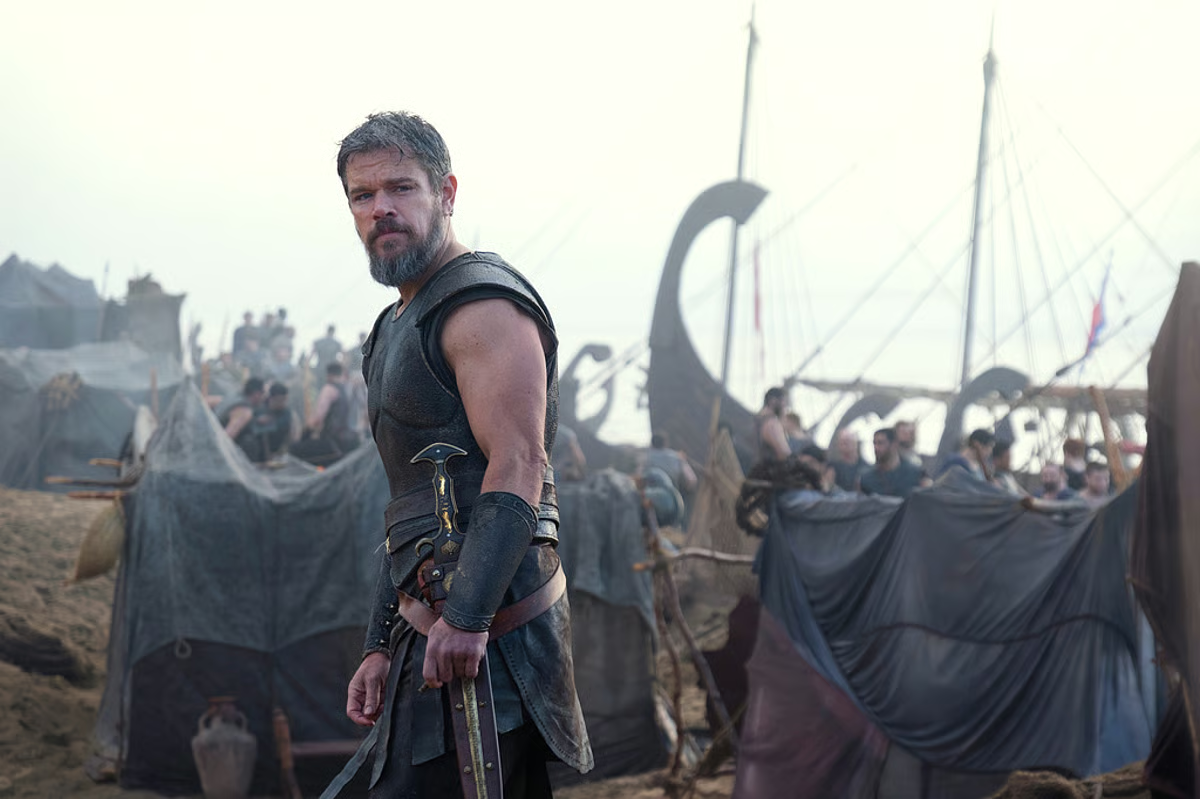
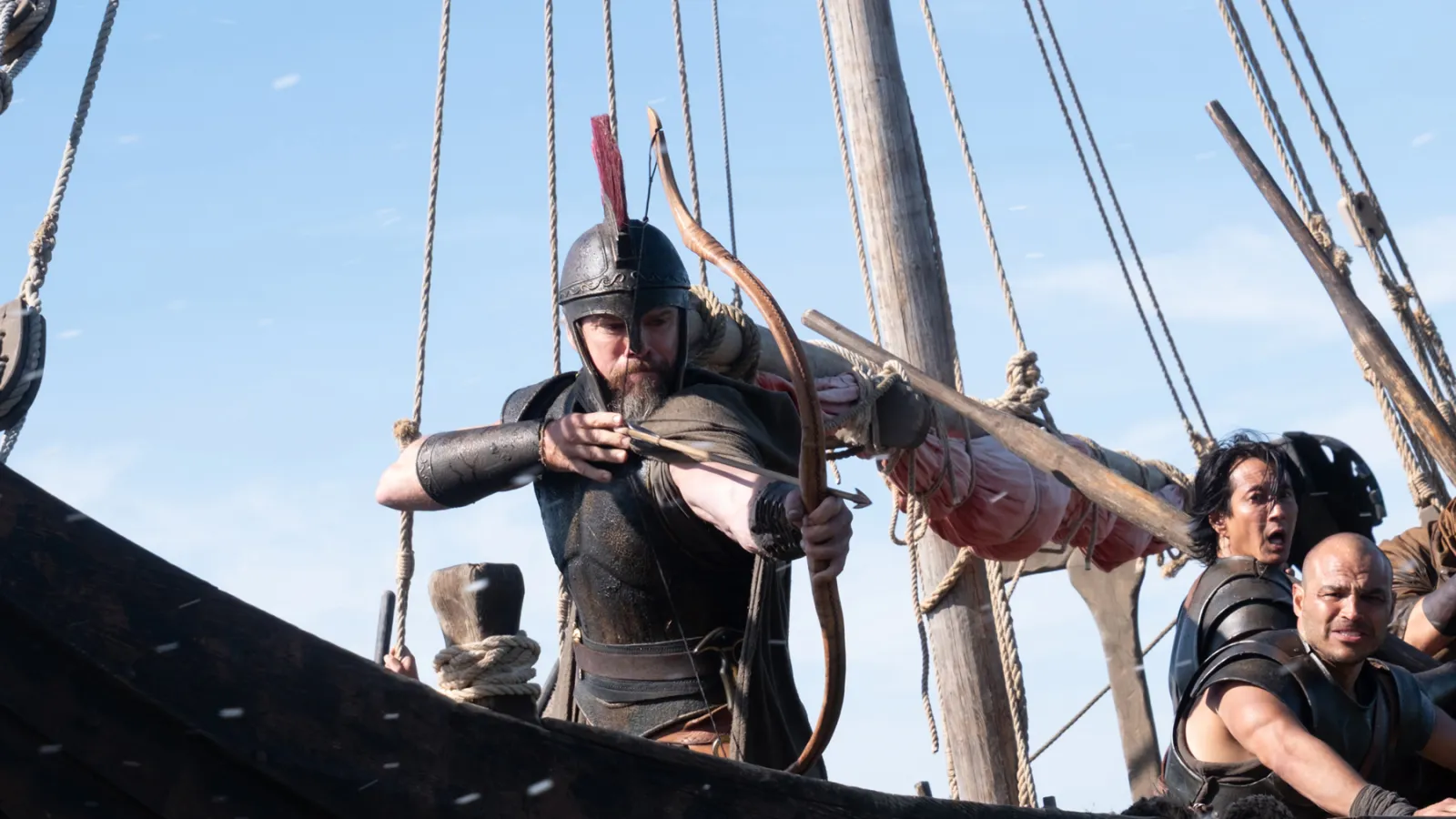
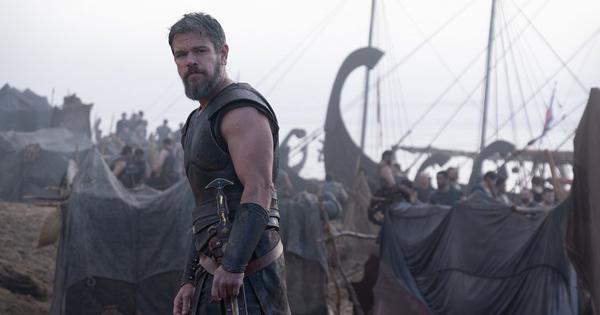
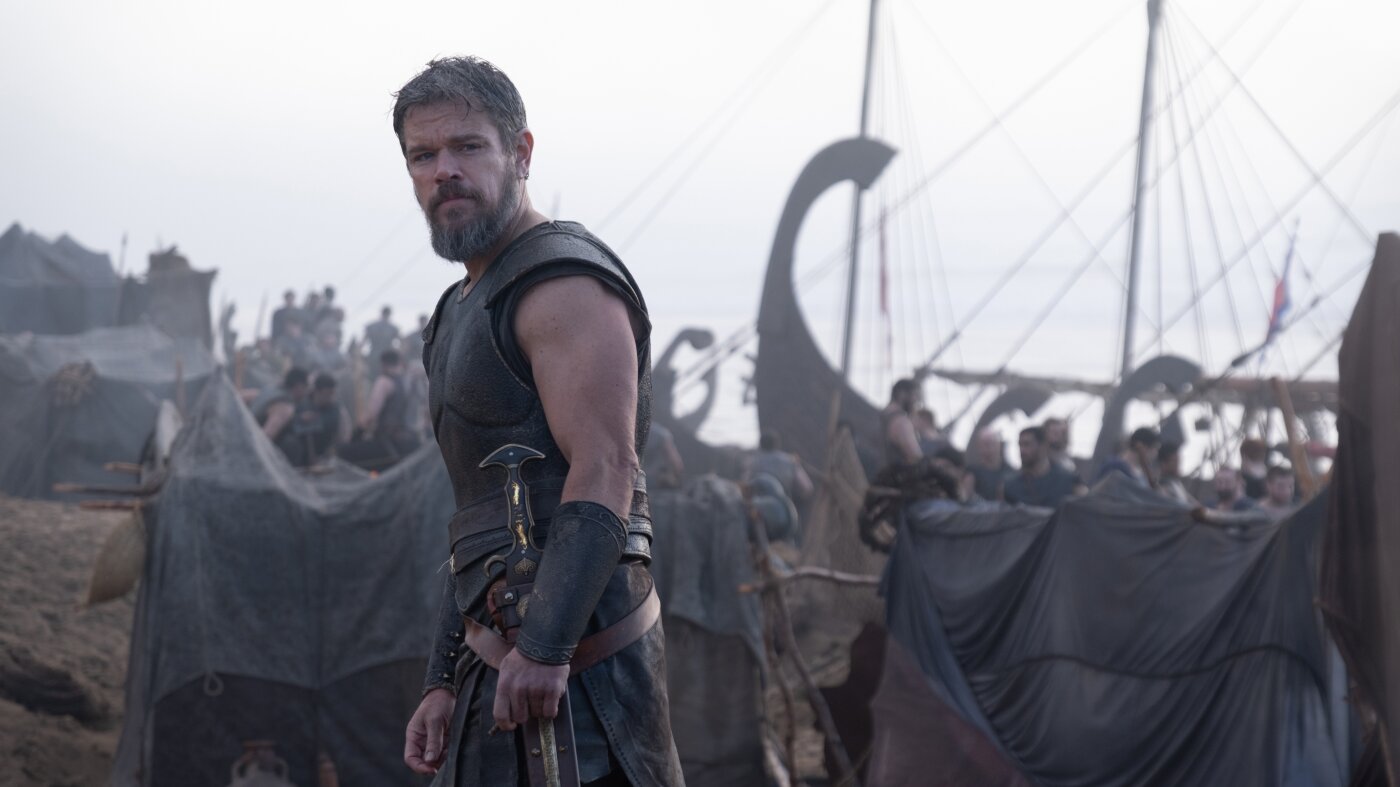
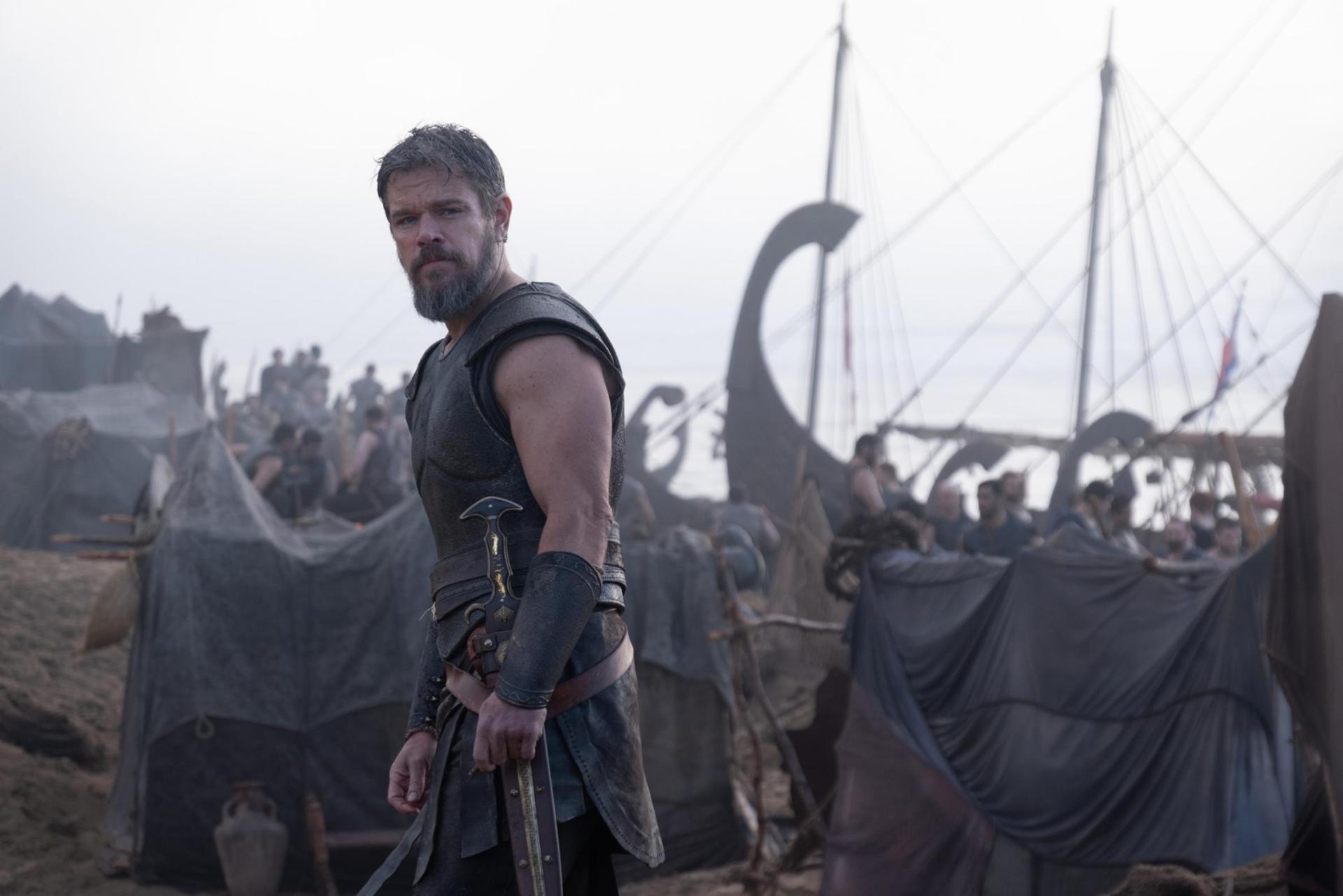
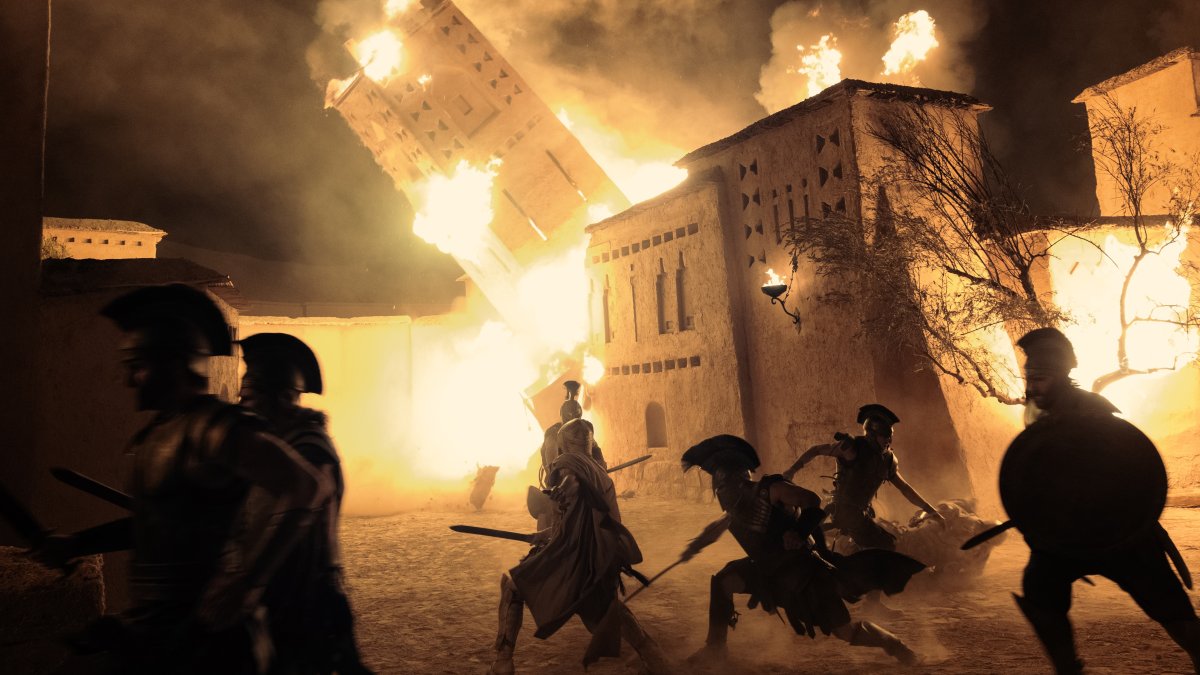
As a story about a man whose cunning offends the gods, "The Odyssey” feels very much like a companion piece, if not a downright sequel, to "Oppenheimer.” Odysseus (Matt Damon, in the role of his life) is increasingly racked with guilt for the violence and death he’s wrought after his ingenuity led to the sacking of Troy.
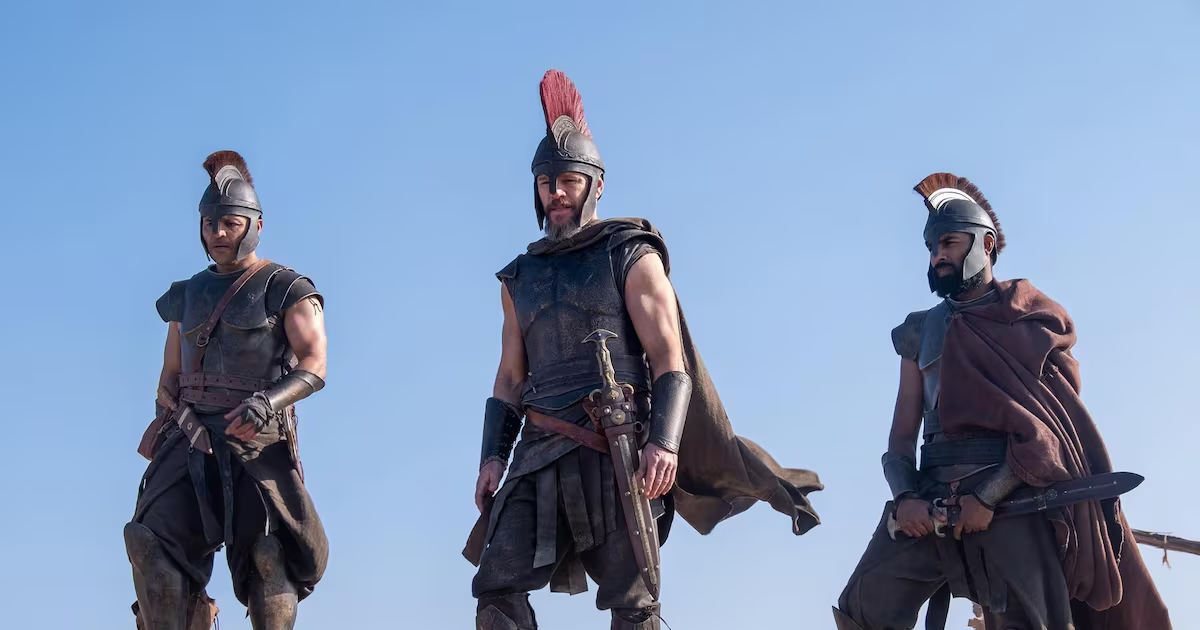
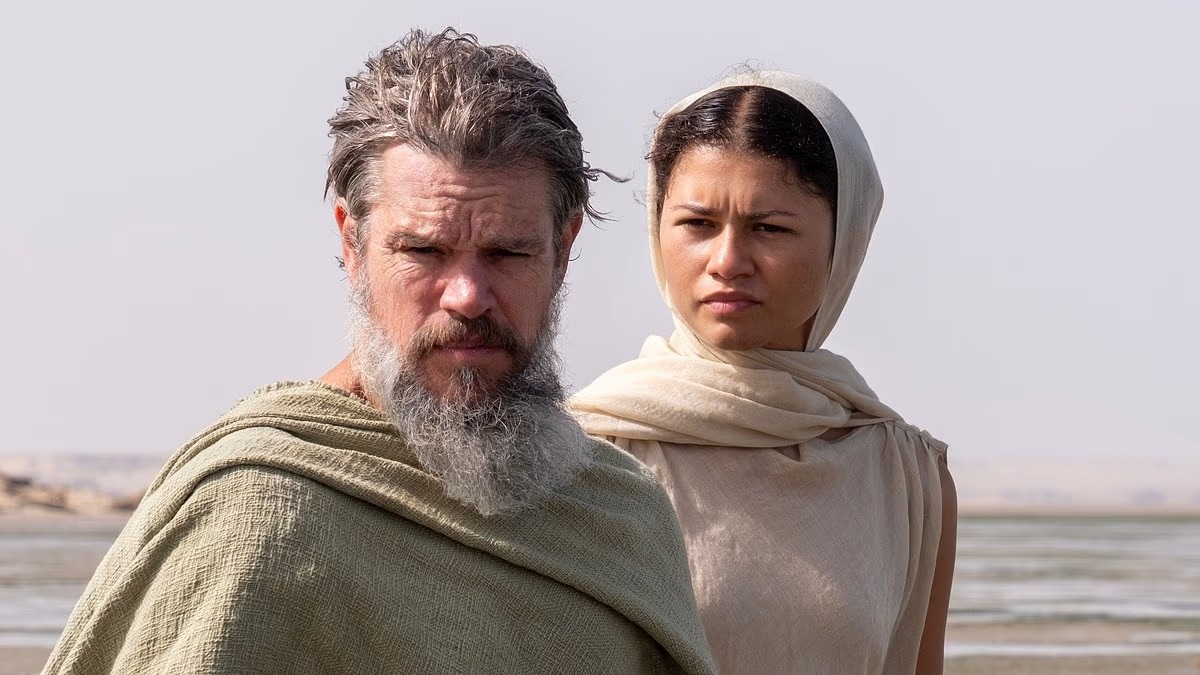
This image released by Universal Pictures shows Matt Damon as Odysseus in a scene from "The Odyssey." (AP Photo)
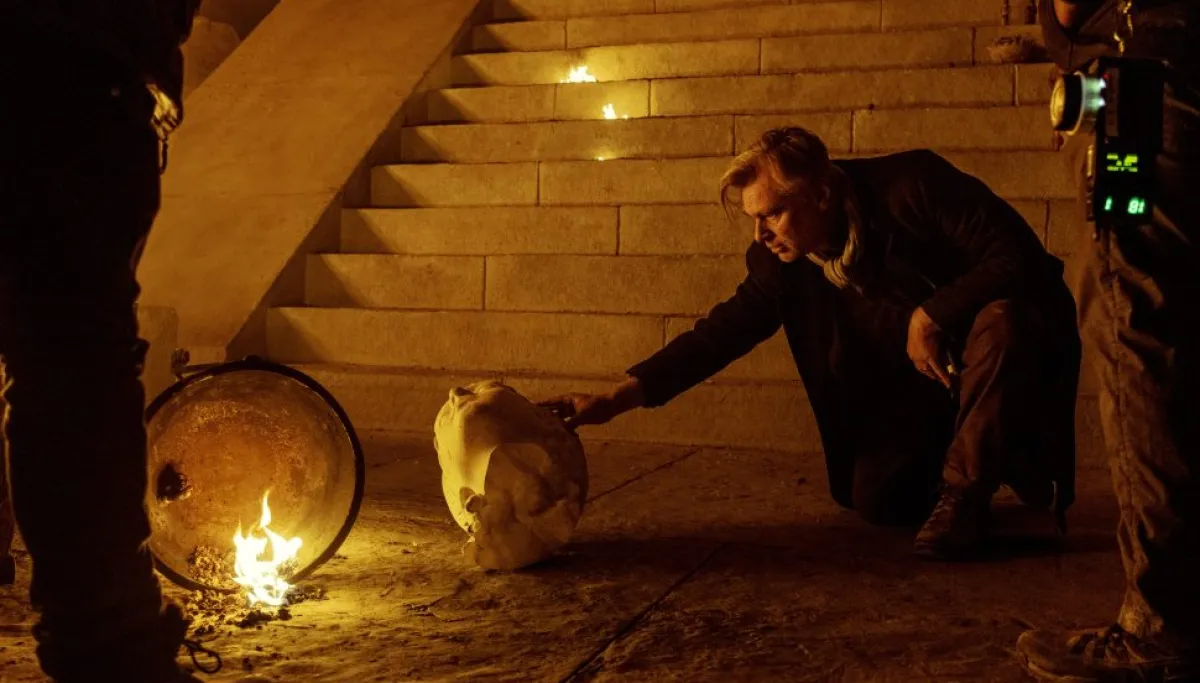
The arrival of any new Nolan spectacle inevitably leads to its own kind of assault, and avalanches of "masterpiece” proclamations. But while "The Odyssey,” Nolan’s first film shot entirely with IMAX cameras, doesn’t skimp on grandiosity, it works surprisingly well as a simpler, human-sized tale.