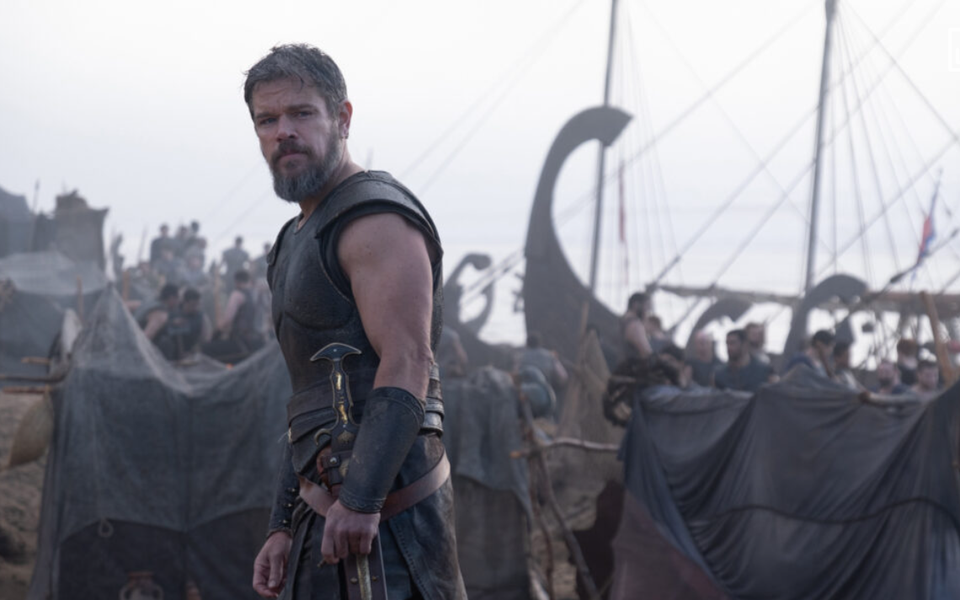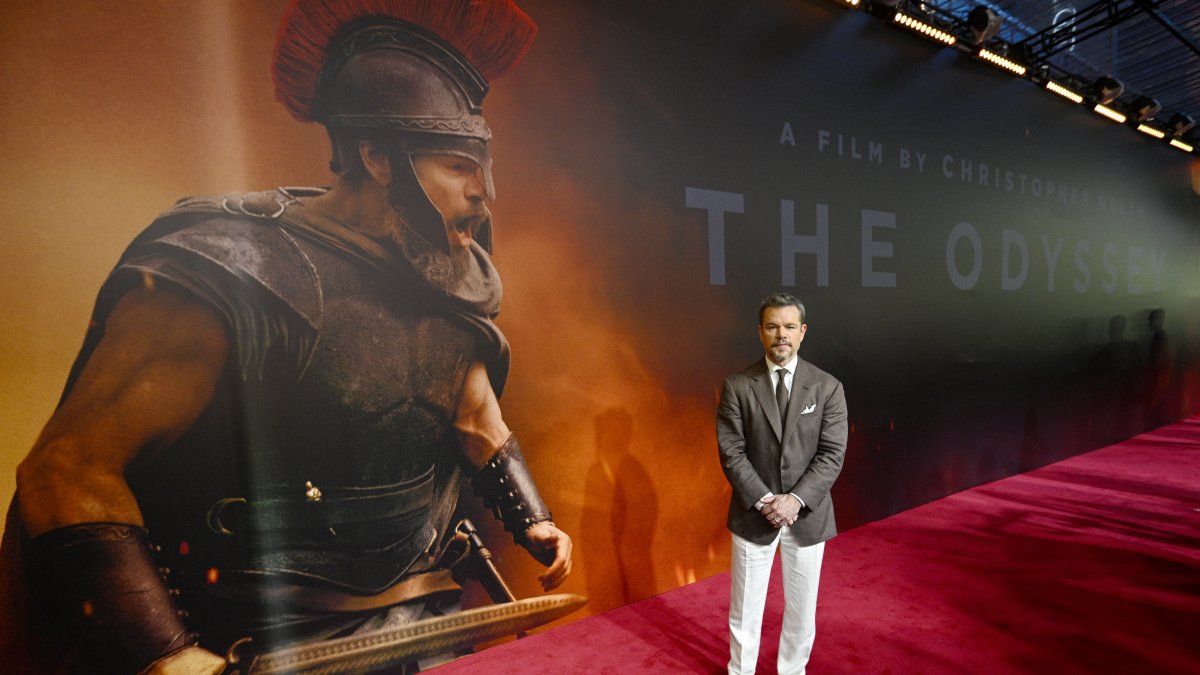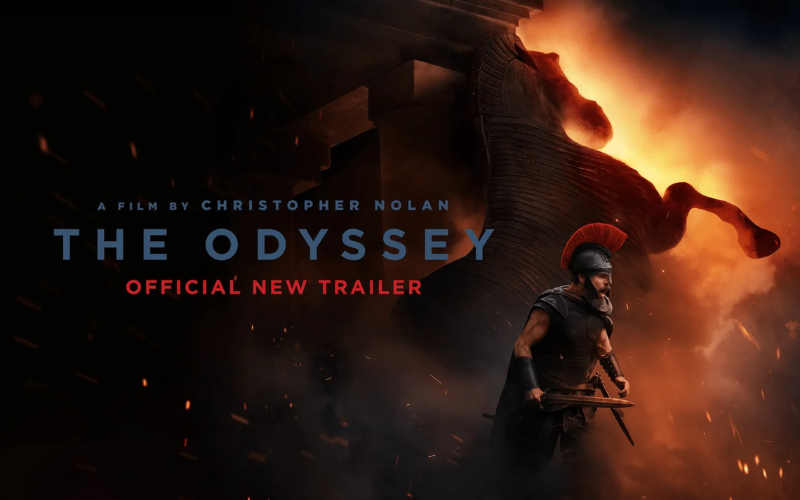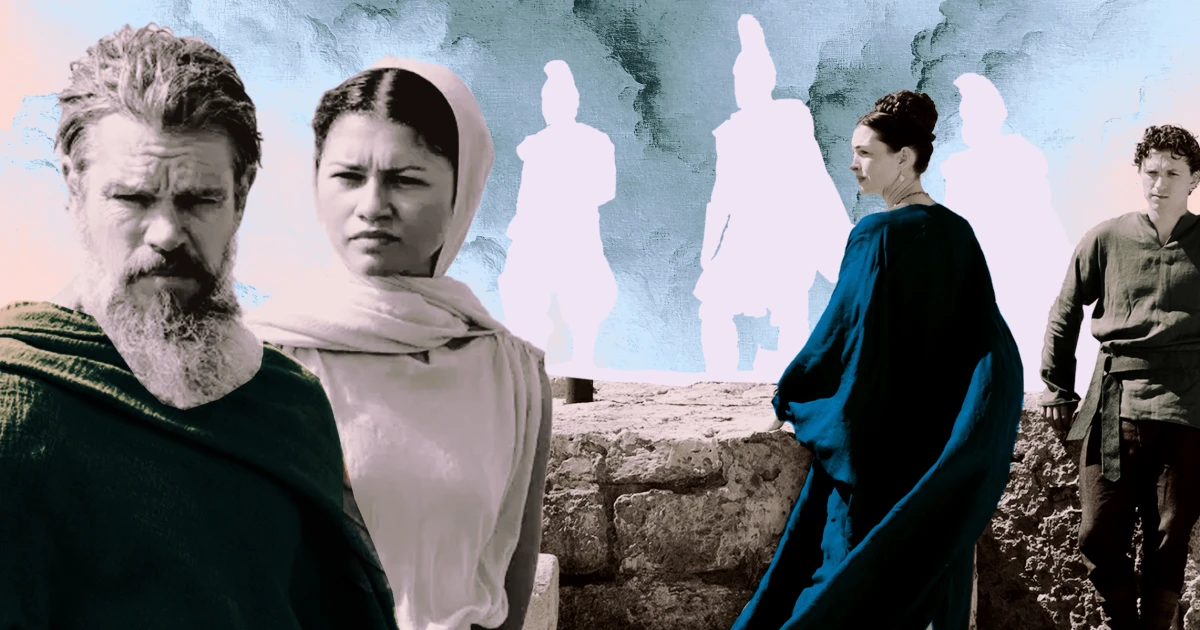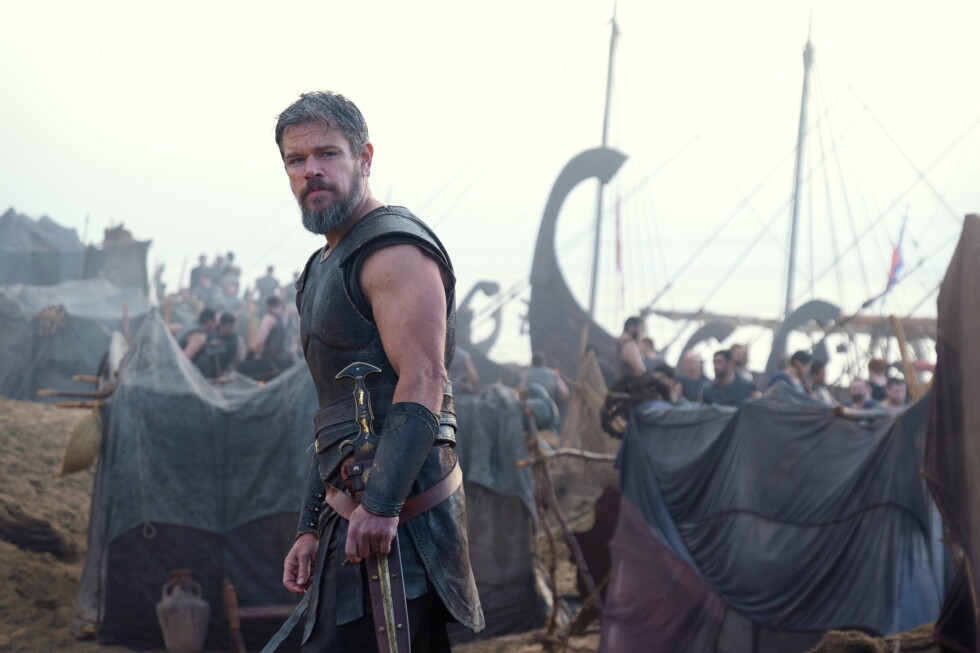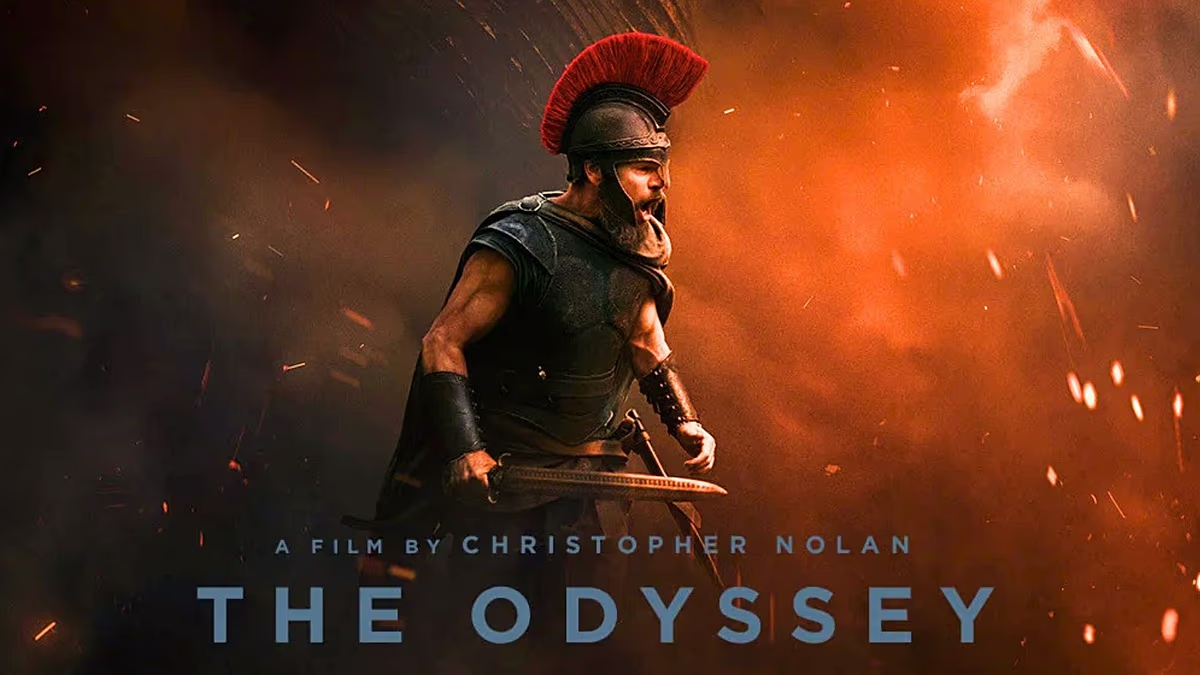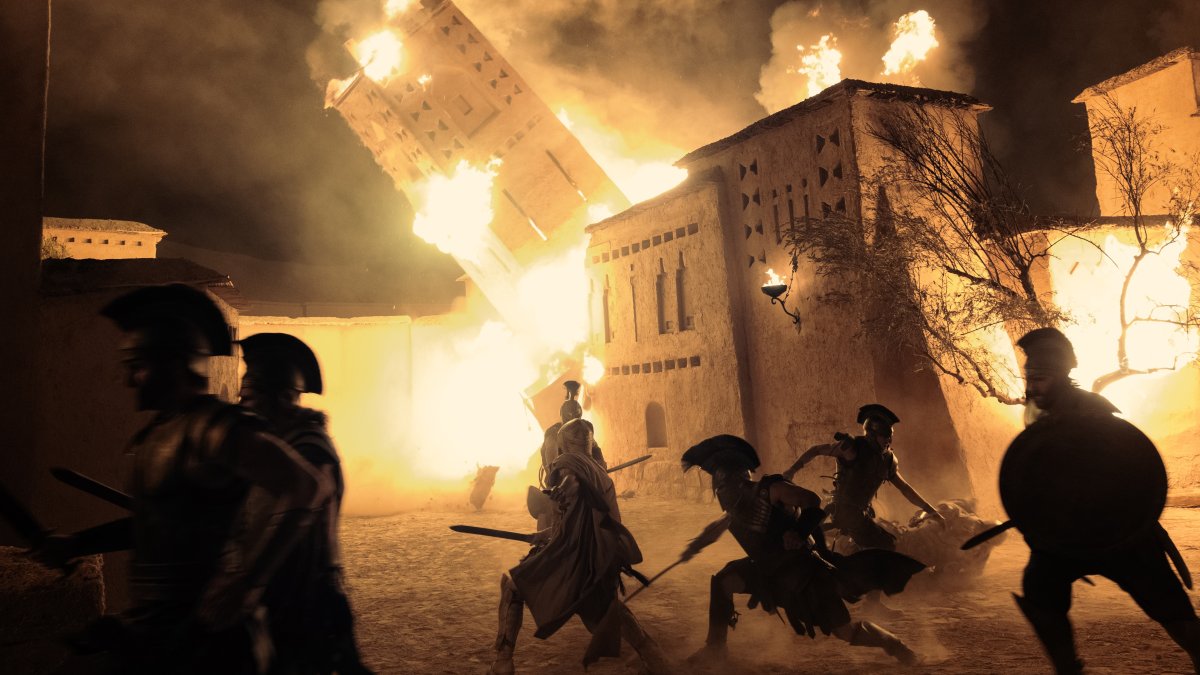
Christopher Nolan’s adaptation of “The Odyssey” hit the big screen this week. Whether you are a fan of Nolan’s work or not, the reactions and debates we’ve seen across the board remind us of Homer’s immortal appeal, and why the story of Odysseus’ return to Ithaca has captivated audiences around the world for three millennia.
As Daniel Mendelsohn wrote recently, “‘The Odyssey’ is a remarkably contemporary story not only because of its hero, but because of the nature of the world around him..” a “postwar world where the old certainties have disappeared.” Those watching current events unfold may have a similar feeling these days.
With the ceasefire with Iran breaking down, we’re left with a good amount of uncertainty over what comes next. This is true for the Strait of Hormuz, for the Gulf, and by extension for the Eastern Mediterranean.
Bringing us to Greece, this uncertainty is playing out on the political scene, where debates about early elections are picking up steam, while SYRIZA, which was once in government, has been in free fall over the last years. A new round of resignations this week has many pondering if the party has completed its historical cycle.
In the spirit of Odysseus’ travels across the Mediterranean, we’re also heading to Turkey, where Ankara and Cairo took steps to deepen their ties when it comes to their defense cooperation and the defense industry.