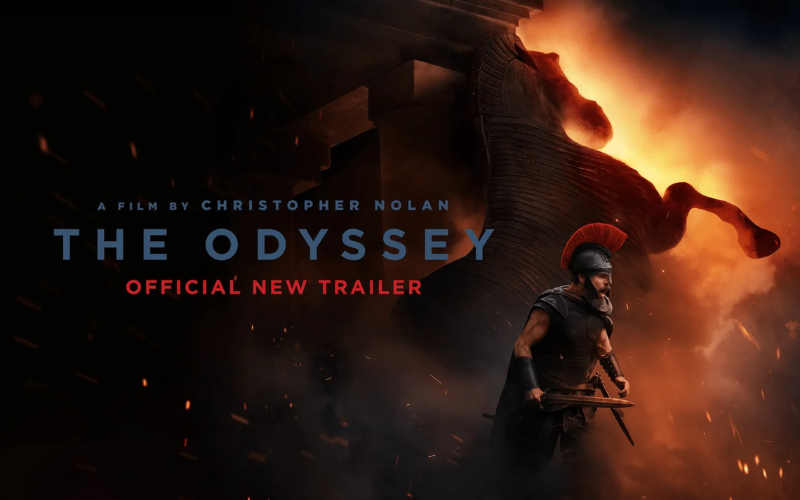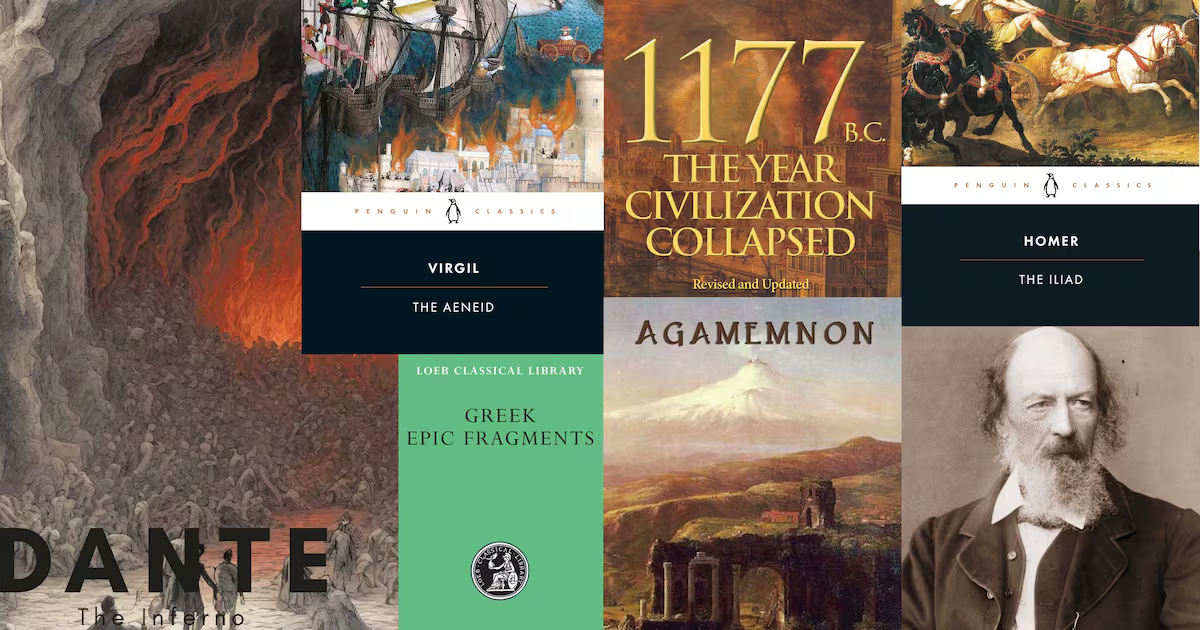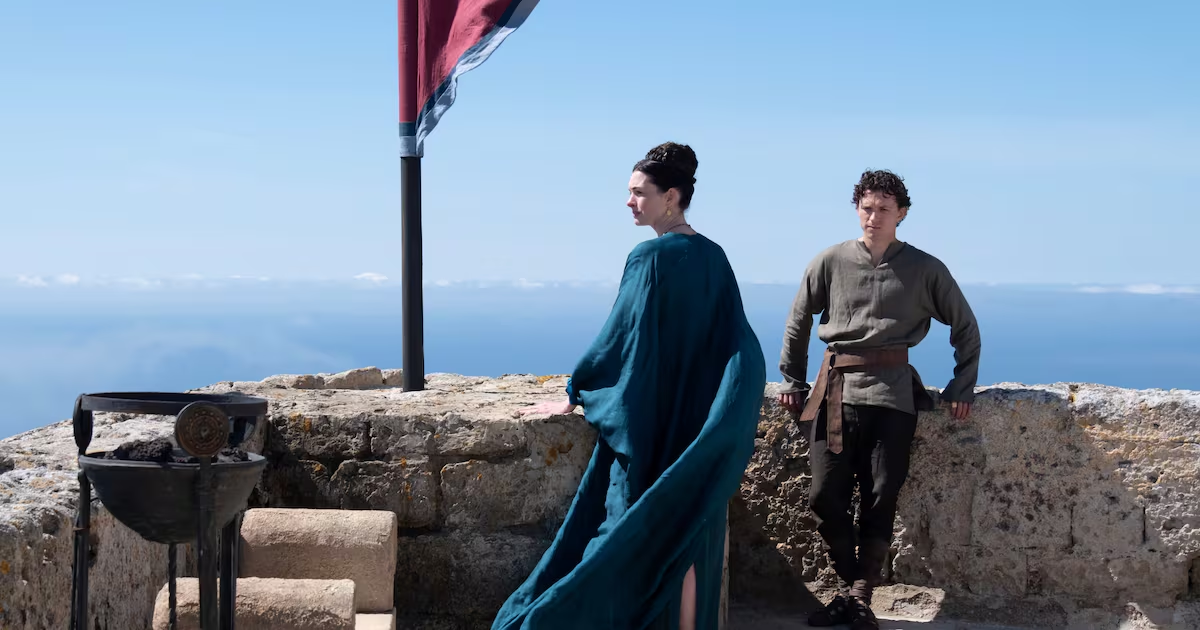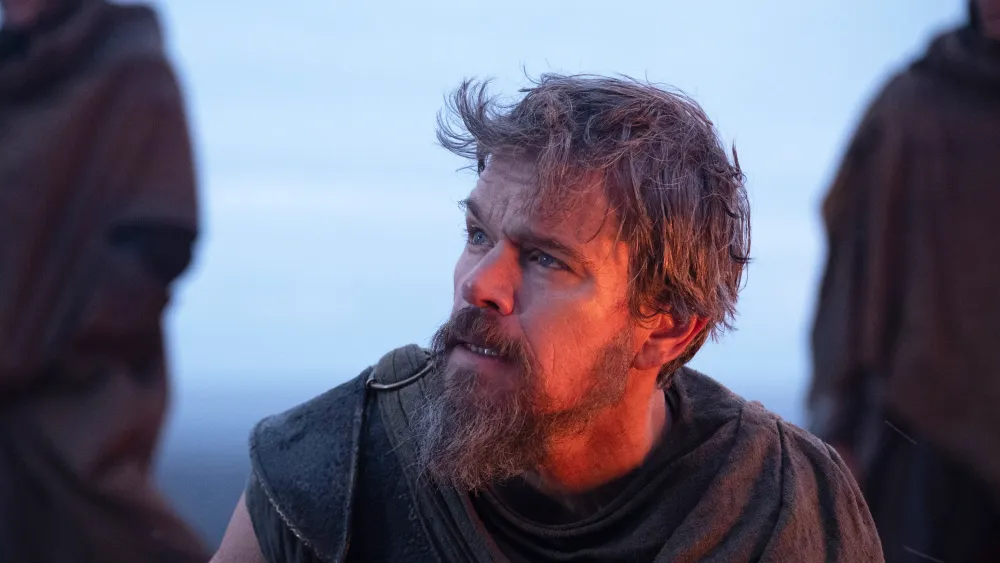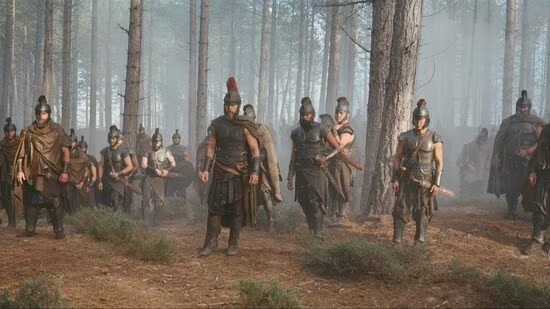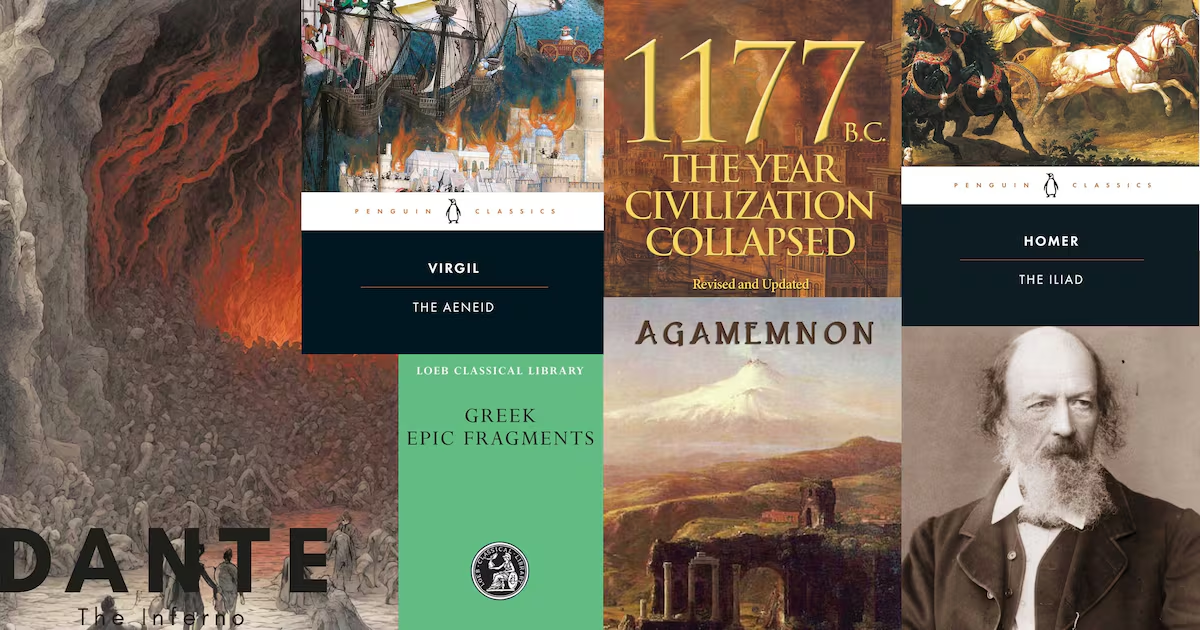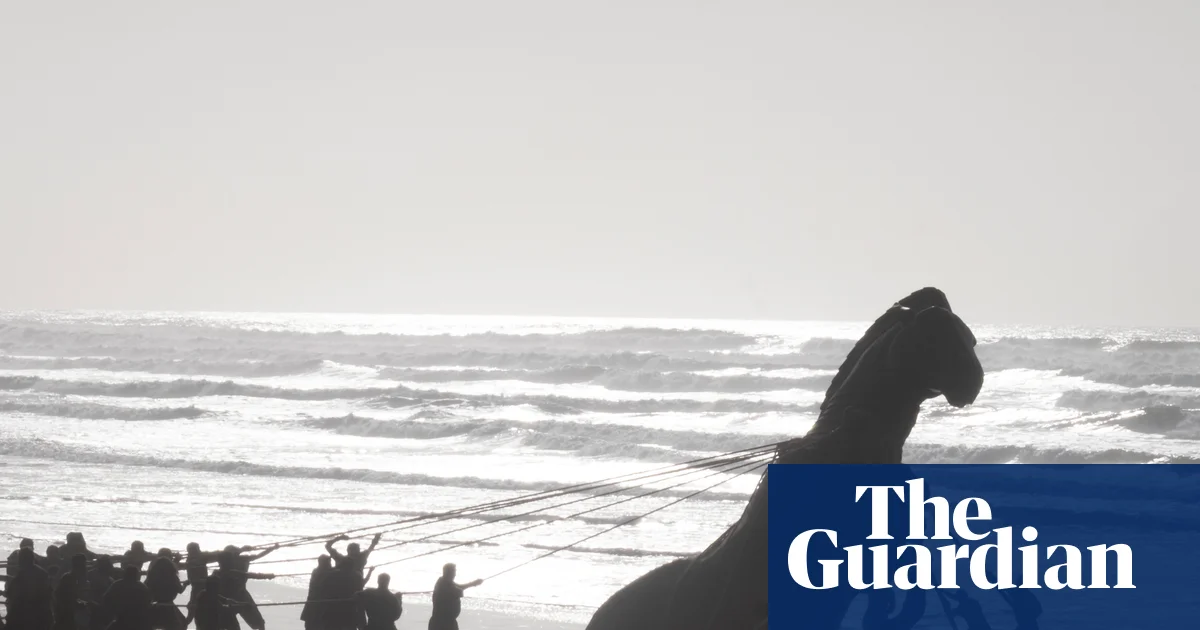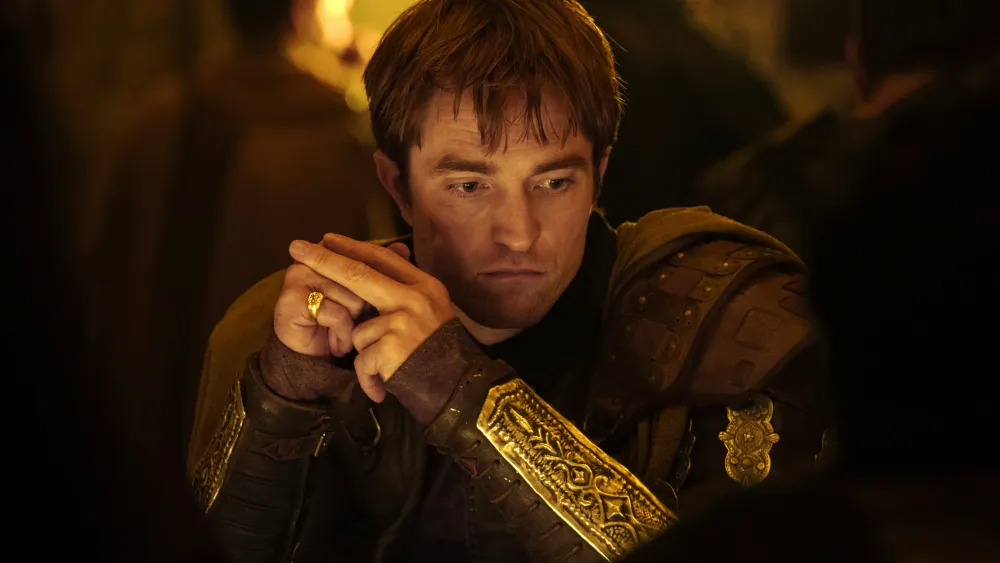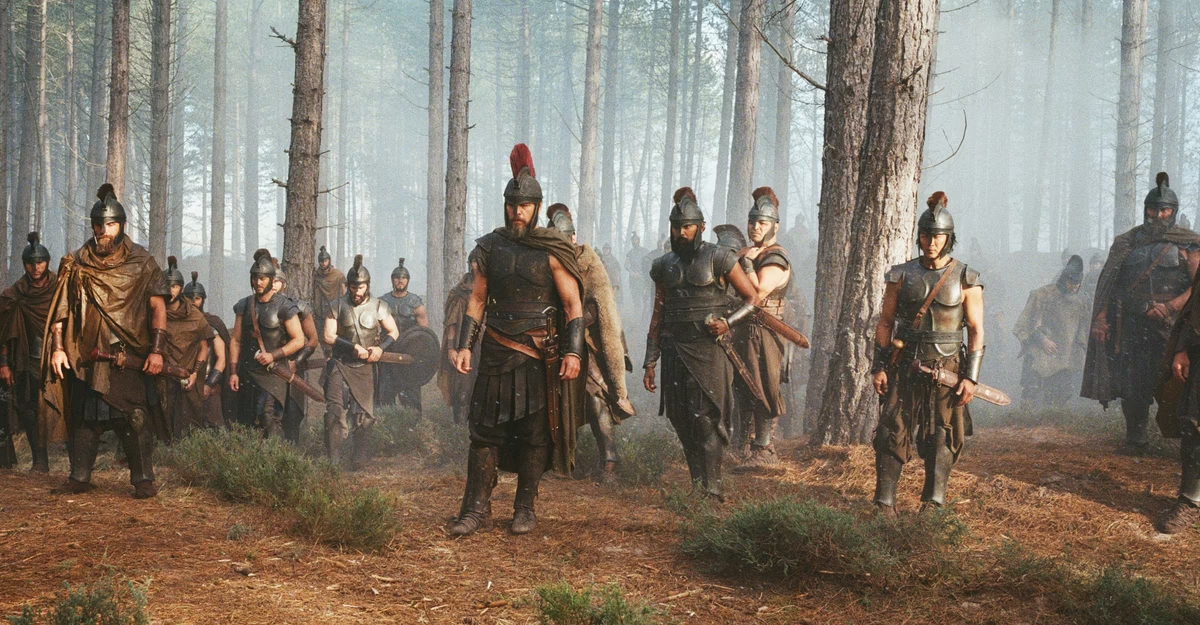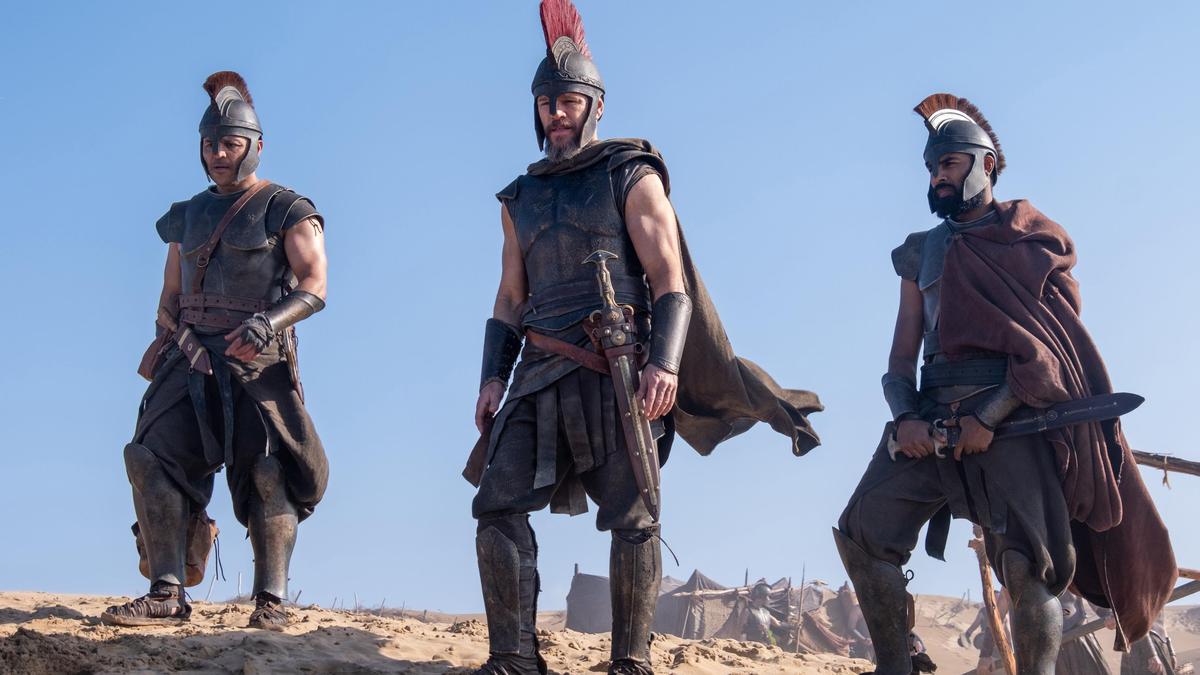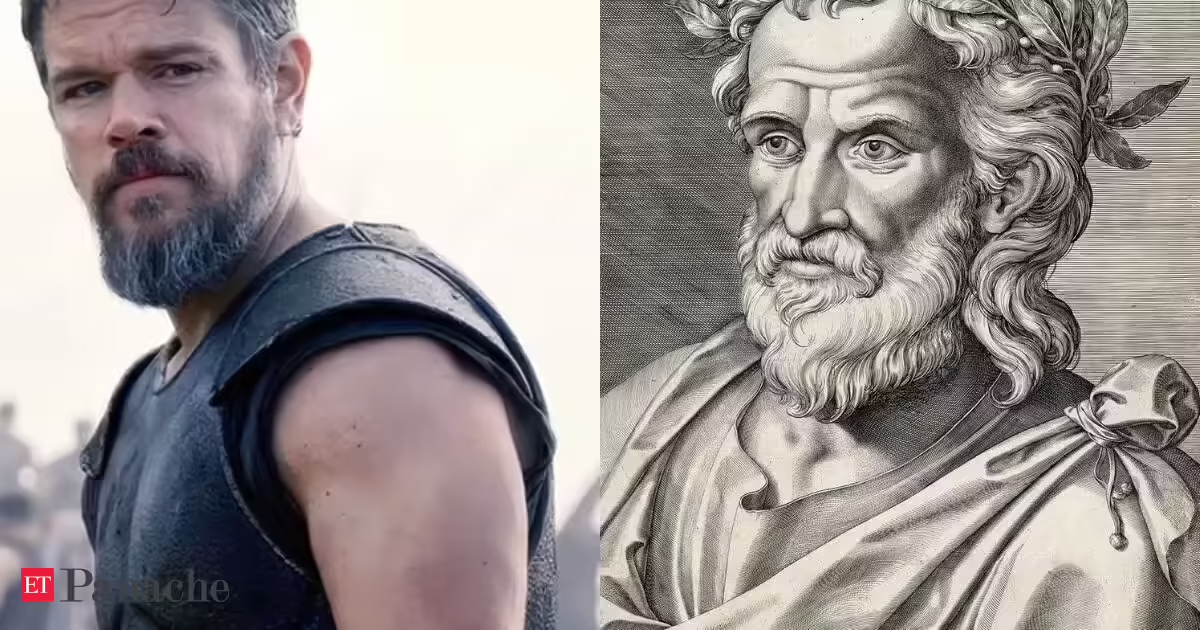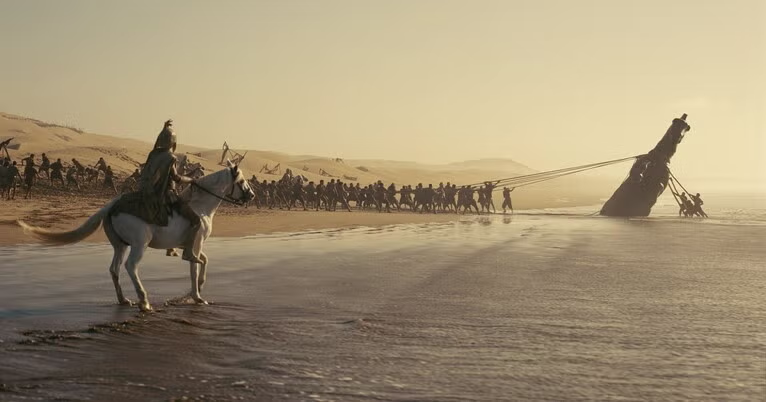
Since it was first composed by Homer nearly 3,000 years ago, “The Odyssey” has been reimagined countless times. From Greek drama to contemporary poetry, from Stanley Kubrick to the Coen brothers, the epic saga of Odysseus’ 10-year journey from the battle of Troy to his homeland of Ithaca has repeatedly been recontextualized and reinterpreted for changing times and new audiences. The latest version, directed by Christopher Nolan and starring Matt Damon, was released earlier this month and immediately dominated the box office.Last spring, in anticipation of the release of Nolan’s film, Yale’s Benedek Kruchió taught a course tracing the history of these various re-imaginings. Called “Odyssean Receptions: A Journey Through the History of Literature and Film,” the course considered Odysseus as “one of the defining characters of ‘Western’ culture.”
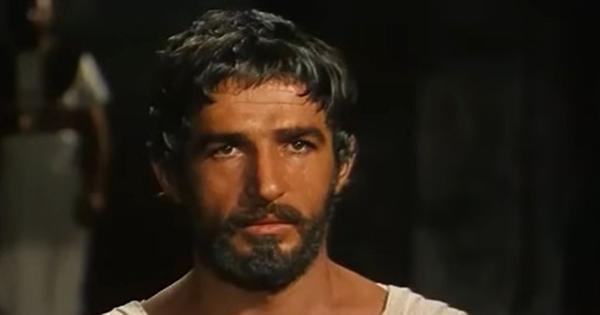
Benedek Kruchió
Photo courtesy of the Department of Classics
Kruchió, an assistant professor of classics in Yale’s Faculty of Arts and Sciences, said his primary research focus is actually Greek literature between the second and sixth centuries C.E. — more than a thousand years after Homer’s time. “But I deal with a lot of texts that engage intensely with ‘The Odyssey,’ so I have a research interest in the ancient reception of the Homeric poem,” he said. “And I also love contemporary literature, film, and other exciting instances of Homeric reception.” Shortly after seeing the new Nolan film, Kruchió sat down with Yale News to talk about why “The Odyssey” has such staying power, his favorite adaptations, and how Nolan created an “Odyssey” for our times. The conversation has been condensed and edited. Why does this ancient fantastical tale still resonate with people after so many centuries? Benedek Kruchió: “The Odyssey” explores a lot of topics that are crucial to the timeless human experience. Think about the motifs of travel and exploration, and the link to human curiosity, going out and making the world our own. And the question of what it means to be civilized, human, mortal — Odysseus’ engagements with higher beings like the nymph Calypso, who offers to make him immortal if he just stays on the island with her. His engagements with Polyphemus, the Cyclops monster, raises the question: what is the difference between Odysseus, a human, and a monster? The poem cleverly questions where exactly those differences might lie and how fuzzy that boundary might be. Then, of course, the love angle — Odysseus’ commitment to returning to his wife Penelope, but also his erotic adventures with Calypso and the sorceress Circe.