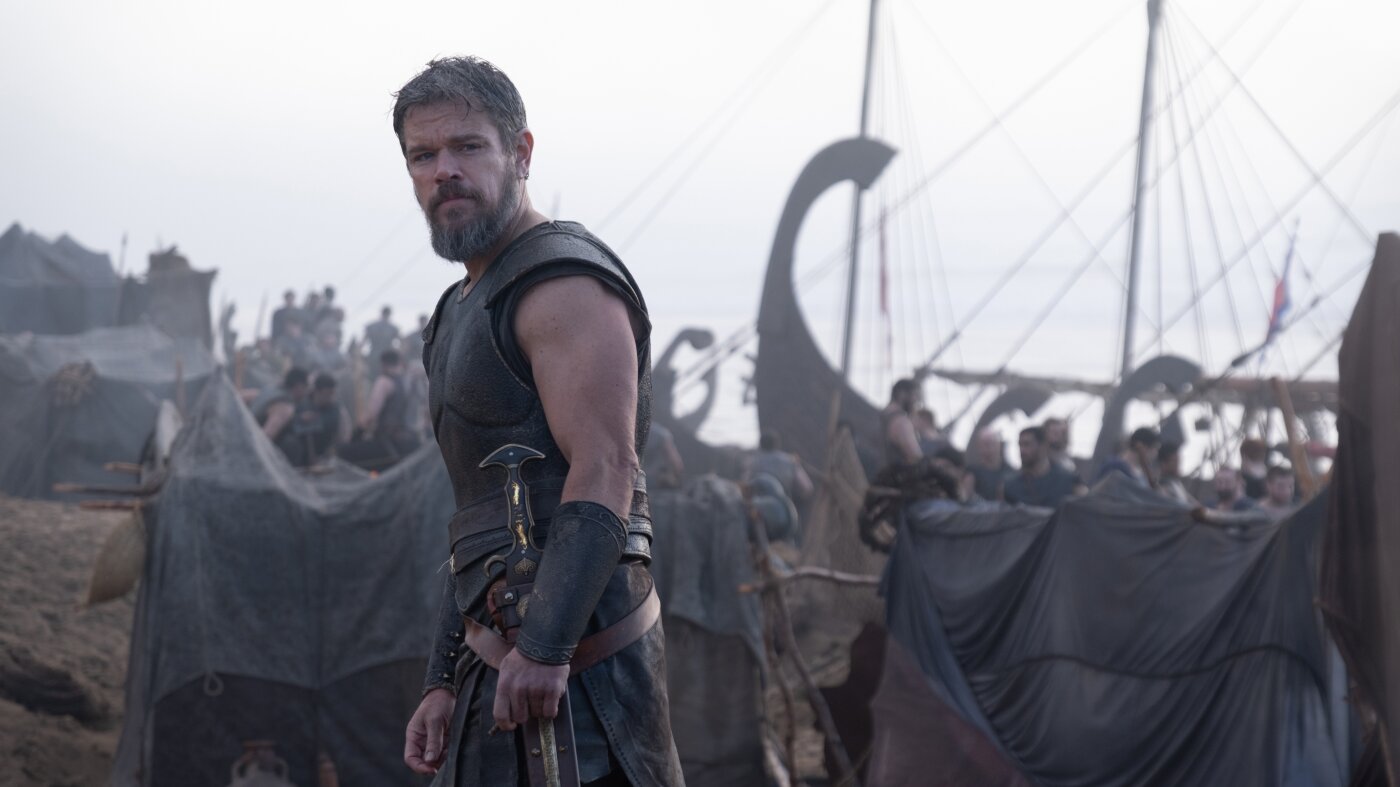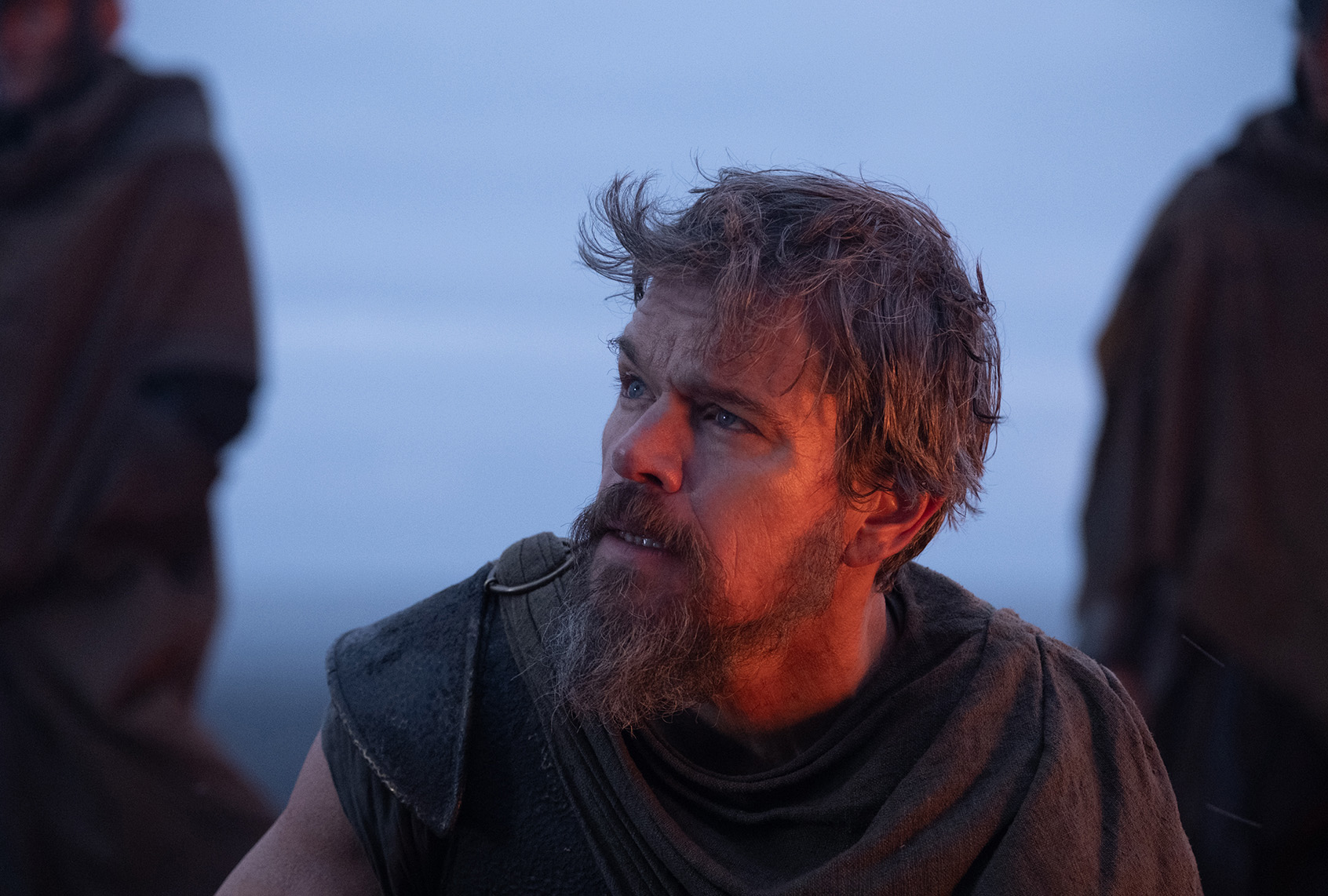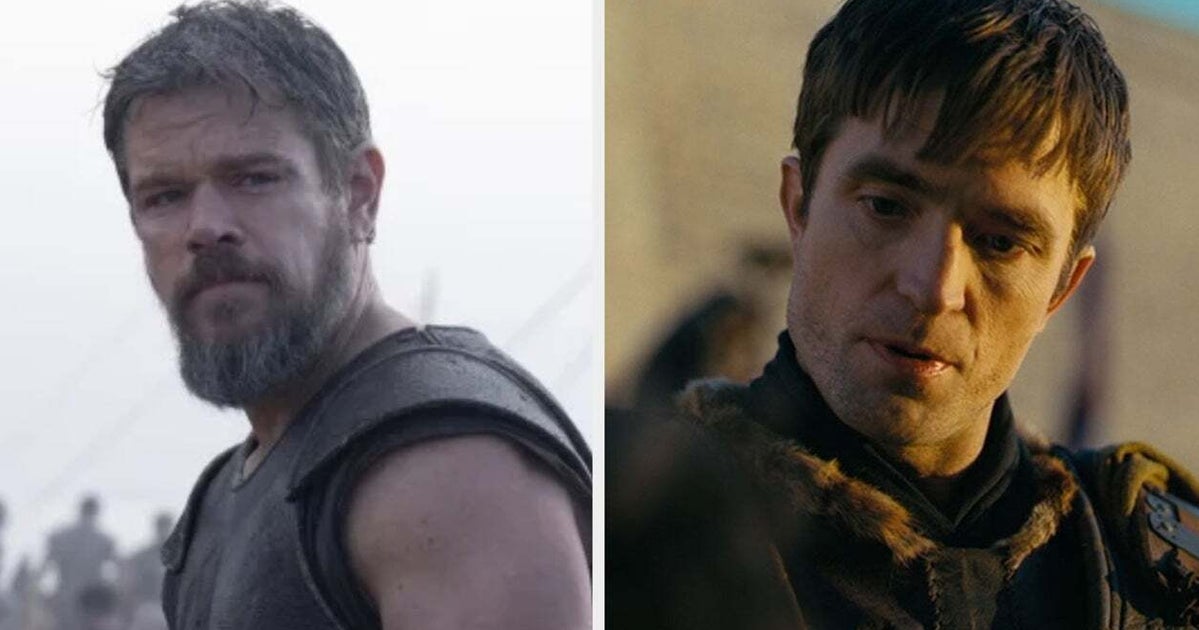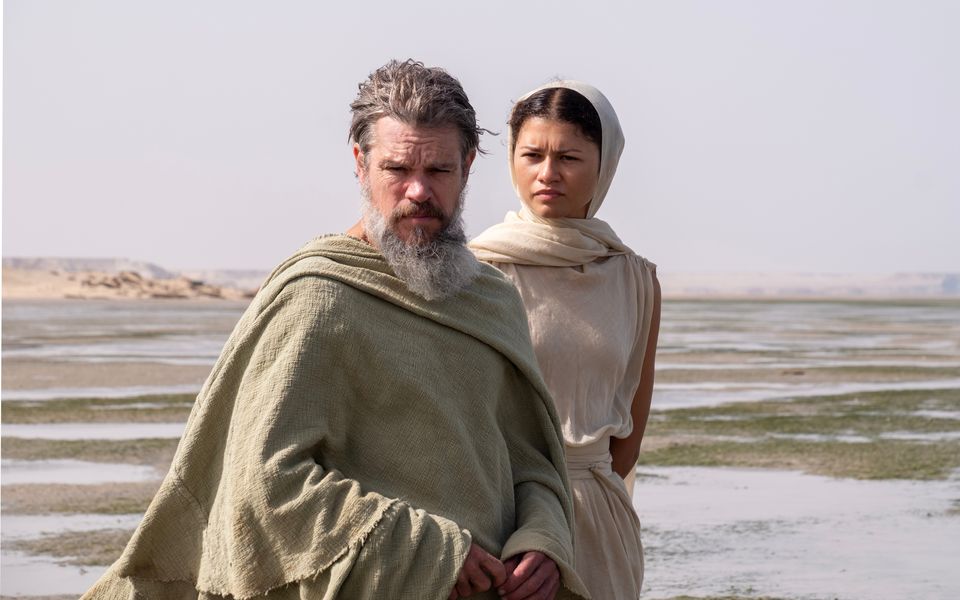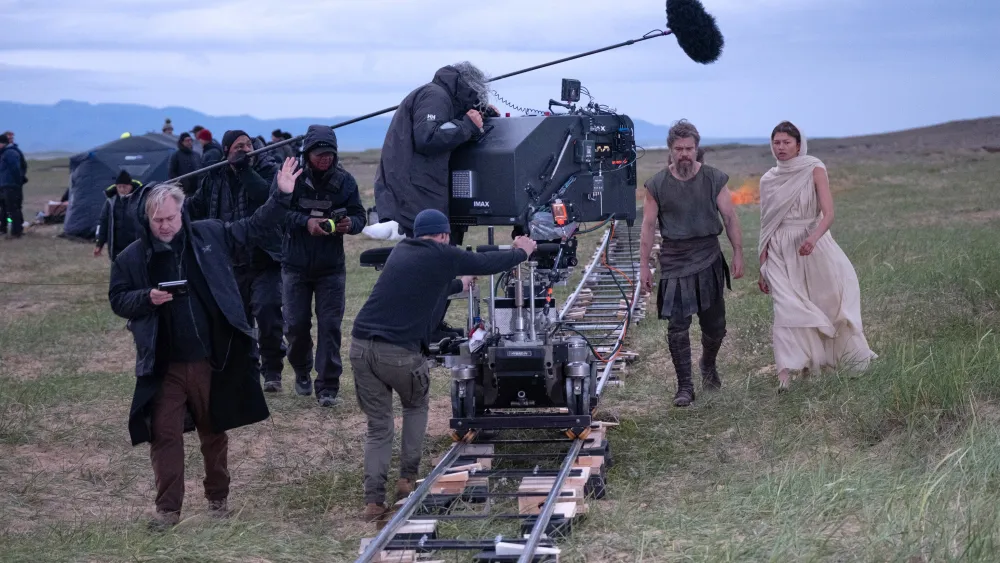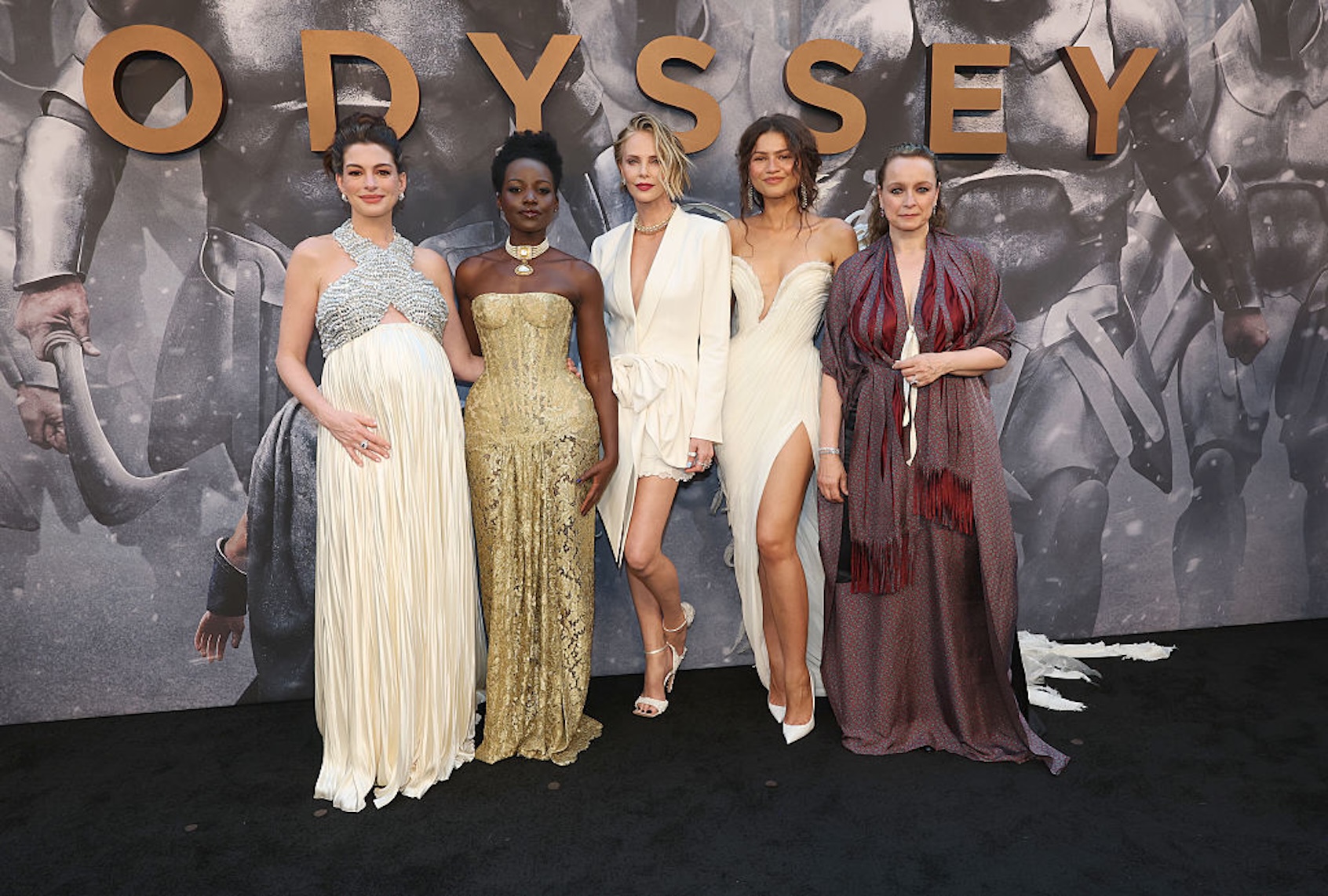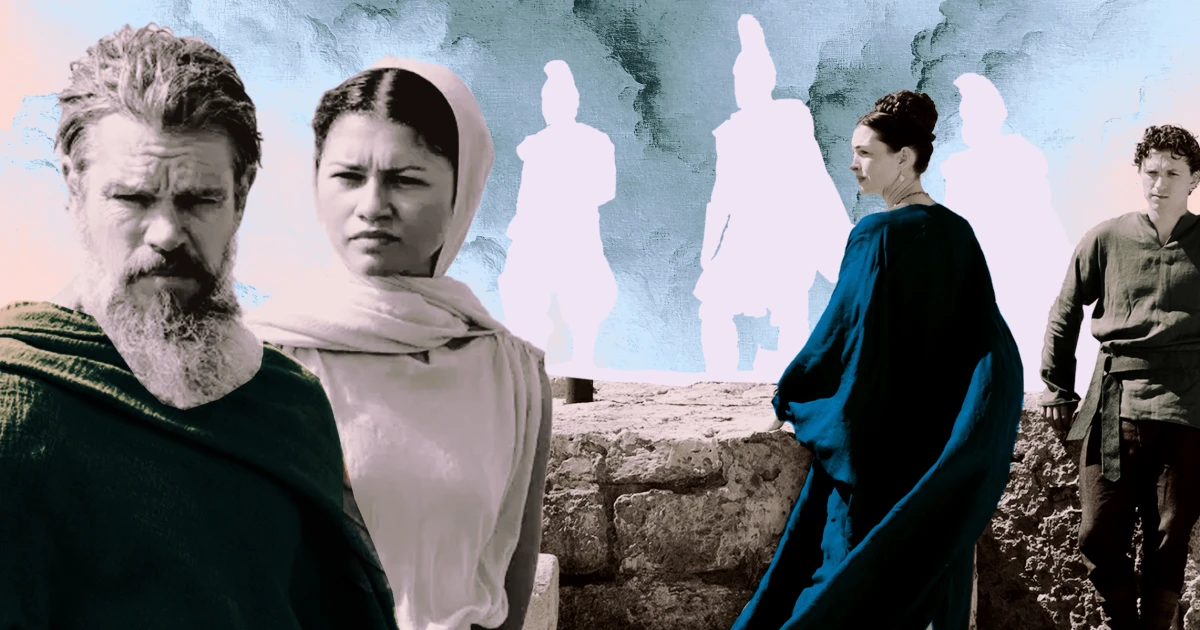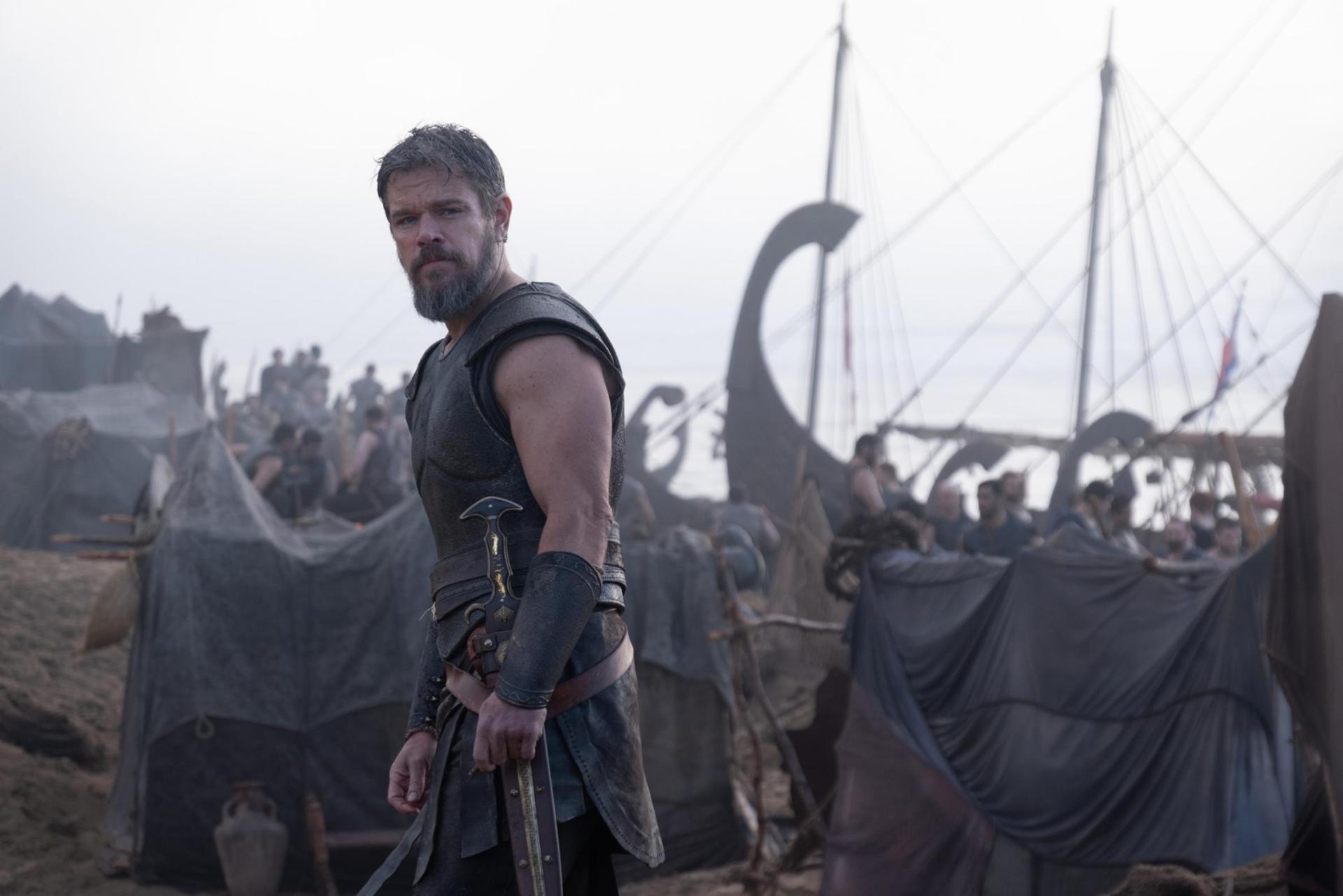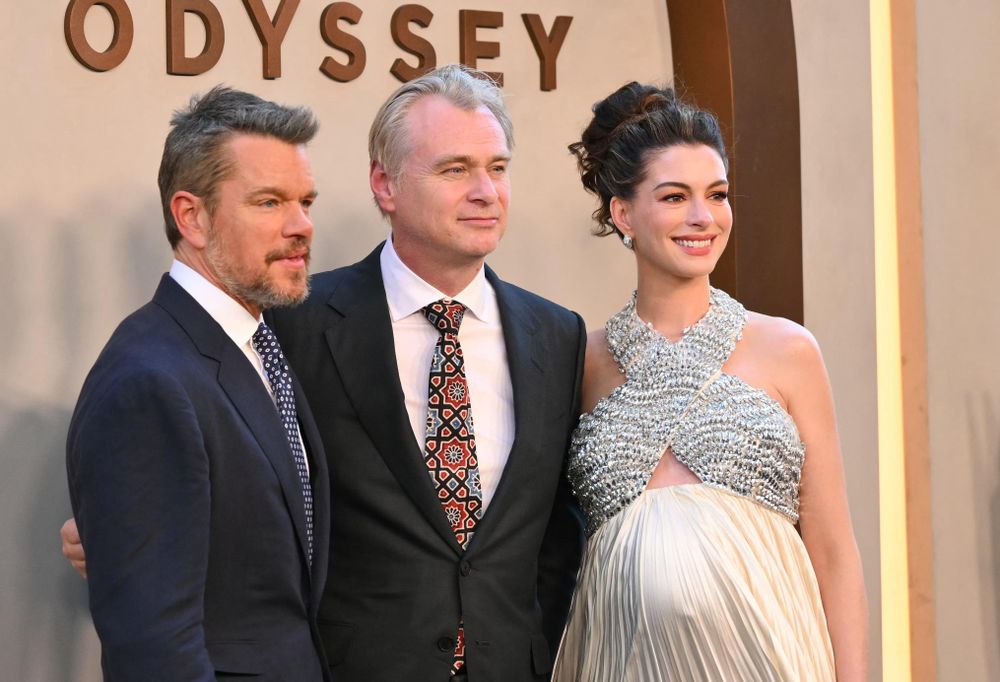
Matt Damon who played Odysseus, director Christopher Nolan and Anne Hathaway, who played his wife Penelope, attend "The Odyssey" premiere in New York.
Spencer A. Klavan
Spencer A. Klavan is the host of the “Young Heretics” podcast.
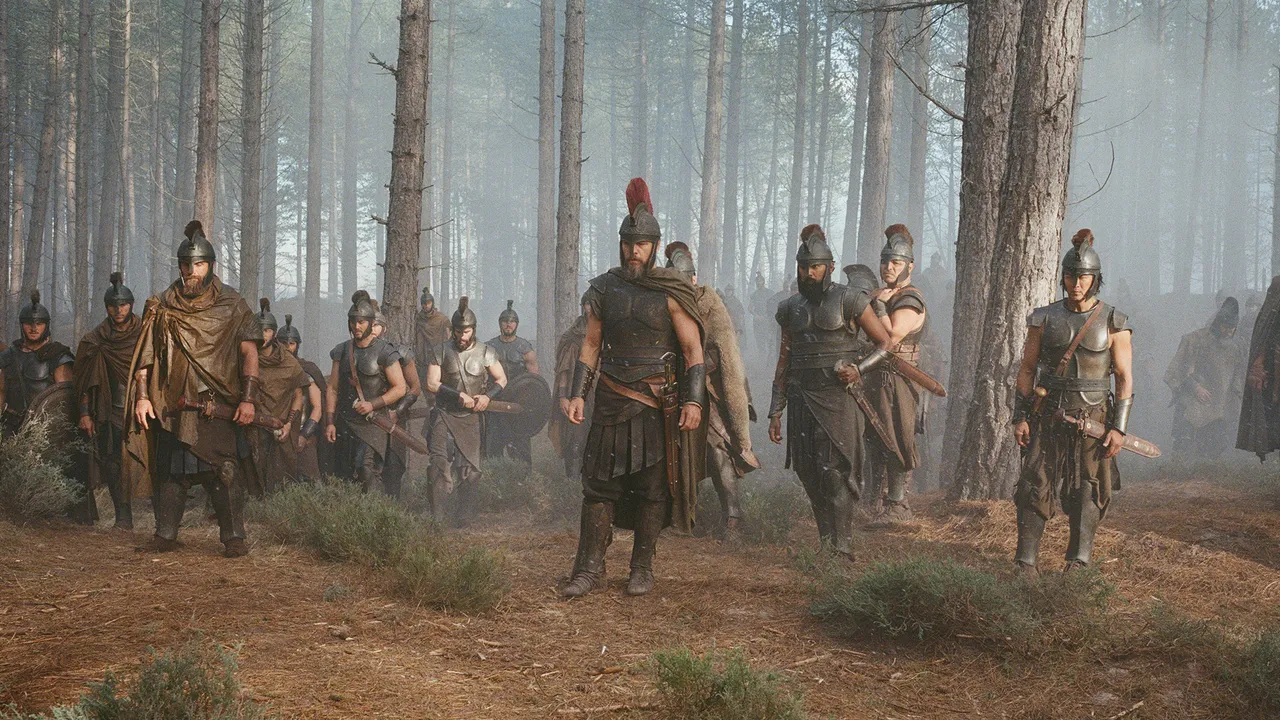
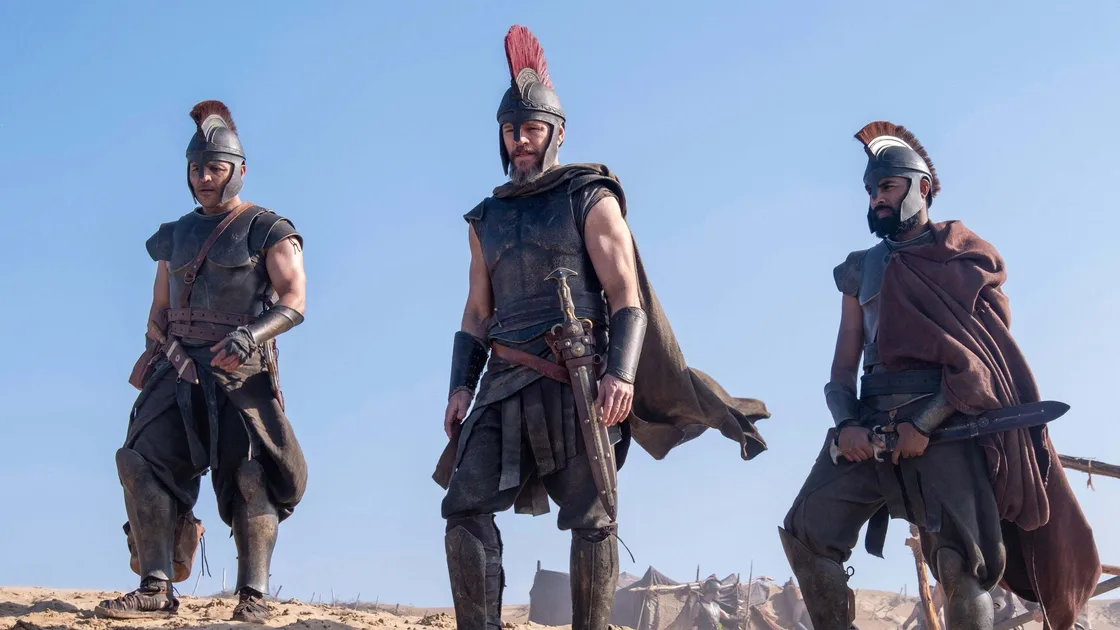
Christopher Nolan’s “The Odyssey” is a gorgeous rendition of a story that never gets old. No adaptation could possibly capture the full scope and intricacy of Nolan’s source material, the ancient Greek epic poem by the enigmatic figure called Homer. But Nolan reimagines many of the poem’s most compelling myths and picks up on some of Homer’s key themes. The movie, in theaters this week, will probably delight most viewers - and incense a few who had hoped for a more exactingly faithful rendering.
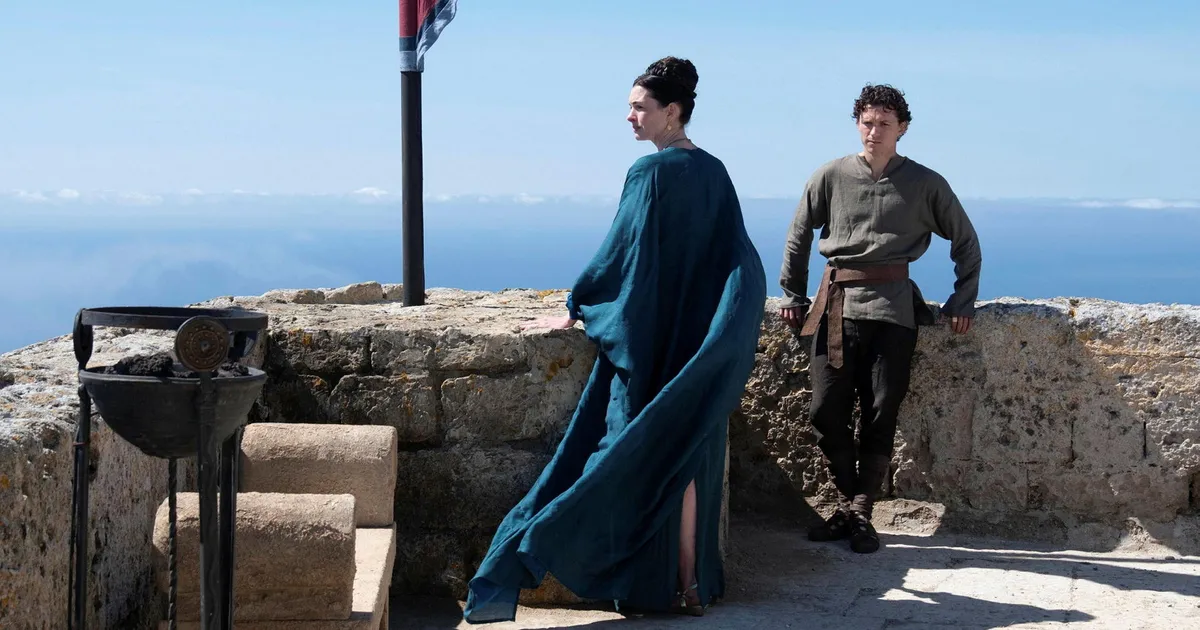
From the beginning, the tale of Odysseus was a retelling. The king of Ithaca, played in Nolan’s version by Matt Damon, fights with the Greeks against the eastern city of Troy for 10 years. He spends another 10 years grinding through extraordinary obstacles on the way home to his devoted wife, Penelope (Anne Hathaway), and their son, Telemachus (Tom Holland). In Homer’s poem, most of this is already a memory. Odysseus narrates the most famous parts of his journey in retrospect: his encounter with the ghastly man-eating Cyclops, for example, and his trial of wits with the deceitful witch Circe. “What shall I tell first, then?” Odysseus wonders aloud in the poem. “What should come last?”