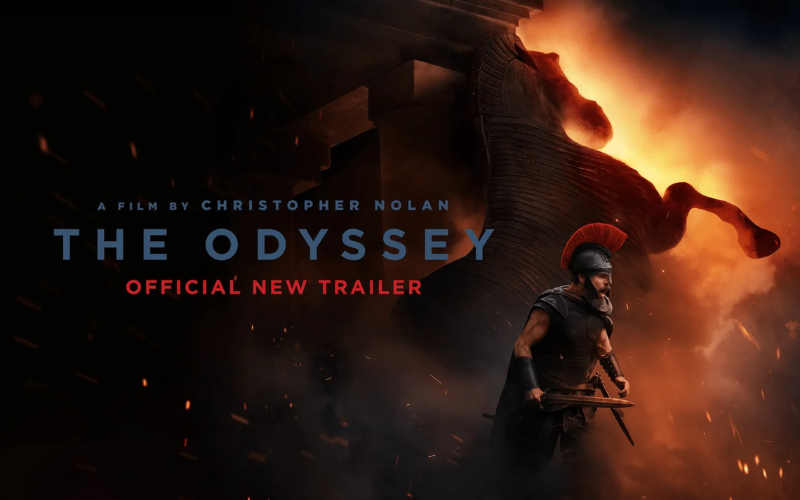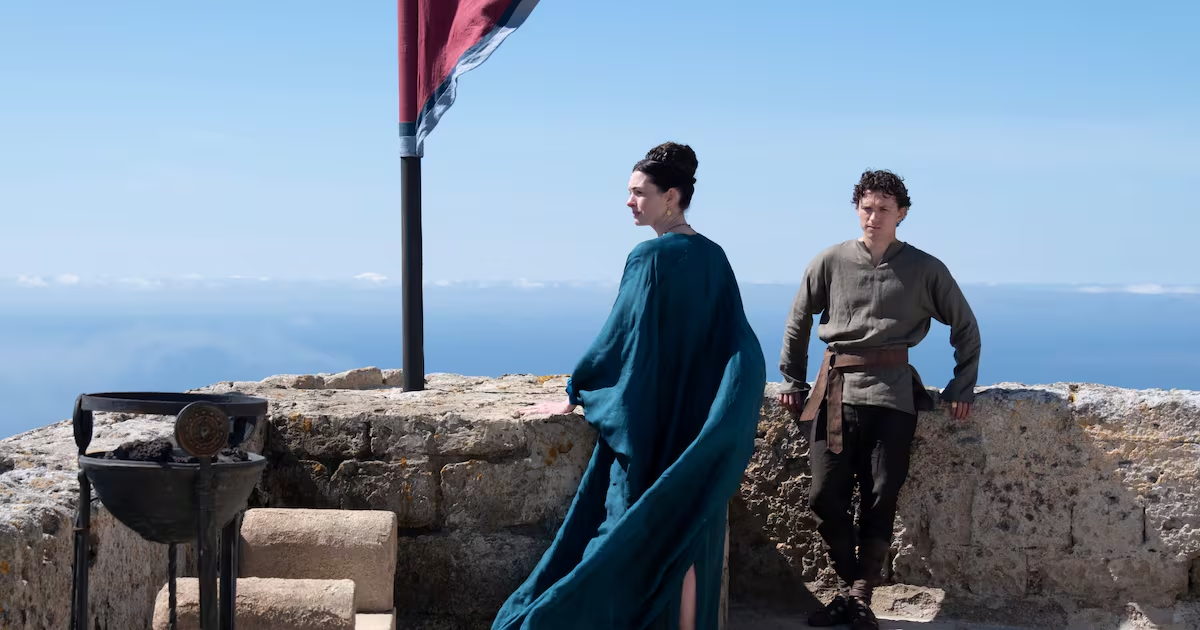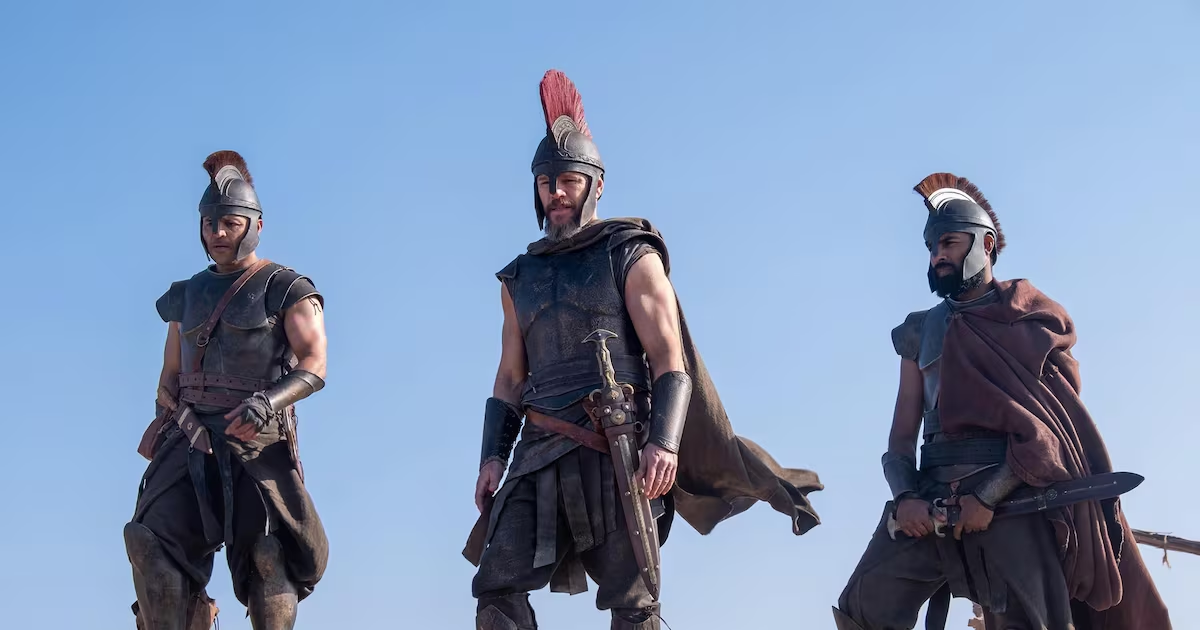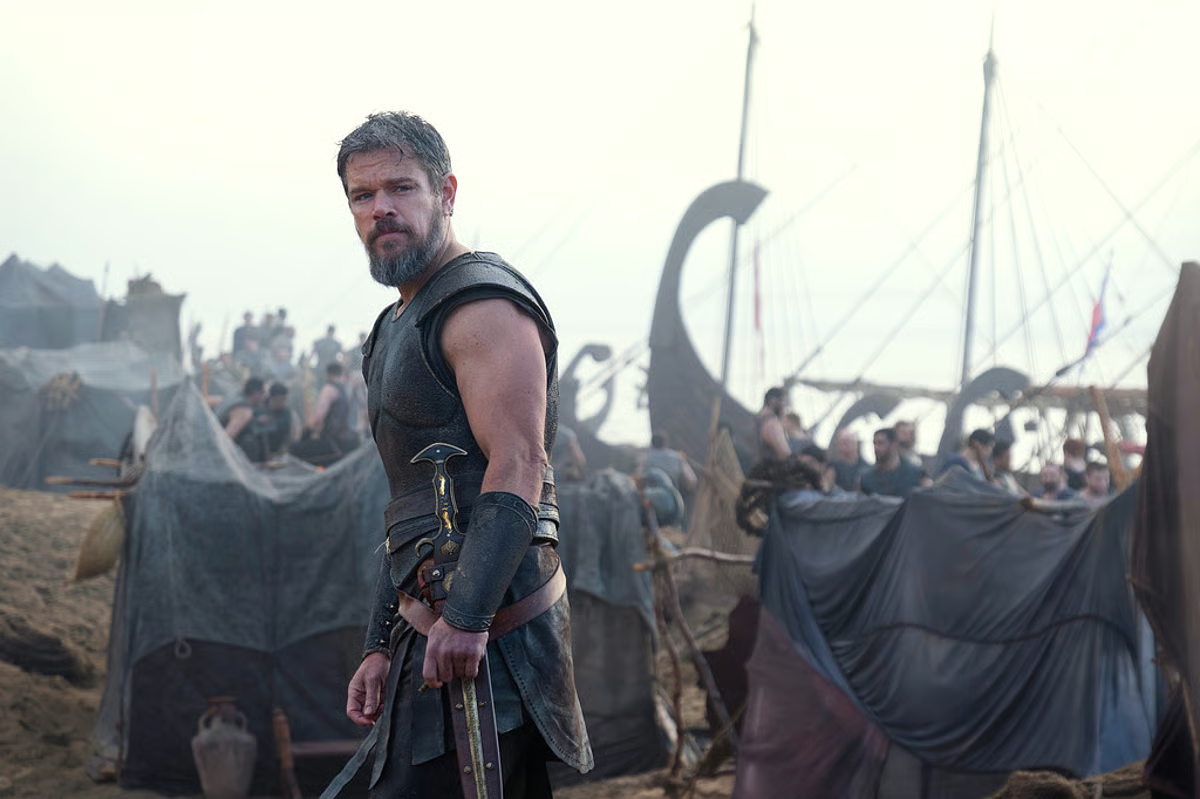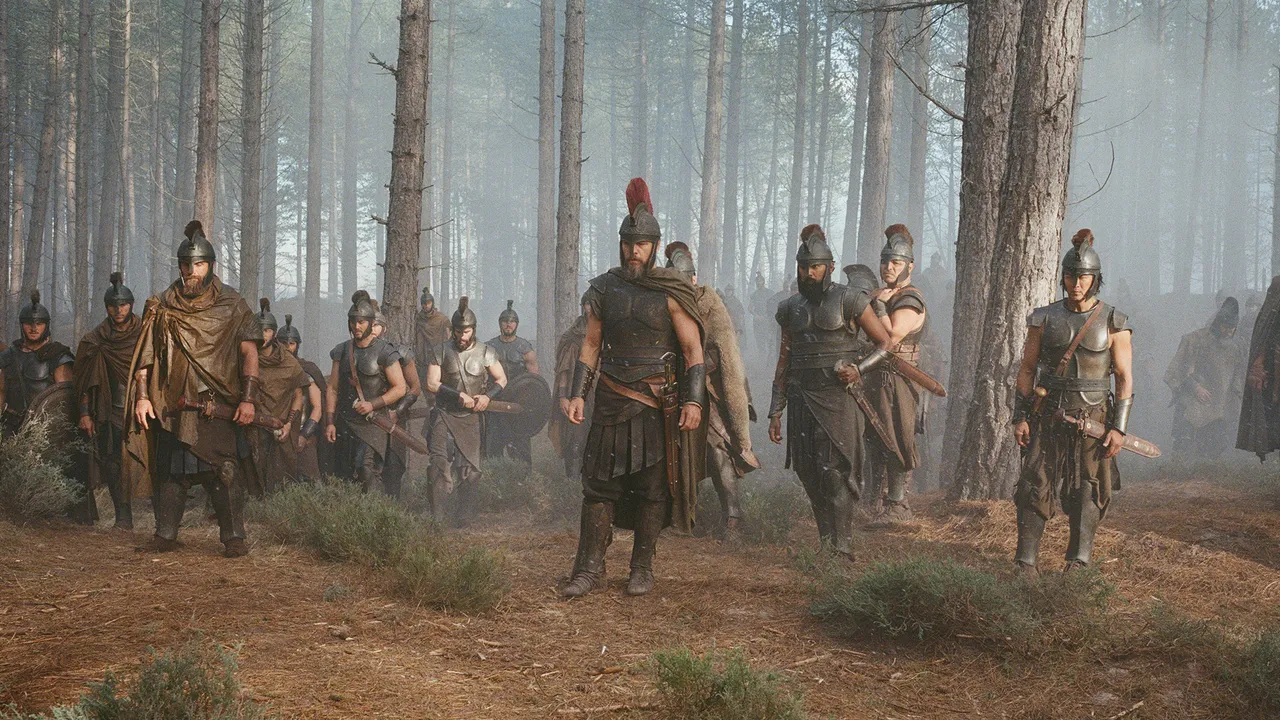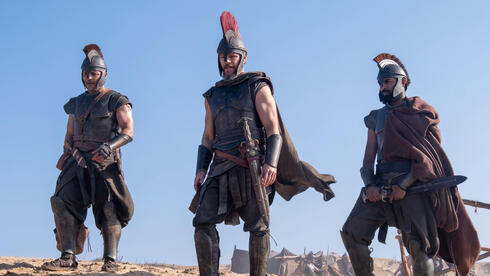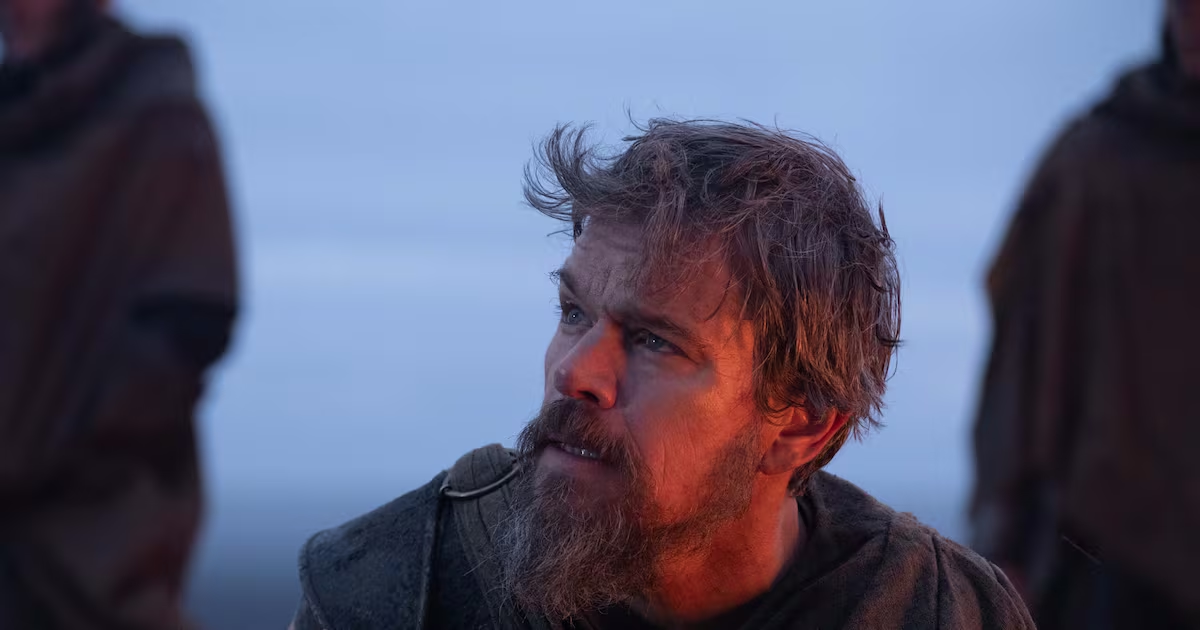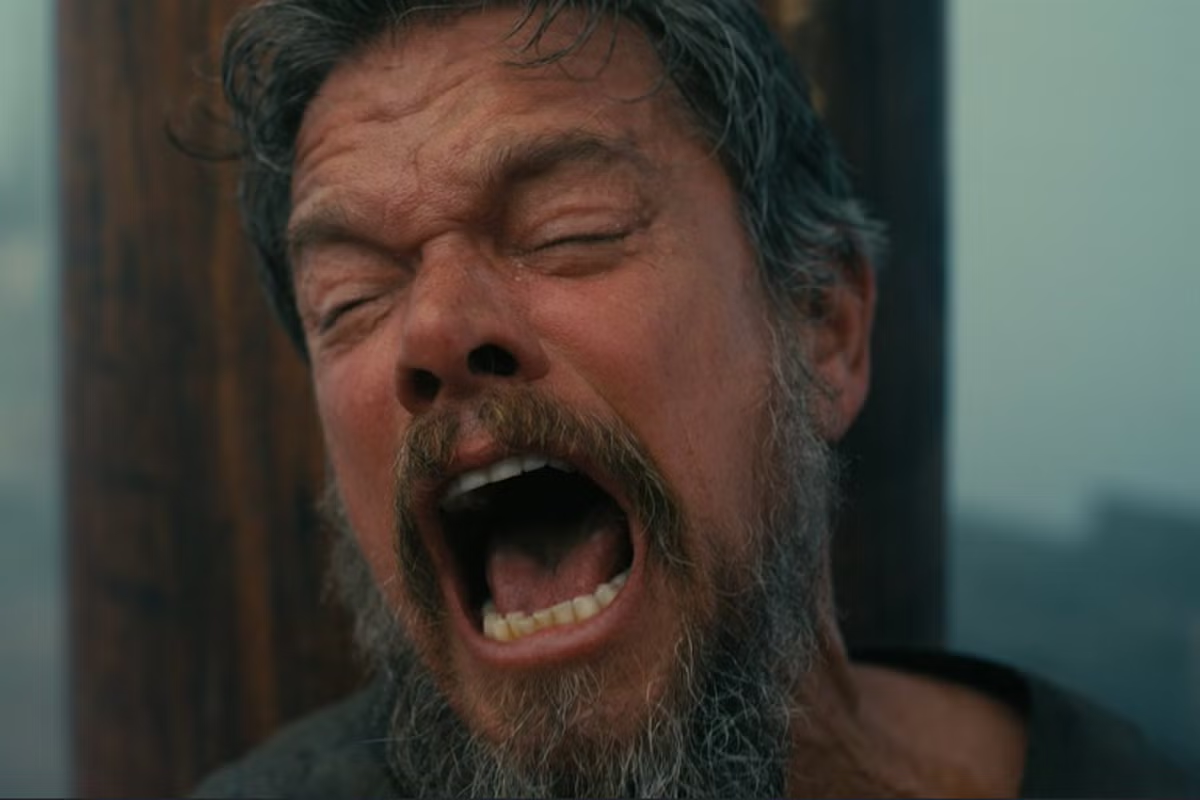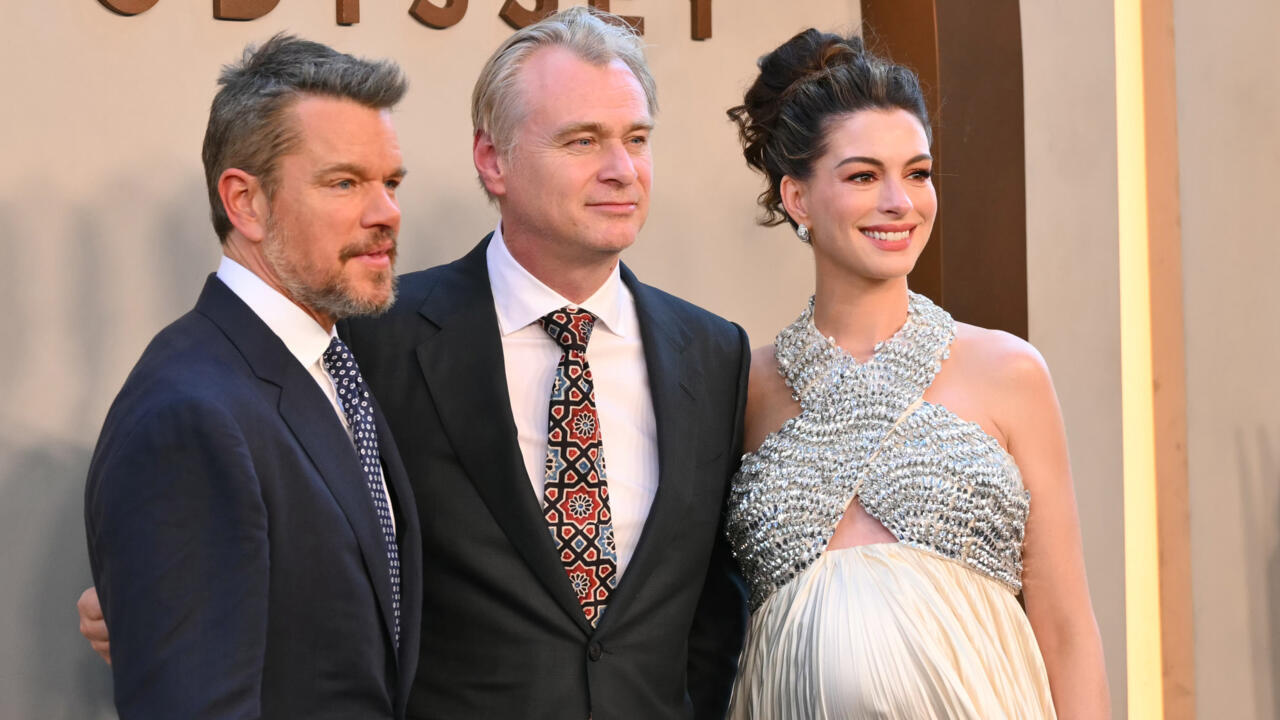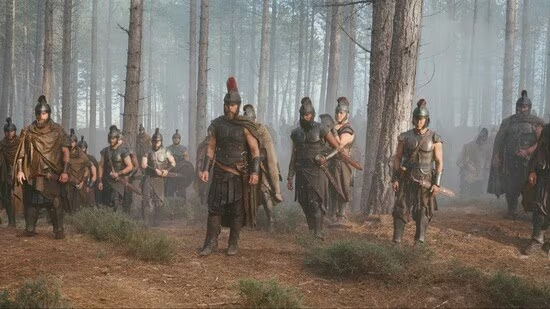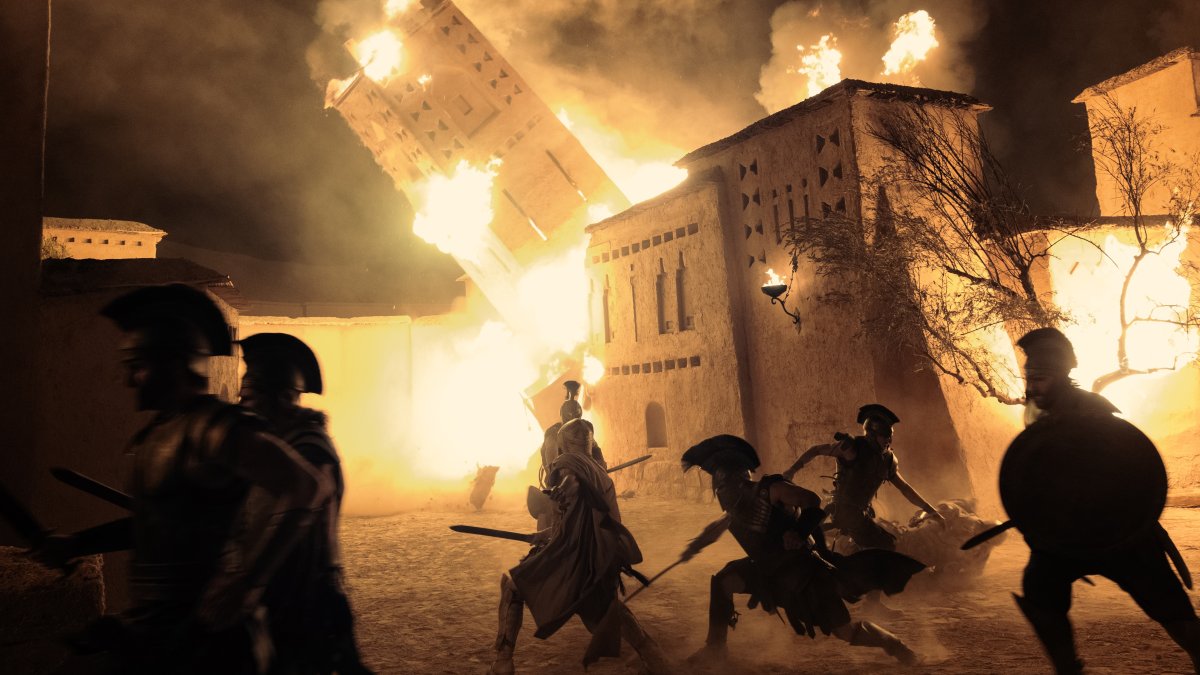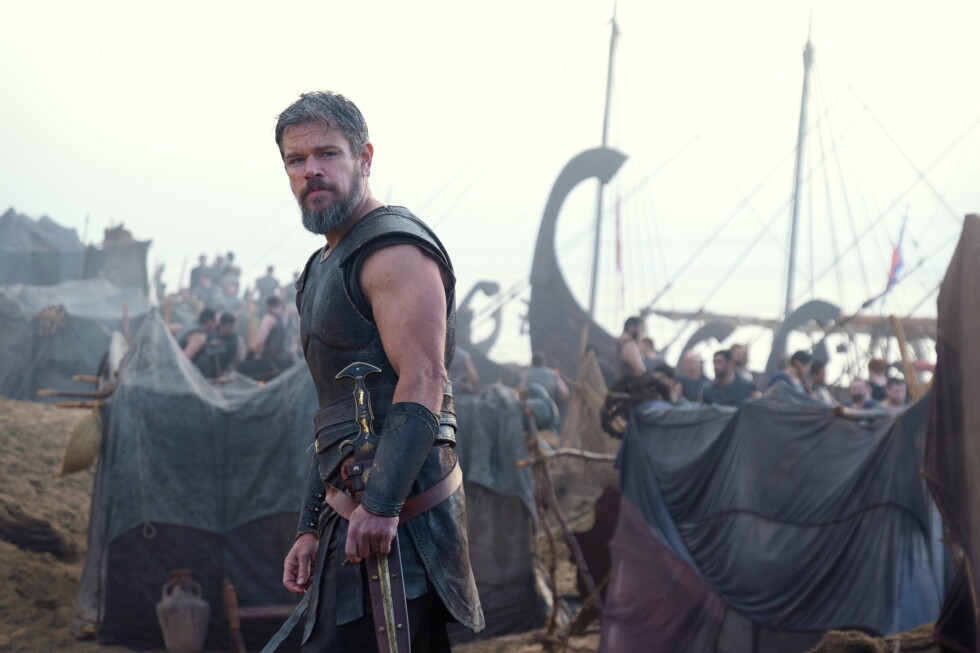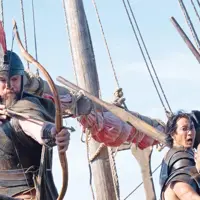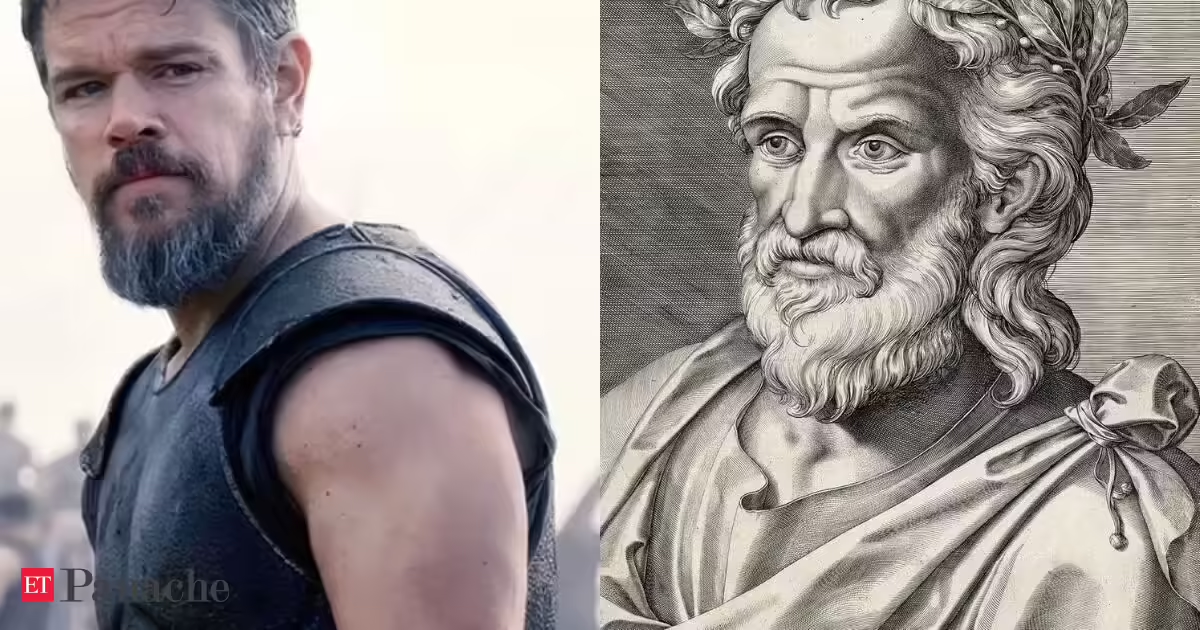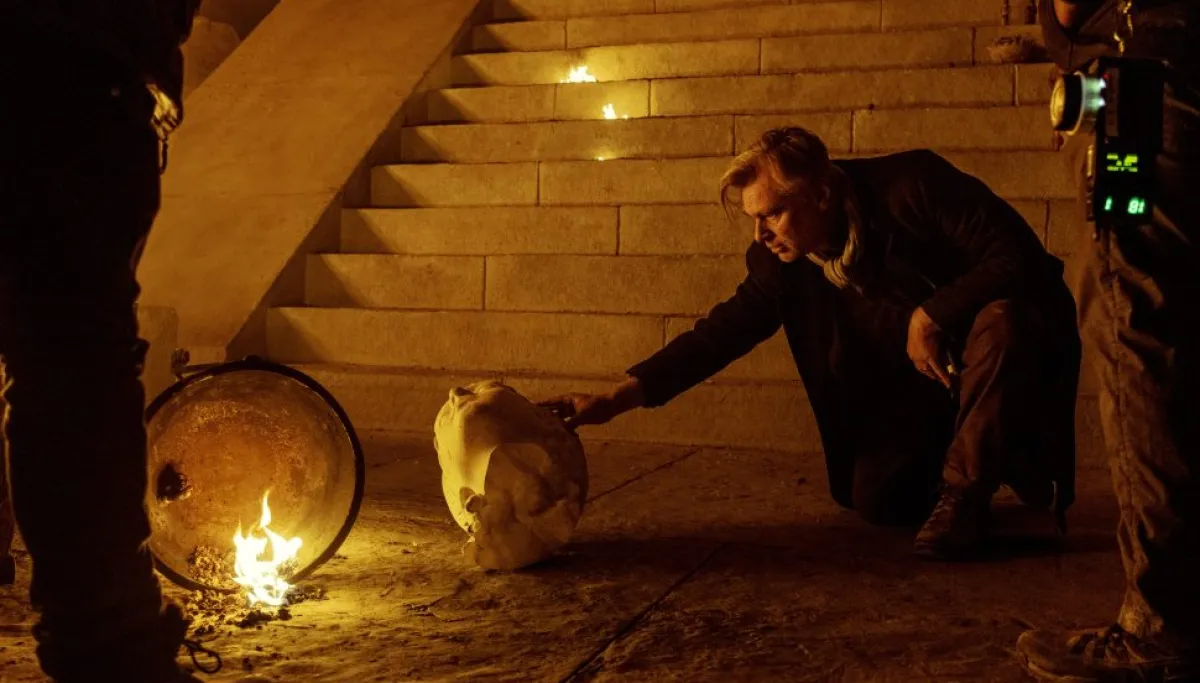
Christopher Nolan has long been fascinated by the journey home. His Batman origin story, at its core, concerned Bruce Wayne’s return to Gotham. Beneath its mounds of abstraction, Inception (2010) follows Cobb’s quest to clear his name and return to his children; Cooper spends Interstellar (2014) trying to do much the same across the vastness of space and time.Which brings us to The Odyssey, Nolan’s most direct treatment of the theme: an adaptation of Homer’s ancient epic. I read three translations of the poem in preparation for the film, not because I hoped to grade Nolan on his fidelity to the source material, but because it is intriguing to see what varied interpretations a nearly 3,000-year-old poem can yield.Nolan has cited Emily Wilson’s modern translation, with its famous invocation of Odysseus as “a complicated man,” as an inspiration. Yet, to me, his bombastic big-screen rendition pulses with the same everyman accessibility as W.H.D. Rouse’s 1937 prose translation, which dispensed with poetic frills and delivered an action-adventure epic for the masses. In Nolan’s benighted Bronze Age world, Odysseus (appropriately played by a grizzled Matt Damon) and his men speak in ordinary American accents and hurl F-bombs. Nobody sounds as though he has wandered in from a classics seminar. This is no bad thing.
Christopher Nolan’s The Odyssey is a blockbuster worthy of Homer
Despite rumors to the contrary, Nolan has given Homer's epic a movie adaptation that only someone of his genius could.
1,259 words~6 min read