in Uncategorized | July 28th, 2026 Leave a Comment
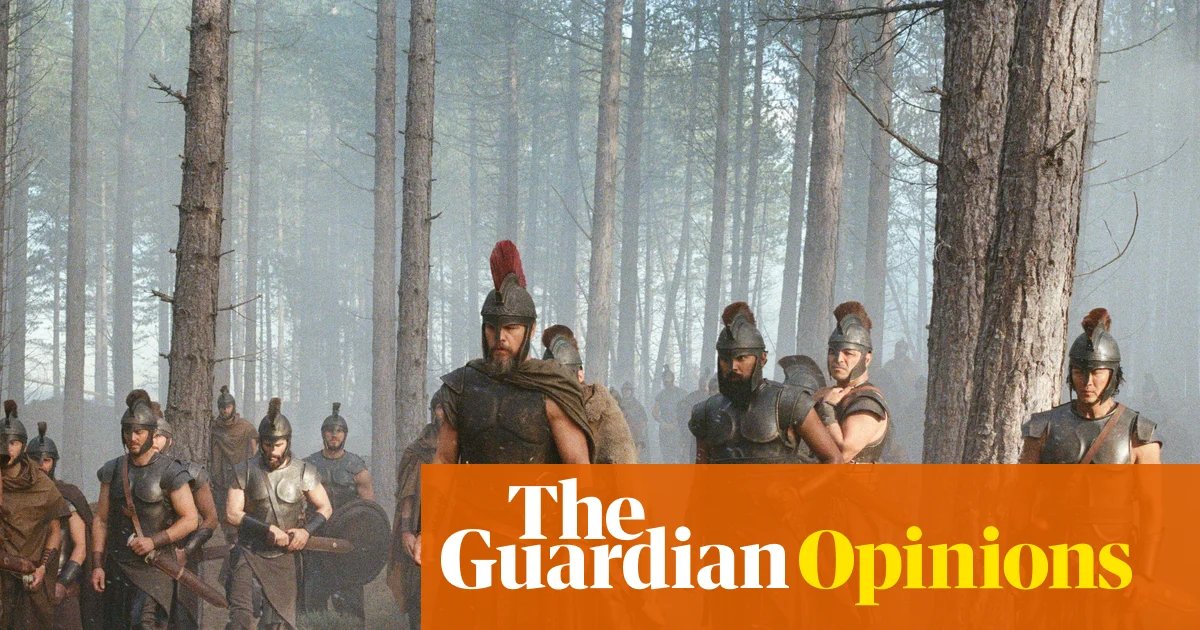
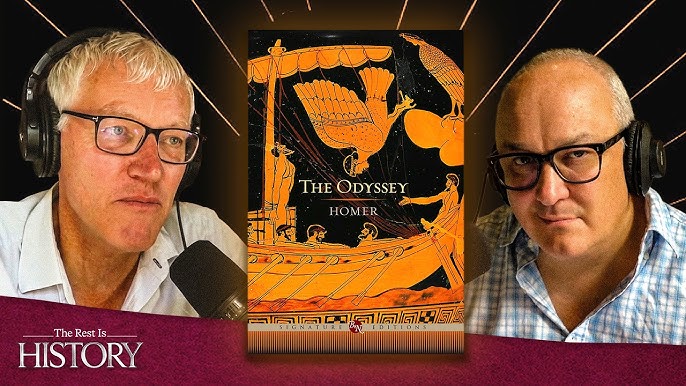
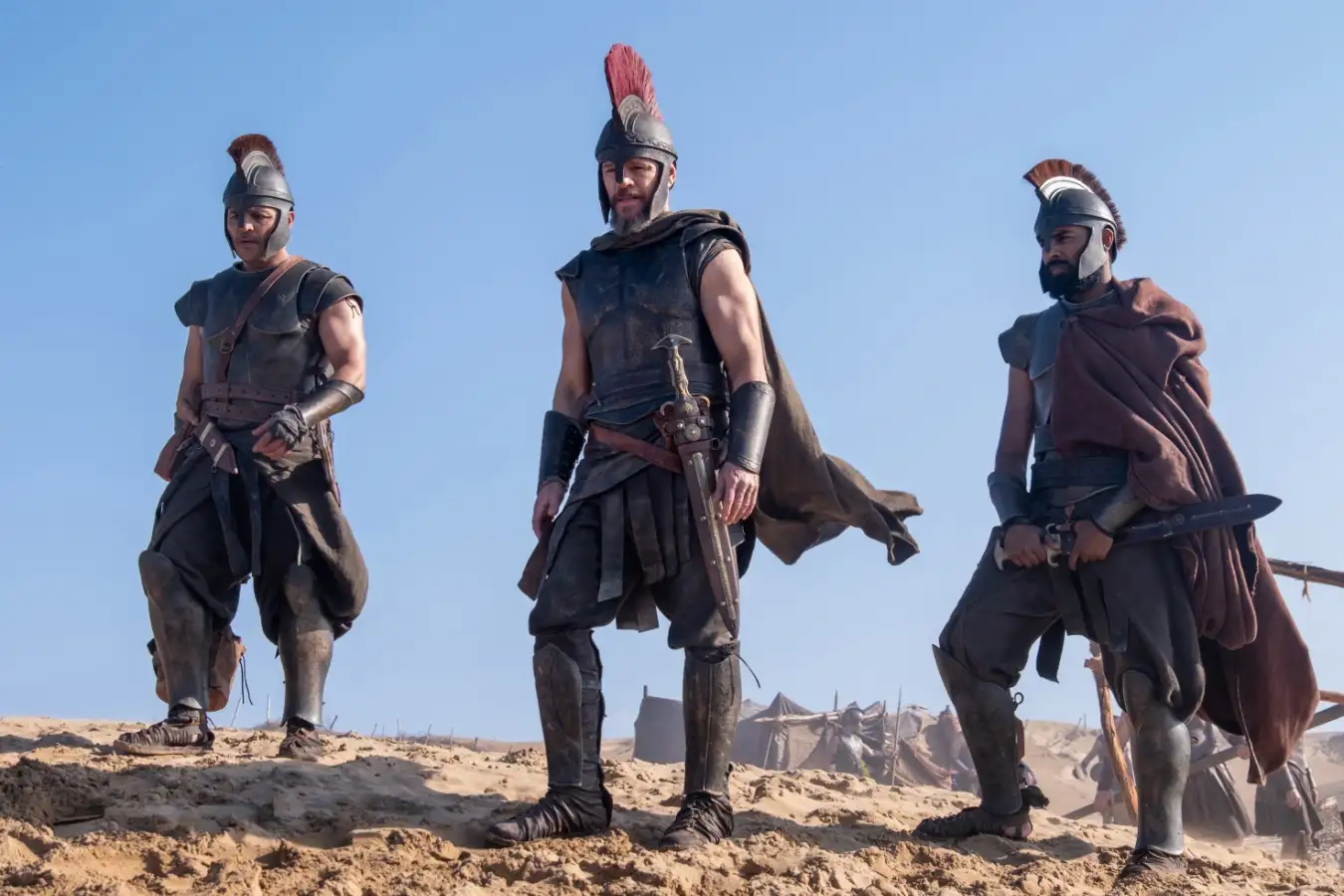
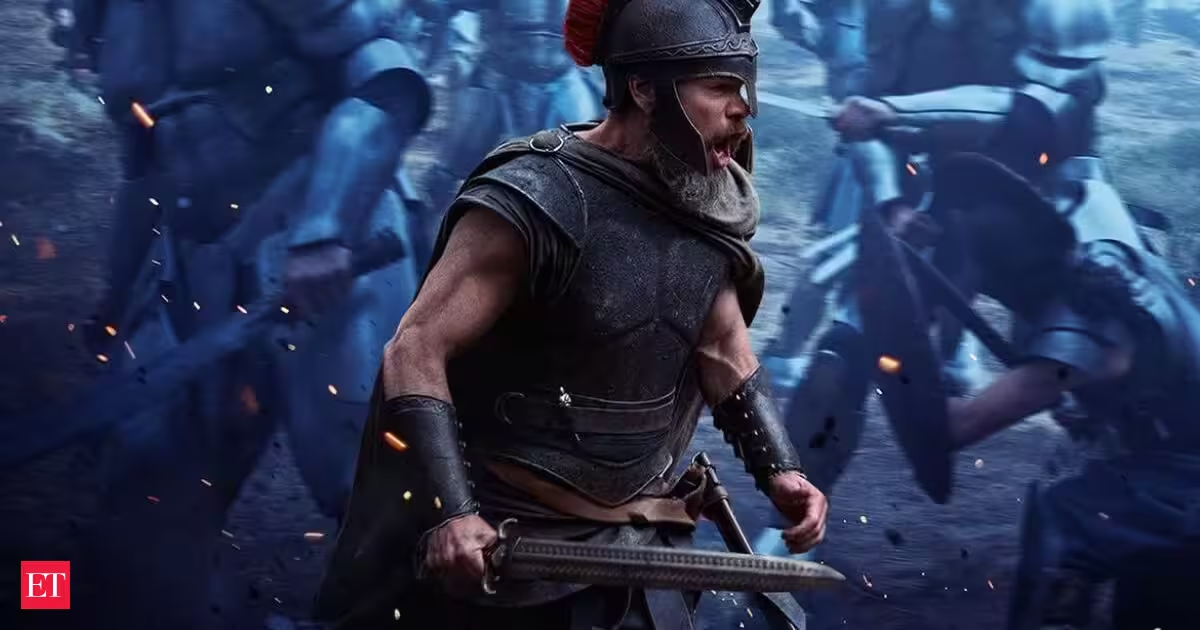
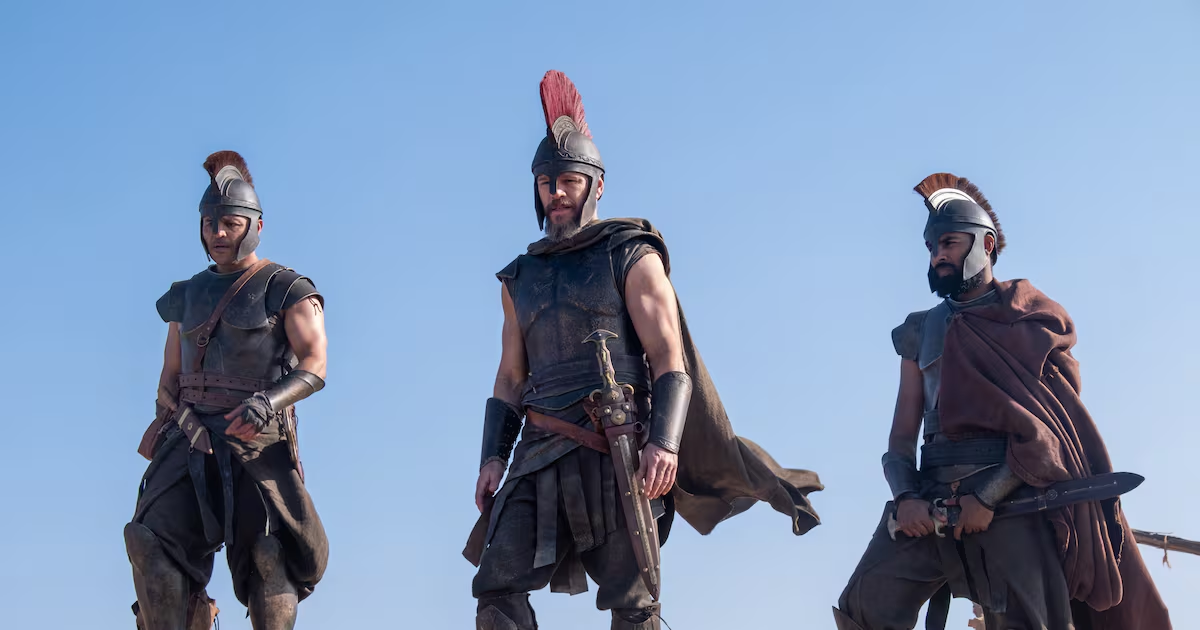
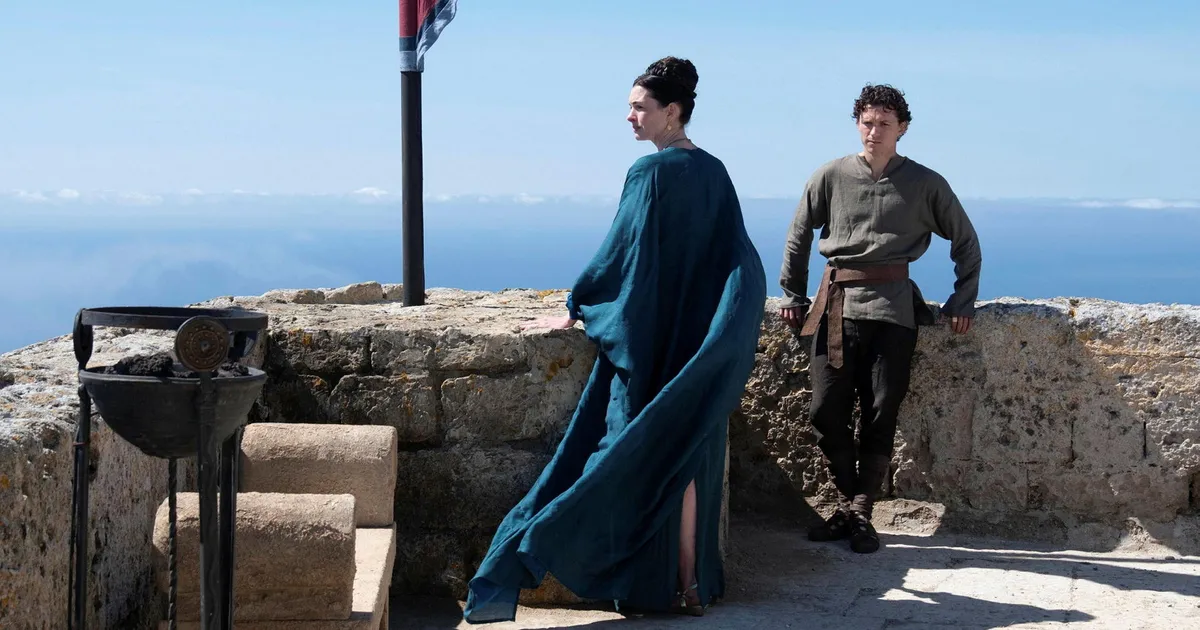
At the moment, the answer to the question of why we should read Homer’s Odyssey seems rather straightforward: so we can more intelligently voice our opinions on Christopher Nolan’s new blockbuster film adaptation. A quarter-century ago, the matter was somewhat less clear. Still, an occasion had presented itself in the form of a new English translation, by University of Kansas classics professor Stanley Lombardo. That book, and the work of Homer in general, was the subject of a live two-hour roundtable discussion aired on C‑SPAN’s Book TV in the fall of 2000, which, with the Odyssey back in the zeitgeist, appeared on YouTube just days ago.
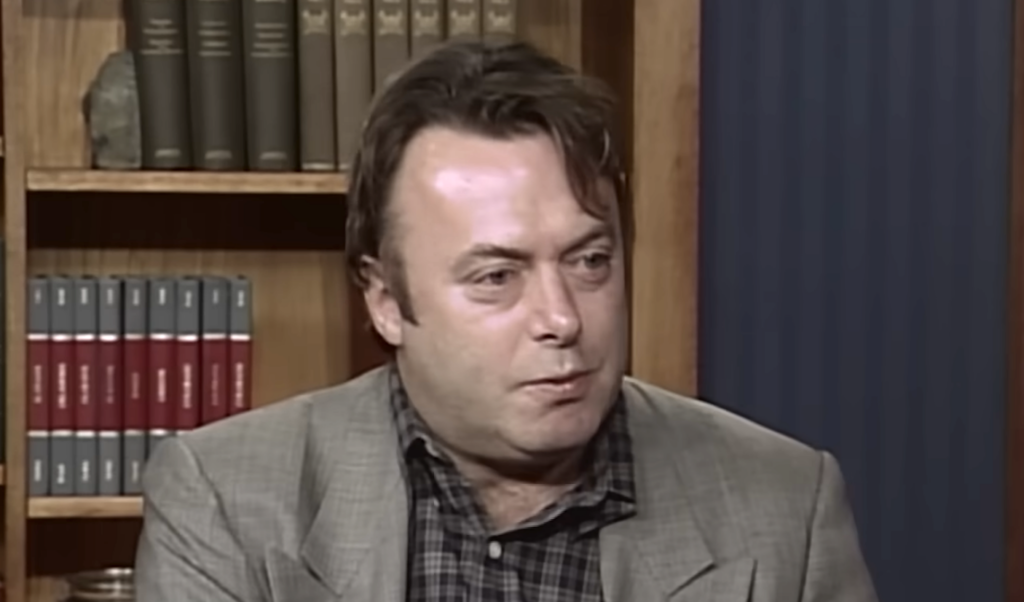
Apart from Lombardo himself, the participants include Joseph Bottum, then literary editor of the Weekly Standard; journalist and military veteran Debra J. Dickerson; and Christopher Hitchens, who clearly participated not just because he happened to be living in Washington, D.C., but also out of a genuine appreciation for the Odyssey and an understanding of its relevance in the modern world. Early on in the text, he explains, Homer introduces the concepts of hubris and nemesis, which “we cannot do without in ordinary discourse. There are certain punishments that appear to fall on people, for original arrogance or conceit, that we can’t conceive of relating grand stories without.”