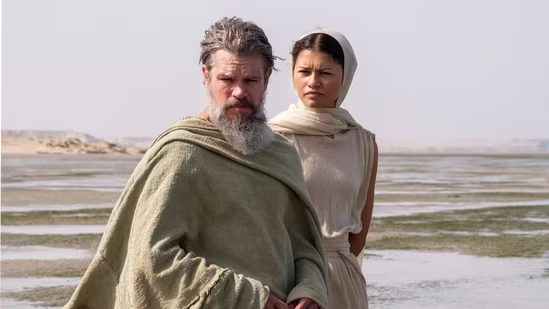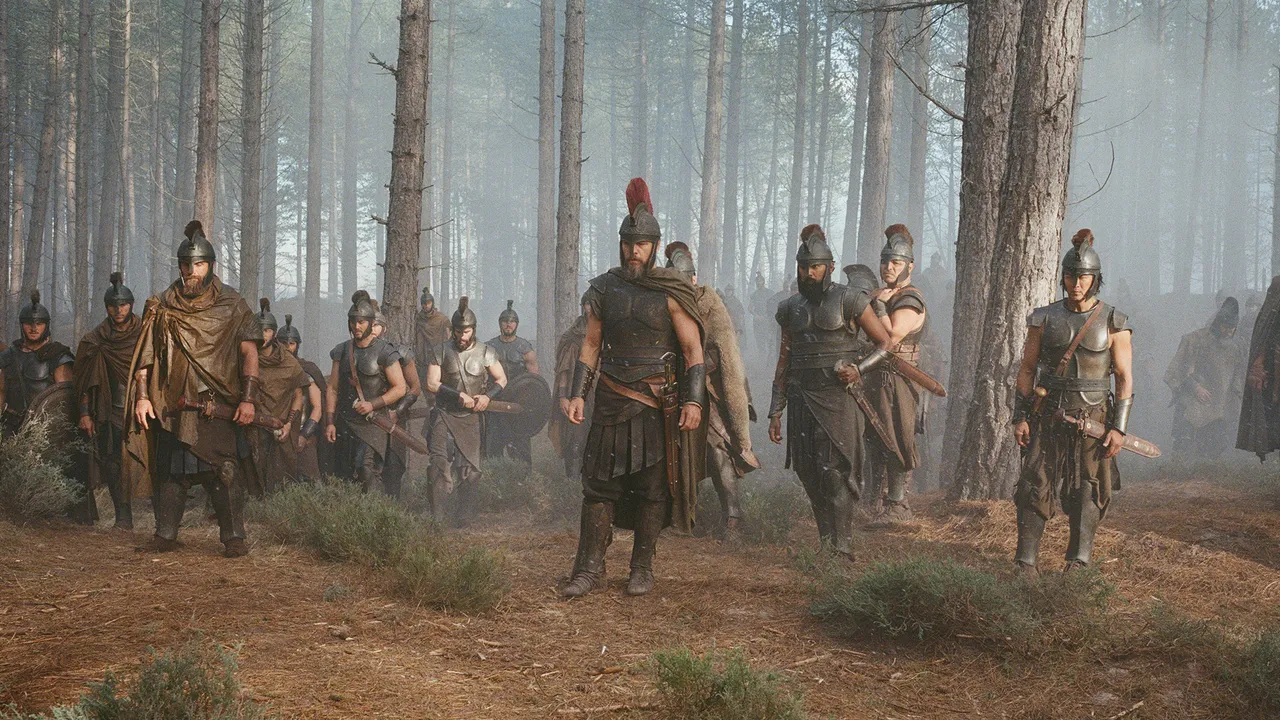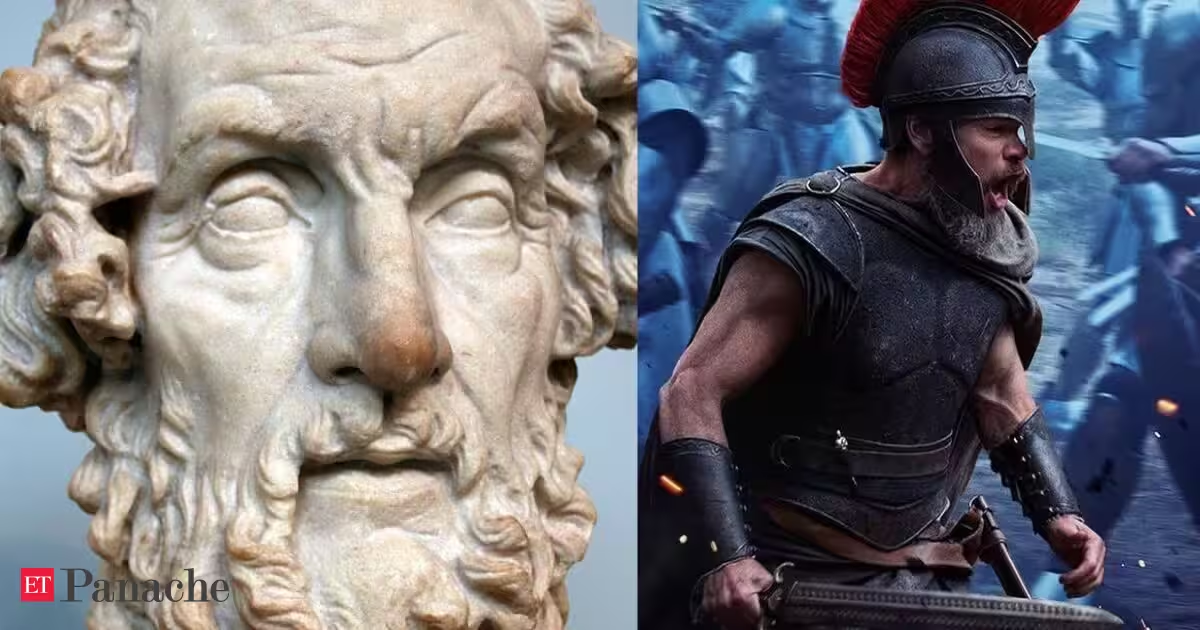
Christopher Nolan's The Odyssey has finally made its way to theatres in a spectacular IMAX release, sparking passionate reactions from audiences and critics alike. While some are calling it a cinematic masterpiece and others remain unconvinced, one thing is certain: Homer's original The Odyssey continues to resonate nearly three millennia after it was composed. Beyond its epic battles, monsters and heroic adventures, the ancient Greek poem is filled with timeless reflections on resilience, loss and the human experience. One of its most memorable passages comes during a quiet conversation, where the focus shifts from adventure to the value of sharing life's hardships. “These nights are endless, and a man can sleep through them, or he can enjoy listening to stories, and you have no need to go to bed before it is time. Too much sleep is only a bore. And of the others, any one whose heart and spirit urge him can go outside and sleep, and then, when the dawn shows, breakfast first, then go out to tend the swine of our master. But we two, sitting here in the shelter, eating and drinking, shall entertain each other remembering and retelling our sad sorrows. For afterwards a man who has suffered much and wandered much has pleasure out of his sorrows.” What does the quote mean? At first glance, the line may seem paradoxical. How can someone find pleasure in sorrow? Homer suggests that suffering changes with time. Painful experiences, once endured, become stories that reveal a person's resilience rather than their weakness. Looking back on hardship allows people to recognise how far they have come, the lessons they have learned and the strength they discovered along the way. The surrounding passage reinforces this idea. Rather than rushing to sleep, the characters choose to stay awake, eating, drinking and recounting their journeys. Their stories become a source of comfort and companionship. Shared memories transform grief into wisdom and loneliness into connection. The quote reminds readers that while suffering cannot be avoided, it does not have to define a person forever. With time, reflection and survival, even the darkest chapters can become meaningful parts of one's life story. Why the quote remains relevant today In an age where people often seek instant solutions to life's problems, Homer's words offer a different perspective. They suggest that hardships are not merely obstacles but experiences that shape character. Whether it is recovering from failure, coping with personal loss, overcoming illness or rebuilding after setbacks, many people eventually find themselves reflecting on difficult periods with gratitude for what they learned. The pain may never disappear entirely, but its meaning changes. The quote also highlights the importance of storytelling. Sharing experiences with others can ease emotional burdens and remind people that they are not alone in their struggles. Homer is traditionally regarded as one of the greatest poets in history and is believed to have lived in ancient Greece around the 8th century BCE. Although historians continue to debate whether Homer was a single individual or a name representing a tradition of oral poets, he is credited with composing two foundational works of Western literature—The Iliad and The Odyssey. The Iliad chronicles a brief but crucial period during the Trojan War, while The Odyssey follows the long and perilous journey of Odysseus as he struggles to return home after the war. The epic explores themes of perseverance, loyalty, identity, temptation, fate and the enduring hope of homecoming. For centuries, Homer's works have influenced literature, philosophy, theatre and modern storytelling, inspiring countless adaptations across books, films and television.Why The Odyssey still captivates audiences Part of The Odyssey's enduring appeal lies in its balance of grand adventure and deeply human emotion. While the epic features legendary creatures such as the Cyclops, the Sirens and Scylla, its emotional core revolves around universal experiences—missing loved ones, facing uncertainty, enduring hardship and finding the strength to continue. That is why, thousands of years after it was first recited, Homer's words continue to speak to readers around the world. The reminder that "a man who has suffered much and wandered much has pleasure out of his sorrows" remains one of the epic's most profound insights: time may not erase suffering, but it can transform it into wisdom, resilience and a story worth telling.
Quote of the Day from Homer's The Odyssey: 'A man who has suffered much and wandered much has pleasure out of his sorrows' — A timeless lesson on suffering and resilience
Christopher Nolan's "The Odyssey" film release sparks discussions about the ancient poem. Homer's "The Odyssey" explores themes of resilience and loss across millennia. The poem suggests suffering transforms into wisdom and strength over time. Sharing hardships eases emotional burdens and fosters connection among people. This ancient epic continues to captivate audiences with its human emotions and grand adventure.
713 words~3 min read