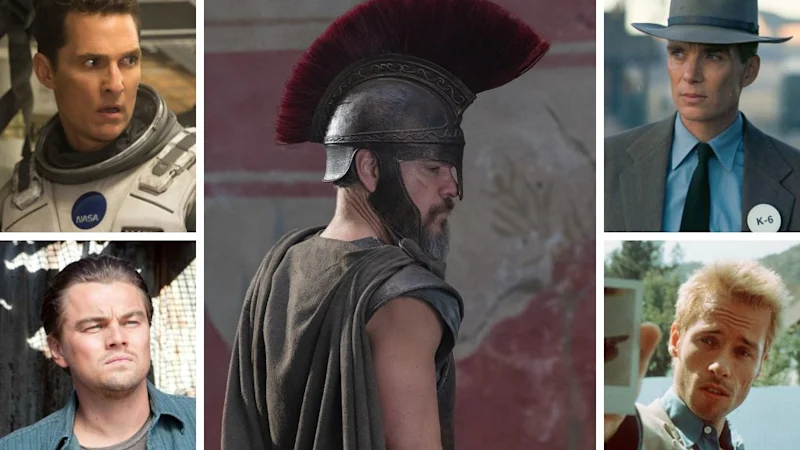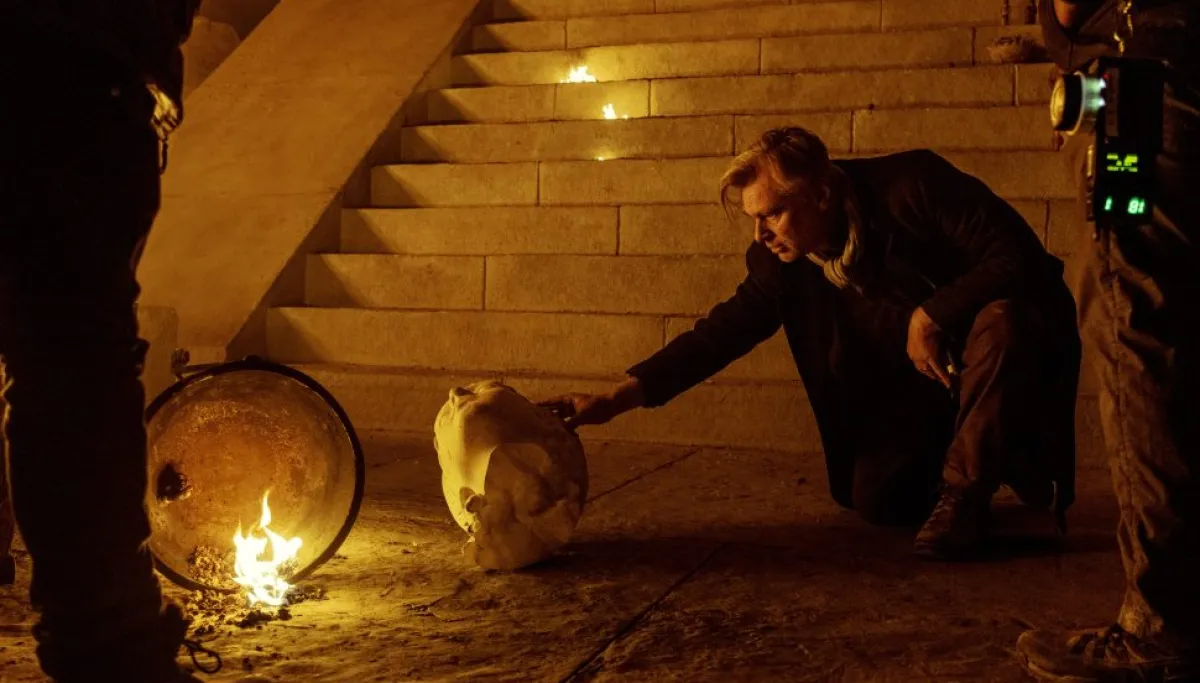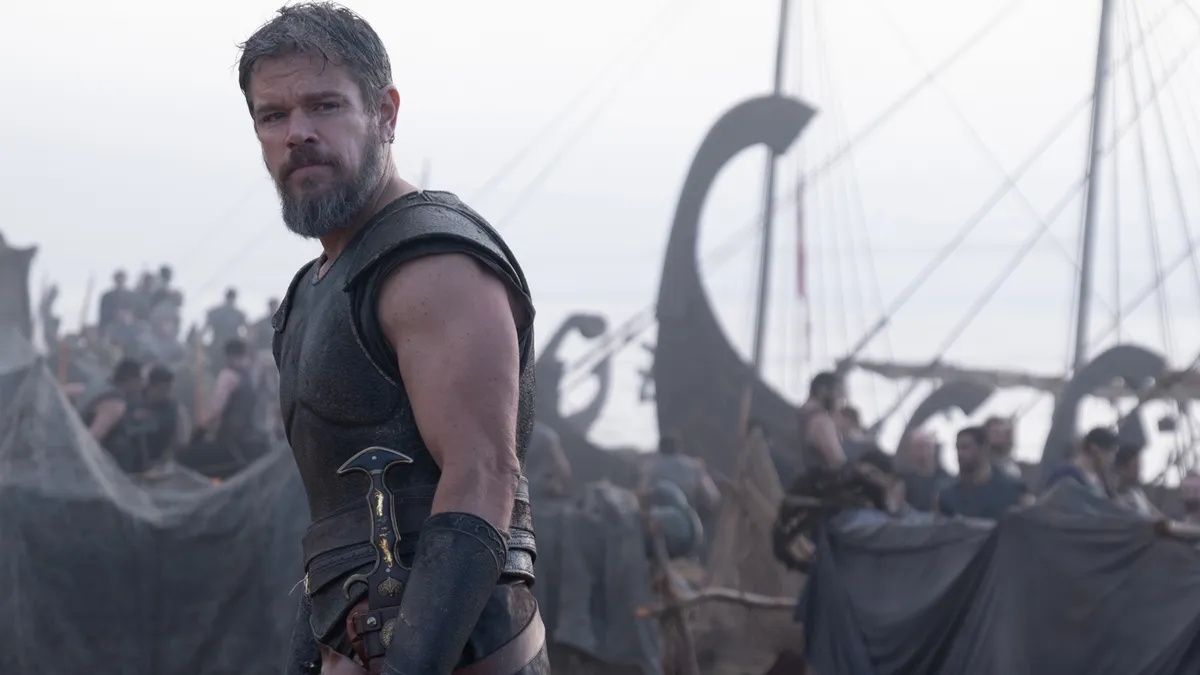
Christopher Nolan breaks down how “Jaws,” “Alien” and a wildly divisive Martin Scorsese movie informed his star-studded epic “The Odyssey.”Show Caption
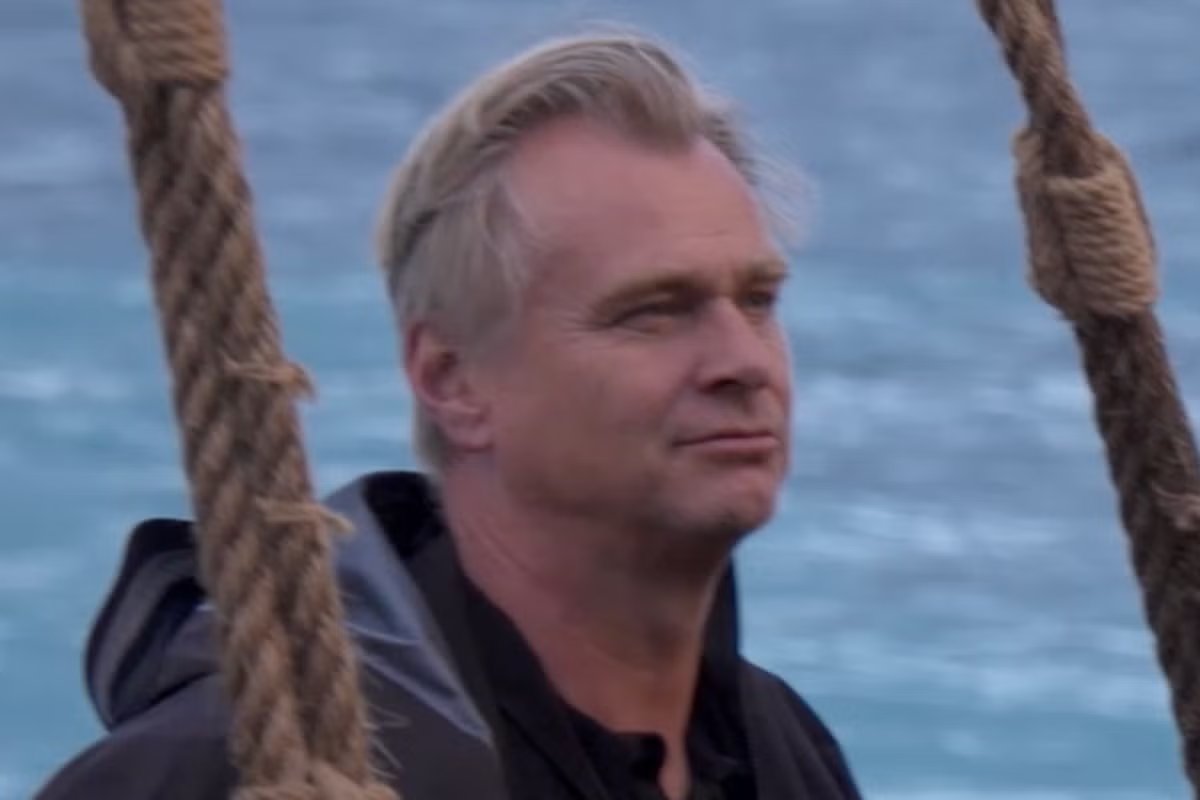
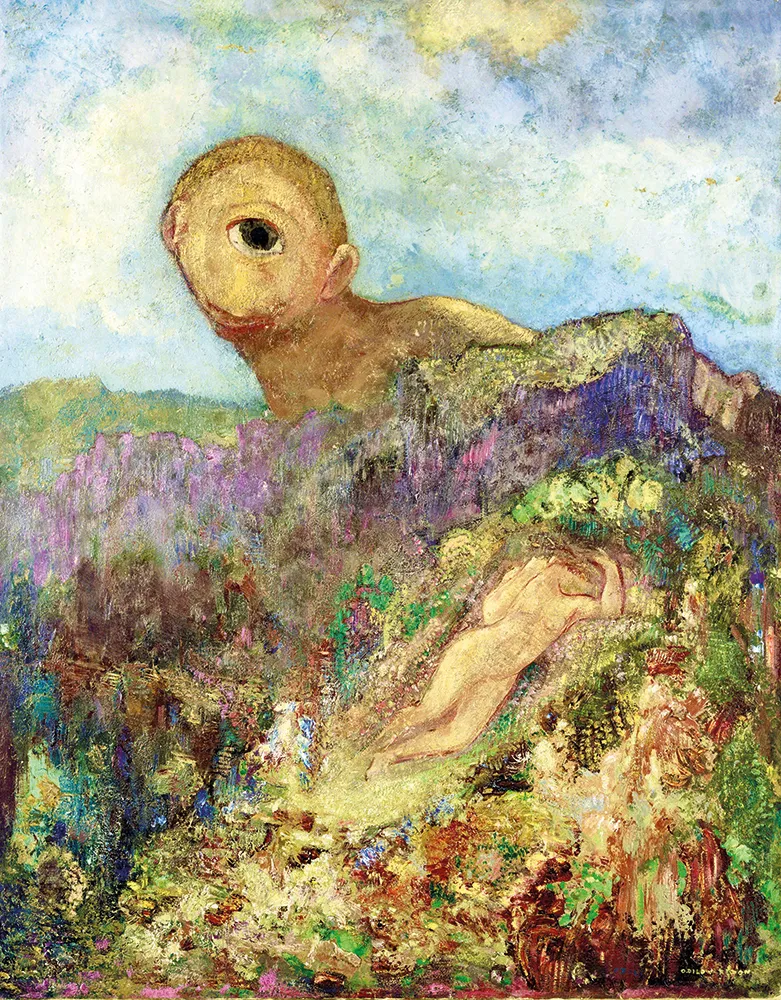
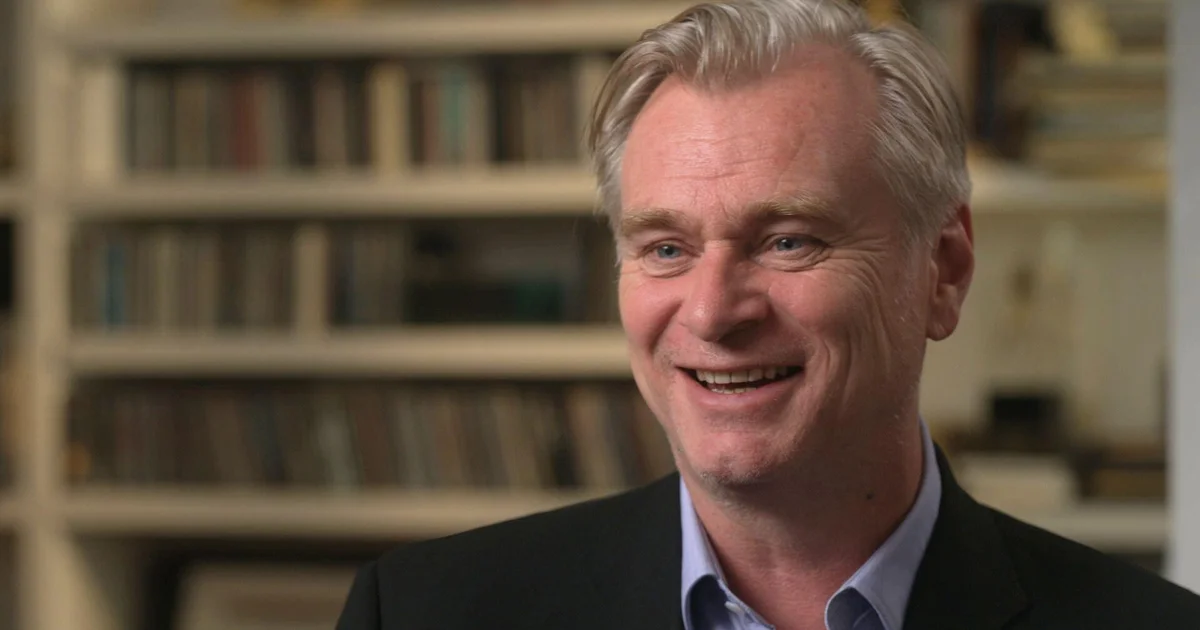
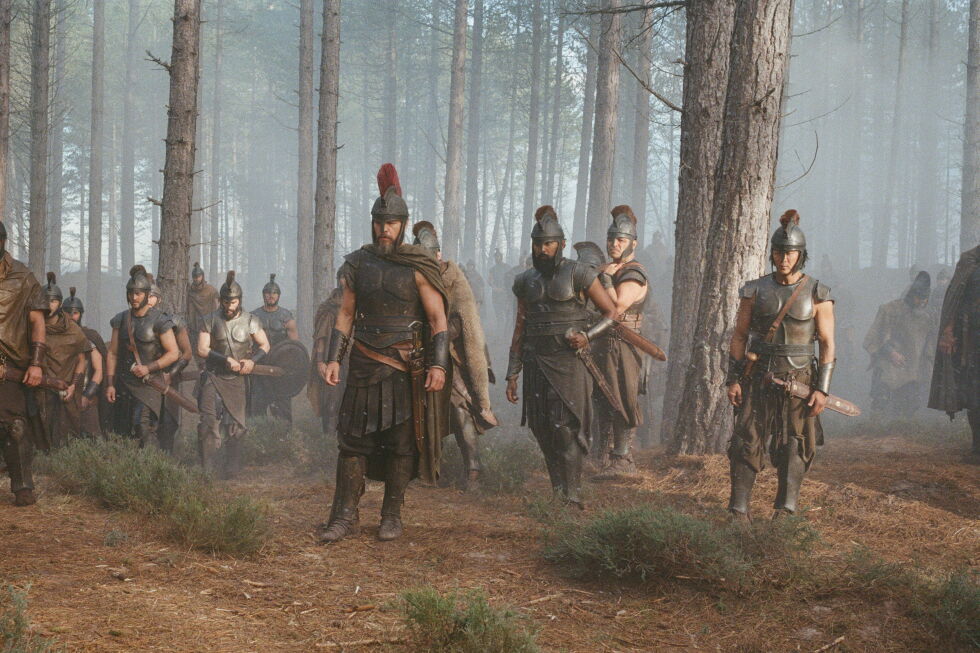
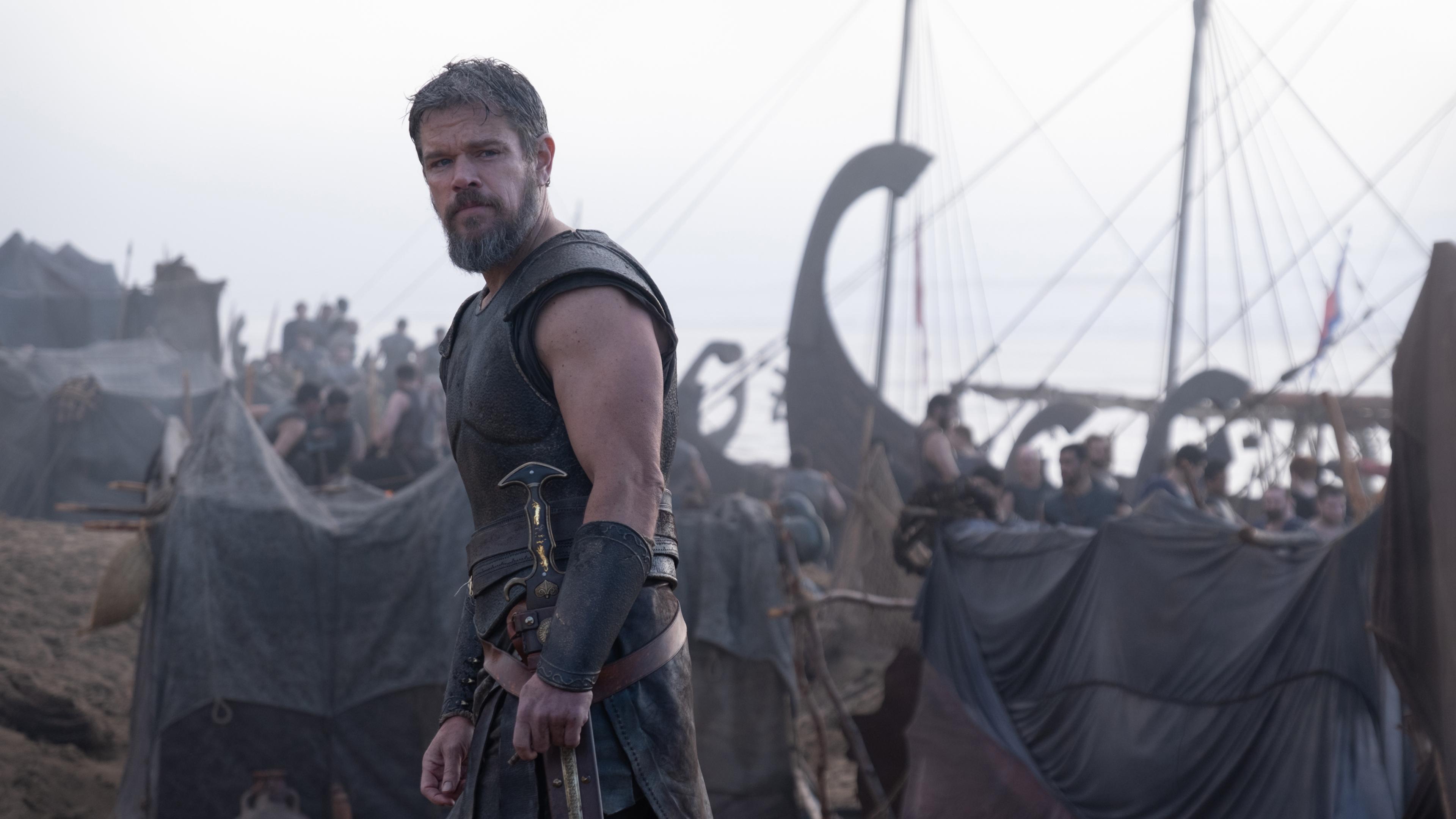
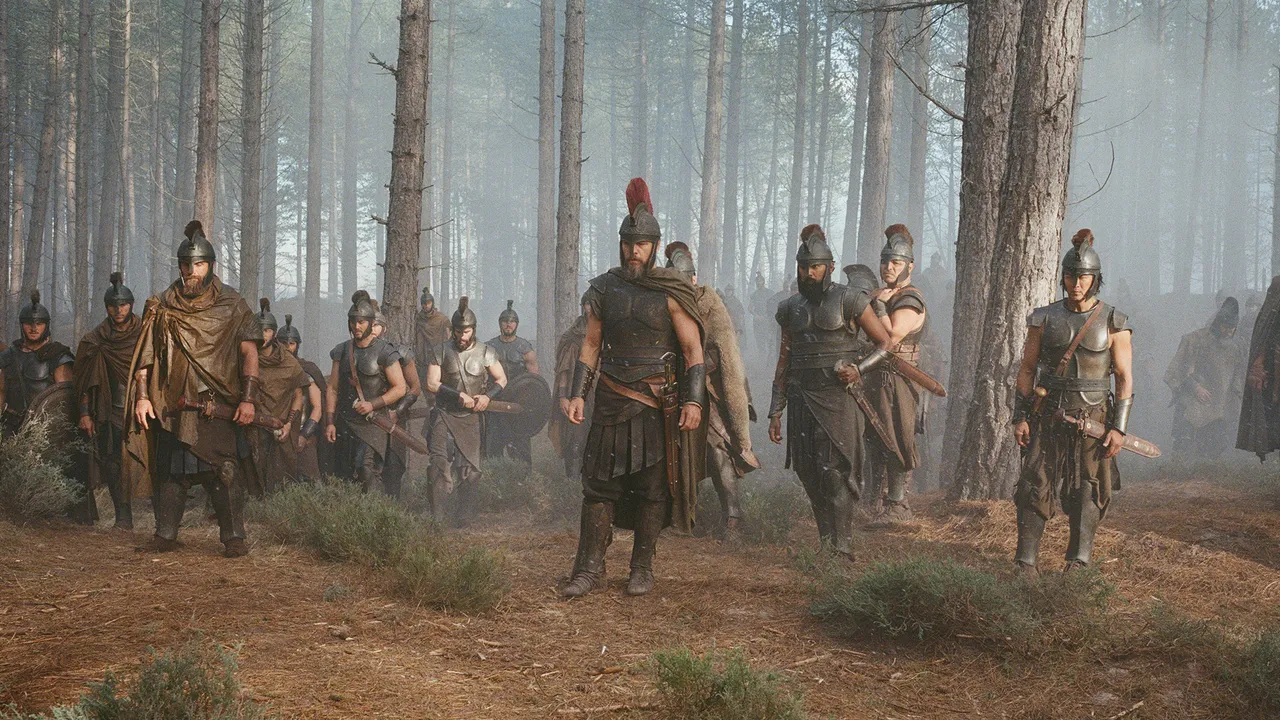
NEW YORK − In some way or another, we all know “The Odyssey.” For many of us, it’s a distant memory from middle-school English class. For others, it’s the countless films that have been loosely adapted from Homer’s nearly 3,000-year-old poem, ranging from “O Brother, Where Art Thou?” to “The SpongeBob SquarePants Movie.” But for Christopher Nolan, it was seeing an elementary school play that left an indelible mark on him at just 5 years old − one that has now led to his hotly anticipated “The Odyssey” (in theaters July 17).“I remember the [Trojan] Horse; I remember them tying Odysseus to the mast. It’s in our bones,” says Nolan, 55, seated at a table in a downtown hotel. Adapting Homer’s timeless tome, “I just scribbled down, ‘What are the things I remember from it?’ I didn’t want to do a revisionist version; I wanted to be true to my expectations of it.” “The Odyssey” is Nolan’s follow-up to 2023 biographical thriller “Oppenheimer,” which netted seven Oscars including best picture. The perilous, three-hour saga follows Greek king Odysseus (Matt Damon) on his 10-year journey home to wife Penelope (Anne Hathaway) and son Telemachus (Tom Holland), facing off with sirens, giants and sea gods along the way. It's the first major studio movie ever filmed completely with IMAX cameras, which are notoriously costly, loud and bulky to operate. The sword-and-sandals epic is projected to soar as high as $120 million at the box office for its opening weekend, which would be the biggest start of Nolan's career for a non-franchise film.Even more so than his 2014 space drama “Interstellar,” “The Odyssey” is Nolan’s most intensely emotional movie yet. After devising the Trojan Horse and unleashing carnage on Troy, the melancholic Odysseus struggles to see good in the world. The film is imbued with hope and cynicism, showing a mythic hero who is also fallible. “Coming out of ‘Oppenheimer,’ I had a funny combination of despair and optimism,” Nolan says. “That film was almost a horror film for me. It was a very disturbing subject to live with for a couple of years: thinking nonstop about nuclear war and what humans bring to the table. I was quite glad to move out of that. But when you see ‘The Odyssey,’ you start to realize that I didn't quite manage to escape it.”How Christopher Nolan looked to ‘Dark Knight,’ Martin Scorsese for ‘The Odyssey’There’s a clear line between Nolan’s past works and how they prepared him for “The Odyssey,” from the sprawling action sequences of “Dunkirk” to the vast stretches of “Oppenheimer” filmed with IMAX cameras.But with his latest big-screen endeavor, “what I was more surprised by was the relationship with Batman and the ‘Dark Knight’ trilogy,” Nolan says of his blockbuster franchise starring Christian Bale. “It has to do with creating an icon that is relatable and yet larger than life. Those three films were a continual experiment in trying to be human, and coming to ‘The Odyssey,’ it's that same balance. On the surface, I didn't think there'd be much of a relationship, but what I learned doing the ‘Dark Knight’ films really helped with this.”There is also something deeply weird and almost punk rock about “The Odyssey,” which is the closest Nolan has ever come to a horror movie with its uncanny visuals and hypnotic score by Ludwig Göransson. In numerous ways, the film bears a striking resemblance to Martin Scorsese’s 1988 masterpiece “The Last Temptation of Christ,” a massively polarizing biblical retelling that found Jesus grappling with guilt and resentment much like Odysseus.“We screened a few different films in pre-production, and that one in particular we got a print of,” Nolan says. “It's a stunning movie and a shocking film. There were technical things that Scorsese was doing that were quite inspiring, but more than that, the figure of Jesus and what he does with him was very, very challenging to the audience. That was quite inspiring from the point of view of Odysseus: You want to be true to all the difficulties of the character, and that's what ‘Temptation’ is.”“The Odyssey” opens with a title card reading: “A time of apparent magic.” For Nolan, it was crucial to lean into the story’s fantastical elements while still keeping it grounded. With monsters such as the six-headed Scylla and Cyclops, he looked to big-screen classics “Jaws” and “Alien,” which rarely show their creatures head-on, and instead use sound and silhouettes to elicit dread."We have to give the audience a reason to believe in these things," Nolan says. "You want to build an emotional relationship with the phenomena that you're dealing with. A huge influence is my friend Guillermo del Toro, because with Guillermo, a monster is never just a monster. It's about: What is their inner life?"Nolan compares creating the Cyclops to selling "the idea of the Batmobile" in 2005's "Batman Begins." With the help of production designer Ruth De Jong, he began by Photoshopping pictures of his own face with a vertical eye, gradually building a creature that was uniquely compelling and haunting: “That was the key, and then we were off and running for the whole movie.” Why 'The Odyssey' in IMAX is so 'special'Every star who comes into Nolan’s orbit sings his praises, with many actors returning for multiple films.”Even though Chris gets so consumed by his projects, he’s a real person through it all, too,” says Hathaway, reuniting with Nolan after “Interstellar” and “The Dark Knight Rises.”“He’s very aware of the aura and the legend around him, but he doesn’t trade off of it at all,” adds Jon Bernthal, a newcomer to the Nolan-verse playing Spartan ruler Menelaus.”The Odyssey” sold out many of its large-format screenings a year in advance, with IMAX tickets hitting resale sites for up to $400. Damon marvels at how Nolan has made the average moviegoer care about film presentation, “much like people got into vinyl, like, ‘Wait, there’s something special and precious here,’ “ the Odysseus actor says. "Young people are interested and they're starting to look at: 'All right, where I am going to see this?' It's an appreciation for what we do."Nolan feels encouraged that audiences are seeking out 35- and 70-millimeter prints, turning movies from Denis Villeneuve (“Dune: Part Two") and Paul Thomas Anderson (“One Battle After Another”) into must-see theatrical events.“When you meet with theater owners and you talk to them − as I do a lot − there's a very positive energy right now around really trying to give the audience an experience they can't get at home,” says Nolan, who hopes directors such as Ryan Coogler ("Sinners") will follow suit with fully IMAX movies.“I love going to see films that way,” Nolan says. “Now I want to see someone like Ryan shoot an entire film in IMAX. That's the fun! We’ve shown it's possible − now I want to see somebody else's film done that way.”