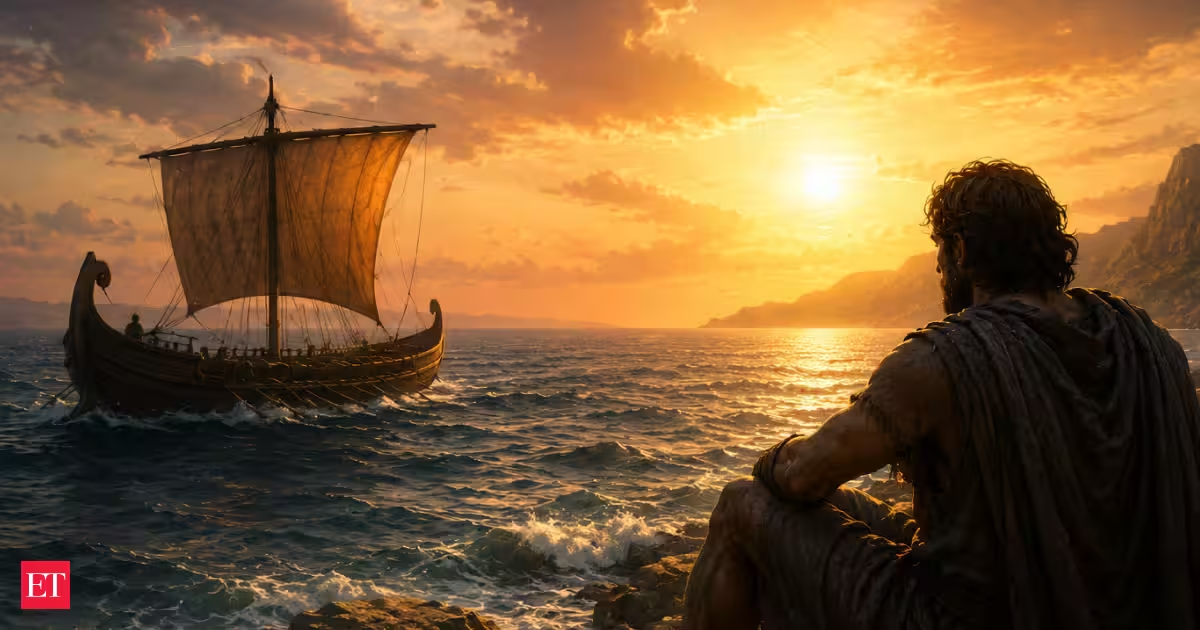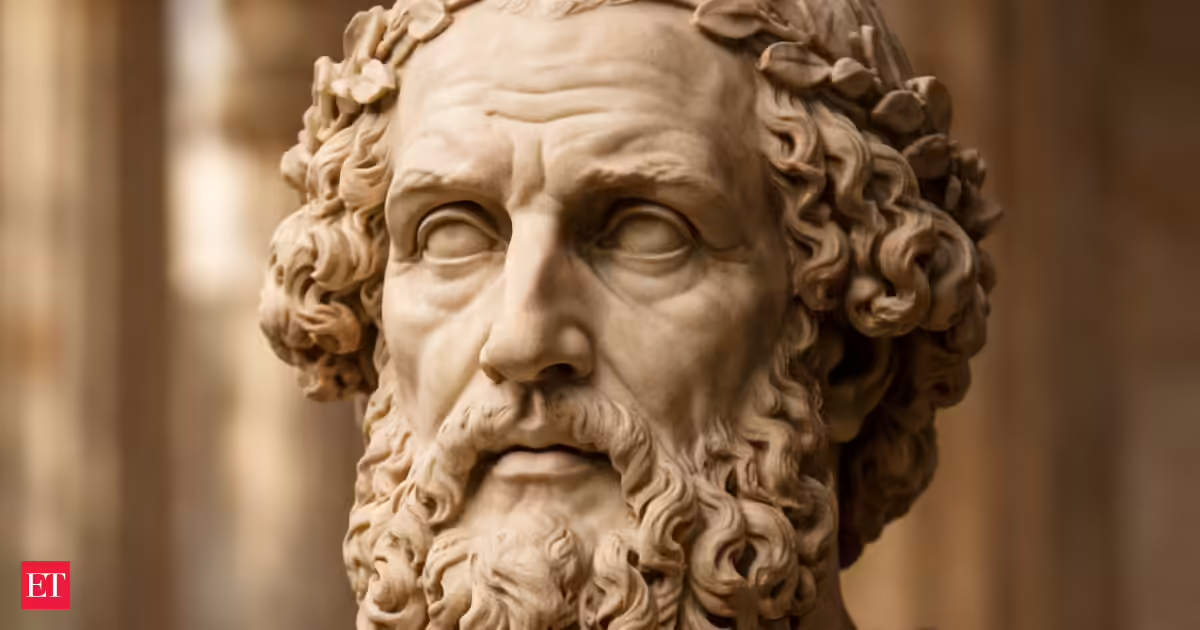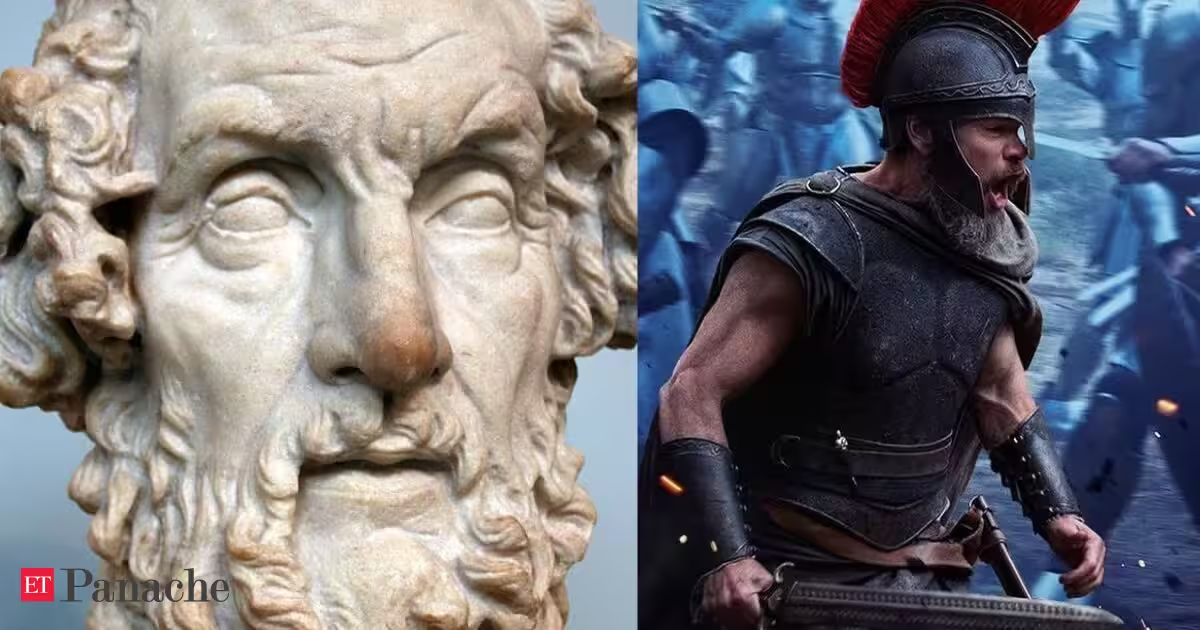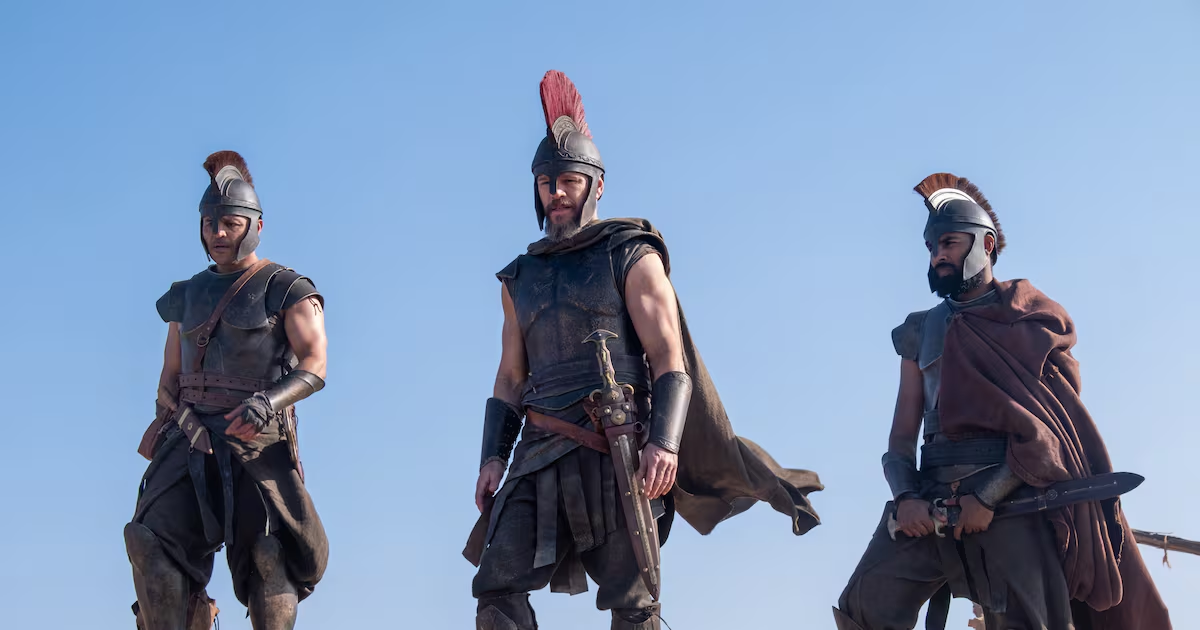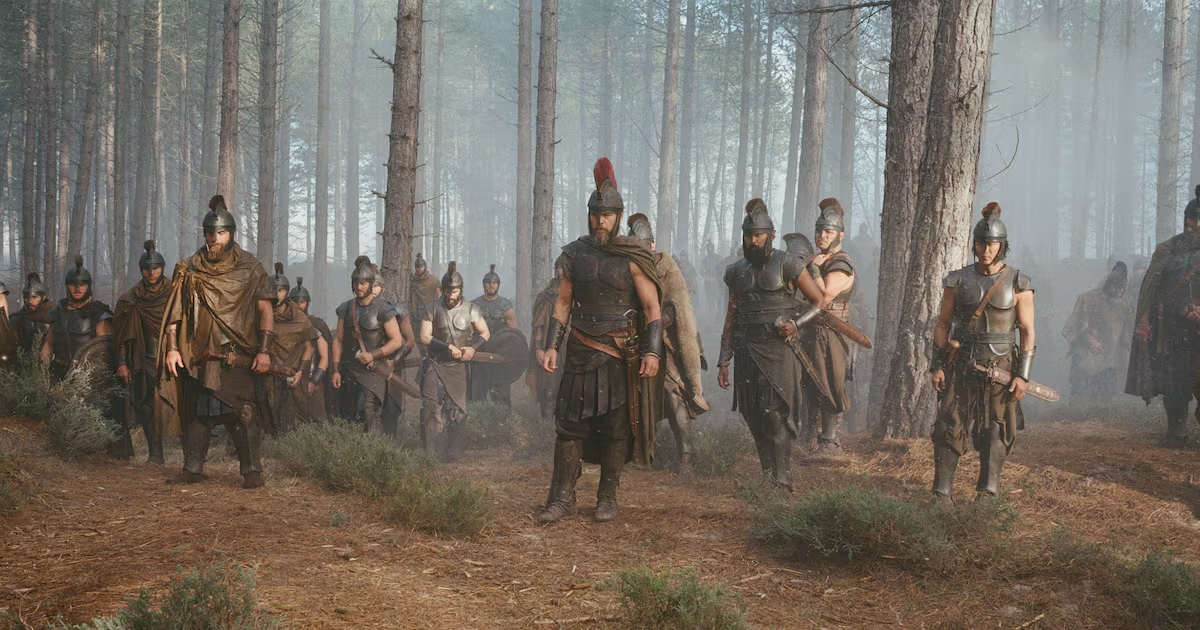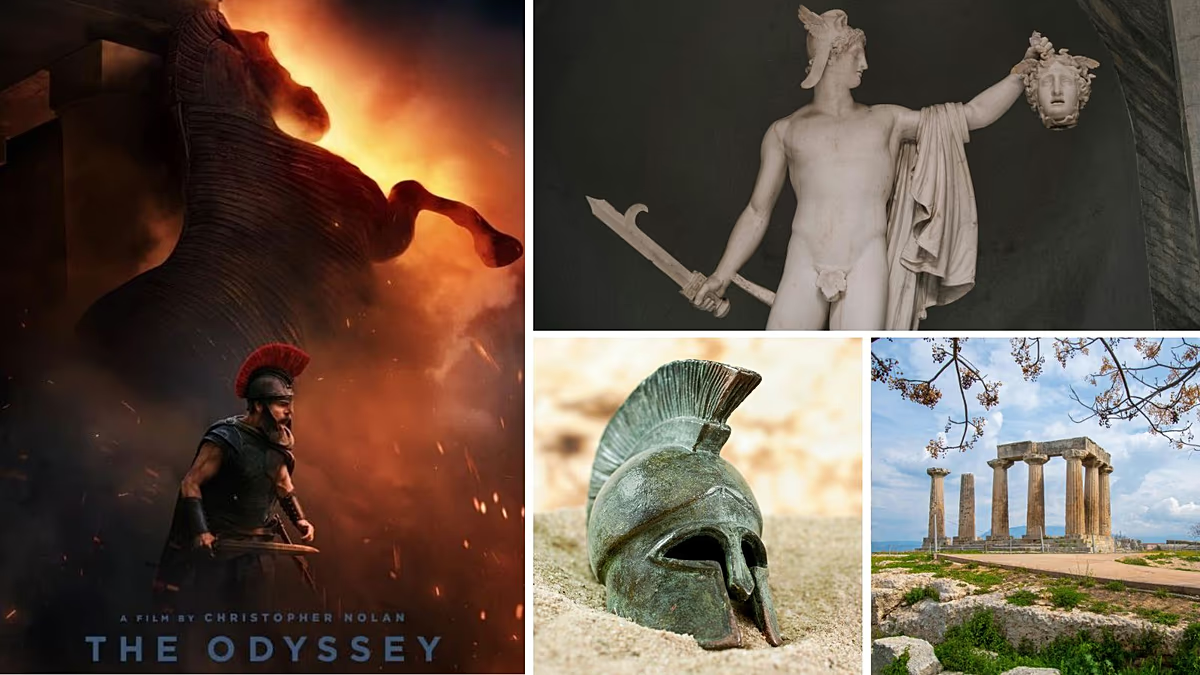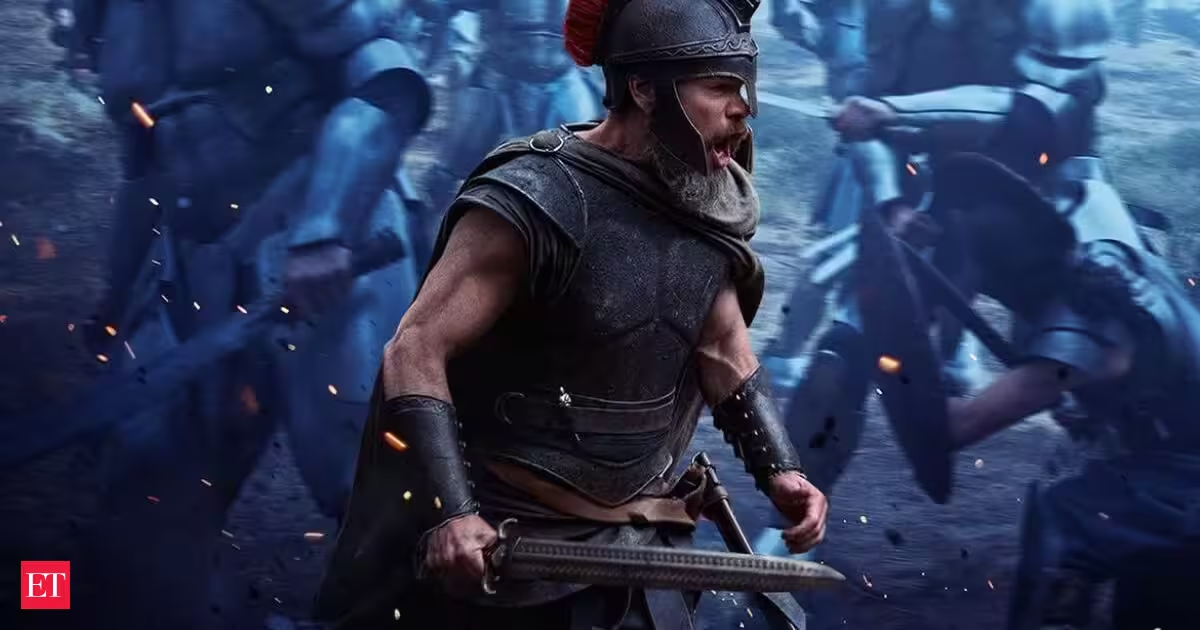
More than 2,700 years after it was written, The Odyssey by the ancient Greek poet Homer continues to inspire readers around the world. The timeless epic has also returned to the spotlight following the massive success of Hollywood director Christopher Nolan's The Odyssey, which has reportedly crossed $652 million at the worldwide box office. The film has become one of the biggest Hollywood successes of 2026, introducing a new generation to the legendary tale of Odysseus. Today's Quote of the Day comes directly from Homer's epic: “Men are so quick to blame the gods: they say that we devise their misery. But they themselves—in their depravity—design grief greater than the griefs that fate assigns.” Although written centuries ago, the quote continues to resonate because it explores one of humanity's oldest questions: Who is responsible for our suffering—fate, divine forces, or ourselves? What does the quote mean? At its heart, the quote is about personal responsibility. Homer suggests that people often blame gods, fate, or circumstances for the hardships they experience. However, many of life's greatest troubles are created by human decisions, poor judgment, selfishness, greed, or moral failings. While fate may place obstacles in a person's path, it is often their own actions that make those situations worse. The message encourages people to look inward before blaming external forces. Instead of assuming that destiny or bad luck alone is responsible for misfortune, the quote reminds readers that choices have consequences. By accepting responsibility for our actions, we are better positioned to learn from mistakes and avoid creating unnecessary suffering. The idea remains remarkably relevant today. Whether in personal relationships, workplaces, politics, or society, people sometimes seek someone else to blame instead of examining how their own decisions contributed to a problem. Homer's words serve as a reminder that accountability is essential for growth. Why the quote still matters today The quote's enduring appeal lies in its universal truth. Every generation faces moments when it is easier to blame circumstances than to acknowledge personal mistakes. Its central themes include: Taking responsibility for one's actions. Understanding that choices shape outcomes. Recognizing the limits of fate. Learning from mistakes instead of shifting blame. Practicing self-reflection and accountability. These ideas continue to make The Odyssey relevant in modern life, despite being one of the oldest surviving works of literature.About The Odyssey The Odyssey tells the story of the Greek hero Odysseus as he struggles to return home after the Trojan War. His journey is filled with dangerous sea voyages, mythical creatures, powerful gods, and countless trials that test his intelligence, courage, and determination. Back home, his wife Penelope is surrounded by 108 ambitious suitors who believe Odysseus will never return. The epic follows his long and perilous journey as he battles legendary monsters, overcomes impossible obstacles, and fights to reclaim his home and family. The story has influenced literature, art, theatre, and cinema for centuries and remains one of the defining works of Western literature.Who was Homer? Homer is widely regarded as one of the greatest poets in history and is traditionally credited with writing two of ancient Greece's most influential epic poems—The Iliad and The Odyssey. Scholars generally believe Homer lived sometime between the 8th and 7th centuries BCE, although many details of his life remain uncertain. Some historians even debate whether Homer was a single individual or a name representing a tradition of oral storytellers. Regardless of the mystery surrounding his identity, Homer's influence on literature is immense. His works introduced enduring themes such as heroism, loyalty, perseverance, honor, temptation, fate, and human resilience. They have inspired countless writers, philosophers, artists, and filmmakers across generations. With Christopher Nolan's successful adaptation bringing renewed attention to The Odyssey, Homer's timeless words continue to find new audiences. His famous observation about blaming the gods reminds readers that while fate may shape circumstances, our own choices often determine how our stories unfold.
Quote of the Day by Homer from The Odyssey: ‘Men are so quick to blame the gods...’ — Meaning and interpretation
Read the meaning behind Homer's famous quote from The Odyssey, learn why it remains relevant today, and discover who Homer was and why his epic continues to influence literature and popular culture.
646 words~3 min read