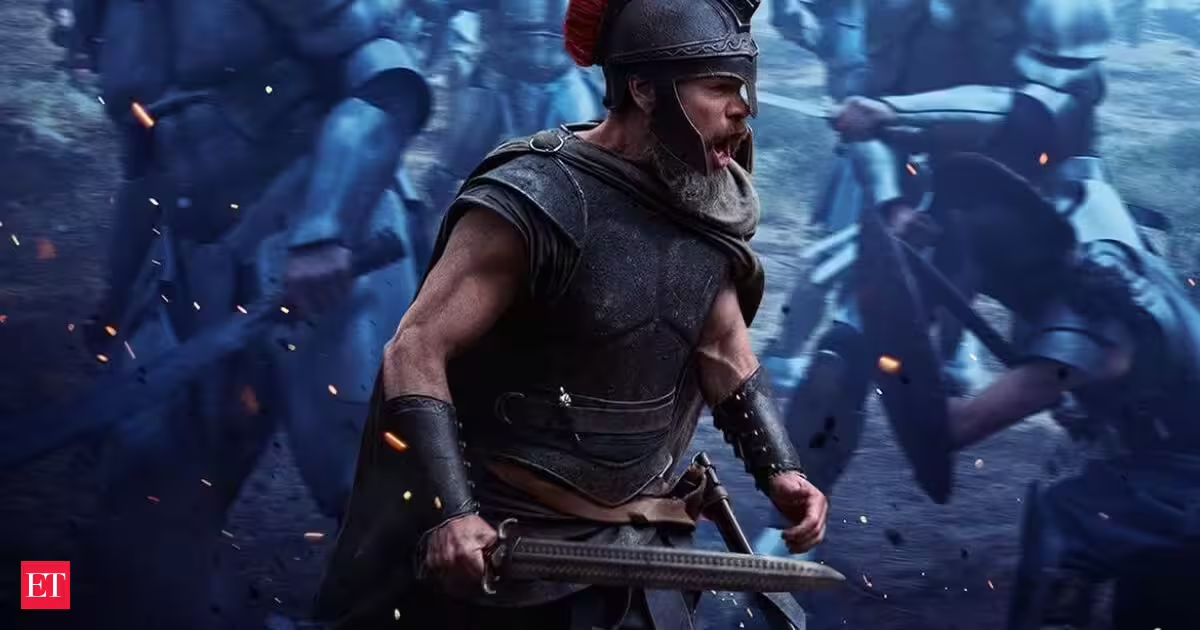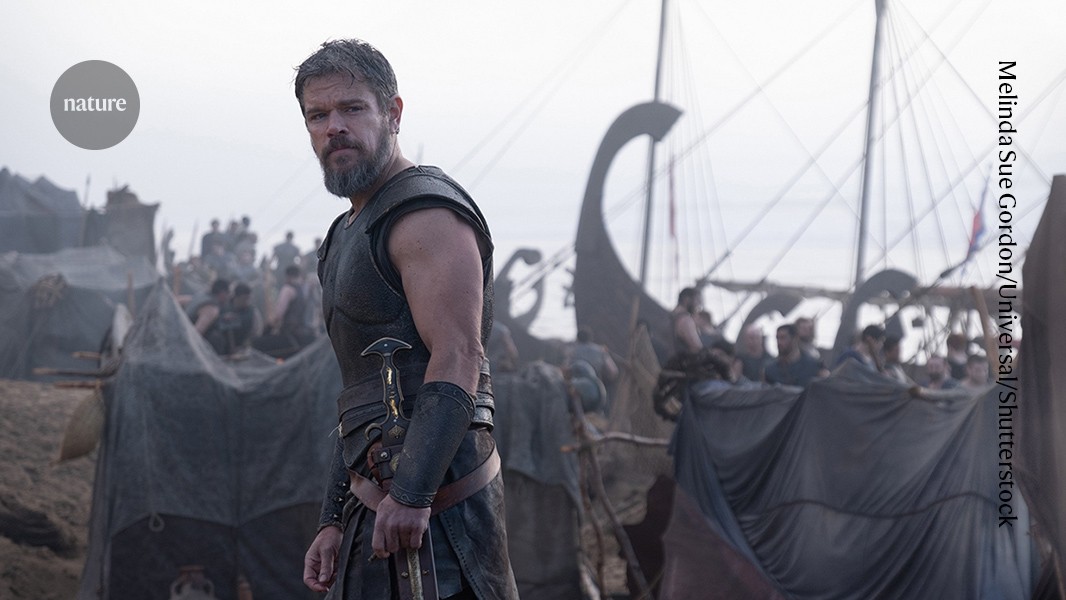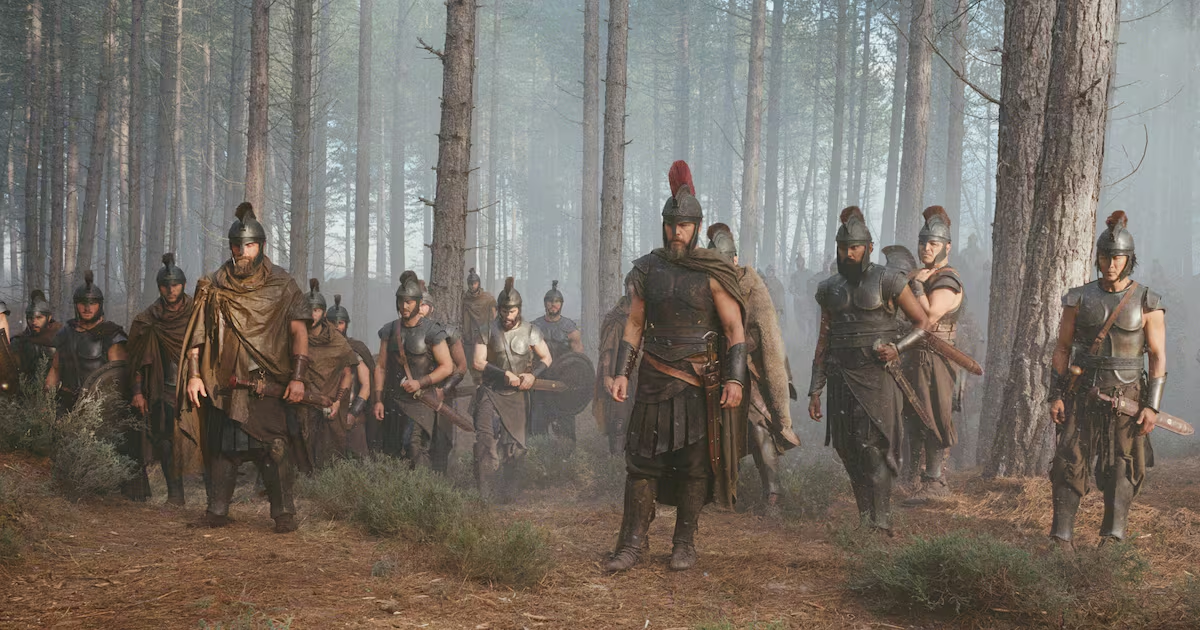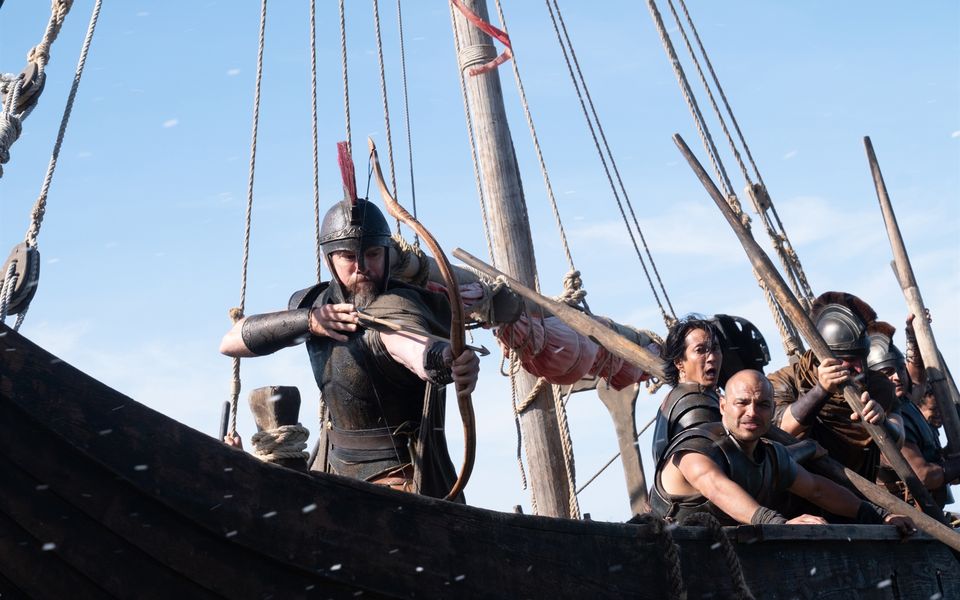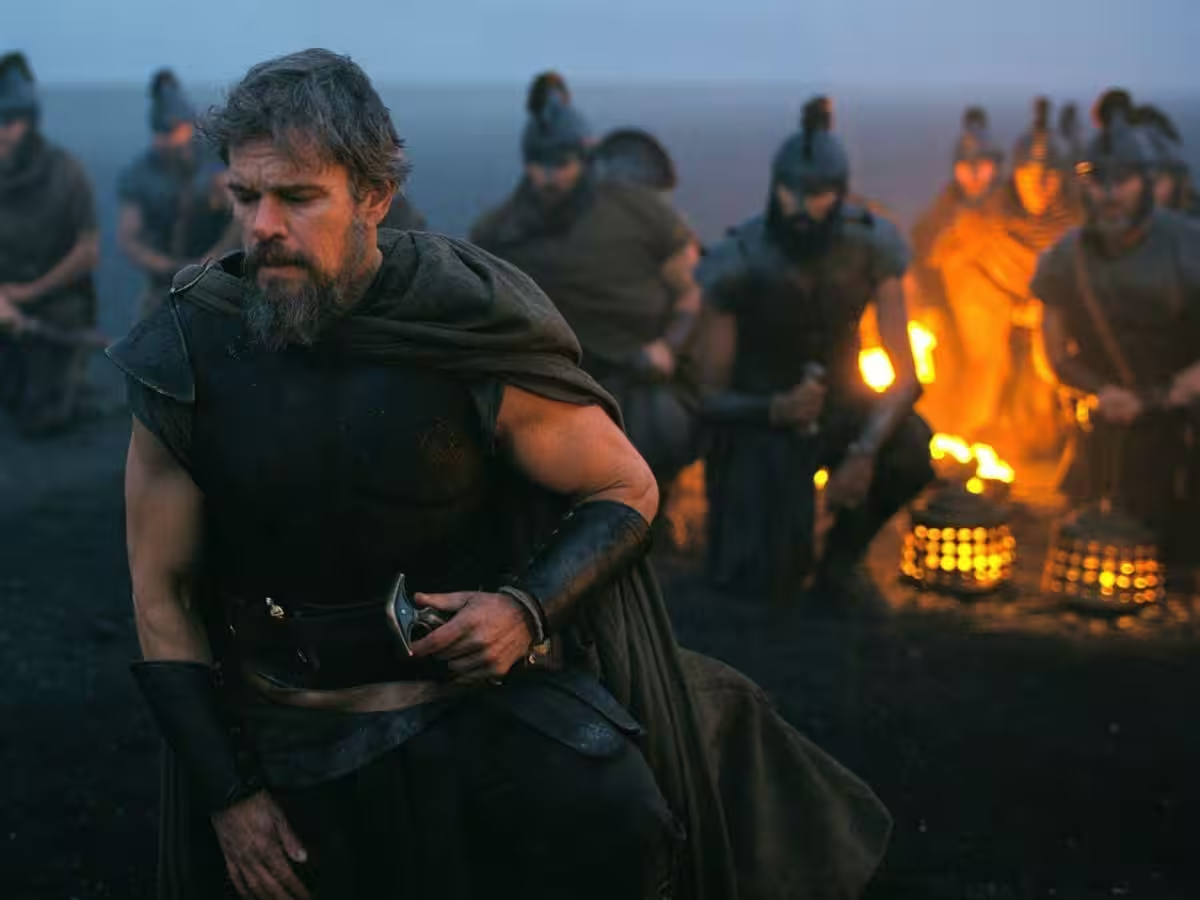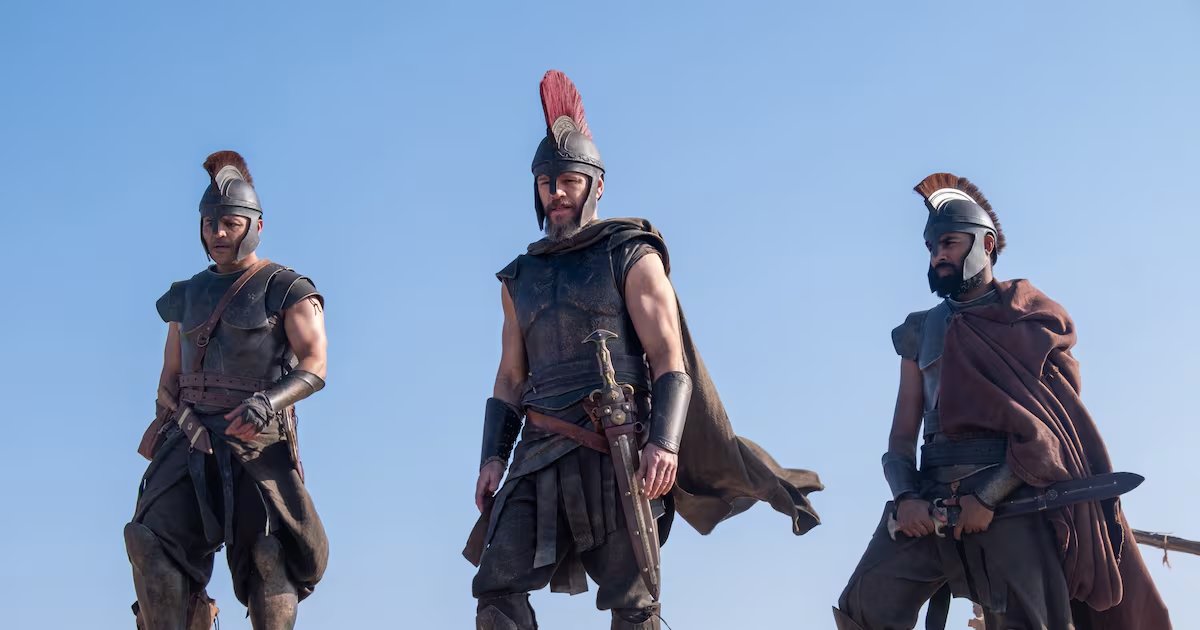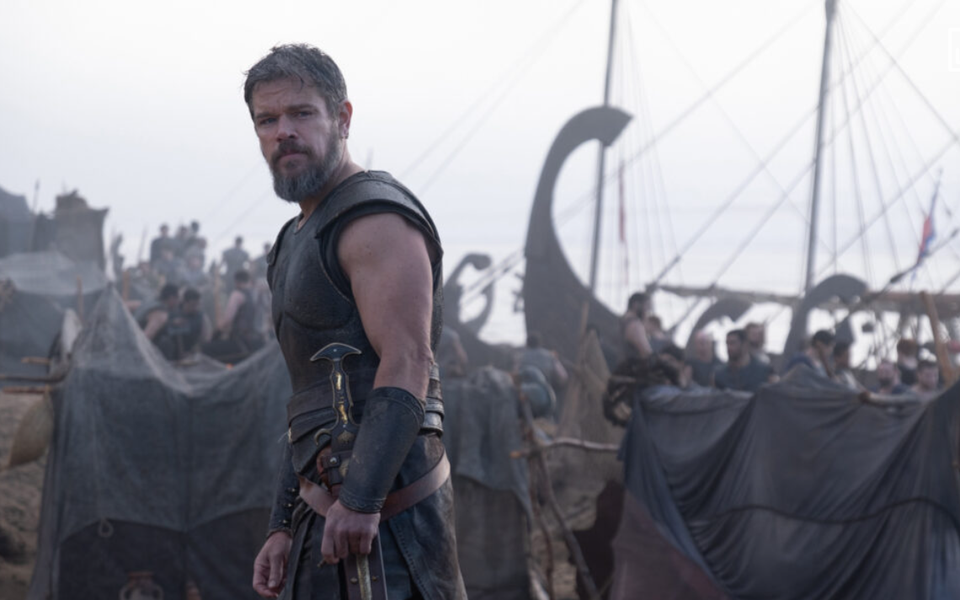
As one of the most popular works of literature of all time, as well as the subject of the current most popular movie in the world, the Odyssey has long been analyzed from a political perspective. But the classic adventure tale also offers important insights into the economics of ancient Greece—and of today.
What does the Greek etymology of the word “economy” reveal about its meaning? How does Greek theology inform ideas of economic risk? Why has Odysseus’s relationship to the sirens been used as metaphor to explain the work of central banks?
Those are just a few of the questions that came up in my recent conversation with FP economics columnist Adam Tooze on the podcast we co-host, Ones and Tooze. What follows is an excerpt, edited for length and clarity. For the full conversation, look for Ones and Tooze wherever you get your podcasts. And check out Adam’s Substack newsletter.
Cameron Abadi: What kind of economic history about the Trojan War is relevant as background for the Odyssey?
Adam Tooze: The crucial thing to realize is that the Homeric epics are from about 800 B.C., which is 400 years before classical Greece, Athens, Sparta, and so on. And they are about events which are 400 years before Homer. So, they’re about a period that we would roughly place at about 1200 B.C. So this is as though we were, in a complicated, arcane, poetic way, writing poetry in 2020 about stuff that happened under Charlemagne.