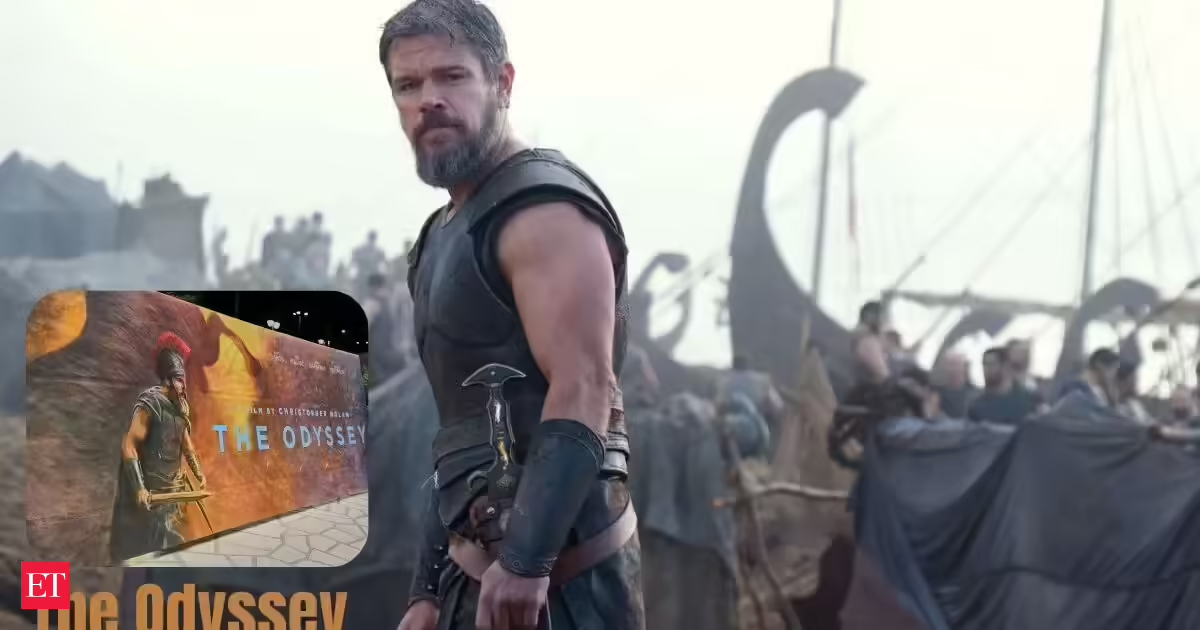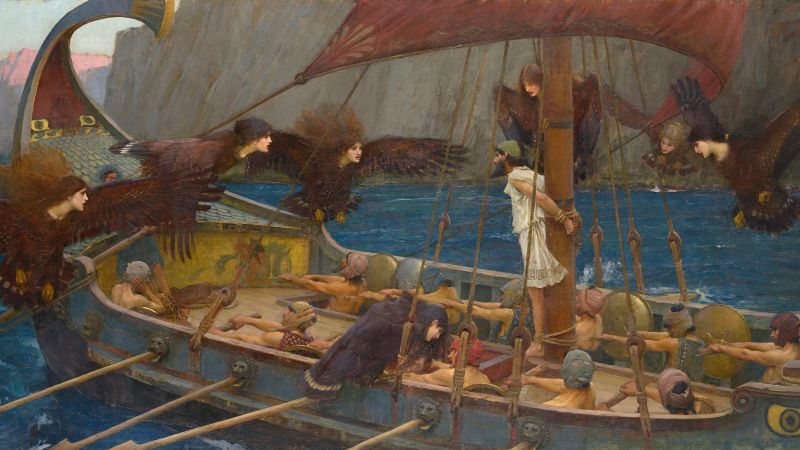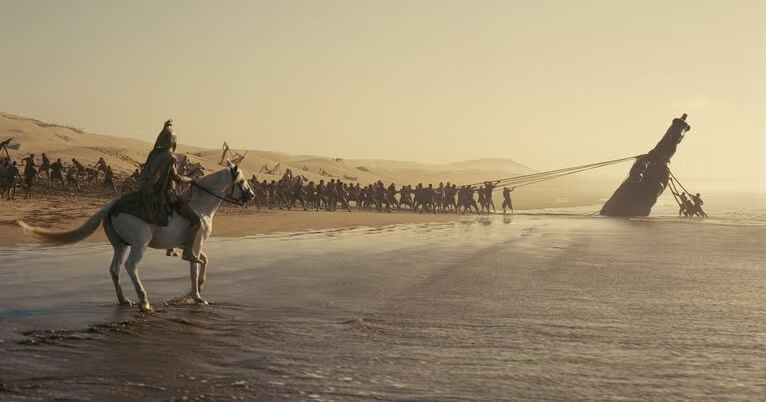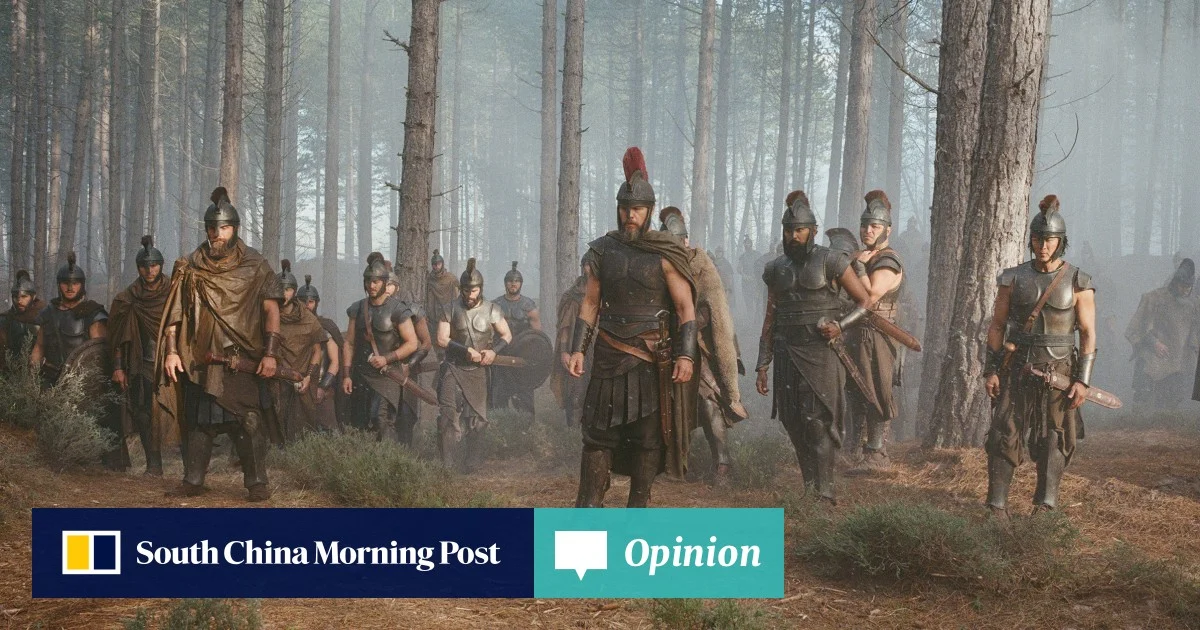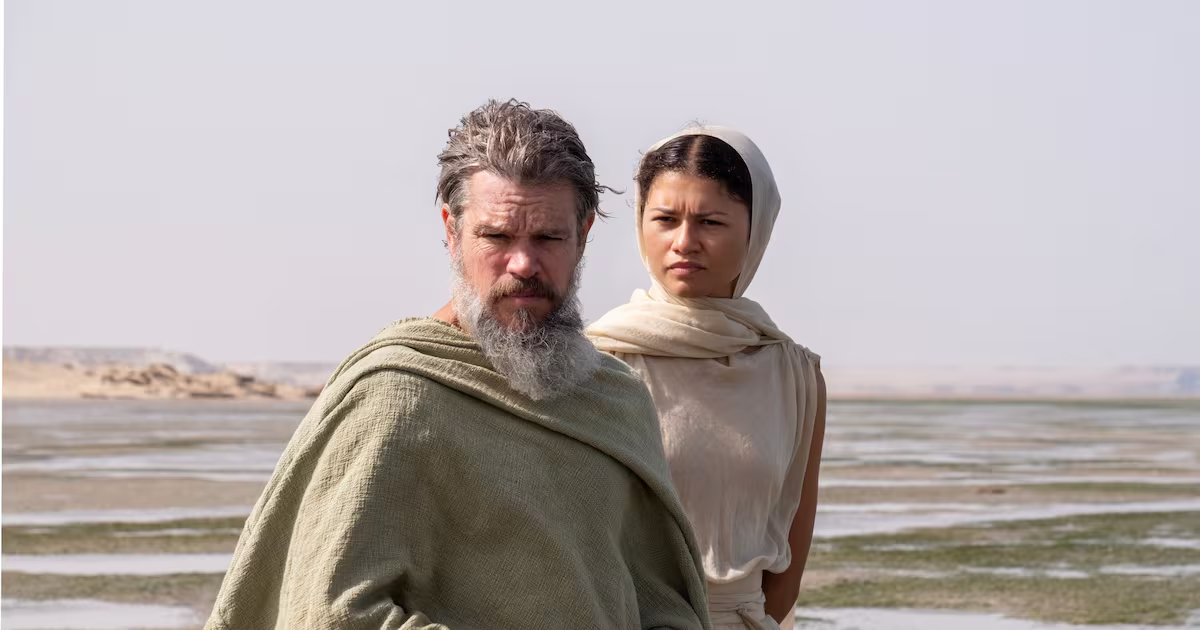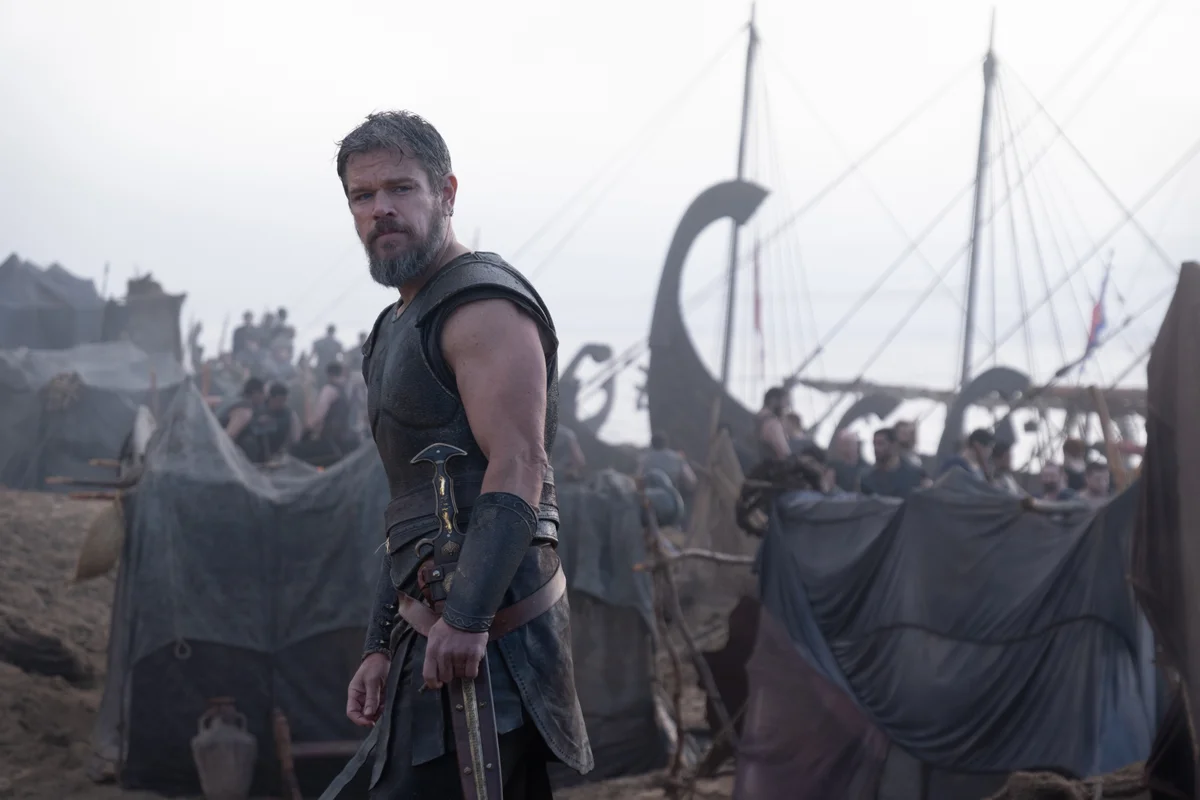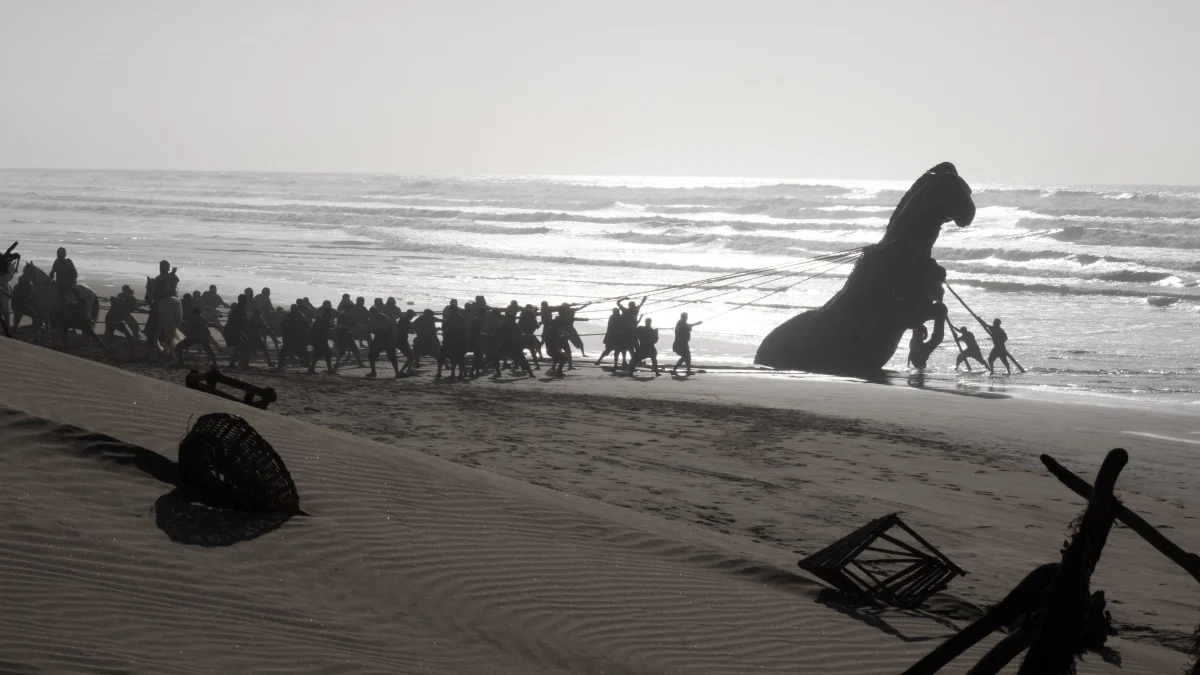
For nearly 3,000 years, Homer’s “The Odyssey” has reigned as literature’s ultimate road trip. It is a sweeping tale of a displaced king who fights wrathful gods and sea monsters to reclaim his throne on the Ionian island of Ithaca. It has at least 60 translations into English alone and more than three dozen film interpretations, including Christopher Nolan’s new film.
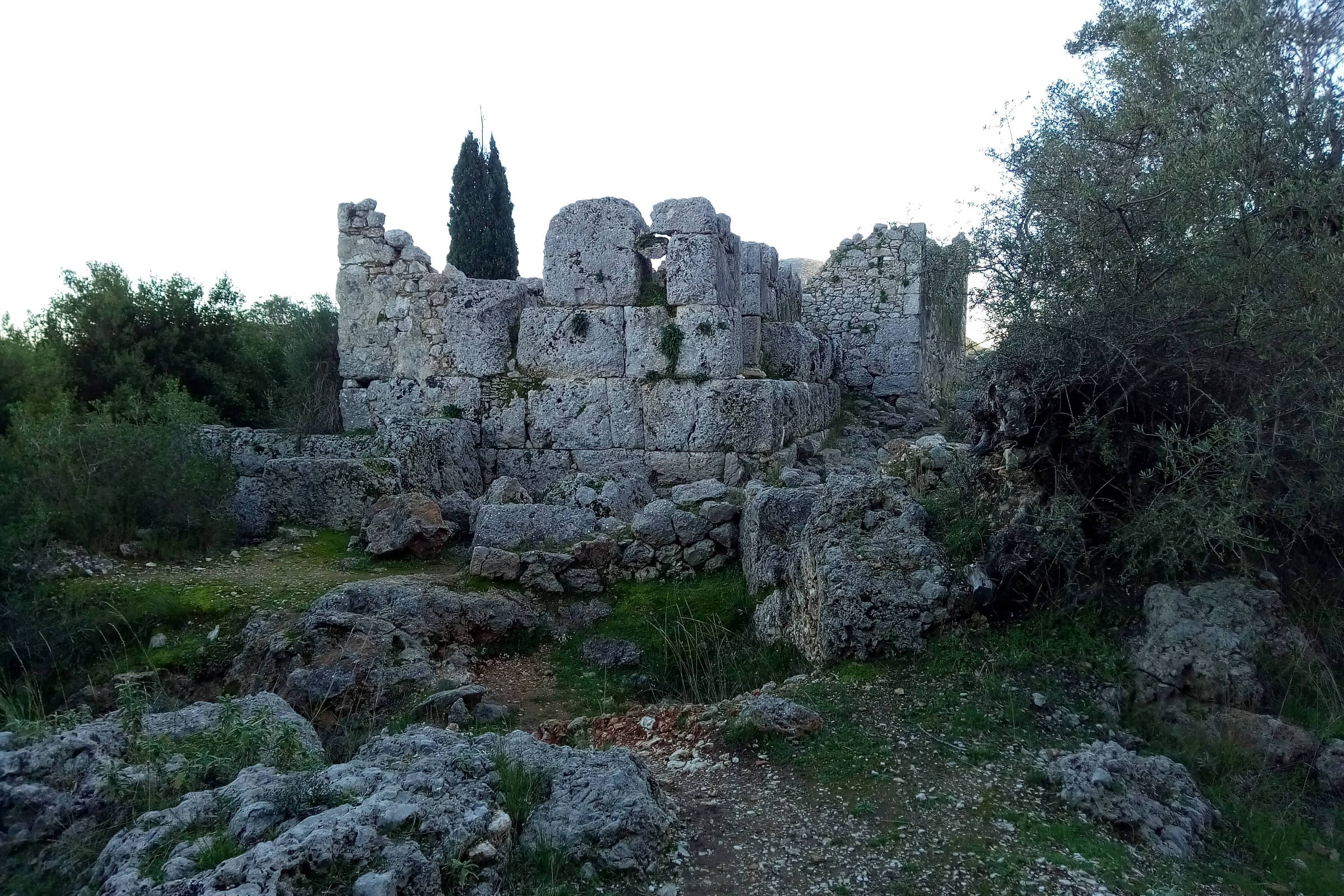
Was the crafty monarch who dreamed up the Trojan Horse a flesh-and-blood ruler or a figment of Homer’s imagination? Modern scholars generally view the epic poem as folklore. But in recent years, archaeologists working in Ithaca have found evidence that the ancients viewed the story quite differently. High on a rocky ridge, they have uncovered the ruins of a sprawling, 2,400-year-old sanctuary with details suggesting that King Odysseus was a figure of local worship.
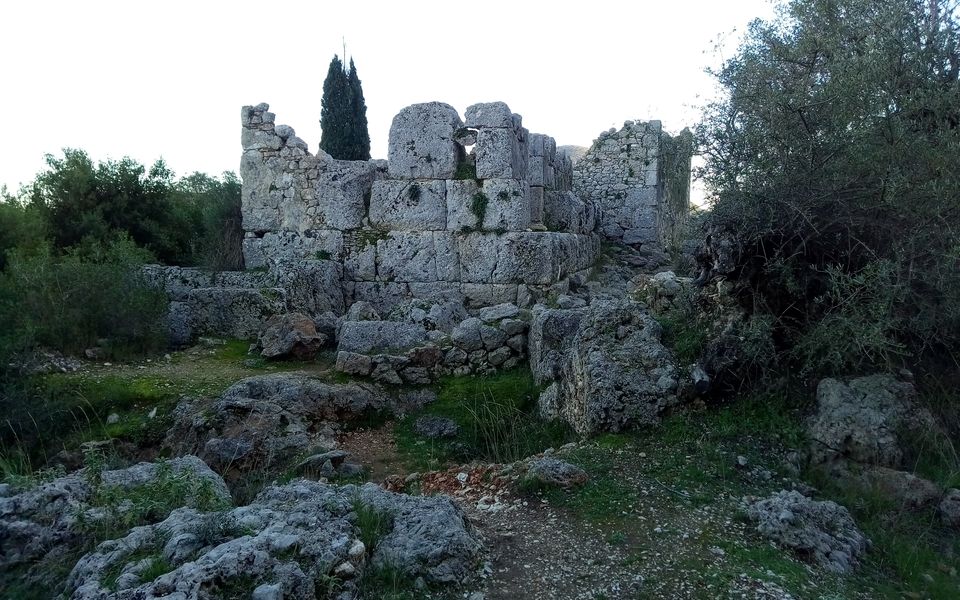
The partially standing complex is carved directly into the terraces of Mount Exogi and has long been known locally as the School of Homer. Archaeologists have poked into the site for more than a century but largely dismissed any relation to “The Odyssey.”
Since 2018, however, Giannos G. Lolos, an archaeologist at the University of Ioannina in Greece, has led excavations at the site, building on systematic digs conducted there from 1994 to 2011. In a statement last summer, the Greek Ministry of Culture described major discoveries from the site, including a grand ceremonial hall, what may have been a strategic watchtower and an intact cistern built in the Mycenaean style.