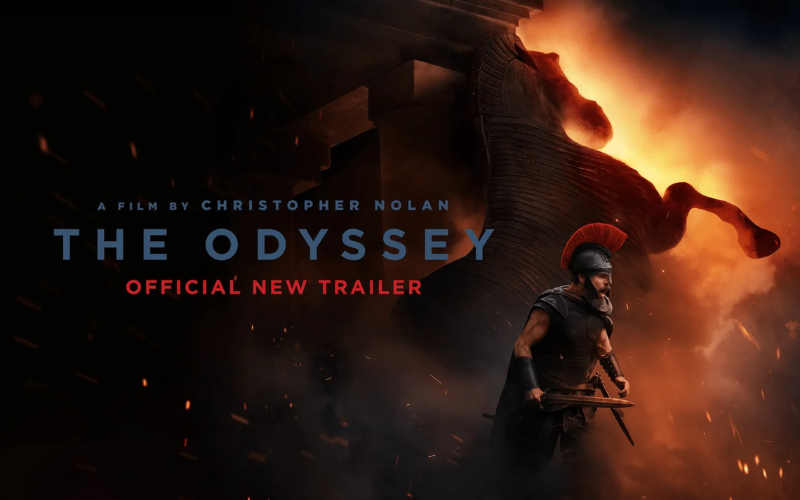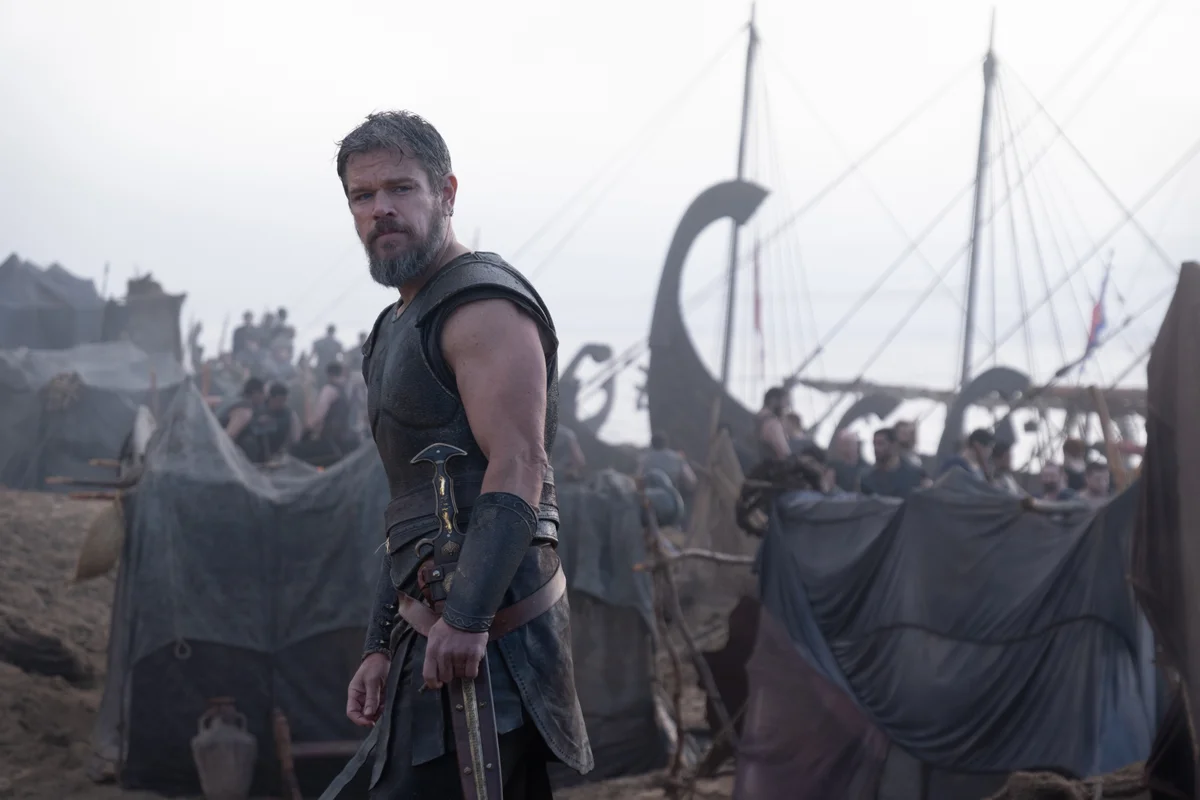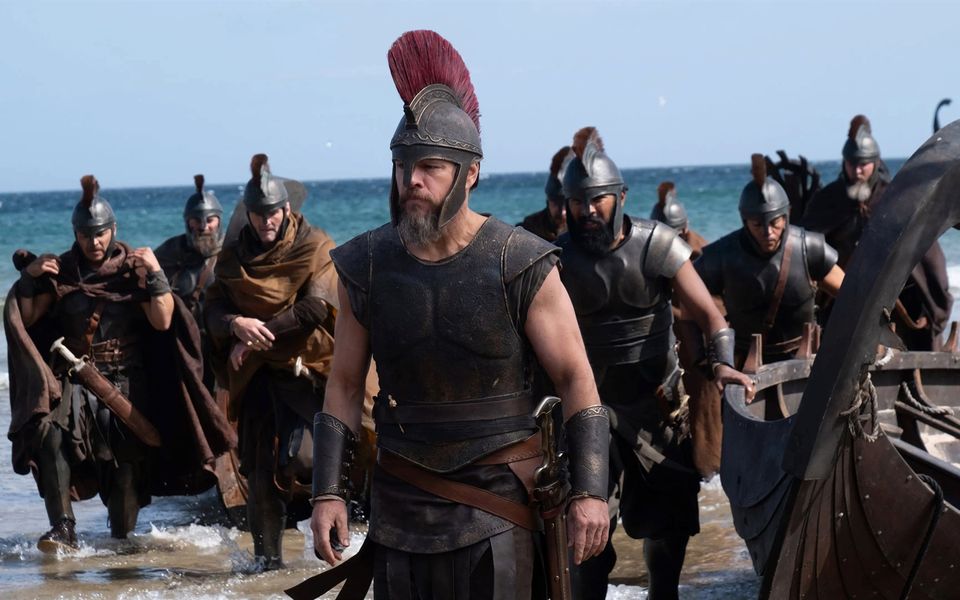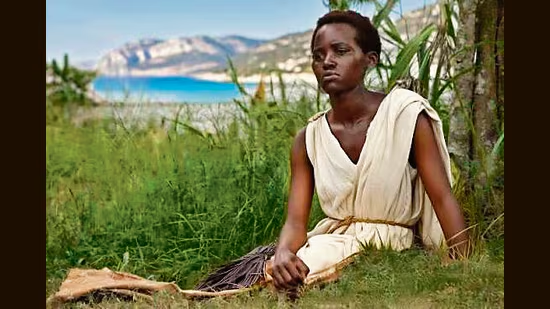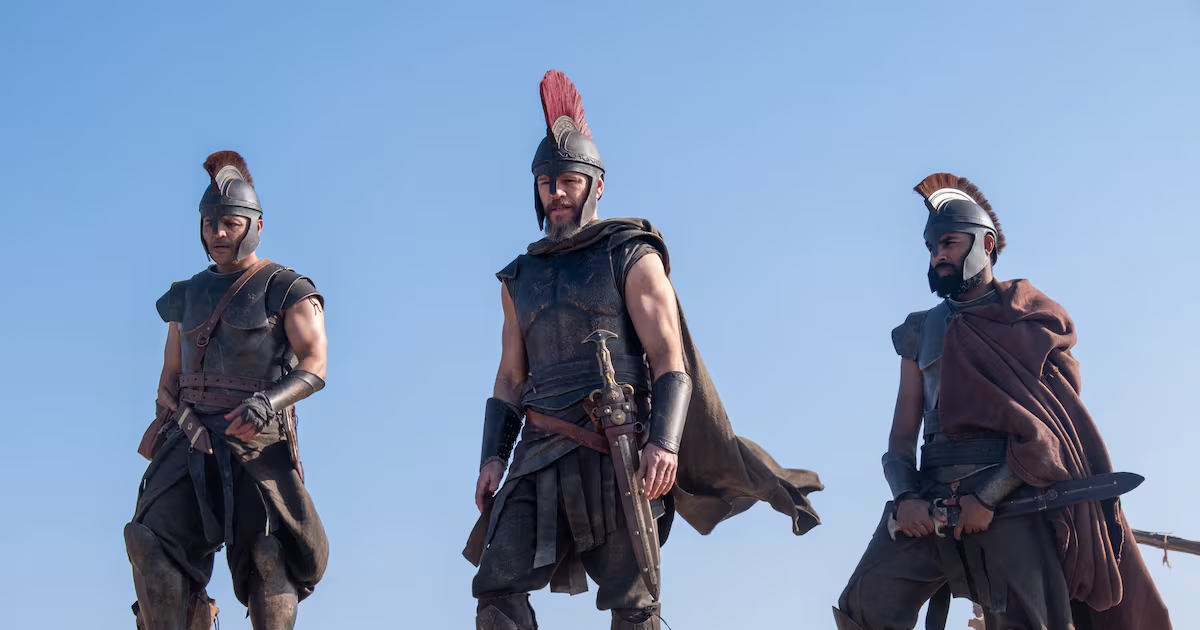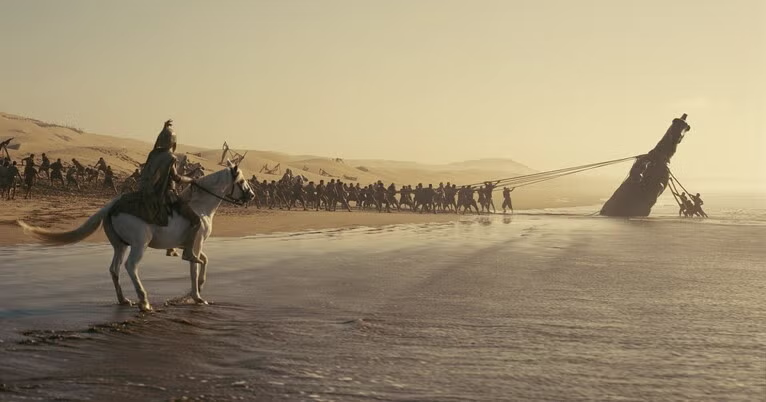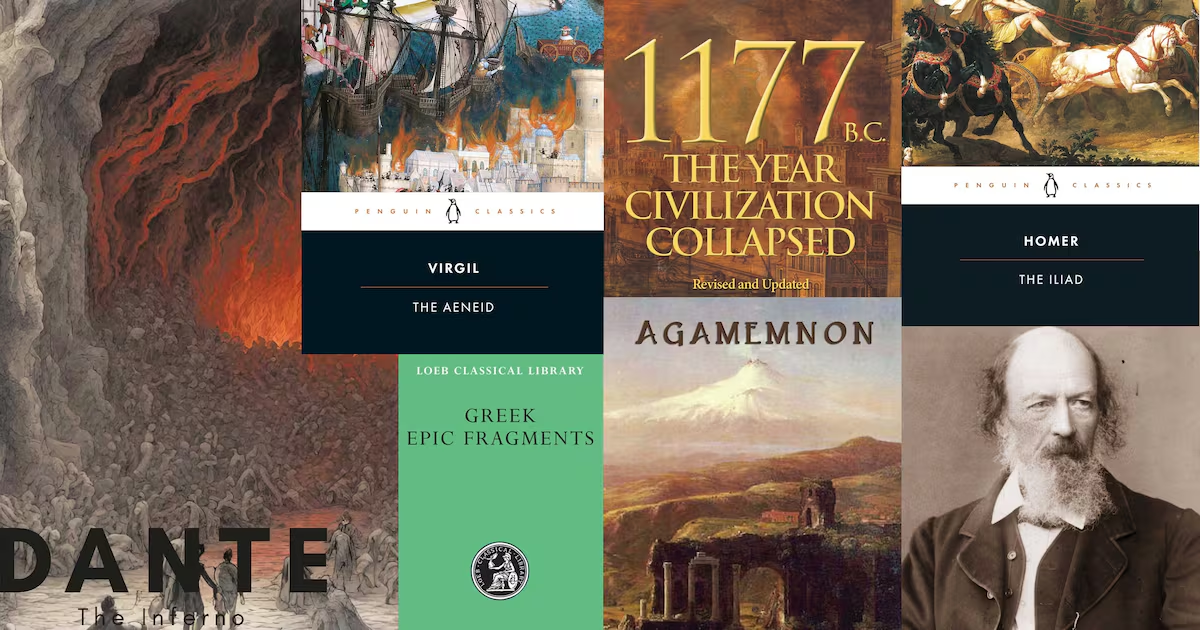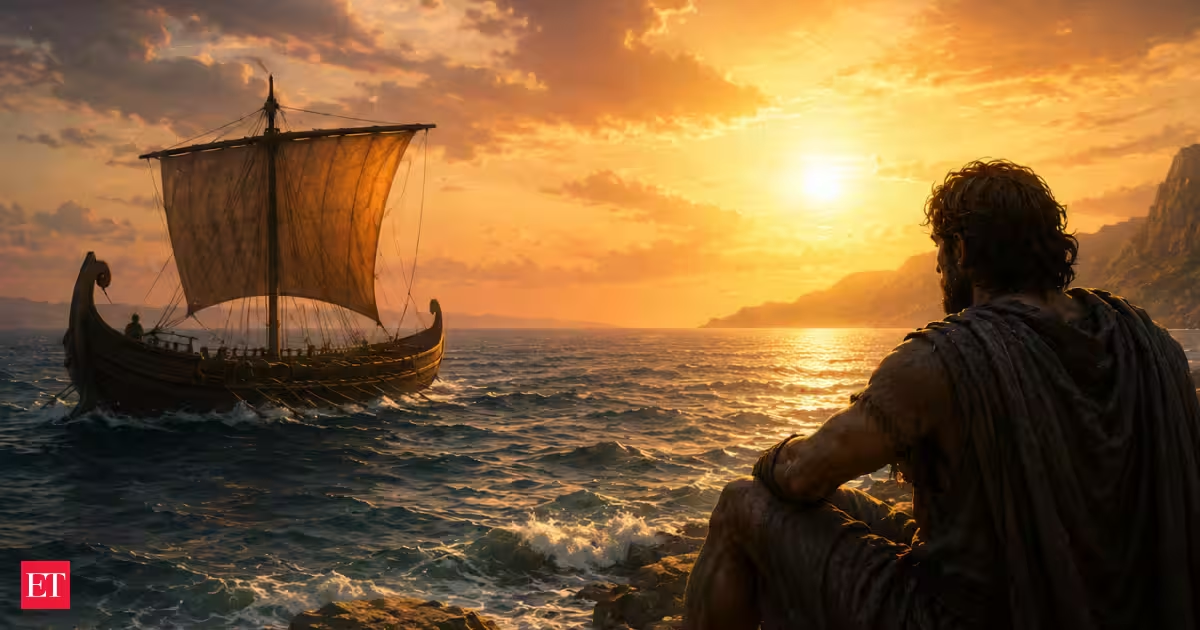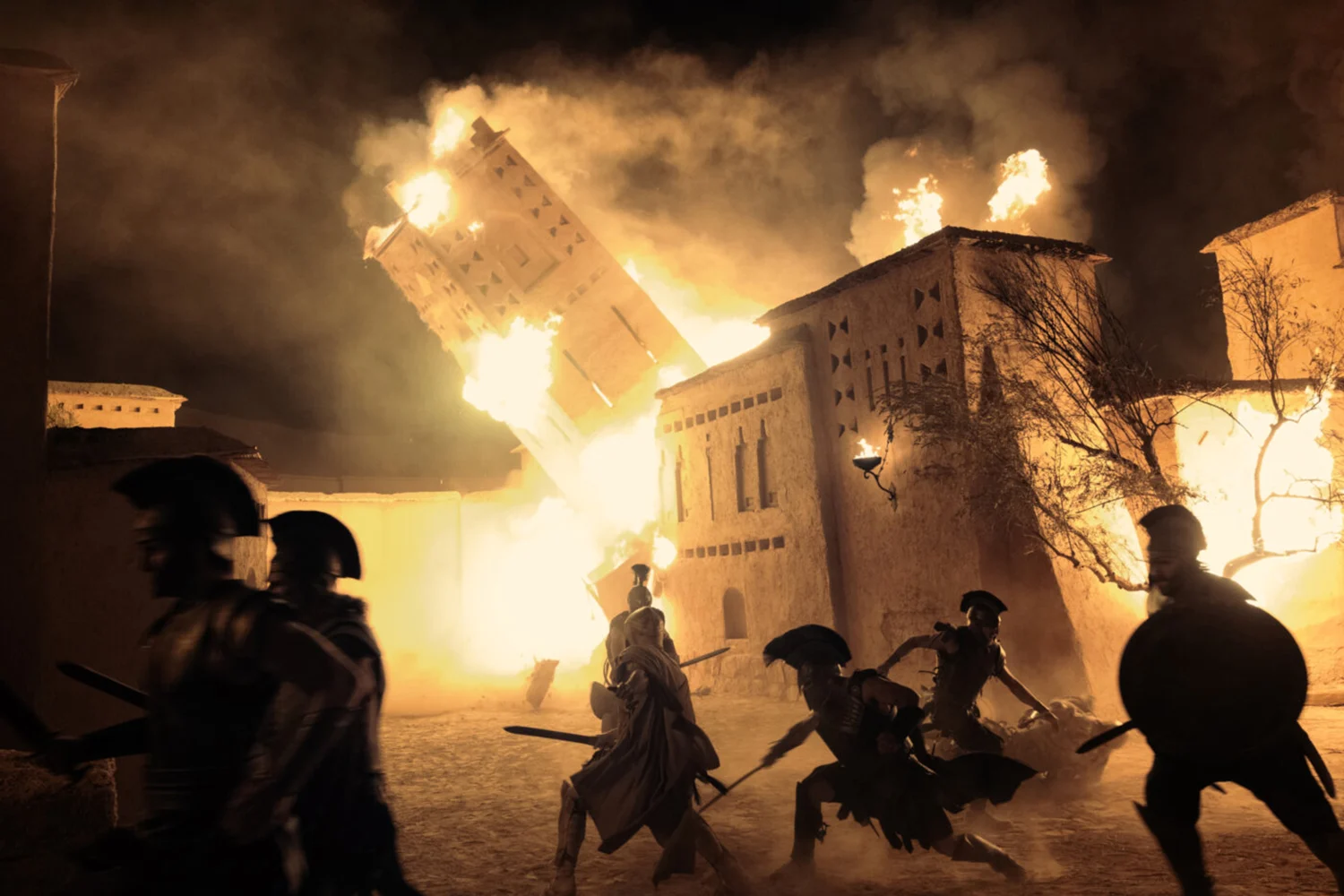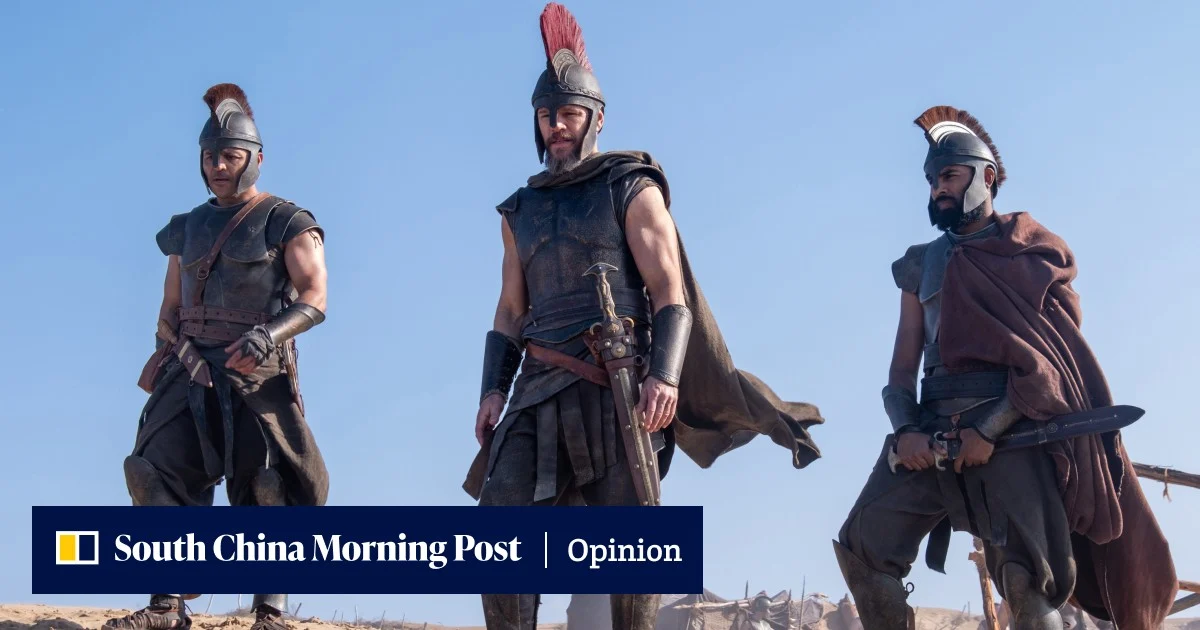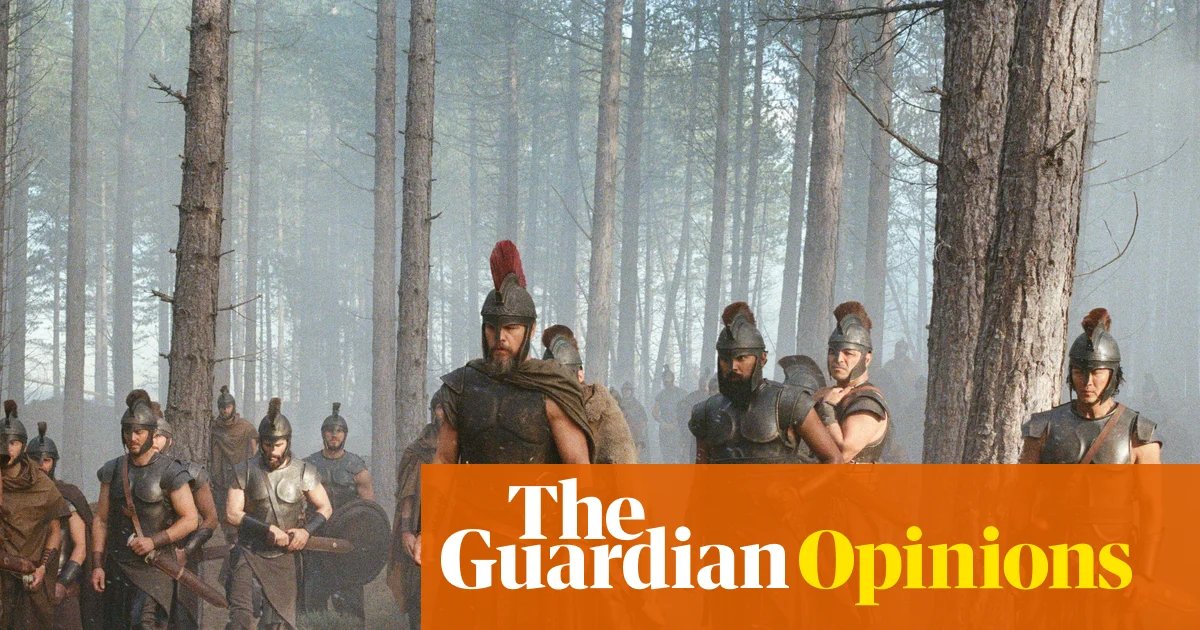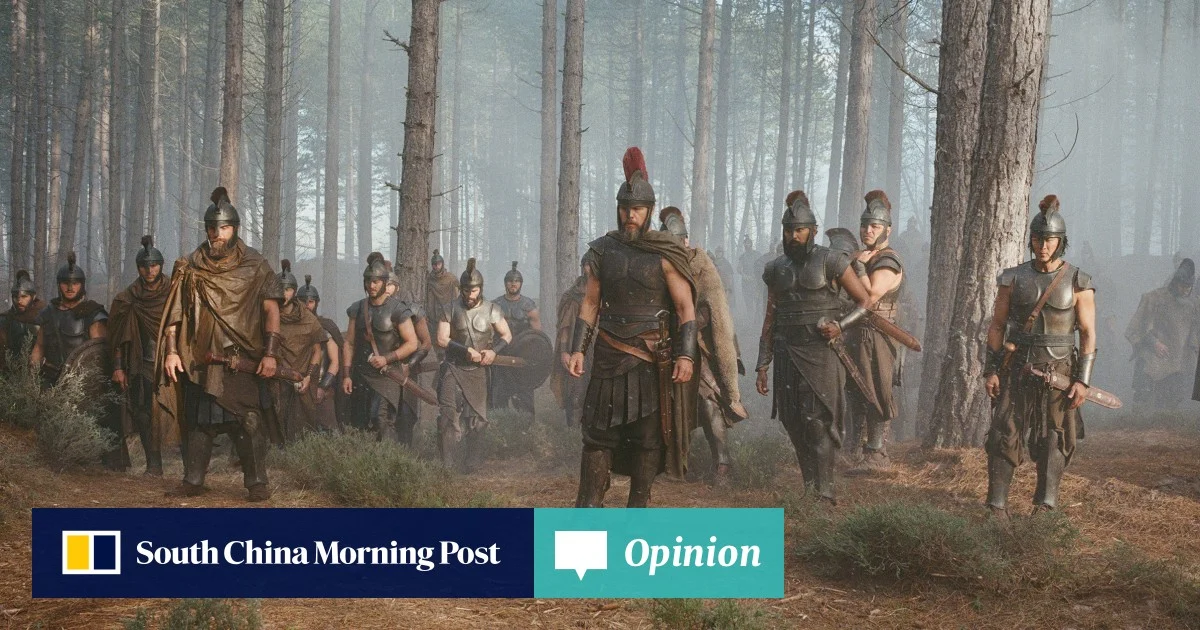
Christopher Nolan’s The Odyssey has hit theatres across North America. Suddenly, everyone has Homer on their mind.If China has Romance of the Three Kingdoms and Journey to the West, the West has The Iliad and The Odyssey. These are civilisation-defining monuments, about which children know the stories and scholars spend a lifetime probing every detail.The identity of Homer has always intrigued scholars over the ages. Samuel Butler, who translated both The Iliad and The Odyssey, was convinced a woman wrote the latter.T.E. Shaw, better known as Lawrence of Arabia, thought The Odyssey was a modern potboiler unworthy of the heroic epic of The Iliad. He said he spent four years working on his translation. You would assume it was a labour of love, but he seems to have more contempt than respect for this Homer, whom he rejected as the same author of The Iliad.“Crafty, exquisite, homogeneous – whatever great art may be, these are not its attributes,” he wrote in a note to his translation. “In this tale every big situation is burked and the writing is soft … Epic belongs to early man, and this Homer lived too long after the heroic age to feel assured and large … It is sorrowful to believe that [Nausicaa, Eumaeus, Odysseus, Menelaus, etc] were really Homer’s heroes and exemplars.”A man walks past a mural by George Kordis depicting Odysseus blinding the Cyclops Polyphemus at the School of Philosophy of the National and Kapodistrian University of Athens on May 20. Photo: APEmily Wilson, whose recent translation is the version Nolan uses for his movie, agrees Odysseus is a different kind of Homeric hero, almost a modern anti-hero. Why? Because he lies, tricks, deceives and tells tall tales.
As I see it | How an obscure psychologist reshaped the Homeric hero
Scheming Odysseus may have been the first modern man with a self-directing mental life while other archaic heroes blindly obeyed the gods.
285 words~1 min read