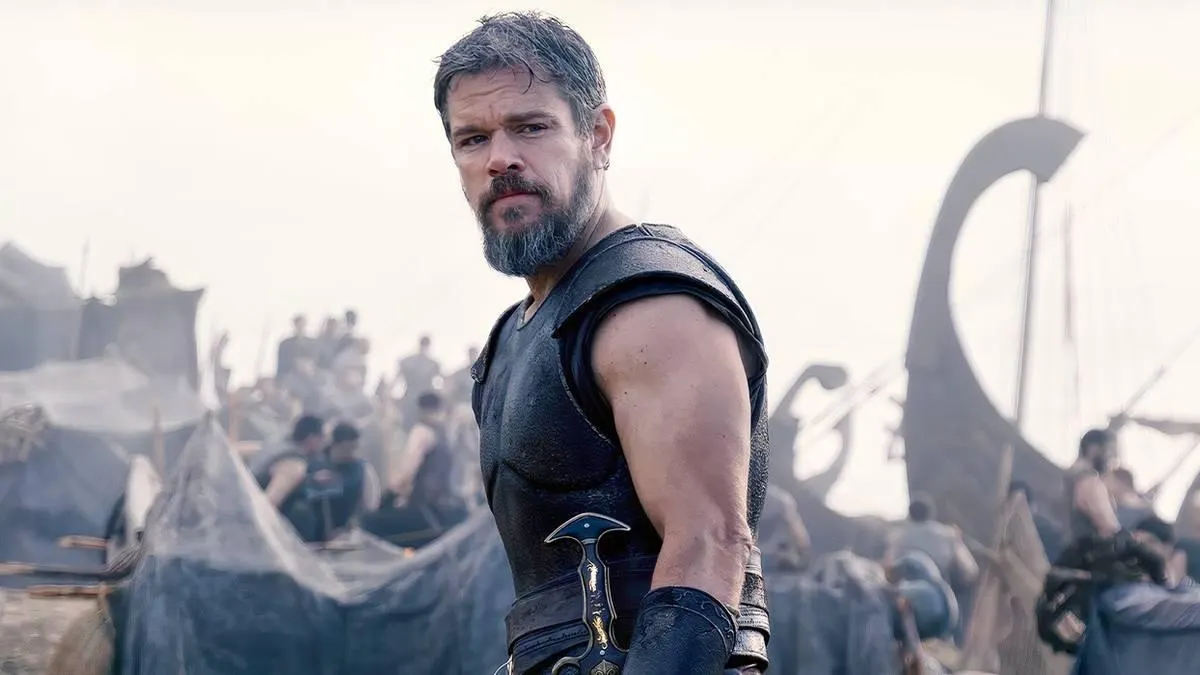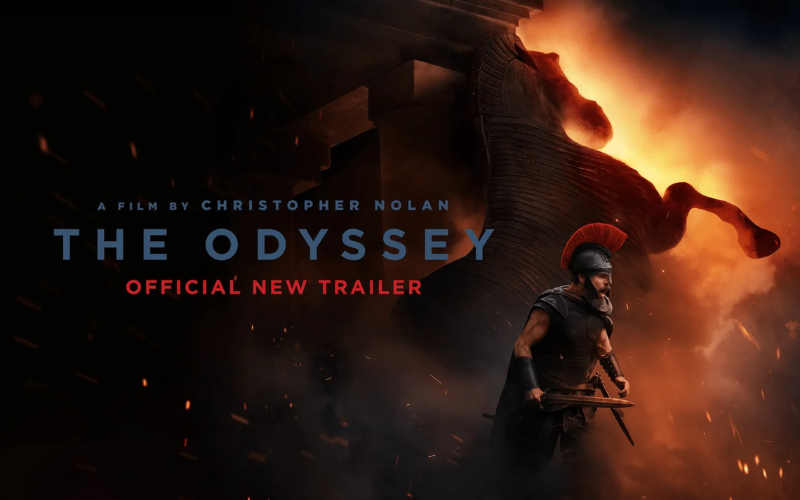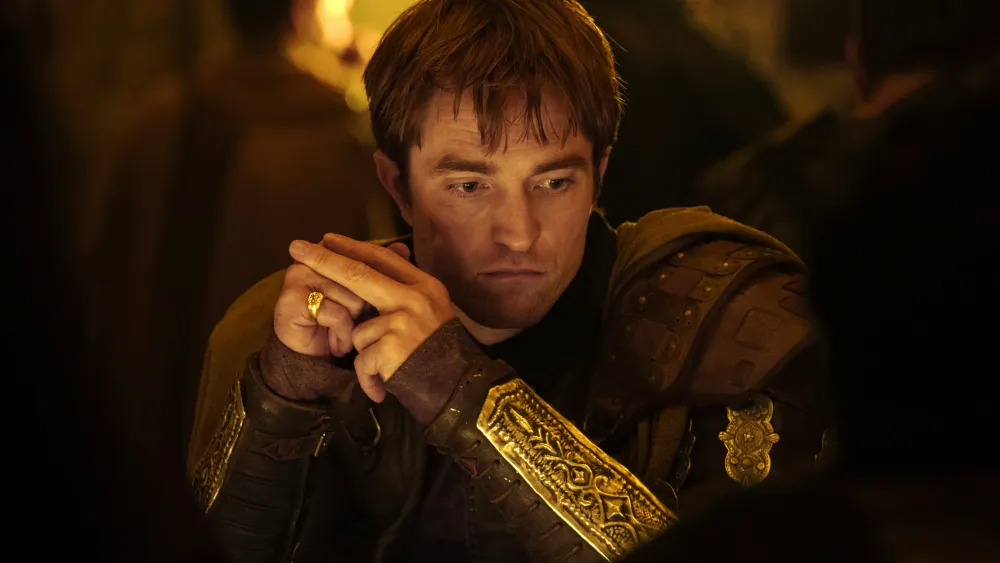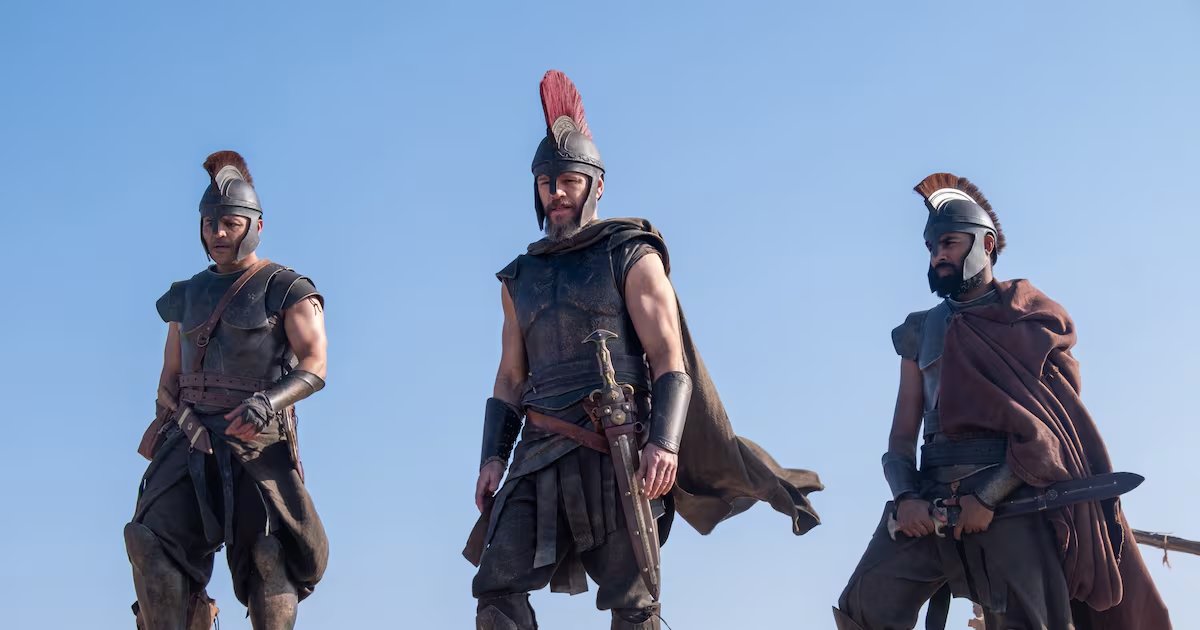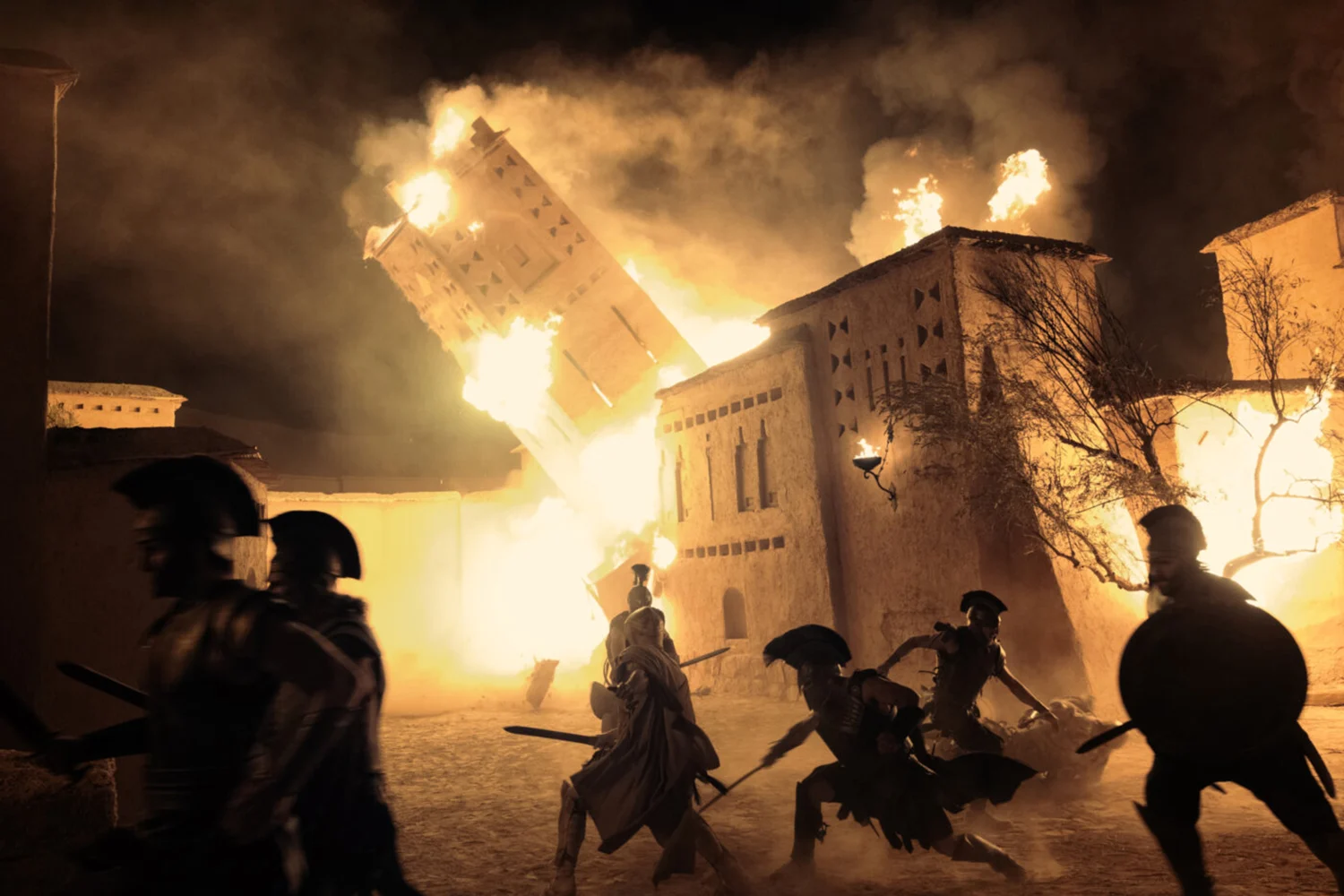
Christopher Nolan’s The Odyssey became a target in online culture wars long before it was released. Much ado was made concerning its historical accuracy, largely from far-right posters on X.
Homer’s Odyssey is one of the most retold and reworked stories in literature, whether it’s set in outer space or Dublin in 1904. Nolan’s version is much more of a remix than a cover, using the set pieces and themes of the 8th-century B.C. oral poem to frame a critique of very modern reactionary movements in politics and culture and to warn that the destruction of norms of civility—especially toward immigrants, foreigners, and strangers—risks a broader cultural collapse.
If the film’s pre-release critics, enraged over Nolan’s decision to adopt a diverse cast, had waited for the release, they could have instead been angry over its themes, which position the film as speaking for the norms and civility of the Western civilization those critics claim to prize, but which violently rejects their xenophobia and dominance-oriented machismo.
“Historical accuracy” is a difficult framework for Homer. Homer’s poem itself is a mélange of historical elements scattered over the nearly four and a half centuries from when its events were to have taken place to its final composition. Homer freely mixes elements of the late Bronze Age with elements of his own time in the early Archaic and purely fantastical elements, creating a kind of free-floating timelessness.