Since I saw the movie, I have found it difficult not to see Trojan horses everywhere. We live now in a state of perpetual distrustfulness
P
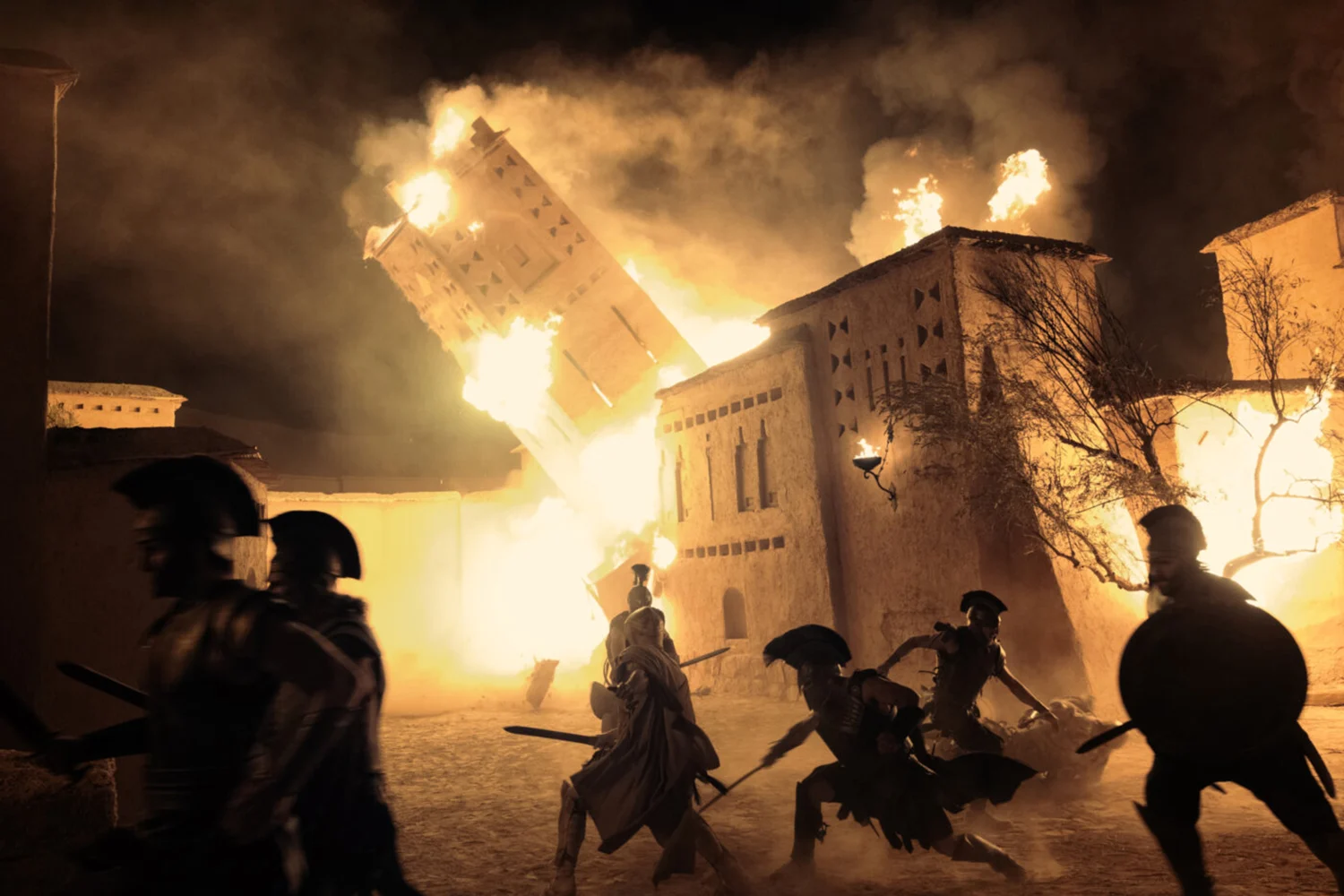
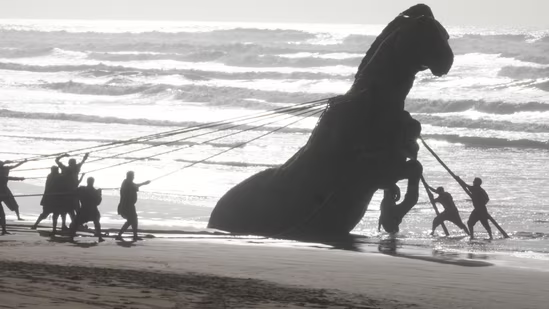
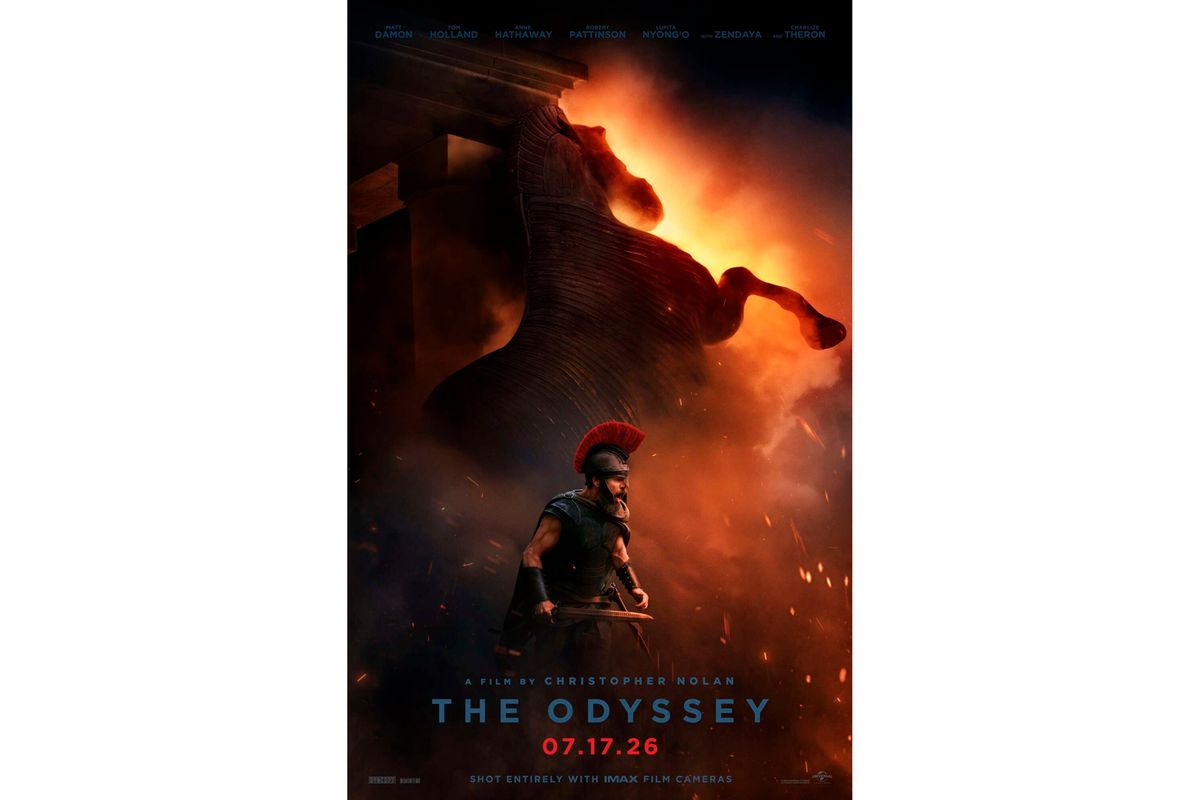
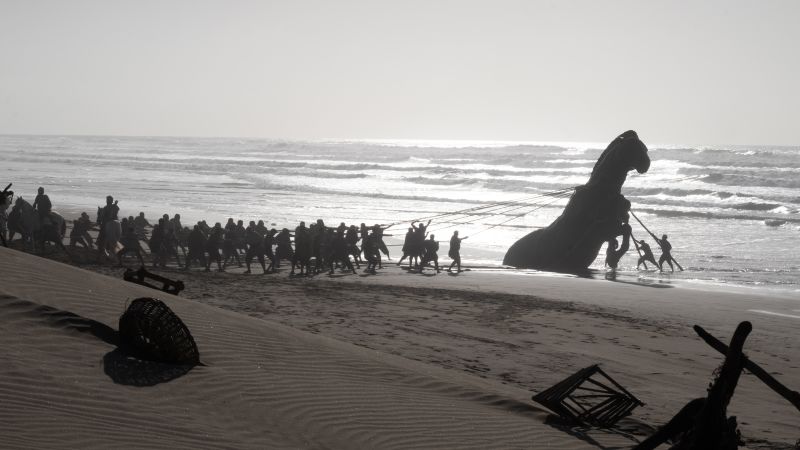
rior to the release of Christopher Nolan’s The Odyssey, I’m not sure many of us would have conceived of the Trojan Horse as a kind of proto-atomic bomb, the sort of norm-obliterating device from which civilisation cannot turn back. If anything, the horse has long existed in our collective imaginations as at best a credulity-stretching plot device – why did those overly trusting Trojans not think to look that particular horse in its wooden mouth? – and at worst a cutely comedic non-threat. The greatest civilisation of its age was taken down by a timber what?
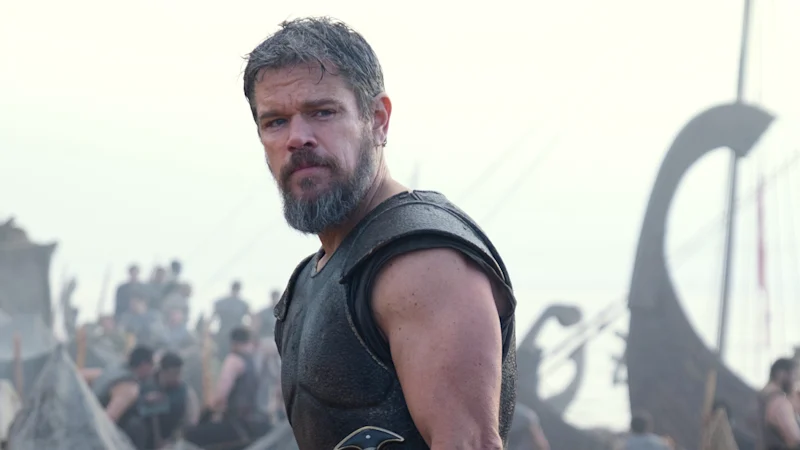
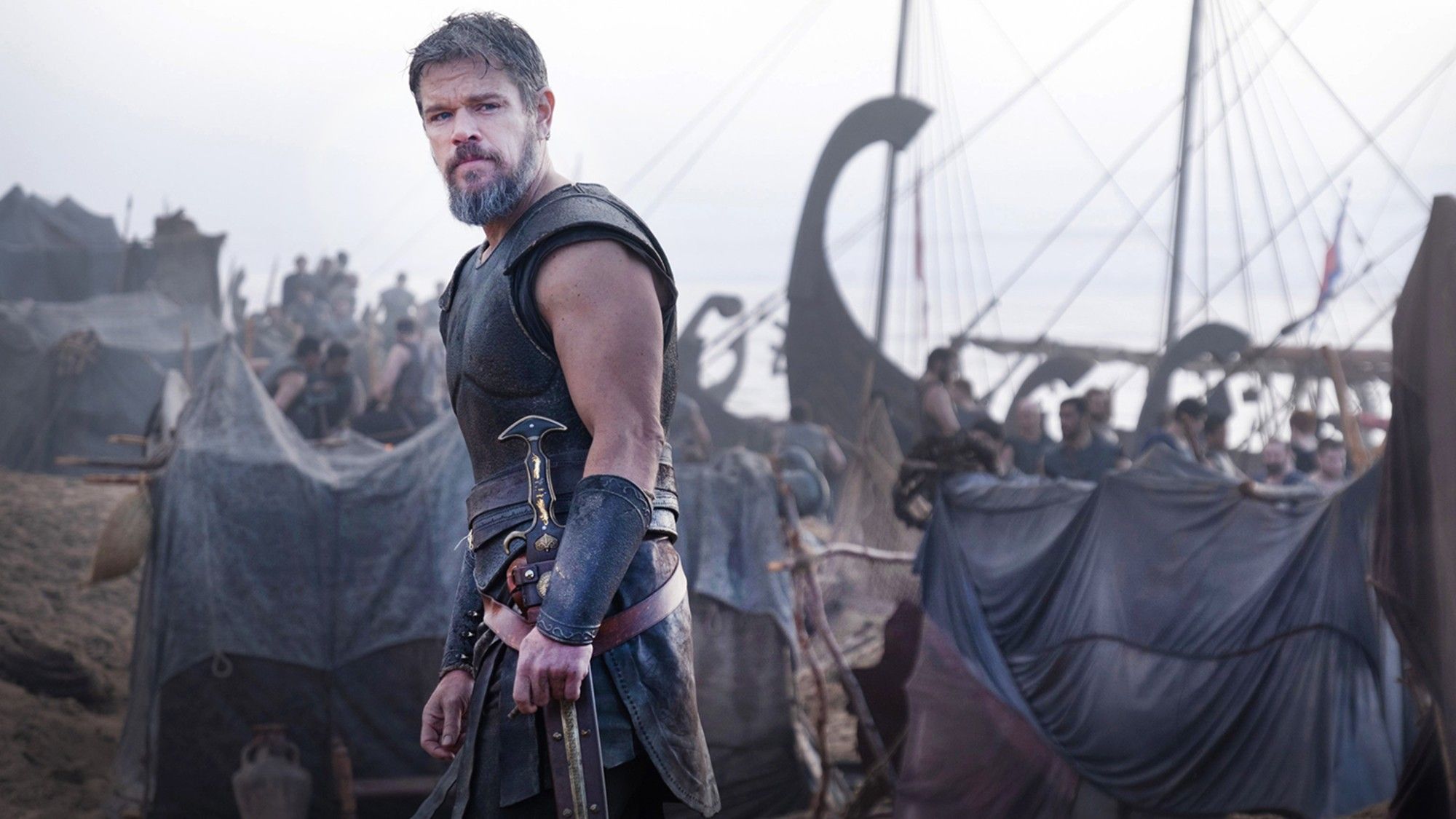
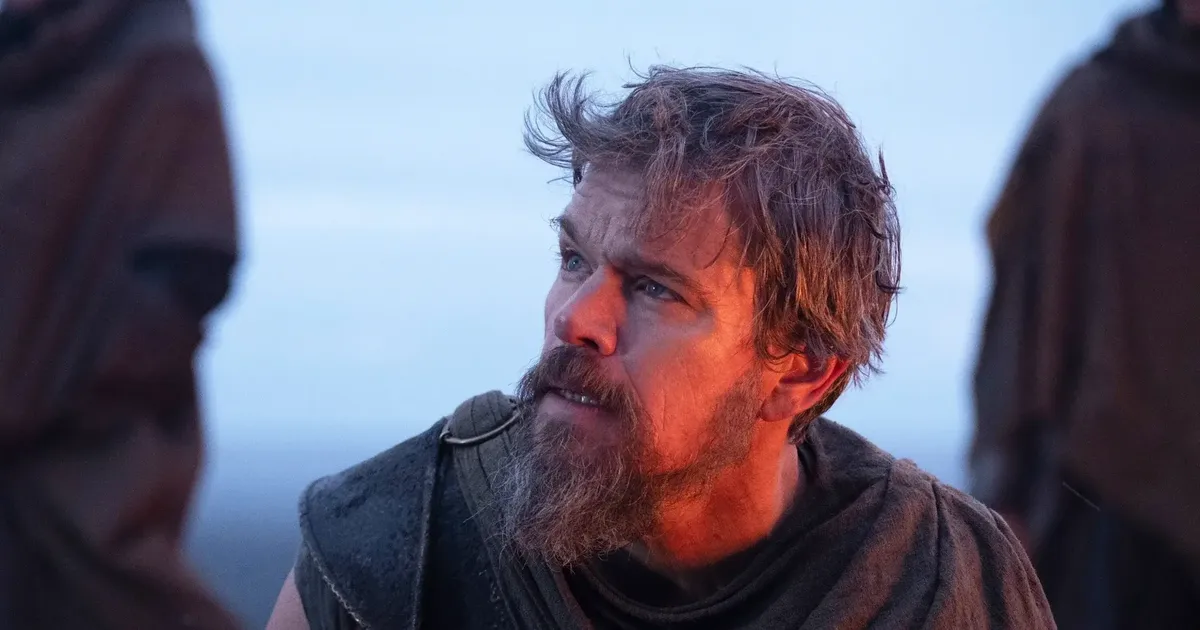
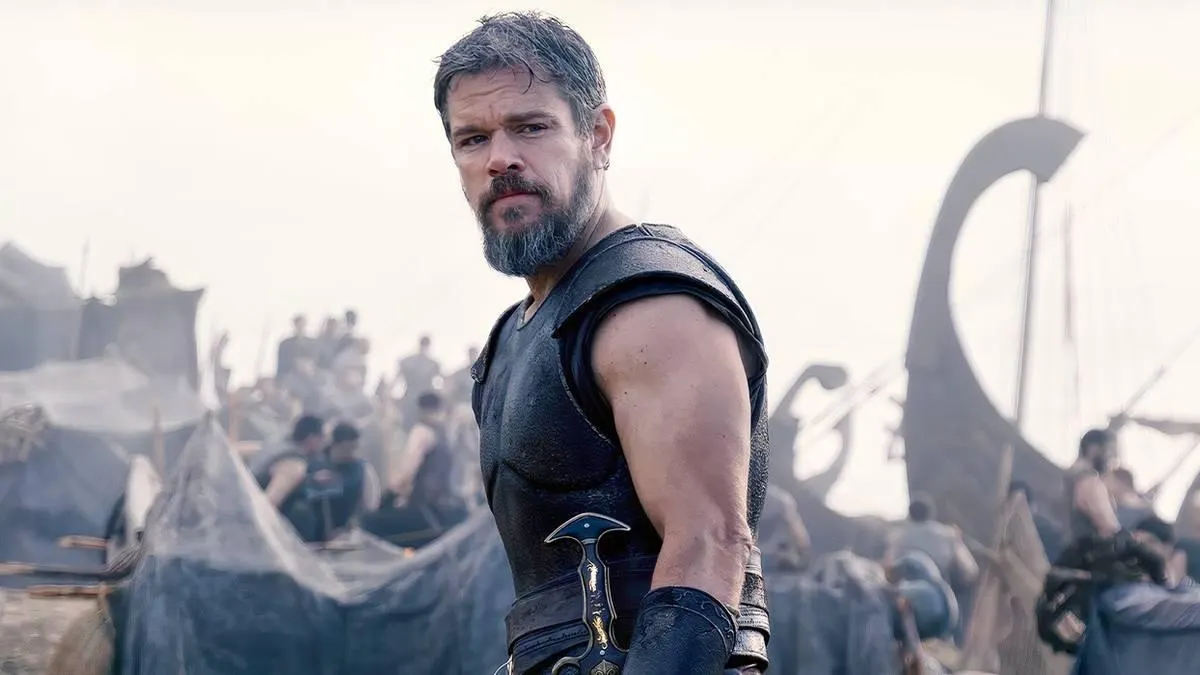
But the true masterstroke of Nolan’s film is its parallels to the last one he dropped on us, Oppenheimer. Like that film, The Odyssey is about a haunted genius who, when presented with a problem, solves it with such speed and significance that he must necessarily cast aside implication. But rather than splitting the atom, Odysseus (Matt Damon), dismembers something considerably more significant – the social fabric.
The world of Nolan’s The Odyssey is one obsessed with civility and rules. Characters talk endlessly about Zeus’ law: a basic currency of interpersonal kindness, where each human being is treated as though they might contain the divine. Odysseus, upstanding man of the world that he is, will not even kill a deer without alerting it of his arrival via a twang of his bow: to sneak up on prey without warning is to turn a “fight” into a “hunt”, he tells us.