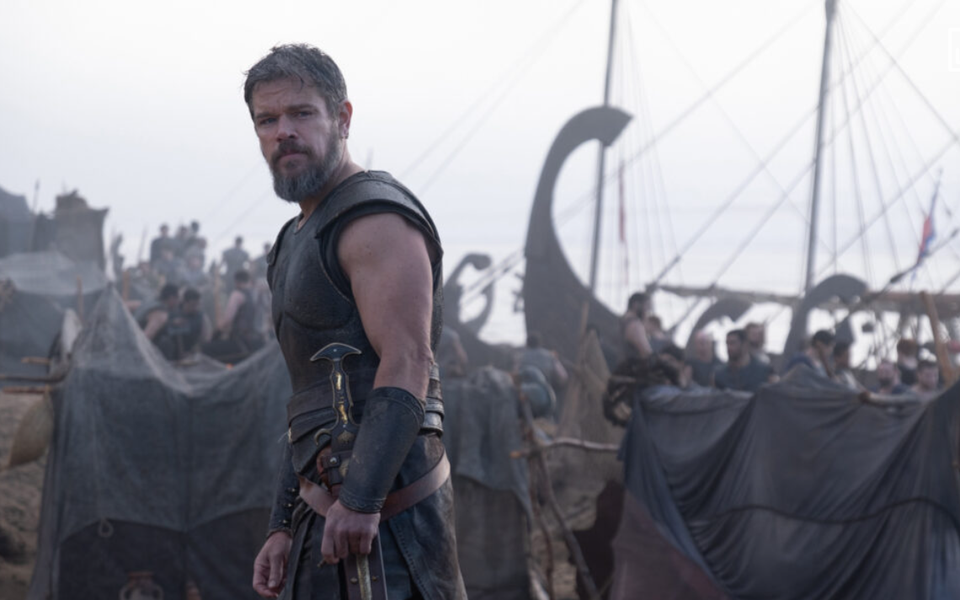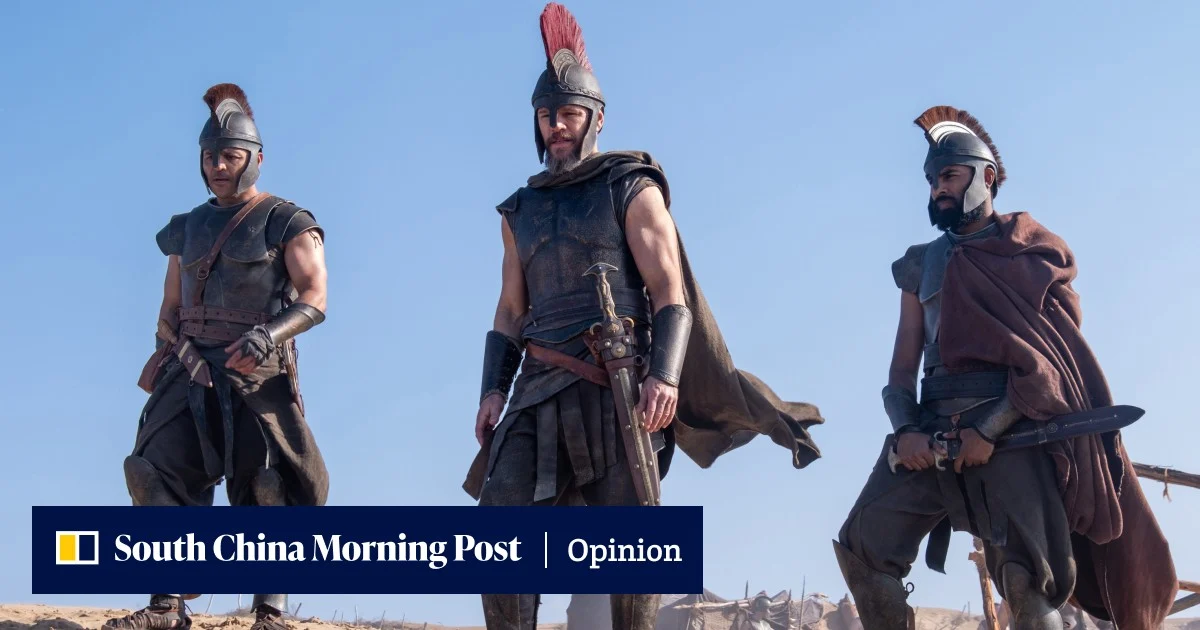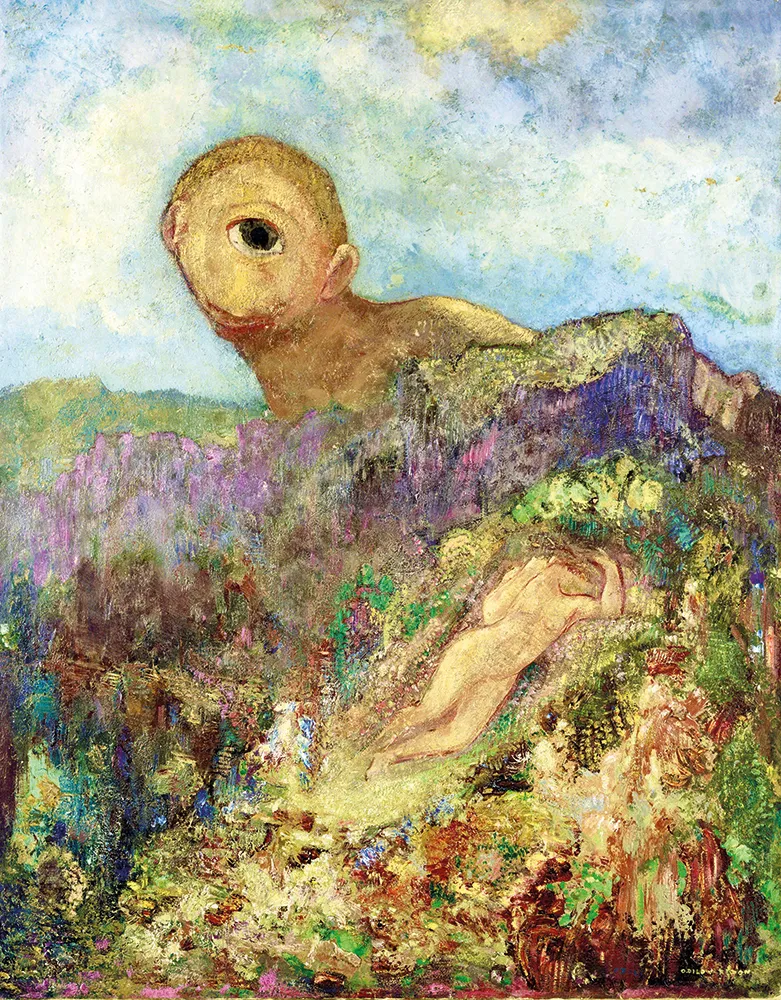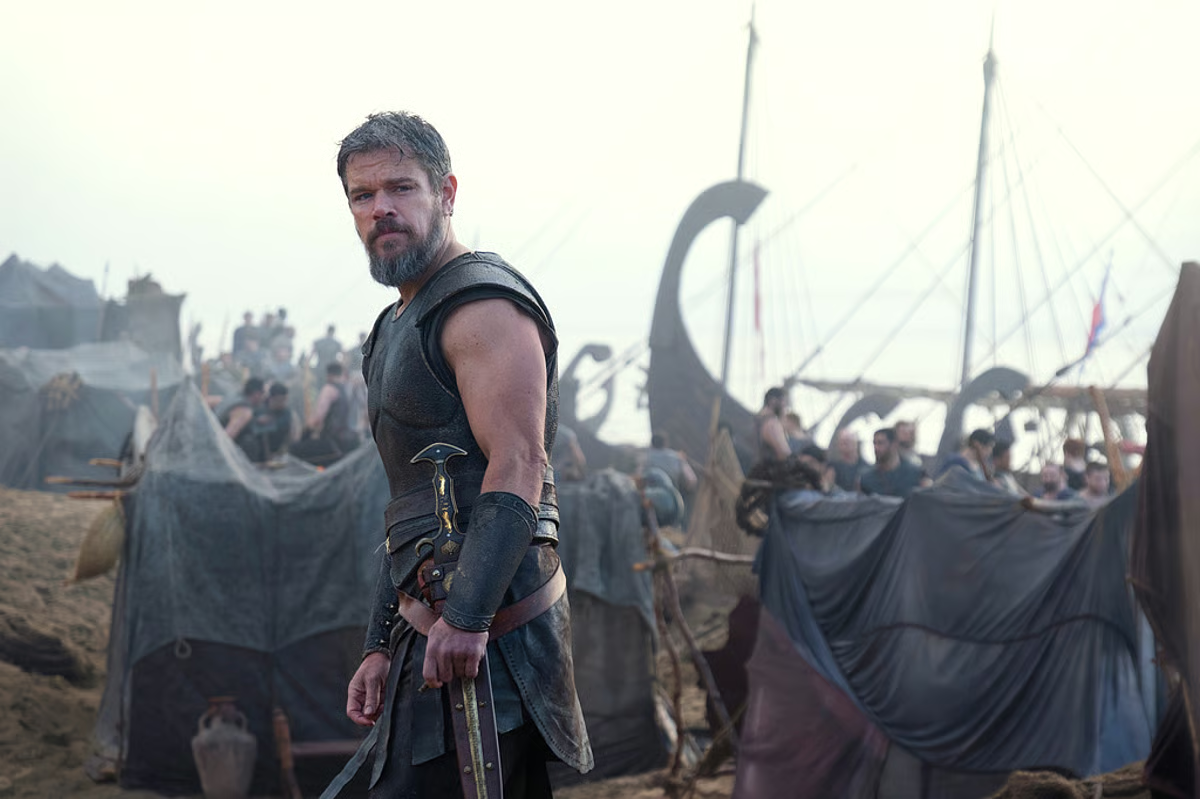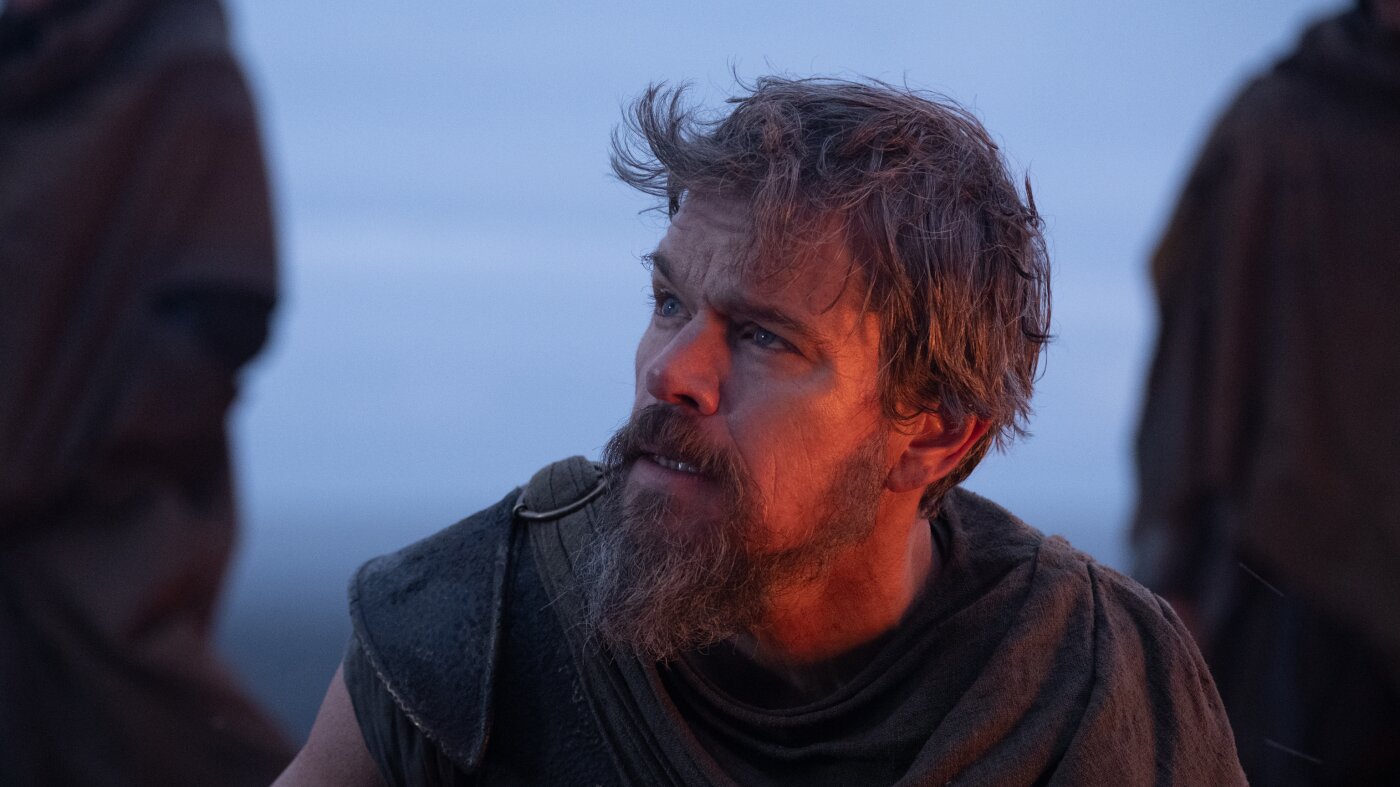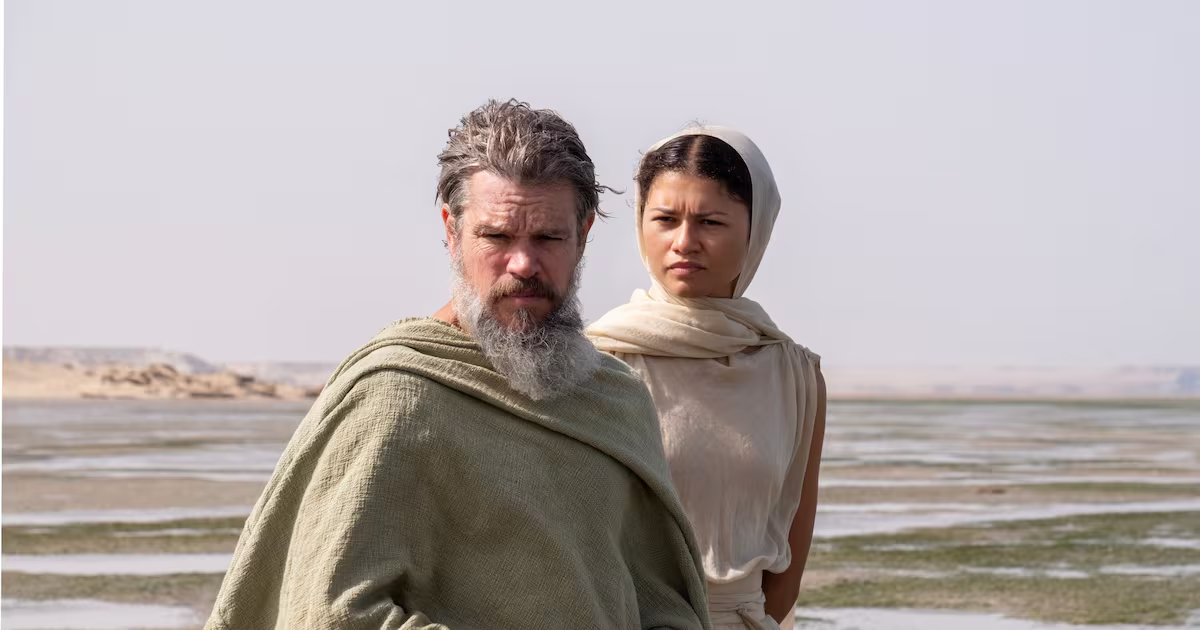
Now that it has returned as a $375 million cinematic blockbuster, it is worth remembering that The Odyssey is the story of a rich man who is forced to behave like a poor man. The great epic works by winnowing its hero down until he is the lowest of the low.Odysseus starts out on his journey home from the Trojan wars as the admiral of a small fleet. Then he is captain of an isolated ship. Then a shipwrecked sailor clinging to a piece of wreckage. Then a homeless stranger. And near the end, before he resumes his place as king of Ithaca, he disguises himself as a dirty old beggar. In the Iliad, the Homeric epic that precedes the Odyssey, Odysseus is already cunning, ingenious, sneaky, crafty. Achilles contemptuously describes him as a man “who says one thing but hides another in his heart”. But there’s a big difference between having your wits about you and living on your wits. In the first condition you use your brains to exert your will. In the second you use them to survive. That’s what poor people have to do.Odysseus is famously called in the Greek polytropos. Emily Wilson’s recent translation renders this as “complicated” which is rather flat and unspecific – which of us isn’t complicated? Scholars tell us that polytropos has an apt double meaning, carrying notions both of personal evasiveness and of a meandering journey which of course is what the story goes on to narrate. I much prefer the opening of Robert Fagles’s translation: “Sing to me of the man, Muse, the man of twists and turns/ driven time and again off course”. I like this perhaps because it brings to mind a Dublin word that seems to have gone out of use: a twister. If it rings any bells now it is probably as the American term for a tornado. But a twister in Dublin was a chancer, a con man, an artful dodger.Odysseus the twister is all of these. Like poor people throughout the history of humanity, he does what he must do in order to endure. He lies and cheats, ducks and dives, charms and seduces. He sings for his supper, telling enthralling stories to strangers who feed him.He is supremely shifty: a king who can appear as a miserable slave. In the backstory recalled in The Odyssey, Odysseus infiltrated Troy as a spy: “Scarring his own body with mortifying strokes,/ throwing filthy rags on his back like any slave,/ he slipped into the enemy’s city, roamed its streets – / all disguised, a totally different man, a beggar, / ... and no one knew him at all”.He becomes a literal nobody – one of those people we step over on the street. To be a nobody is to be beneath our notice. Part of what makes Odysseus so good at survival is that, for all his privilege as a king, he knows this: even in the small, intimate cities of his world there are invisible people – and invisibility is the superpower of the weak.This nobody is who he becomes again as the poem reaches its climax. Because his court is infested with suitors who will kill him, he has to slip back into his own home as a repulsive old vagrant.Odysseus is the refugee, the migrant, the foreigner, the evacuee, the stateless, the undocumented, the outsider, the alien. He is also the tramp, the beggar, the slave, the street dweller, the drifter, the transientThe goddess Athena transforms him: “She shrivelled the supple skin on his lithe limbs,/ stripped the russet curls from his head, covered his body/ top to toe with the wrinkled hide of an old man/ and dimmed the fire in his eyes, so shining once./ She turned his shirt and cloak into squalid rags, /ripped and filthy, smeared with grime and soot.”Squalid, filthy, smeared – we are invited by these terms to feel about Odysseus the worst thing we can feel for any human being: disgust. If we met him on the way to Ithaca we would literally turn up our noses at him. But one of the most extraordinary things about this poem is that it gives a slave a name and a voice. The person who first shelters Odysseus when he gets back to his island is the swineherd Eumaeus. He is a vividly realised character with many lines of dialogue and a meaningful part in the unfolding of the story. He surely smells of pig and muck but he speaks to us across the millenniums as a decent and dignified human being.His decency is rooted in a set of values that is the beating pulse of the whole epic: the moral obligation to accept and protect the stranger. As he informs Odysseus (who he takes to be a miserable tramp): “It’s wrong, my friend, to send any stranger packing –/ even one who arrives in worse shape than you.”[ What is The Odyssey? The 3,000-year-old questionOpens in new window ]This is the duty imposed on civilised humans by the supreme god Zeus in his aspect as Zeus Xeinios, protector of strangers. “Zeus of the Strangers,” says Odysseus to the one-eyed Cyclops, “guards all guests and suppliants.” This quality, xenia, is the precise opposite of xenophobia.Odysseus is the archetypal stranger, thrown again and again on the mercy of those who don’t know him. Eumaeus imagines that if he is still alive Odysseus must now be a man who “starving for food, I wager, wanders the earth,/ a beggar adrift in strangers’ cities, foreign-speaking lands”. Odysseus is the refugee, the migrant, the foreigner, the evacuee, the stateless, the undocumented, the outsider, the alien. He is also the tramp, the beggar, the slave, the street dweller, the drifter, the transient. He is an everyman who is also often a nobody, the man who has fabulous stories to tell but who is at key moments in his own story not worth seeing or listening to.He’s all around us, of course – not just in the giant posters advertising Christopher Nolan’s blockbuster but down at street level in the corner of our eyes where we see shipwrecked people adrift and wandering, dreaming of the place that is the ultimate goal of all journeys: home.
Fintan O’Toole: Odysseus is all around us, not just in Christopher Nolan’s blockbuster Odyssey
He is everywhere in our cities, anywhere we see shipwrecked people adrift and wandering
1,042 words~5 min read