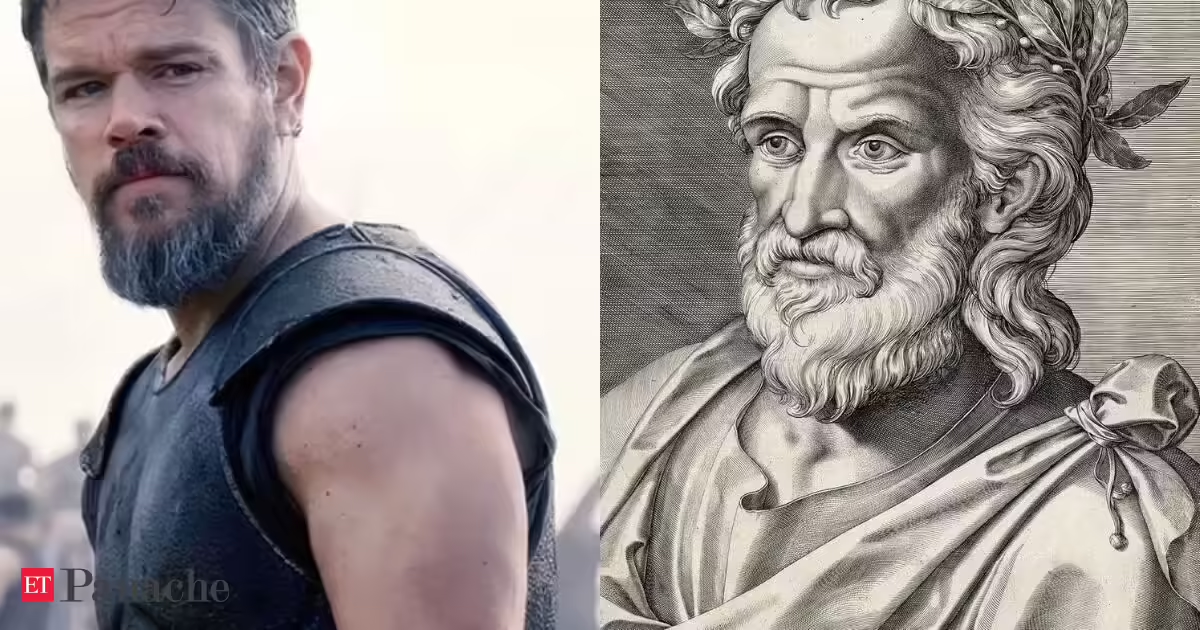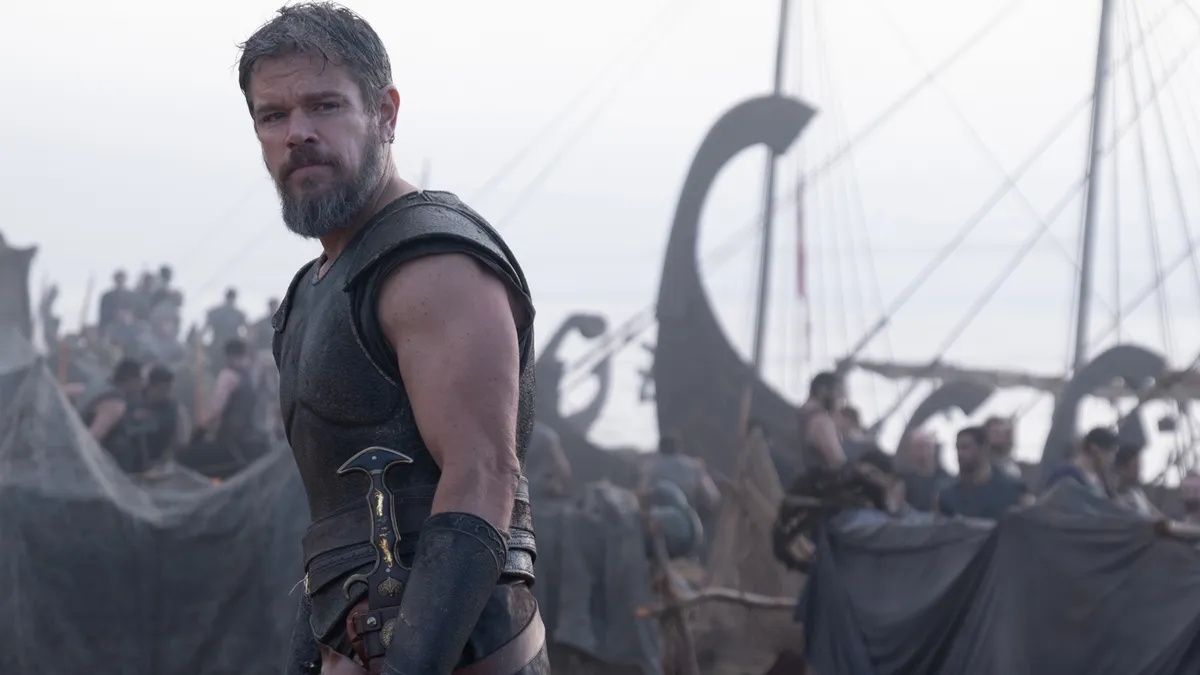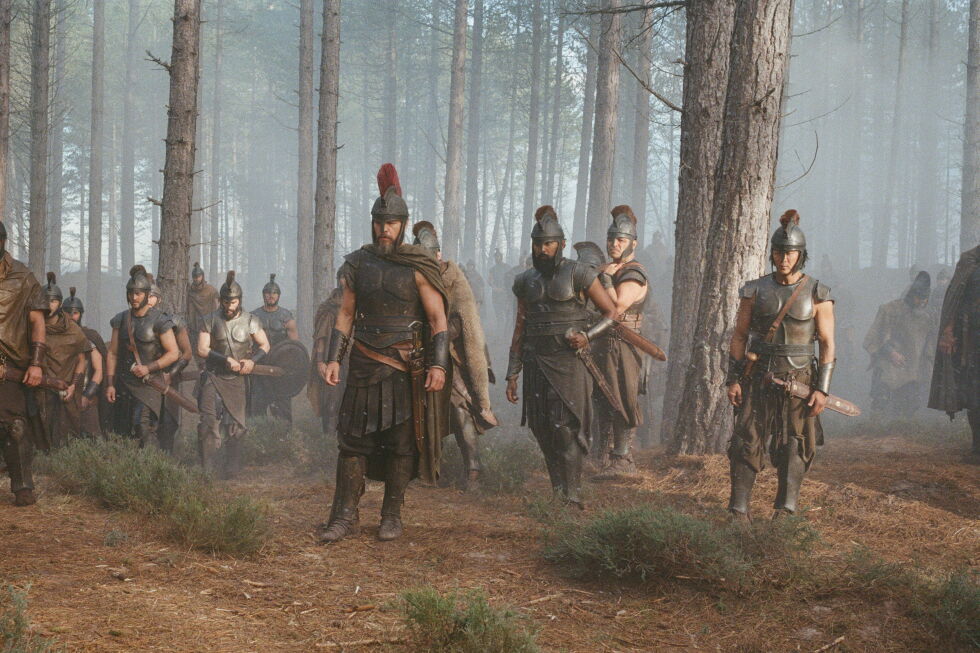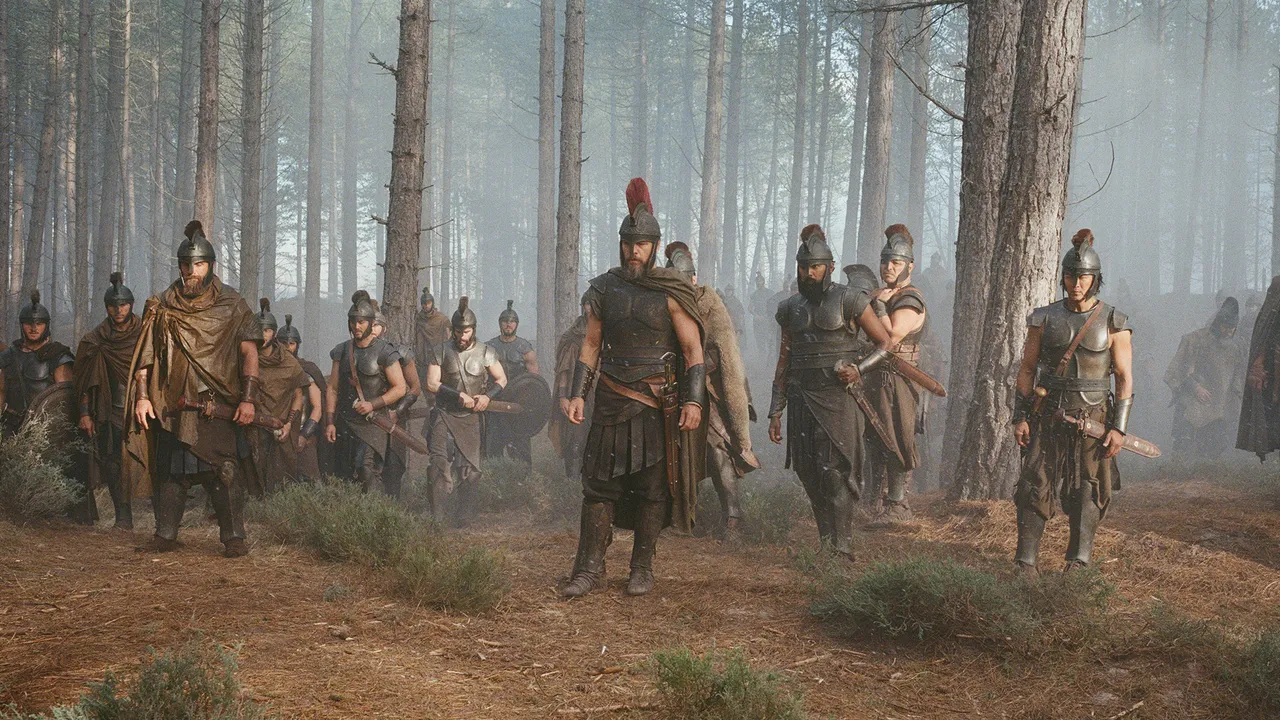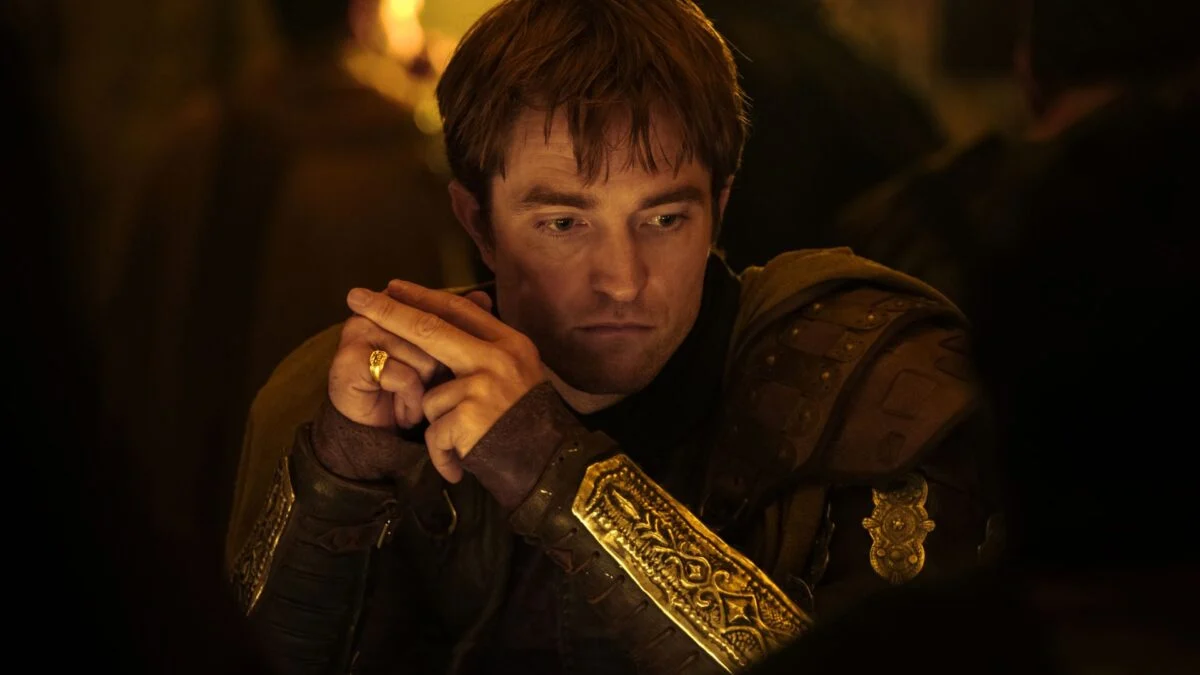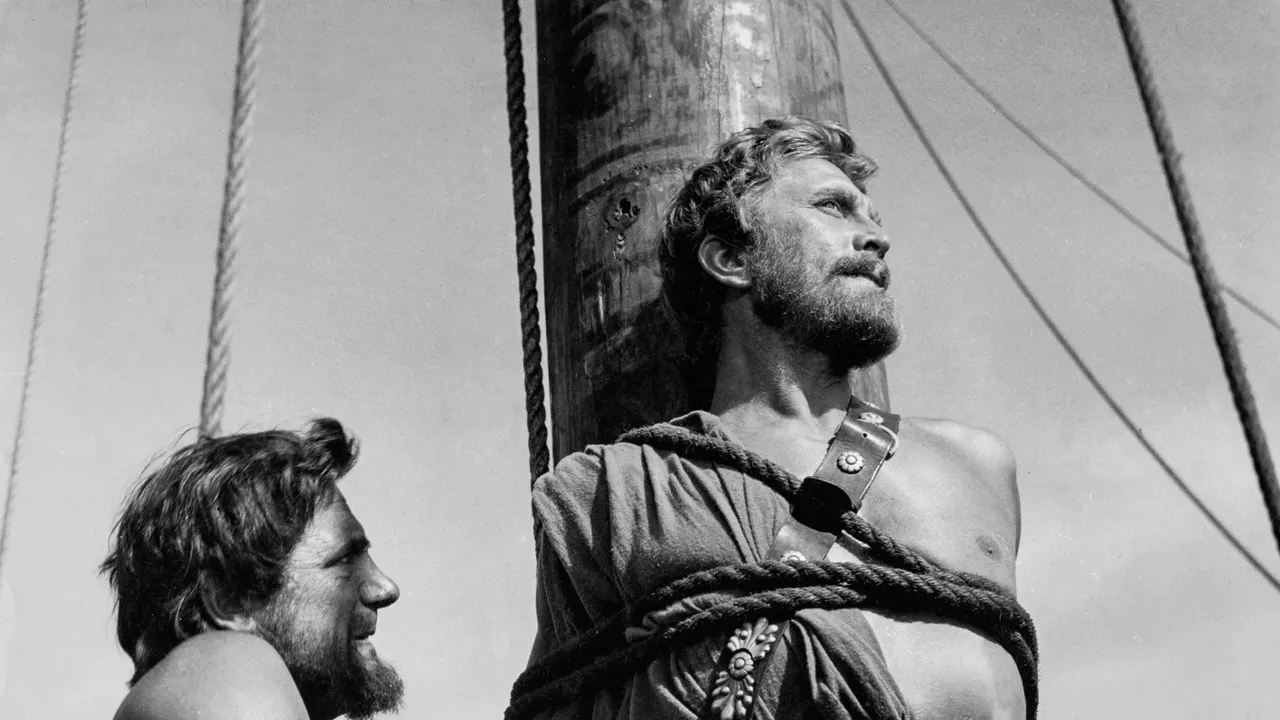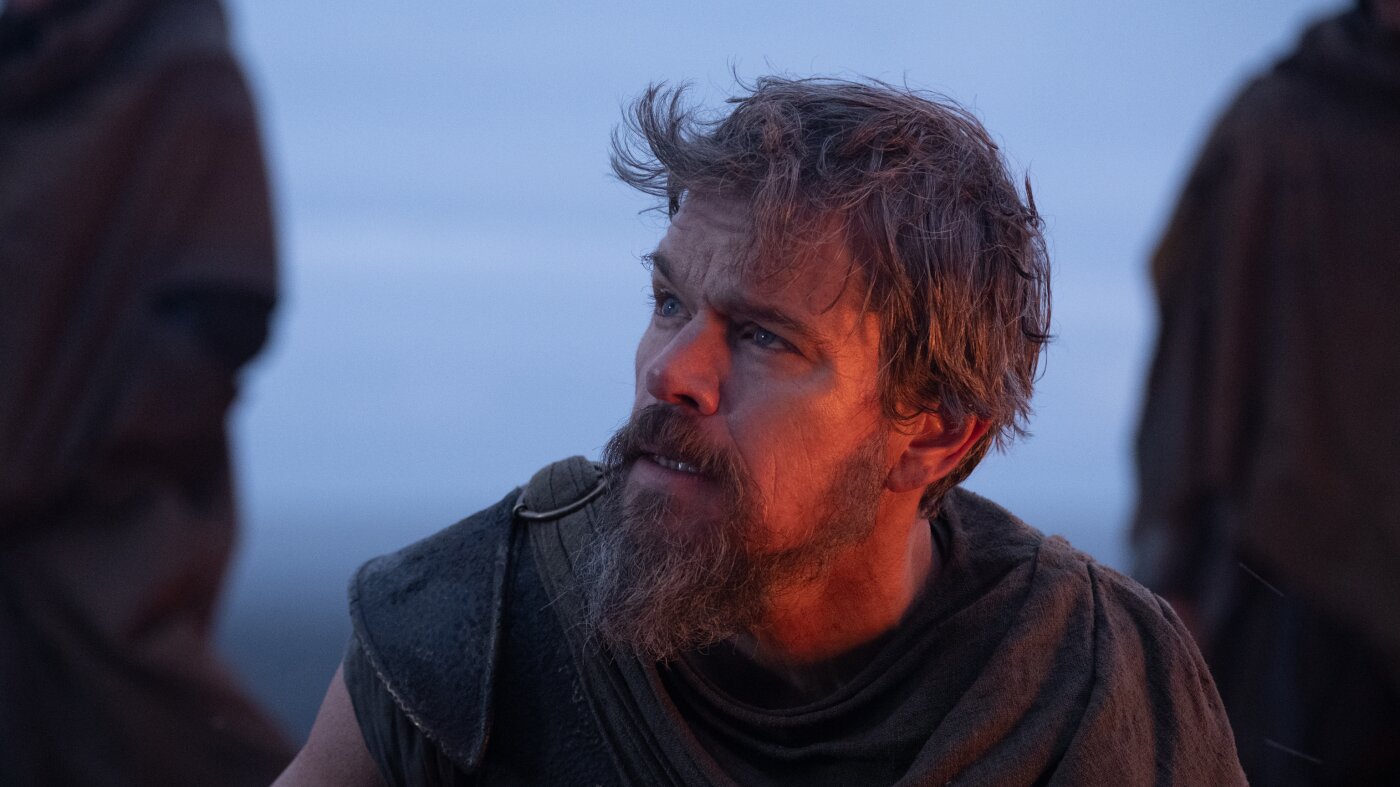
It’s a noble story of one man struggling against monstrous odds, valiantly captaining his crew while trying to avoid being skewered and striving to reclaim his crown. Welcome to the chronicles of Christopher Nolan and his hubristic film adaptation of the Odyssey.
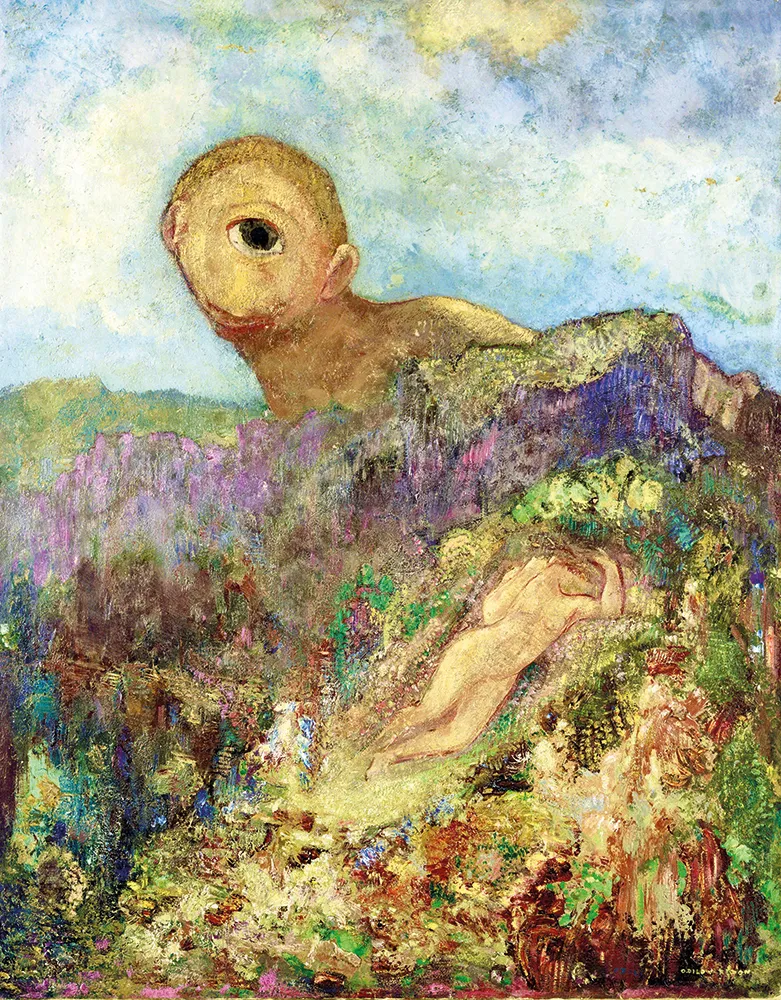
Will Nolan’s Odyssey make us feel – as Keats did when reading George Chapman’s translation of Homer – like some watcher of the skies when a new planet swims into our ken? Or will it be a thundering, 172-minute disappointment? Being a cinematic endeavour, the film should be judged more on its visuals than its script. And on that front, Nolan is pitting himself against a 2,700-year history of artworks depicting Homer’s epic.
Being a cinematic endeavour, the film should be judged more on its visuals than its script
The oldest extant depiction can be found on the neck of the Eleusis Amphora, painted around 650 BC, showing Odysseus and his men blinding the cyclops Polyphemus. Like other early depictions of Odysseus’s ten-year homeward journey it focuses on an action-packed set piece; elsewhere we get his travails with Scylla, Charybdis, the Sirens and Circe. Dramatic spectacles like these were ideal for vase painting, where forms were blocked out in silhouette and the inner details marked with incisions rather than the fluid line of a brush. Within these constraints, simplicity was paramount.