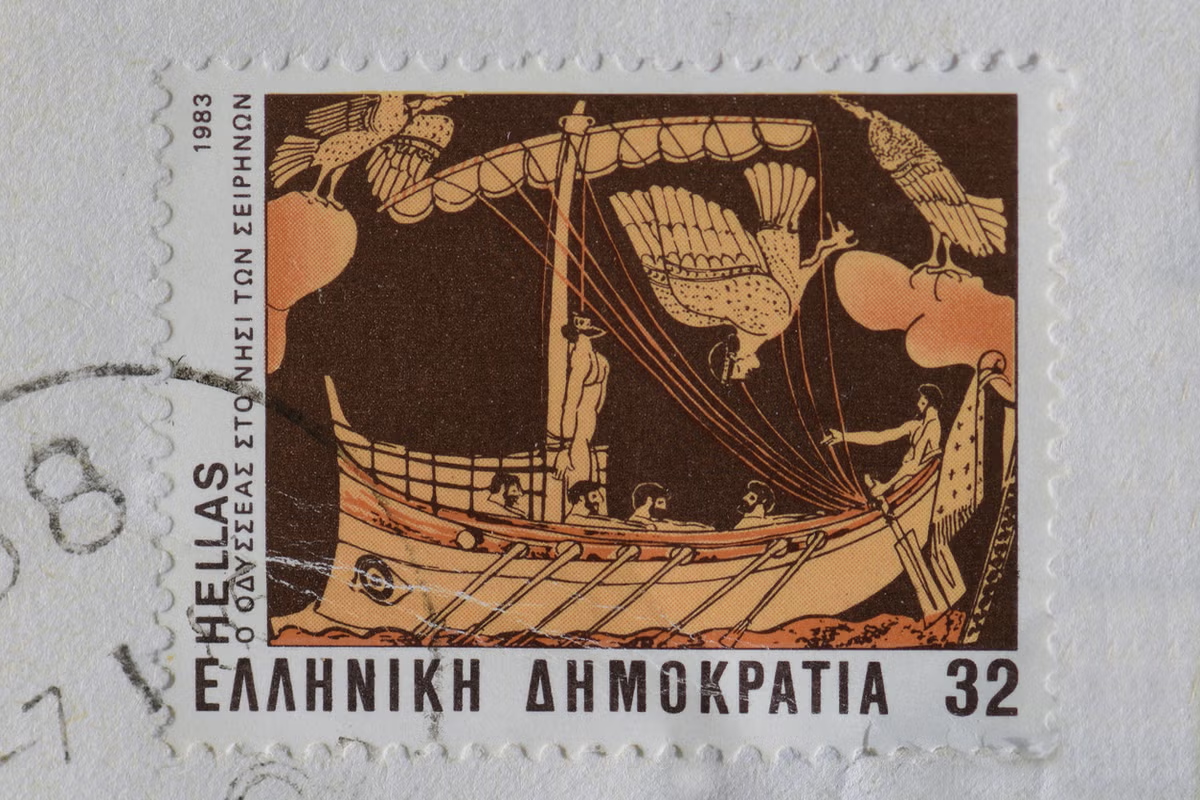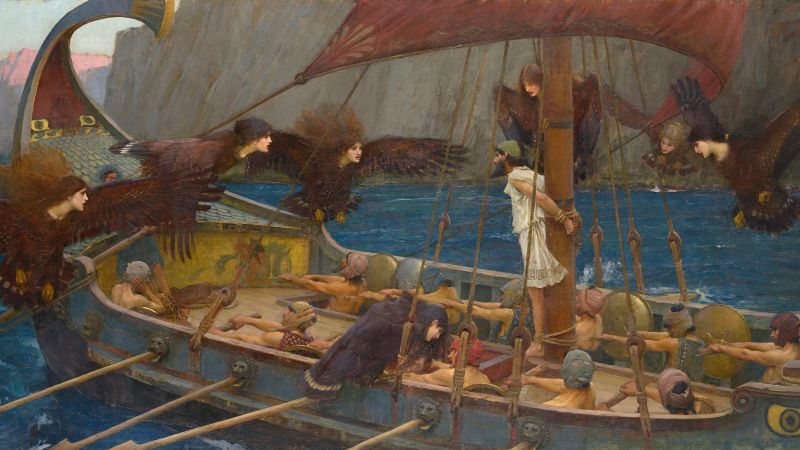
“The Odyssey” is an ancient Greek epic poem that tells the story of Odysseus, the king of Ithaca who spent 10 years fighting the Trojan War only to spend another 10 years trying to return home.
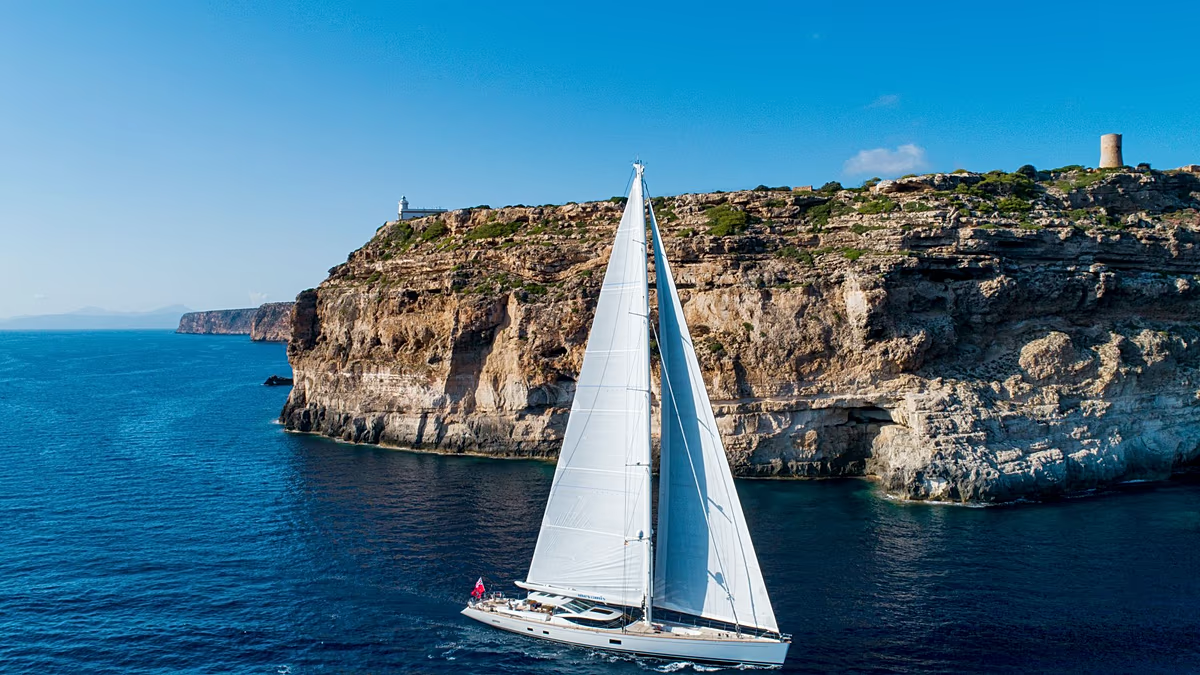
That it takes him a decade to travel the roughly 560 nautical miles from Troy to Ithaca is not because of primitive seafaring technology (voyage records in ancient literature indicate that such a trip would have taken about a week, possibly up to two weeks under unfavorable winds). Throughout Homer’s tale, Odysseus is repeatedly thwarted by divine wrath, nature and human fallibility.
For those rusty on the classics, a brief refresher: On the journey to Ithaca, Odysseus’ crew eats fruit that makes them forget their goal of returning home. They get trapped in a cave with a one-eyed, man-eating Cyclops. When they come tantalizingly close to home, they are blown off course again. They encounter more man-eating monsters. Odysseus’ men get turned into pigs. Odysseus travels to the underworld and has to perform a blood sacrifice. Then there are the Sirens and the sea monsters Scylla and Charybdis. All of Odysseus’ men are killed by the end, and as if he hasn’t suffered enough, he’s kept for years by Calypso as a sex slave.