The Mediterranean’s own odyssey: An ecological treasure feels the strain
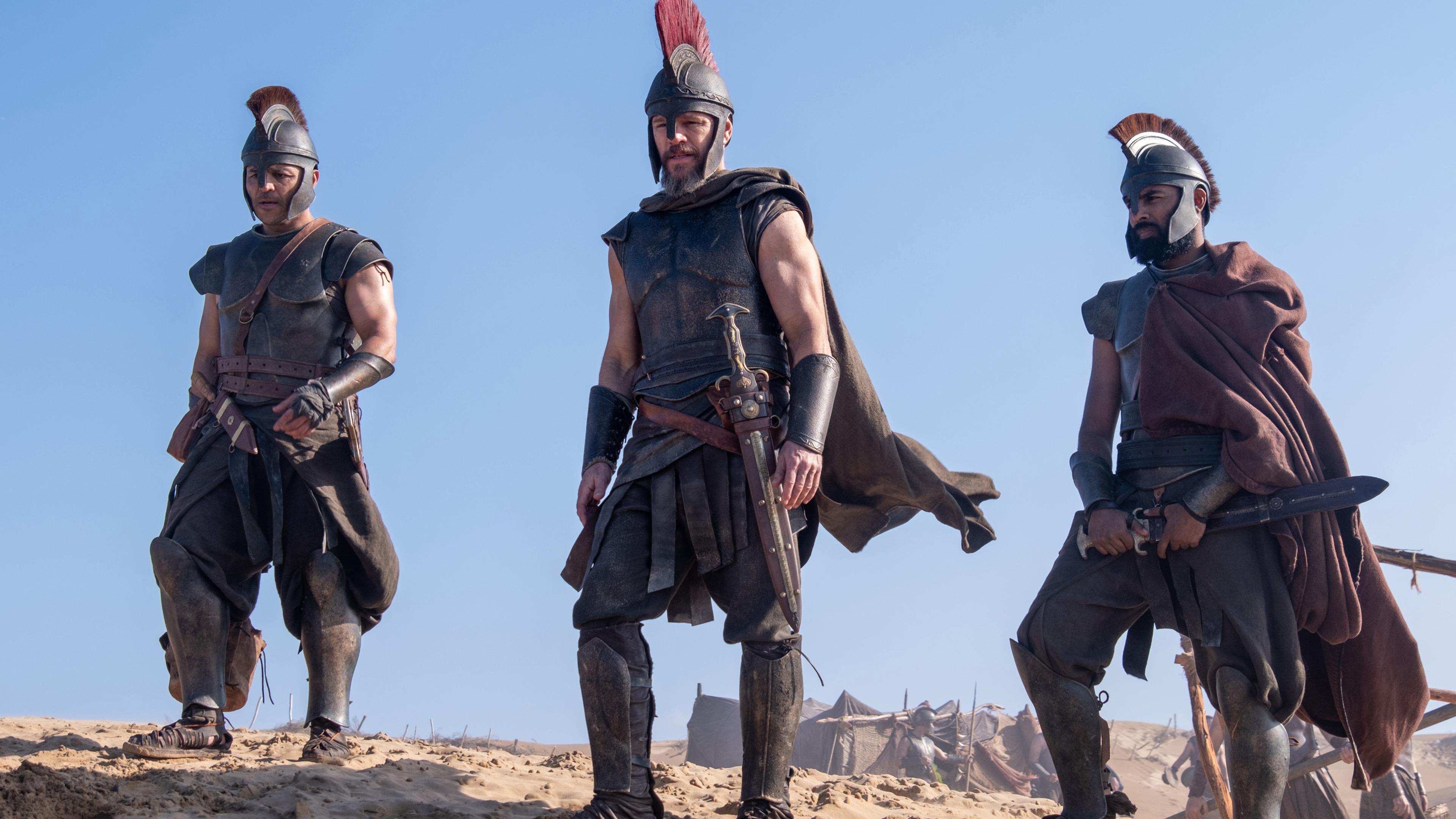
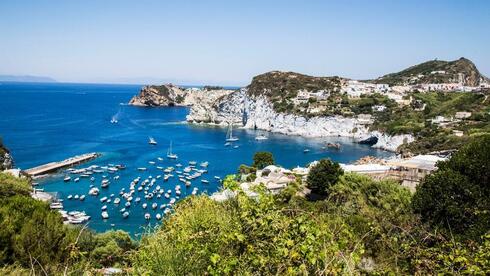
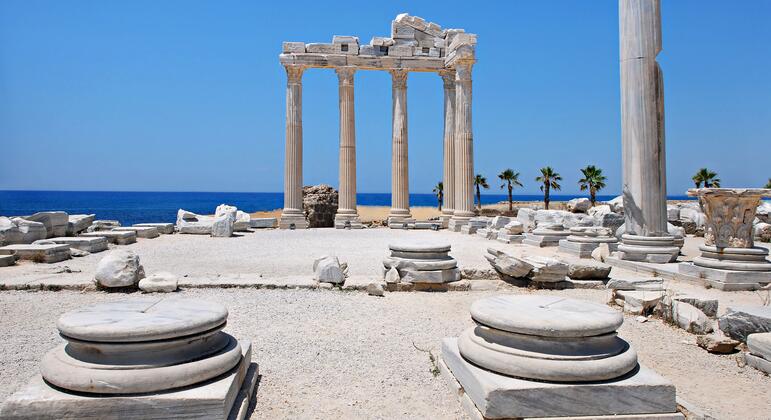
Since Homer’s day, the Mediterranean has been much more than a beautiful body of water, where Odysseus journeyed home, encountering six-headed monsters, bewitching sirens and unpredictable gods. Situated between Africa, Asia and Europe, the Mediterranean has been a highway connecting cities, civilisations and commerce, providing food and livelihoods while being central to culture, spirituality and the spread of ideas. With its shores now home to more than 500 million people, including some 25 coastal metropolitan areas, the Mediterranean’s importance has only grown. Home to the world’s busiest shipping lanes, it currently supports massive fishing and tourism industries, with a growing list of others.Ecological treasure chestThe Mediterranean is also an ecological treasure chest. Covering just one per cent of the world’s ocean surface, it contains up to 18 per cent of all known marine species, more than a quarter of which are found nowhere else on Earth. Underwater meadows of Posidonia oceanica – an endemic seagrass named for the Greek god Poseidon and commonly known as Neptune grass – cover more than 1.2 million hectares, providing a vital habitat for troves of marine life, sequestered carbon and nutrients.Other ecosystems such as marshes, wetlands and dunes, buffer the Mediterranean’s approximate 46,000 kilometres of coastline and keep communities safe from erosion and storms. These landscapes provide food, water, jobs and identities – but they’re coming under increasing strain.