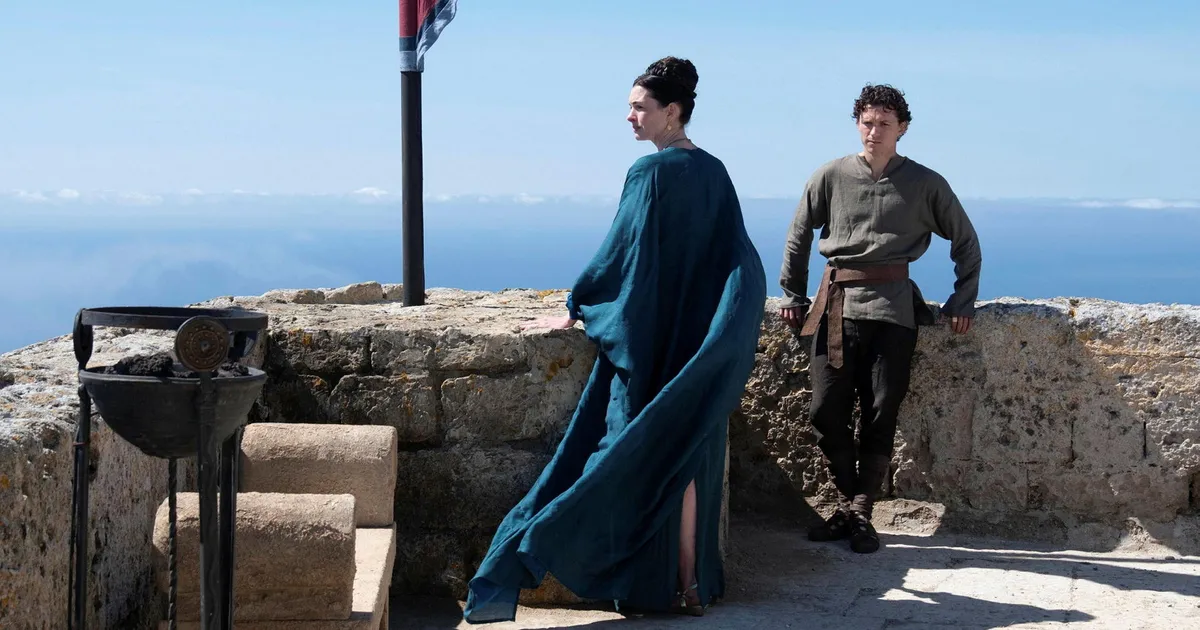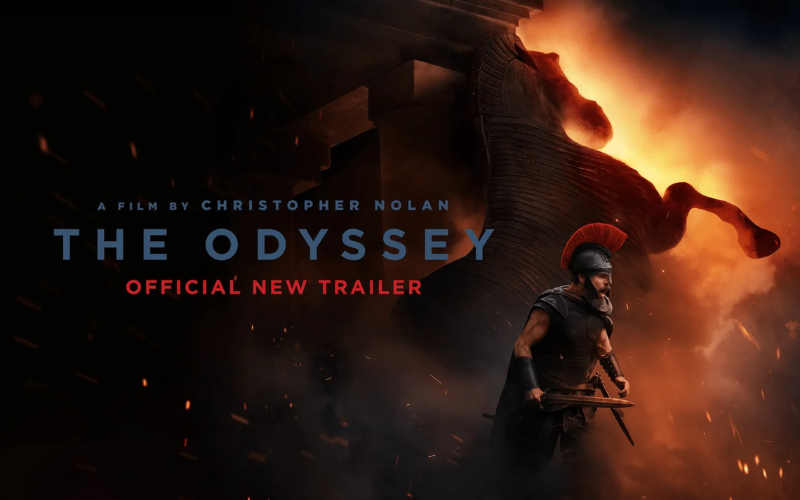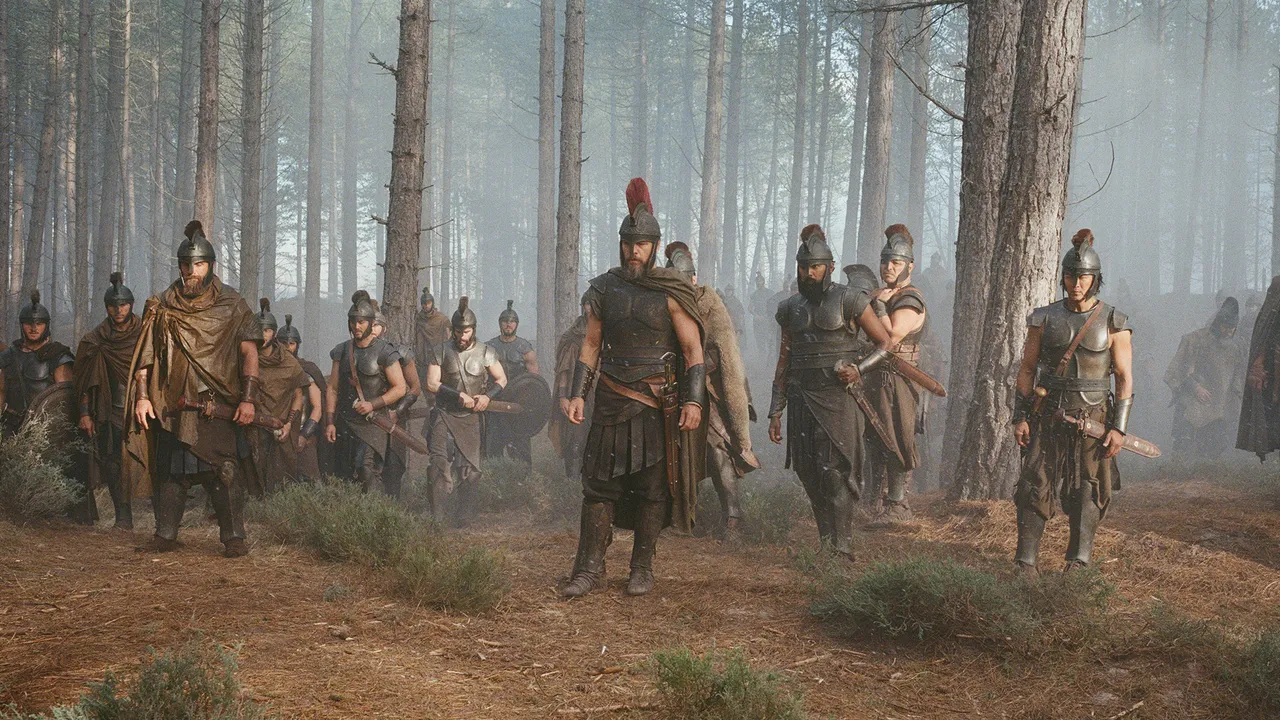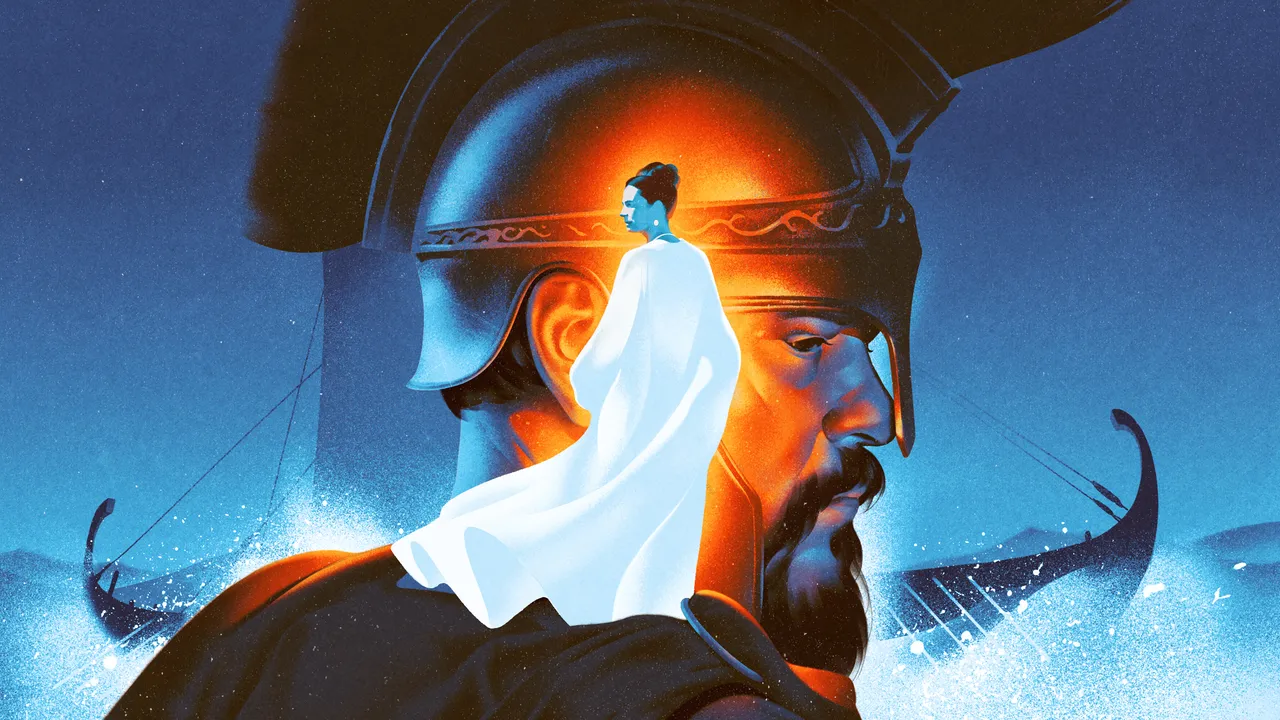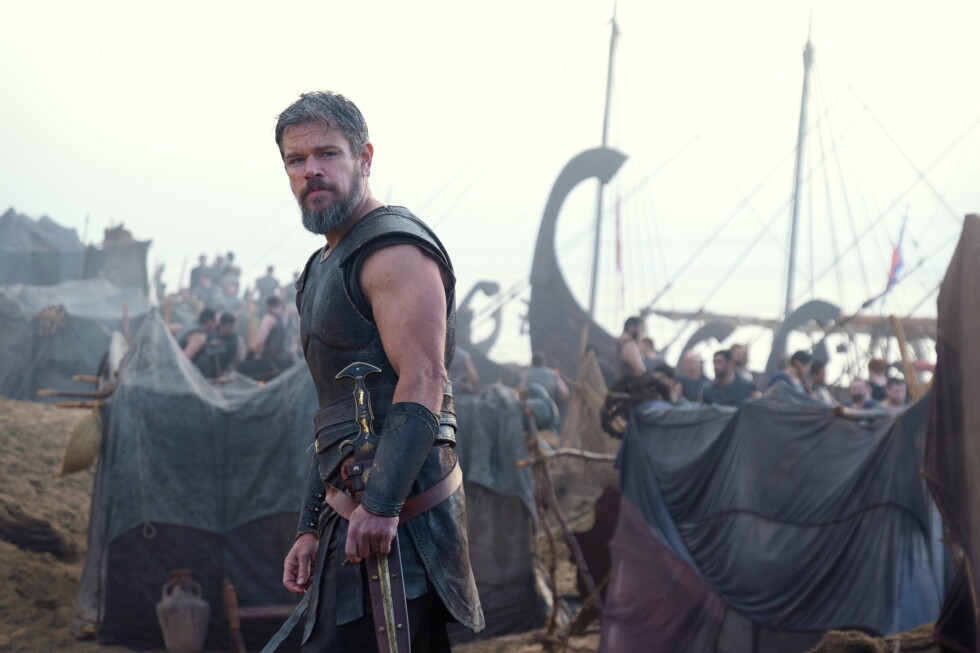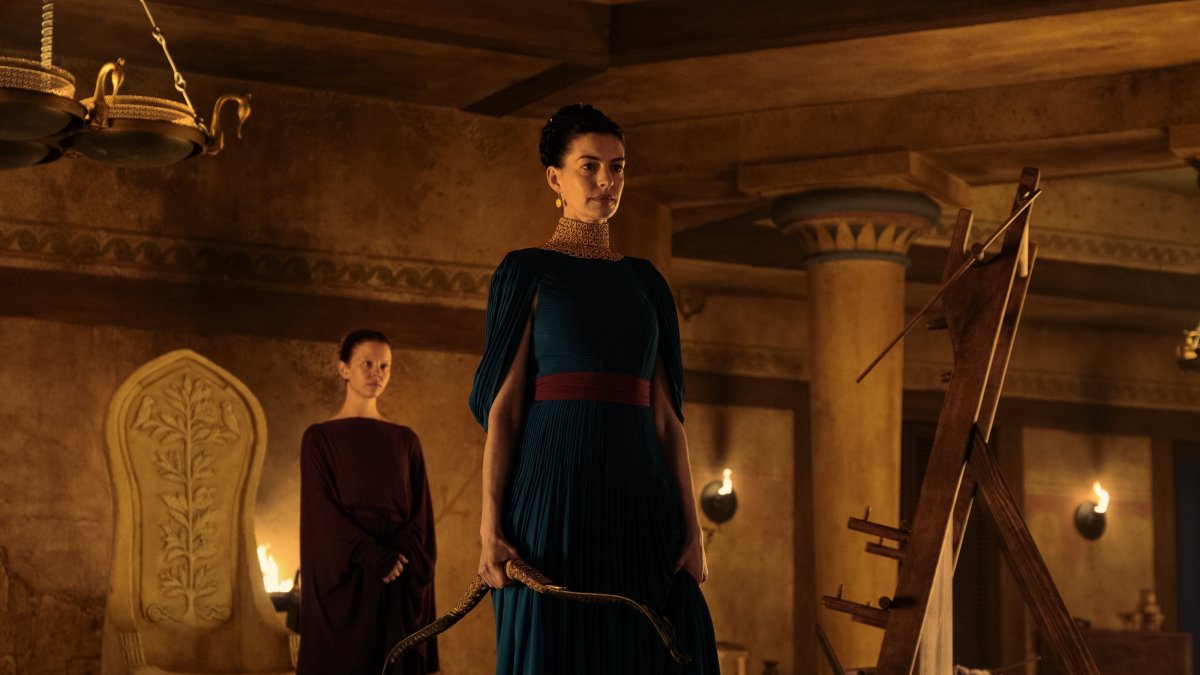
Every adaptation of the "Odyssey" is a negotiation between antiquity and the present, and in Christopher Nolan's version the Greek past is dramatized to mirror the American present. A lot has been said about the "fidelity" of this blockbuster, but what is the adapter to be faithful to? The plot? The characterization? Or the very act of telling the story? Despite Nolan’s (mis)use of the character of Odysseus as the PTSD-ridden American soldier throughout the film, as a narratologist my heart was won instantly when I saw a rhapsode, a poem singer, strike his staff on the ground and declare the first word of the epic "A man!". This reminds us how both the story of Odysseus’s return, and the story of the destruction of Troy was passed down the generations: first orally, then written down by Homer, then translated into several languages and then transferred to the screen. "The Odyssey," apart from being one of the earliest epics, is a text that contemplates its own production, and has a couple of poets in the story reciting the story of Odysseus. In Nolan’s adaptation we see one of them, and Penelope stops him at one point because she is tired of hearing the exploits of a man she’s been waiting for for 27 years.
Greek past, American present in Christopher Nolan’s ‘The Odyssey’
Christopher Nolan's 'The Odyssey' reimagines Homer's epic as a reflection of modern America, using its themes of war, storytelling and...
1,402 words~6 min read