Story audio is generated using AI
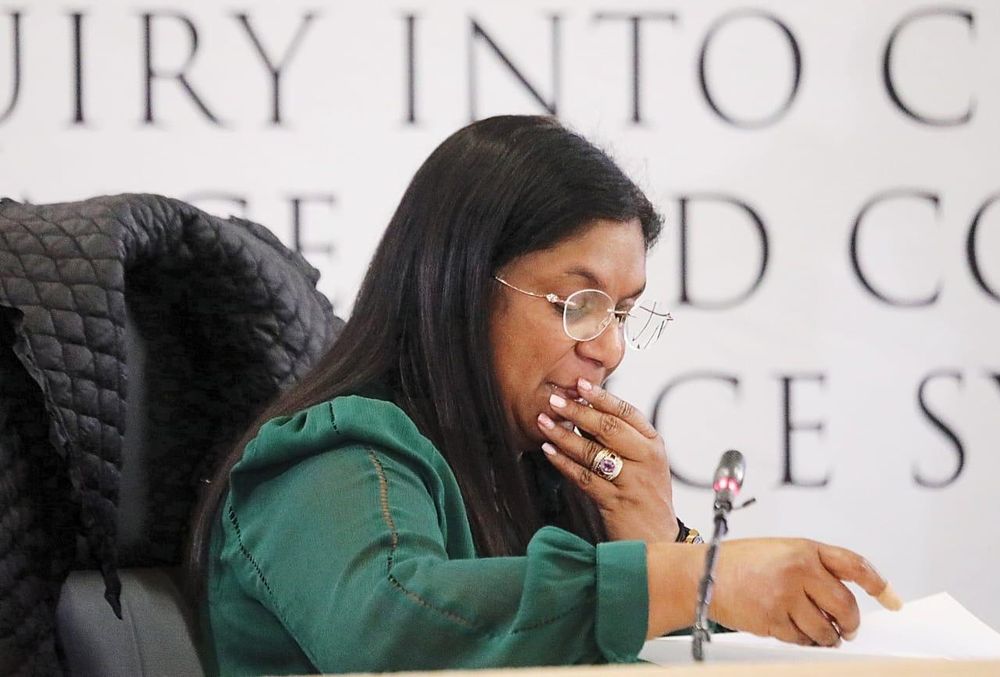
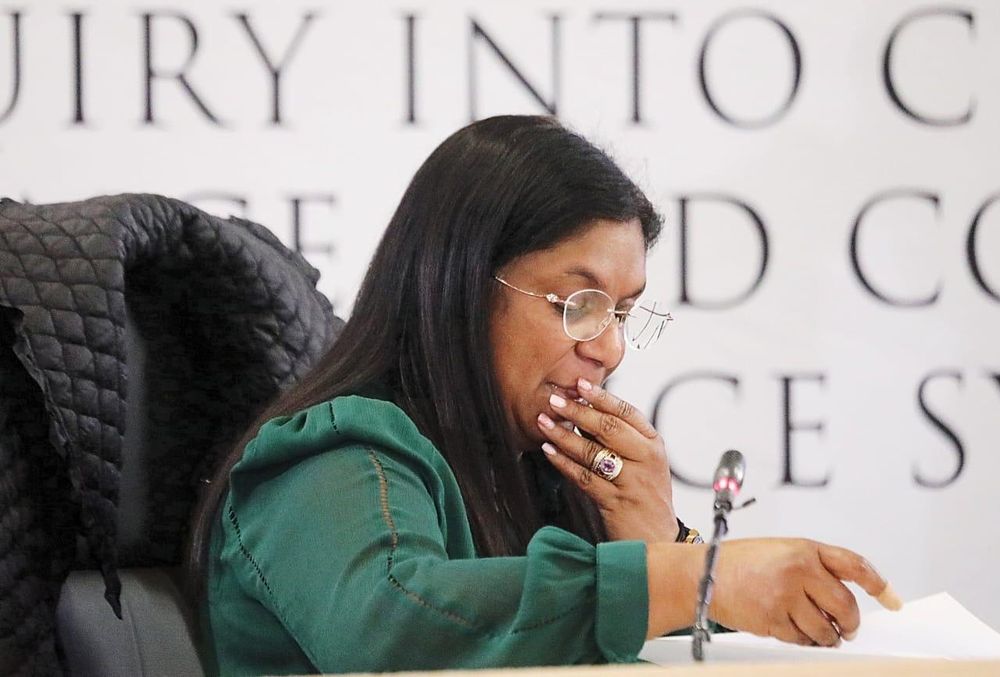
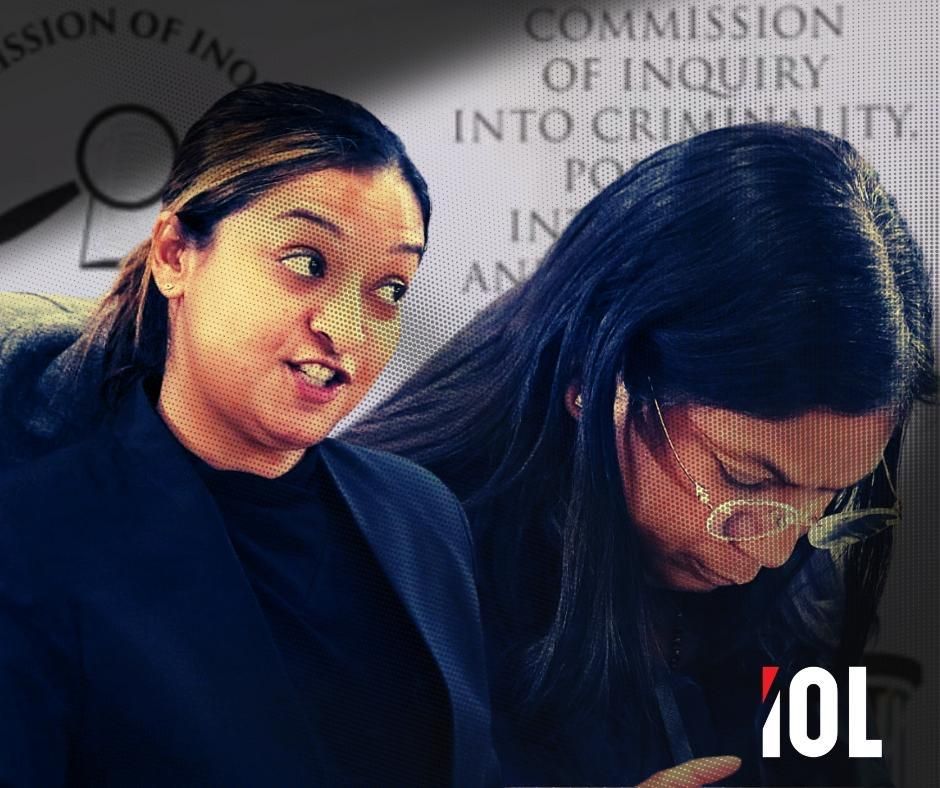
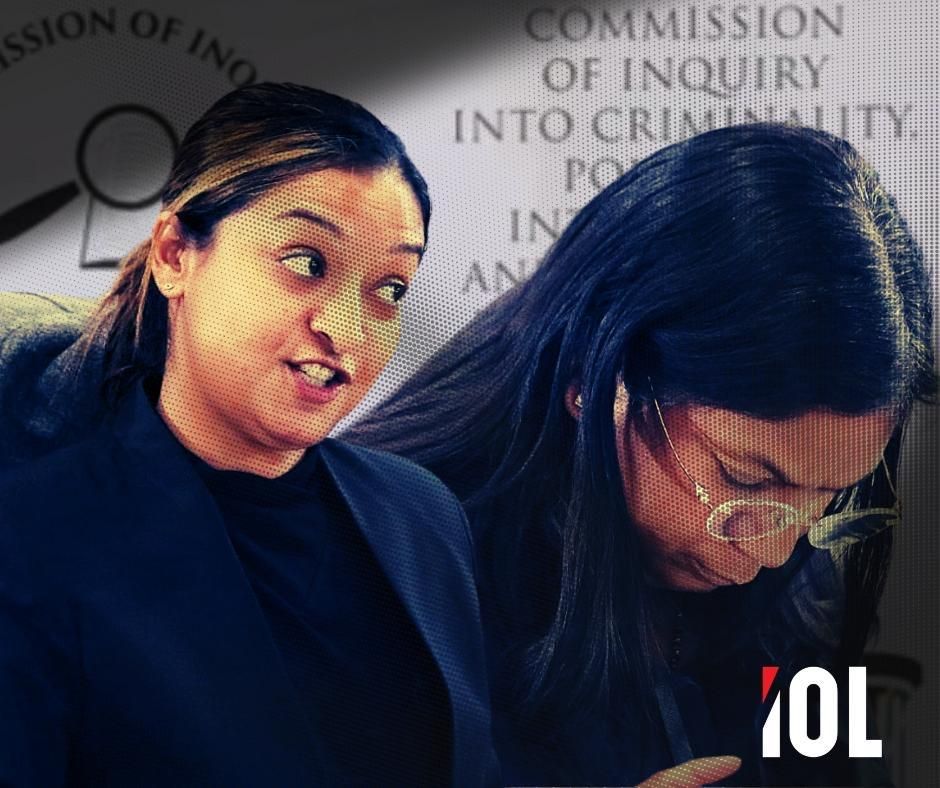
Former Investigating Directorate Against Corruption (Idac) head Andrea Johnson had a “very close relationship” with crime intelligence boss Maj-Gen Feroz Khan, the Madlanga commission heard on Wednesday.The commission, which was established to investigate allegations of infiltration of the criminal justice system, also heard uncontested evidence that Johnson prematurely disclosed a docket to Khan in his assault case in which he was accused by a colleague in the crime intelligence unit. After six days of testimony and cross-examination, Johnson wrapped up on Wednesday by electing not to testify or counter allegations that she acted improperly in 2018 by sharing the docket with Khan.“I am aware should I choose not to answer any of the questions they remain unchallenged. I elect not to answer questions so as to not incriminate myself,” Johnson said. The commission can now draw its conclusions on the allegation without counter-evidence. Commission chair, retired justice Mbuyiseli Madlanga, told Johnson the evidence against her is “very strong” and a decision to not counter would lead the commission “not to have a basis to reject it”. Earlier this week Johnson resigned after making numerous concessions on the witness stand. She conceded several times that her organisation had acted outside its legal mandate in controversial investigations of police crime intelligence management. In her testimony on Wednesday, Johnson conceded she had played down her relationship with Khan when confronted with WhatsApp messages extracted from Khan’s phone. Khan would at times use greetings such as “Hi gorgeous,” evidence leader Mahlape Sello said, adding they had a “very close relationship”.The directorate was accused of running a “Khan-cabal” amid its investigations of police crime intelligence head Lt-Gen Dumisani Khumalo. She also conceded that the case her directorate pursued against Khumalo was not within the Idac’s mandate. Idac had accused Khumalo of hiring an “unqualified civilian”, Brig Dineo Mokwele, in a key position in the unit. Evidence presented to the commission showed she was more than qualified and had the relevant experience. The case against Khumalo, which was before the courts, has since been provisionally withdrawn by National Prosecuting Authority head Andy Mothibi. Another case that on Wednesday appeared to be on shaky ground was the directorate’s case against suspended national police commissioner Gen Fannie Masemola.Read: EDITORIAL | Andrea Johnson’s exit shows commissions can workIdac charged Masemola in connection with a R228m tender awarded to Medicare24, a company owned by criminal suspect Vusimusi “Cat” Matlala. In May, the directorate charged Masemola with four counts of breaching the Public Finance Management Act (PFMA), resulting in him being placed on special leave by President Cyril Ramaphosa. As the police accounting officer, Masemola, was charged for failing to take effective and appropriate steps to prevent unauthorised, irregular and wasteful expenditure and losses resulting from the tender. However, evidence before the commission suggests Masemola terminated the tender two weeks after a preliminary audit report was issued by police head of risk Charity Matlala-Matlou in which irregularities were flagged. The commission also asked whether the charges against Masemola alone fell within the directorate’s mandate and whether there was a legal basis for joining him in a case alongside those charged with corruption and fraud. Johnson initially said section 156 of the Criminal Procedure Act was the legal basis for the decision but on further questioning conceded that, legally, no provision justified the joinder. Read: ‘Fabricated’ evidence and dropped charges: Idac’s corruption probe collapsesMadlanga said the directorate’s aim of joining Masemola “must have been done to embarrass him, to taint him and to make or cause the public to see him also being complicit in fraud and corruption”.Johnson said there was no such ill-intent and that Masemola was joined in the case because the PFMA breach was alleged to have occurred due to the corruption. Had there been no corruption there wouldn’t have been a PFMA contravention charge, she said. “There was never an ill intent; it [charges] might have been clumsily put or incompetently put, but that does not make for ill intent at all.” Still, Johnson accepted there were legal shortcomings in charges against Masemola. Evidence leader Sello put it to Johnson that the referral by the SAPS risk management head Matlala-Matlou, which led to the corruption investigation, was inadequate to satisfy the legal requirements for the case to fall in the directorate’s mandate. “If the investigation is unlawful, the question must arise, what effect does that have on the ongoing prosecution?” Sello asked. Sello said if the referral did not trigger the directorate’s mandate to investigate, that would put the prosecution of the case at risk. Business Day