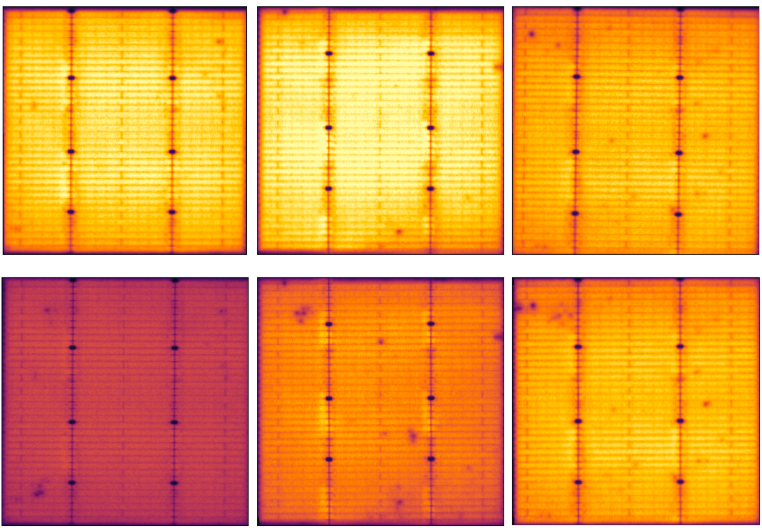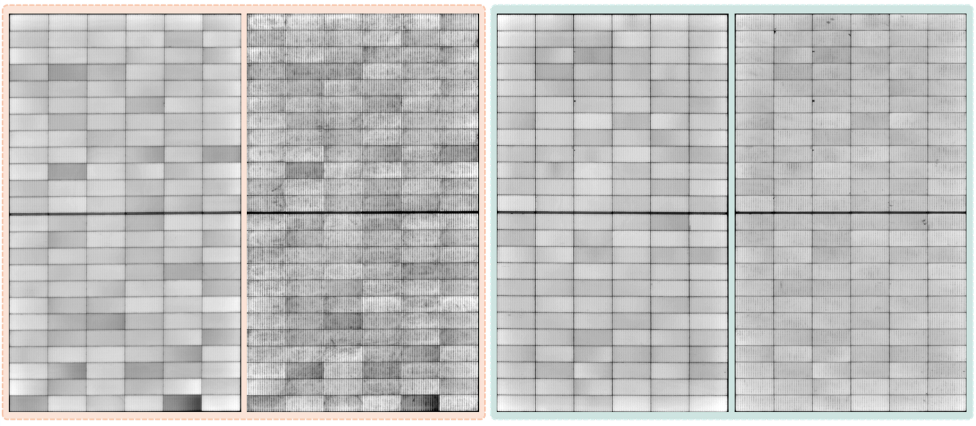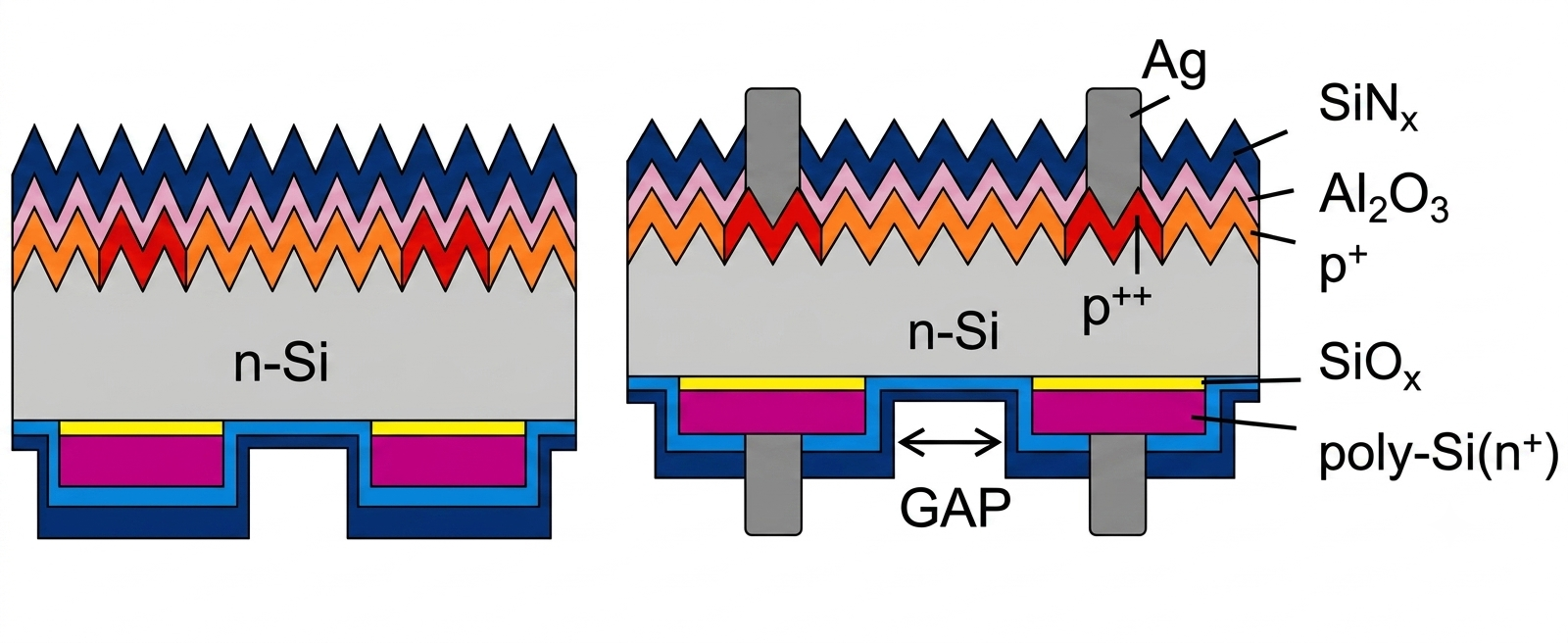
Researchers at ISC Konstanz found that ALD-based aluminum oxide (AlOx) passivation layers provide better UV stability for TOPCon solar cells than PECVD-deposited layers, with thicker AlOx films and a thermally grown SiOx interlayer further improving resistance to UV-induced degradation. Testing laboratory and commercial TOPCon cells showed 2–3% average efficiency losses after high UV exposure, while process variations and layer non-uniformities were identified as key factors influencing long-term UV susceptibility.
Researchers at German research institute ISC Konstanz have investigated the effects of dirrent techniques used for aluminum oxide (AlOx) layers deposition techniques the UV-induced degradation (UVID) susceptibility of TOPCon solar cells and have found that atomic layer deposition (ALD) approaches are preferable to plasma-enhanced chemical vapor deposition (PECVD) methods.
“Our work confirms previous findings that both the thickness of the AlOx passivation layer and the deposition technique, with PECVD being more susceptible to UVID than ALD, play an important role in the UV stability of the front-side passivation,” corresponding author David Bäurle told pv magazine.
“A key novel aspect of our study is the detailed comparison of different ALD approaches such as spatial, thermal, and plasma-enhanced ALD,” he went on to say. “We found that the widely used industrial spatial and thermal ALD processes, as well as a tube-based plasma-enhanced ALD approach, exhibit similar UV stability. Furthermore, to the best of our knowledge, this is the first study showing that a thermally grown interfacial SiOx layer formed prior to AlOx deposition can further improve the UV stability, even for cells featuring an ALD-based front-side passivation.”