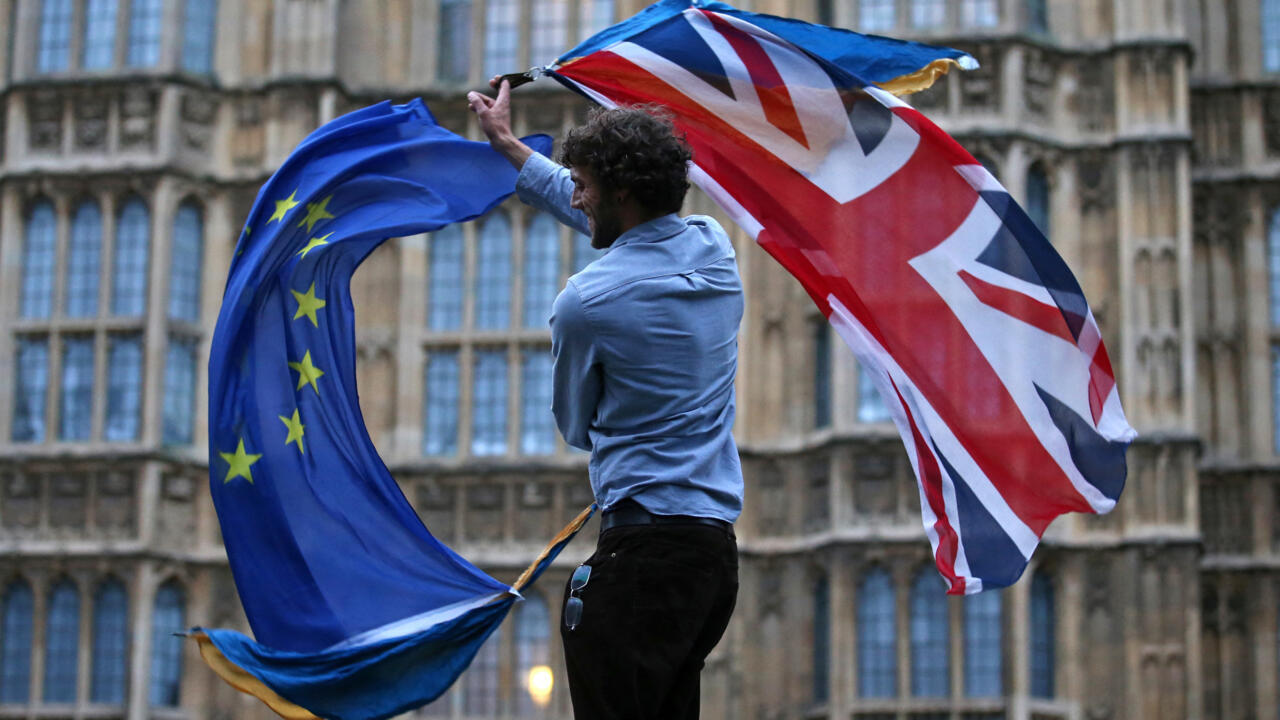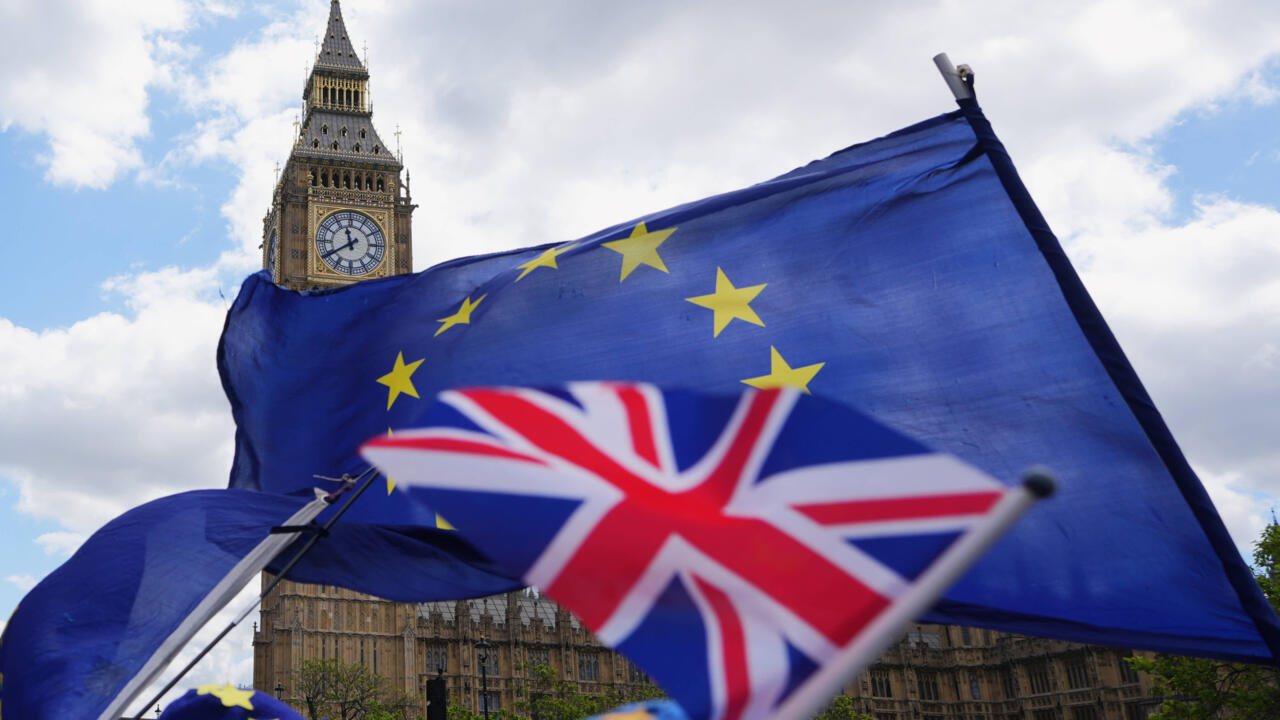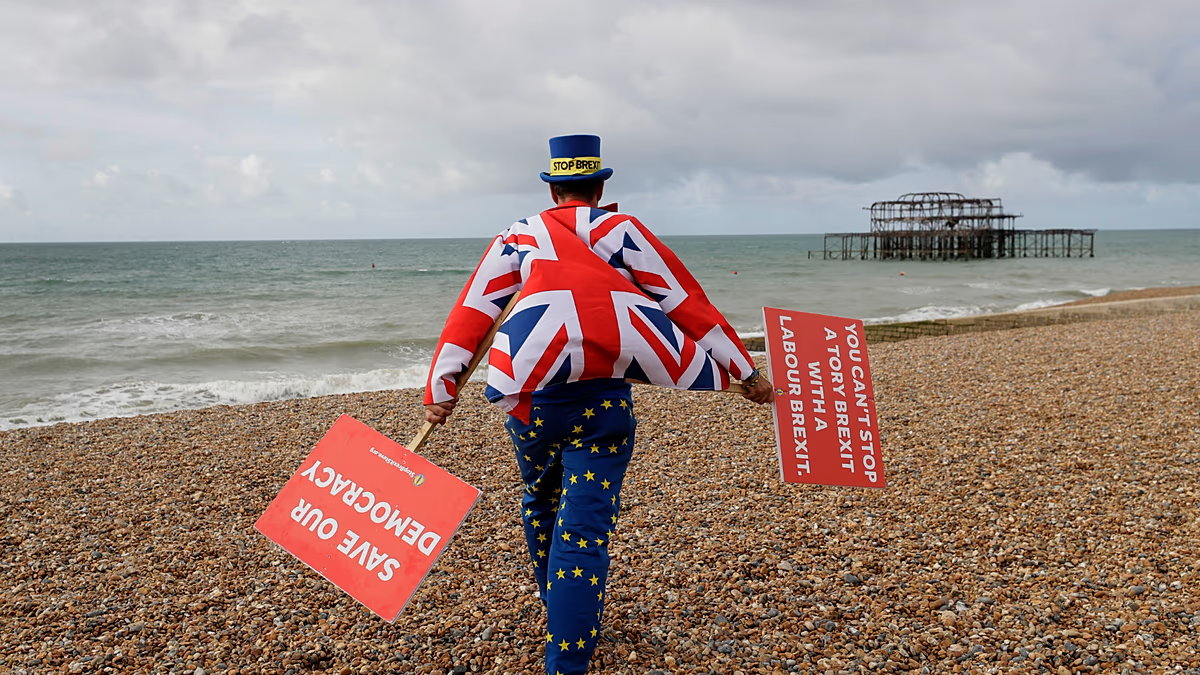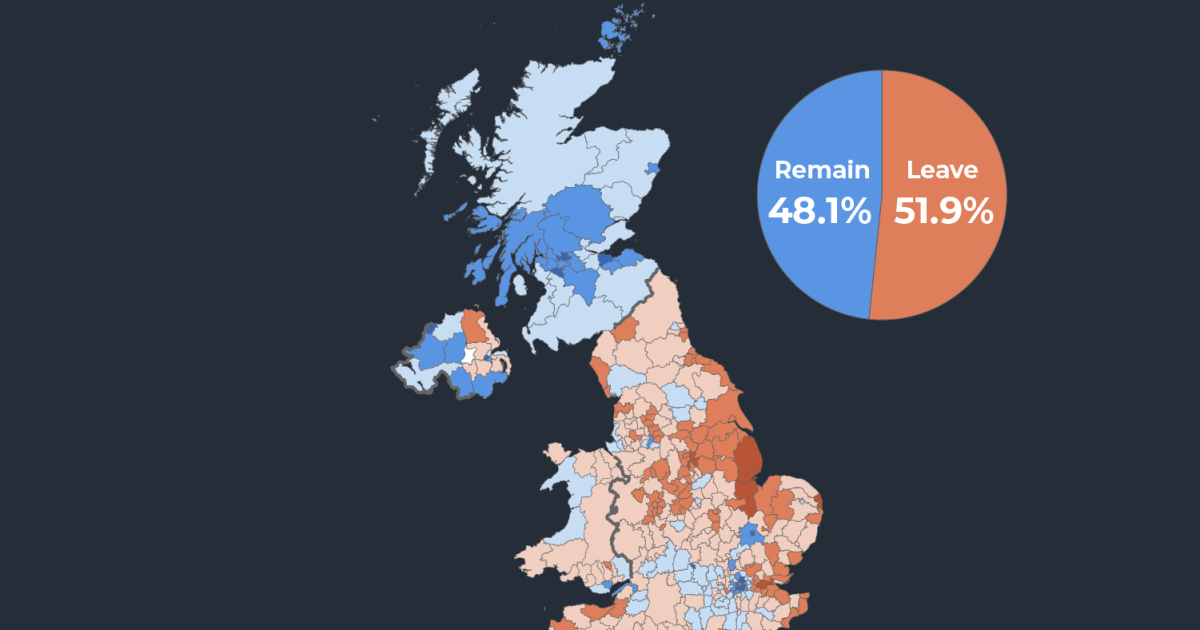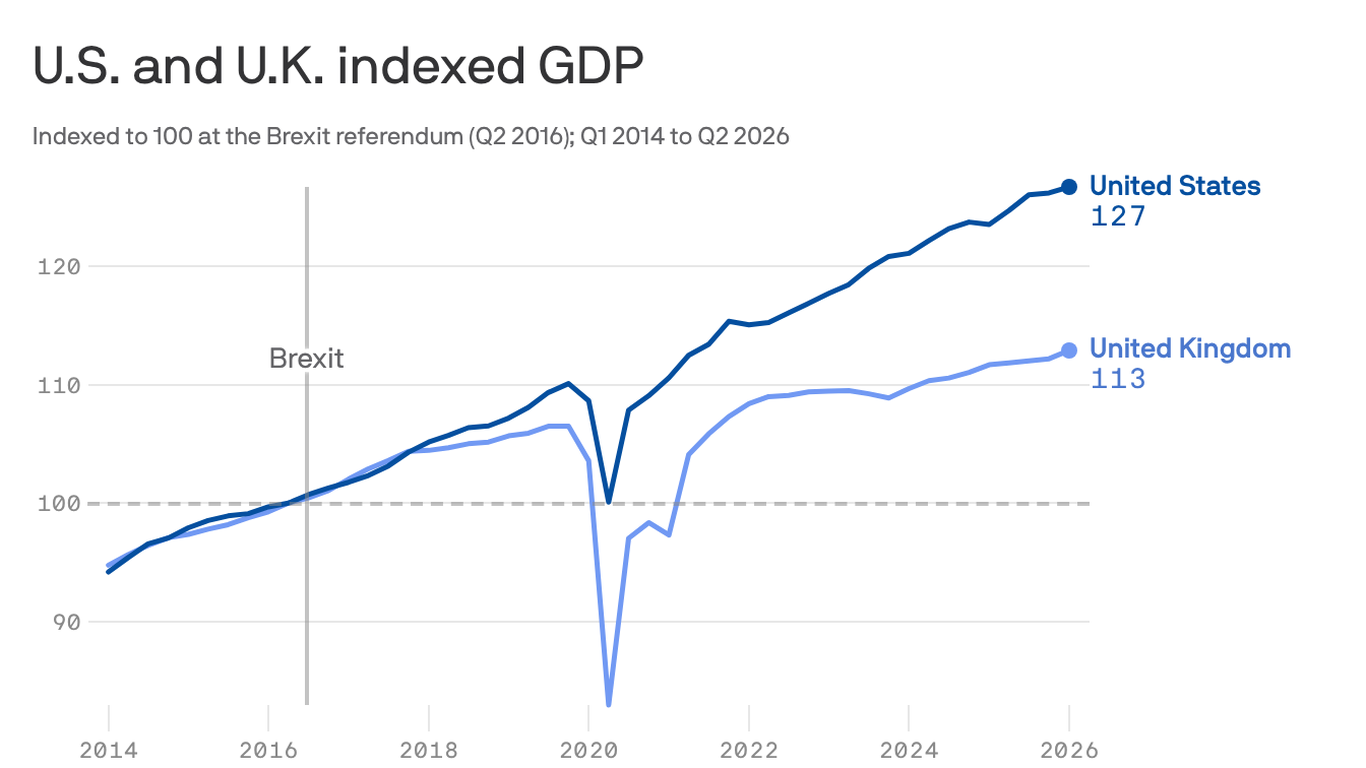
Ten years after Britons voted to leave the European Union, the United Kingdom is more divided, less economically dynamic and no more influential on the global stage than Brexit supporters once promised. But for the EU, the consequences of the its departure may not have been entirely negative, says Federico Fabbrini of dedicated research centre, the Brexit Institute.
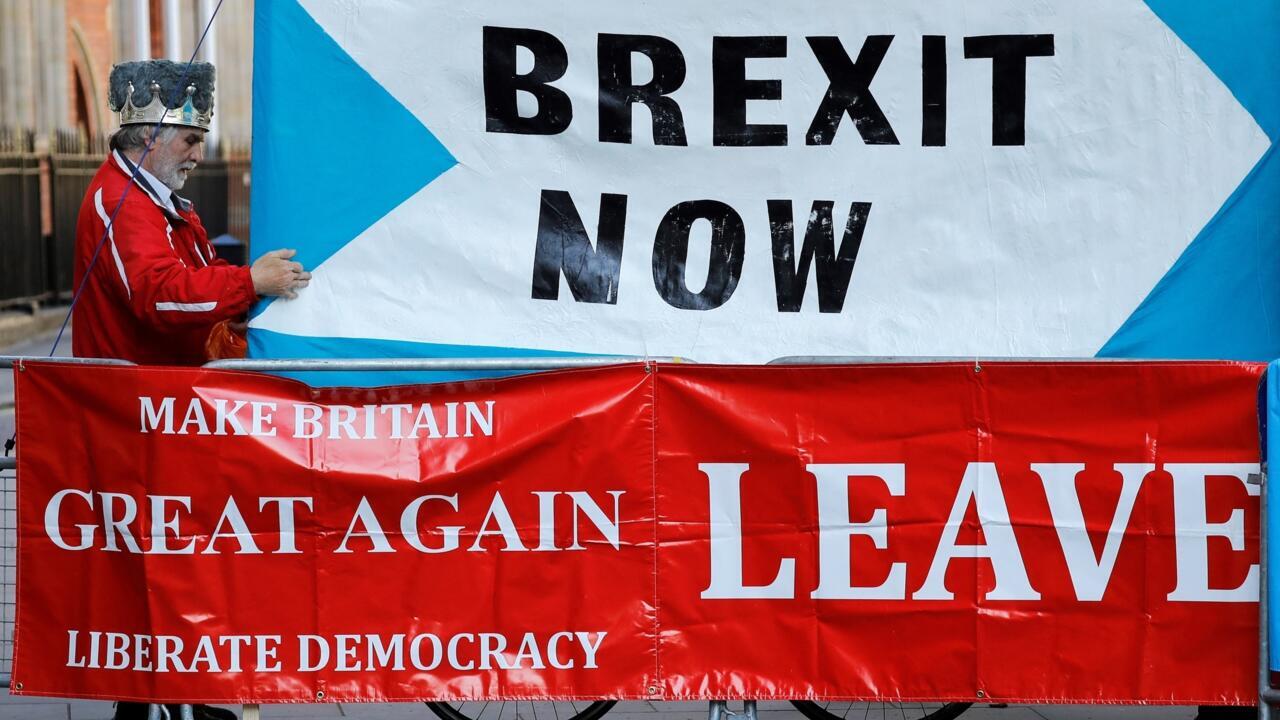
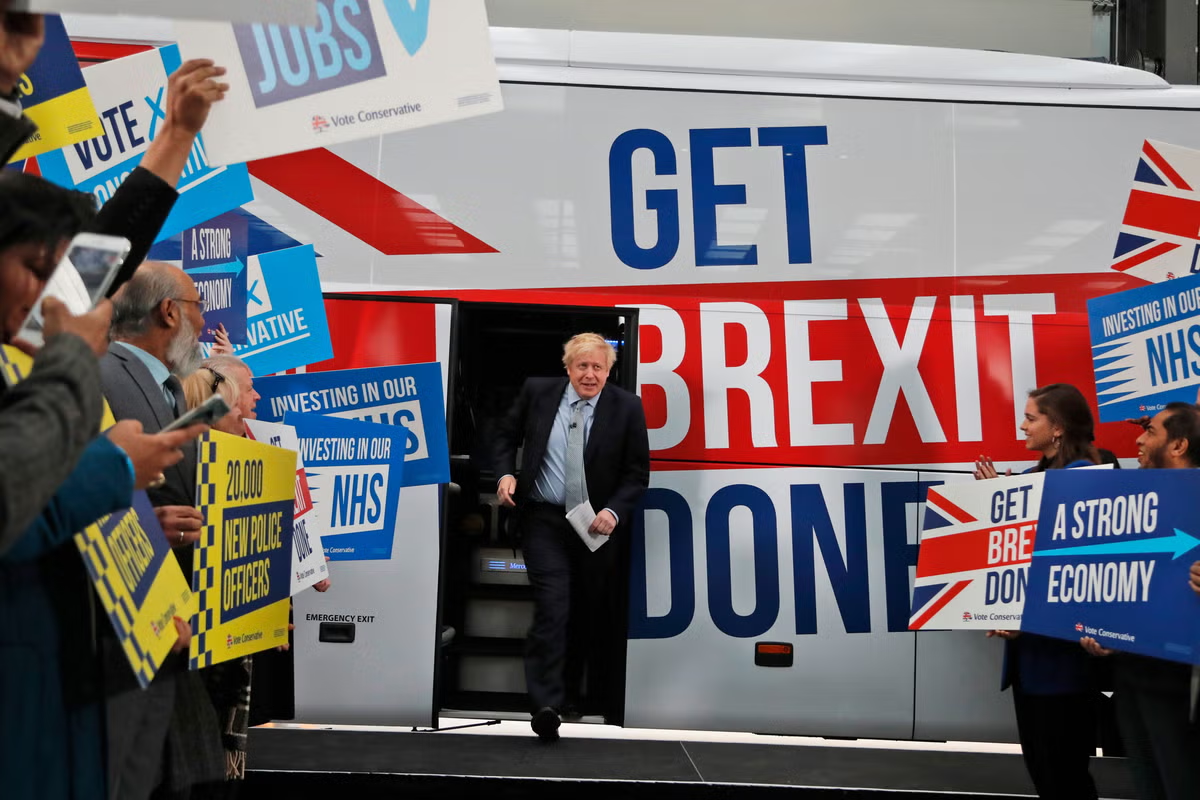
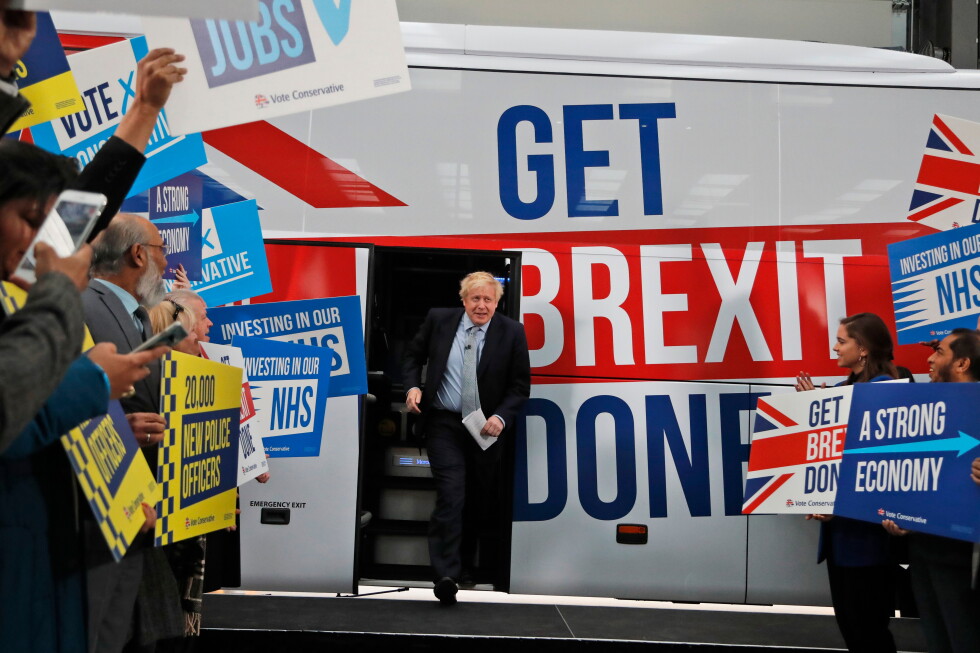
"The project empirically proved to be a failure. Economically, socially, politically, the UK is worse off," says Federico Fabbrini, founding director of the Brexit Institute and a professor of law at Dublin City University. The EU Referendum of 23 June, 2016 was sold by Leave activists as a break with Brussels and a chance to restore British sovereignty. But, according to research published by the Dublin-based Brexit Institute, it has left the UK dealing with slower growth, weaker trade, political frustration and an unresolved debate about its place in Europe. The EU, meanwhile, has emerged more united than before in some respects, Fabbrini argues, with unprecedented joint borrowing through the NextGenerationEU recovery fund, a coordinated sanctions policy and renewed momentum on defence cooperation and energy policy – areas where divisions had previously been more pronounced. “Without the United Kingdom at the table, the EU has moved forward and integrated more than what could have been expected,” Fabbrini says. Brexit at 10: 'Export trade has increased since exiting the EU, it's been a win' The UK's post-Brexit referendum prime ministers David Cameron 11 May, 2010 to 13 July, 2016: 2,255 days. Called and won approval for the 2016 EU referendum, but resigned after the vote to leave the EU. Theresa May 13 July, 2016 to 24 July, 2019: 1,106 days. Negotiated the Withdrawal Agreement but failed to secure parliamentary approval for her Brexit deal. Boris Johnson 24 July, 2019 to 6 September, 2022: 1,140 days. Revised May’s deal, secured its passage and formally took the UK out of the EU in January 2020. Liz Truss 6 September, 2022 to 25 October, 2022: 49 days. Brexit played little role during her brief premiership, which was dominated by economic turmoil. Rishi Sunak 25 October, 2022 to 5 July, 2024: 619 days. Pursued a more pragmatic post-Brexit relationship with the EU, notably through the Windsor Framework on Northern Ireland. Keir Starmer 5 July, 2024 to 22 June, 2026: 717 days. Sought closer cooperation with the EU while ruling out rejoining the Single Market or Customs Union. Resigned on 22 June, opening up a Labour Party leadership contest widely expected to be won by Andy Burnham, former mayor of Manchester. A changed world The Brexit vote reflected wider political currents that have since reshaped Western democracies. According to Fabbrini, the result “anticipated” the rise of populism seen elsewhere in the world, from the UK's urban-rural divide to the politics that would later carry Donald Trump back to the White House. But he told RFI that the deeper problem was strategic: Brexit was built on faith in globalisation and the idea that a mid-sized country could thrive alone. That world, he says, "no longer exists". "The global system has moved much more in the direction of a world governed by force rather than by rules and international institutions,” Fabbrini says. In that context, the promise of “Global Britain” – the post-Brexit foreign policy slogan for a more outward-looking, globally engaged UK, introduced by Theresa May in 2016 – rings increasingly hollow. “Global Britain evaporated like snow in the sun,” says Fabbrini, noting that the UK has not secured the kind of independent global role many Brexiteers imagined. Brexit at 10: 'The average British citizen has lost over £3,000 a year'