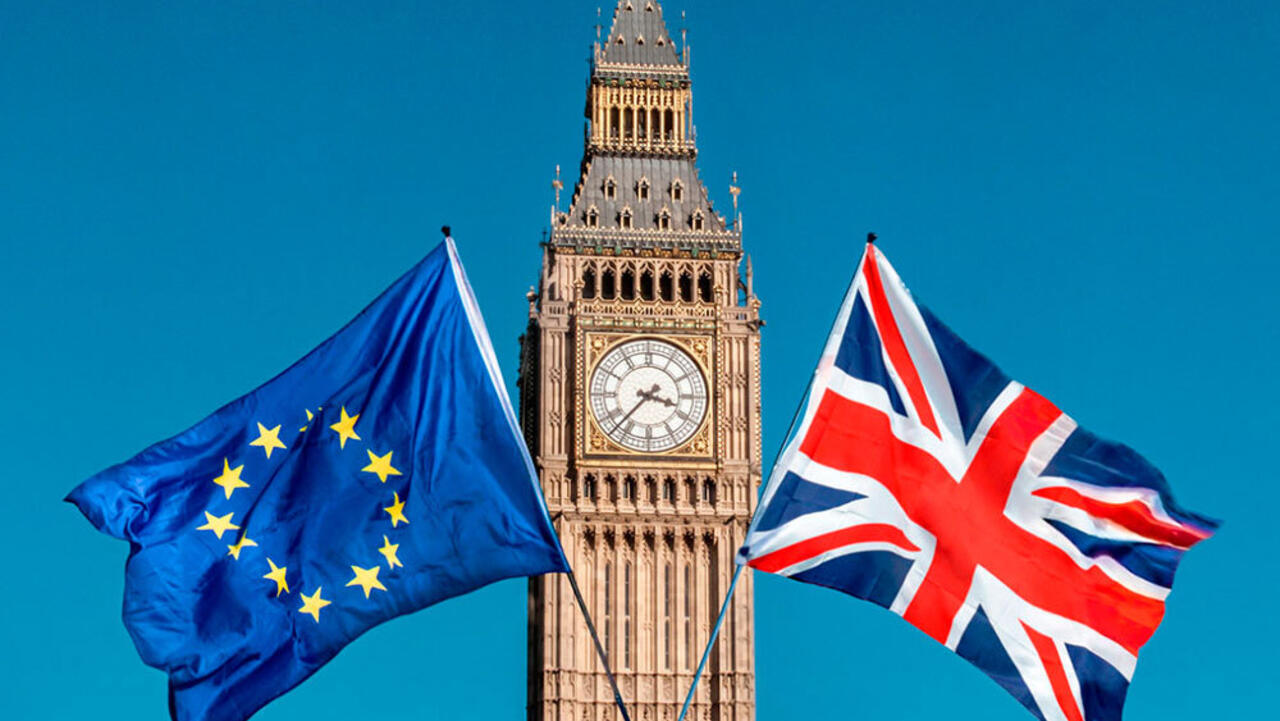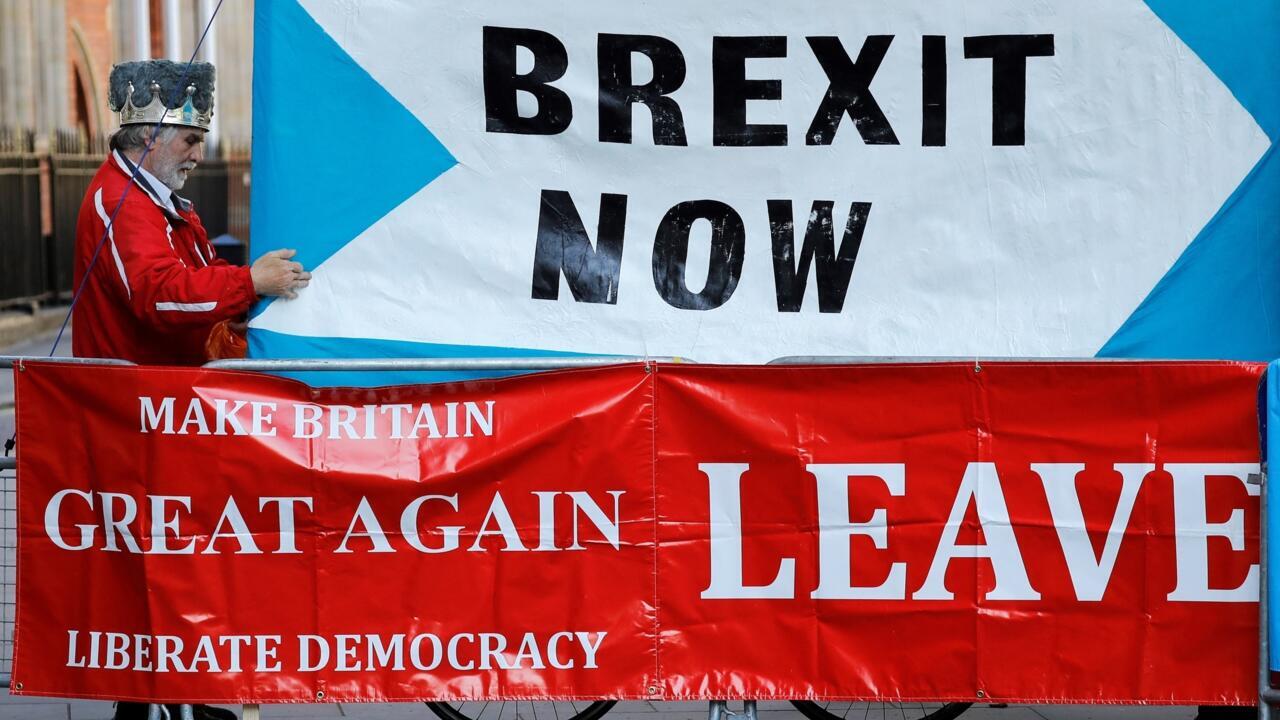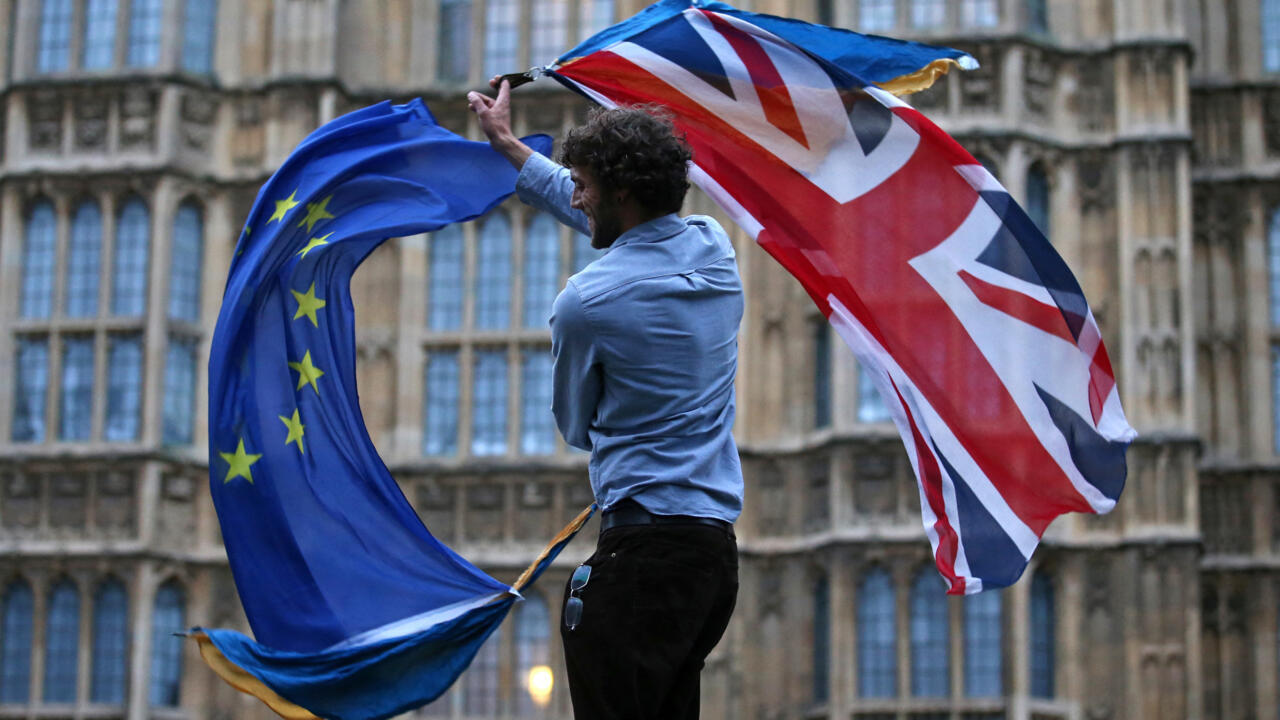
Ten years after the UK voted to leave the European Union, Brexit remains deeply divisive, with supporters and critics still at odds over its political and economic legacy. As part of RFI’s series marking the 10th anniversary of the referendum, we spoke to politics and international relations professor John Barry, one of its staunchest opponents.
Issued on: 24/06/2026 - 08:04
5 min Reading time
John Barry, professor of Green Political Economy at Queen’s University Belfast, argues that Brexit has damaged Britain economically while also reflecting a broader political turn towards populism and anti-immigration rhetoric. He assesses what he sees as the cost of leaving the EU, the promises made by Brexiteers and the long-term consequences for the UK’s place in the world. RFI: It's 10 years since the referendum of 2016. What do you think Brexit has done to the UK, politically, economically and socially? John Barry: It’s been a disaster. Just to take the economics, the Office of Budget Responsibility, not a politically affiliated agency, has calculated that the British economy has reduced by between 6 percent and 8 percent [from what] it would have been if Britain hadn't left the European Union. That works out that the average British citizen has lost over £3,000 a year as a result of leaving the European Union.