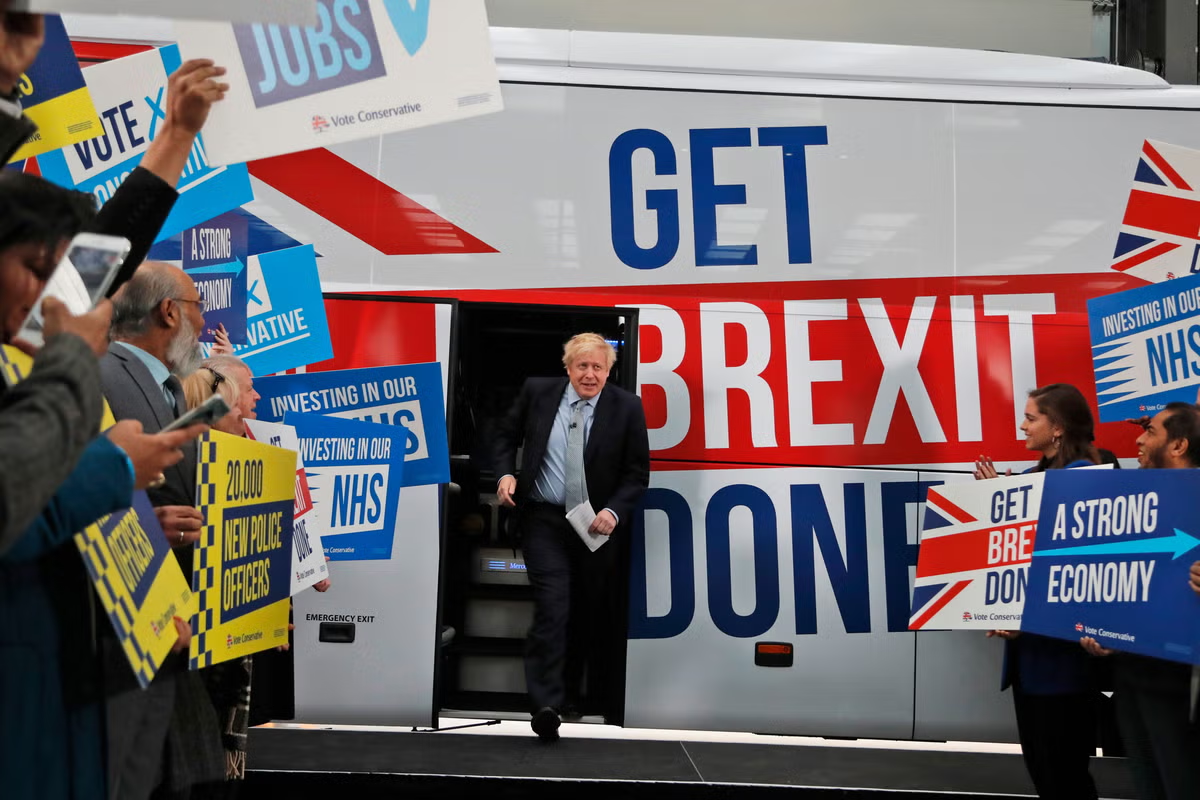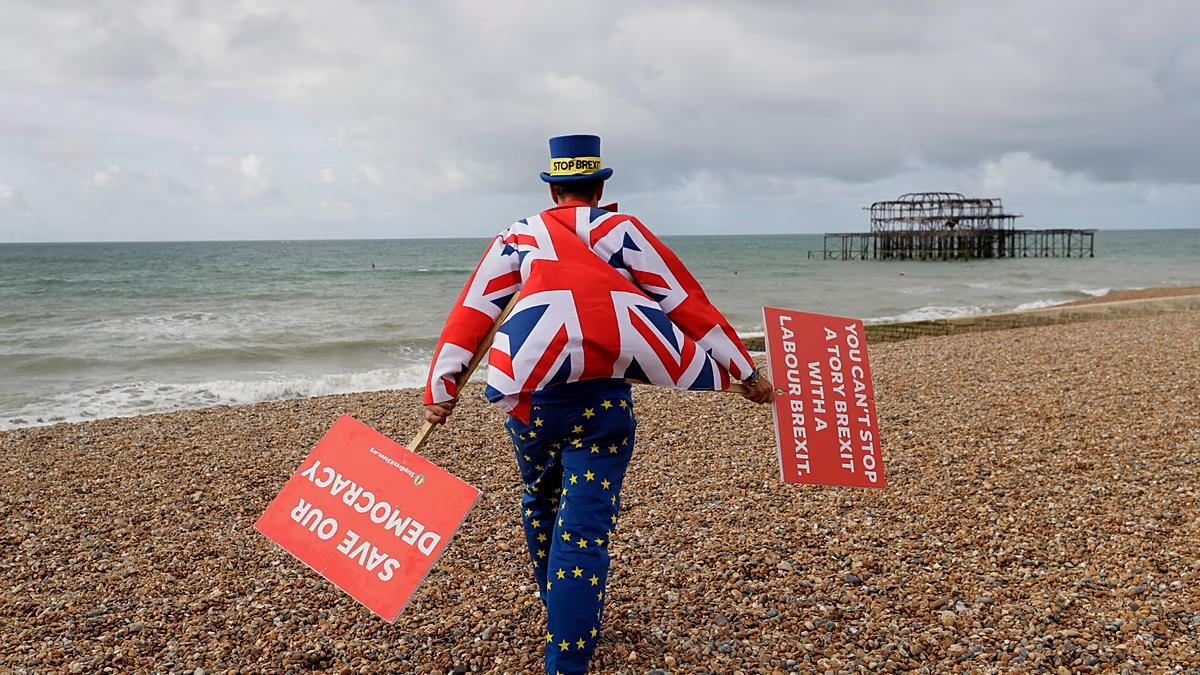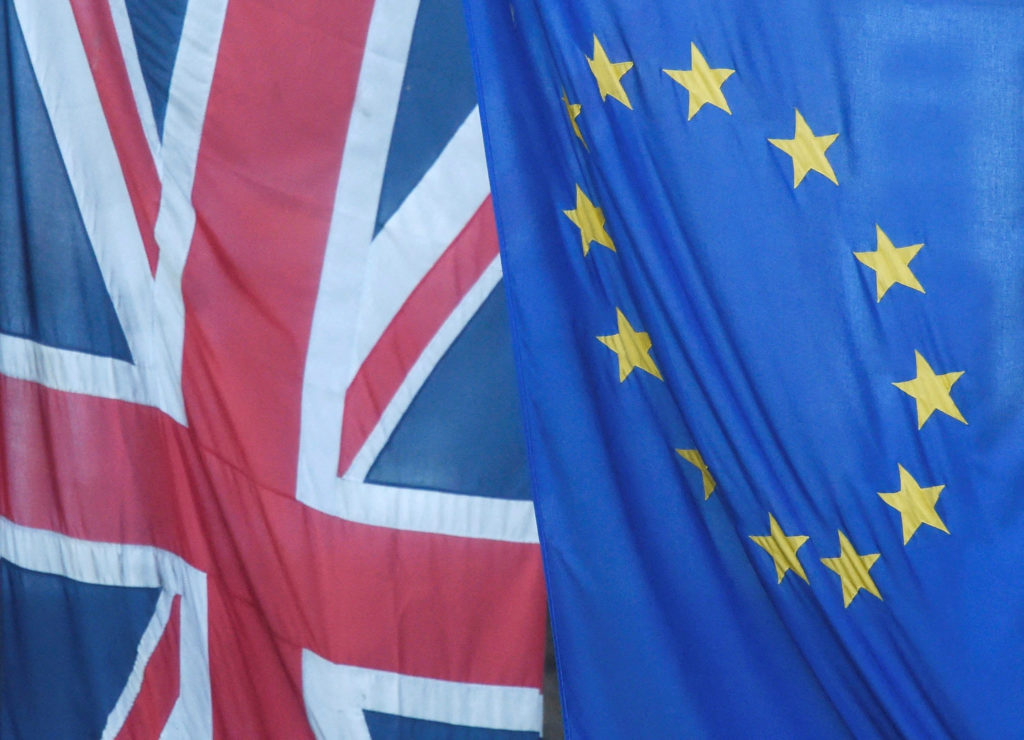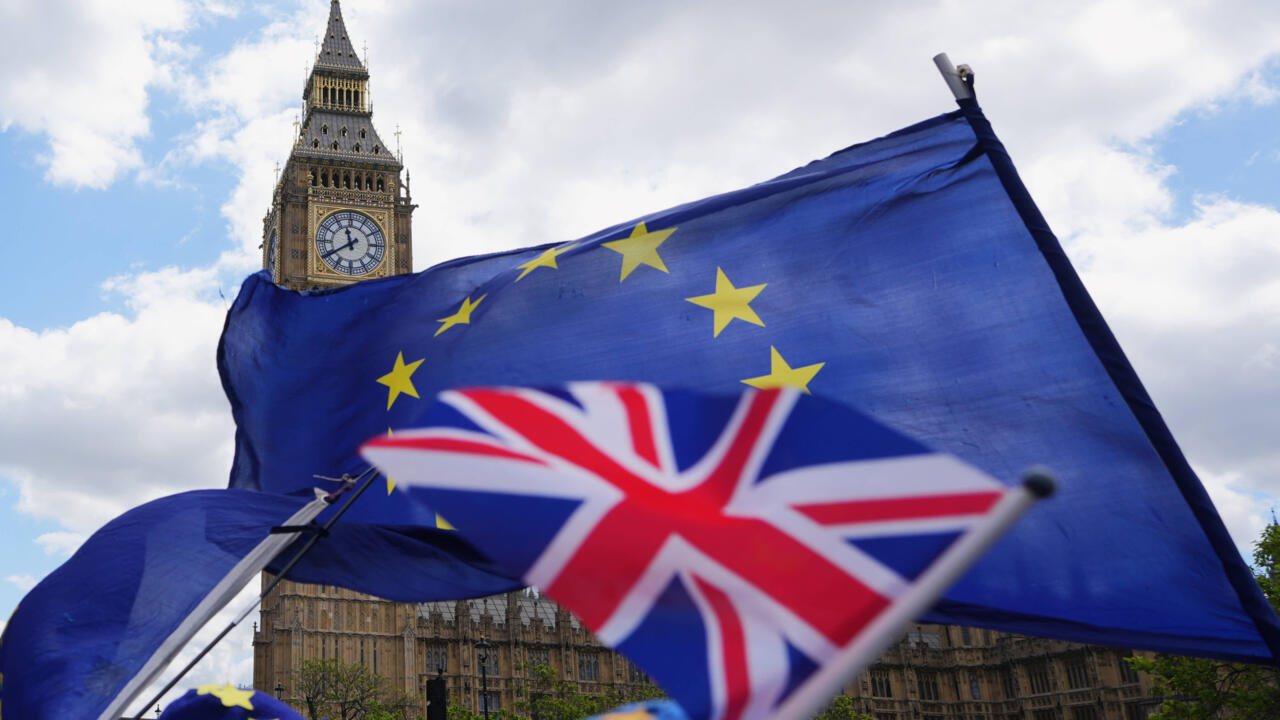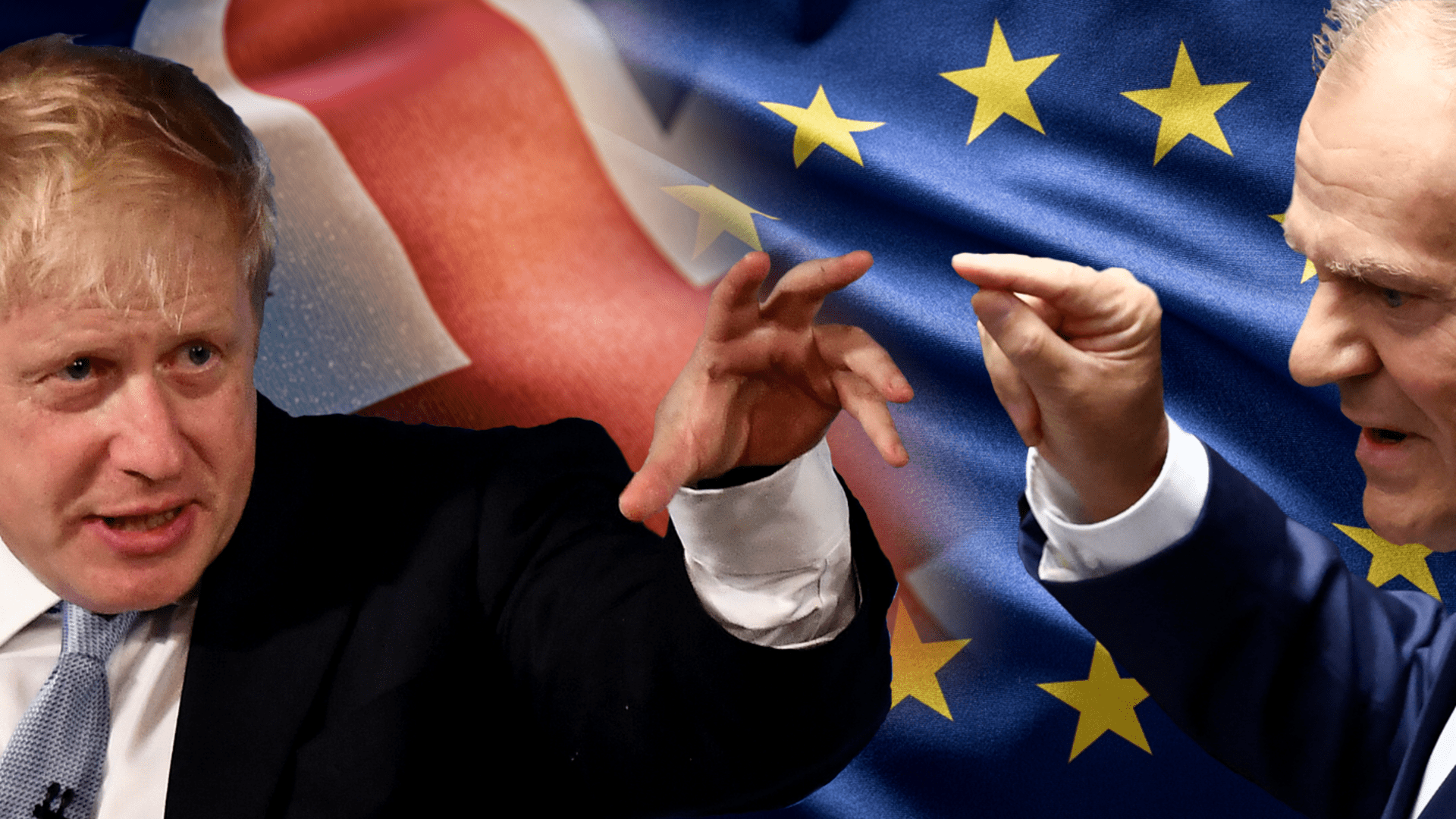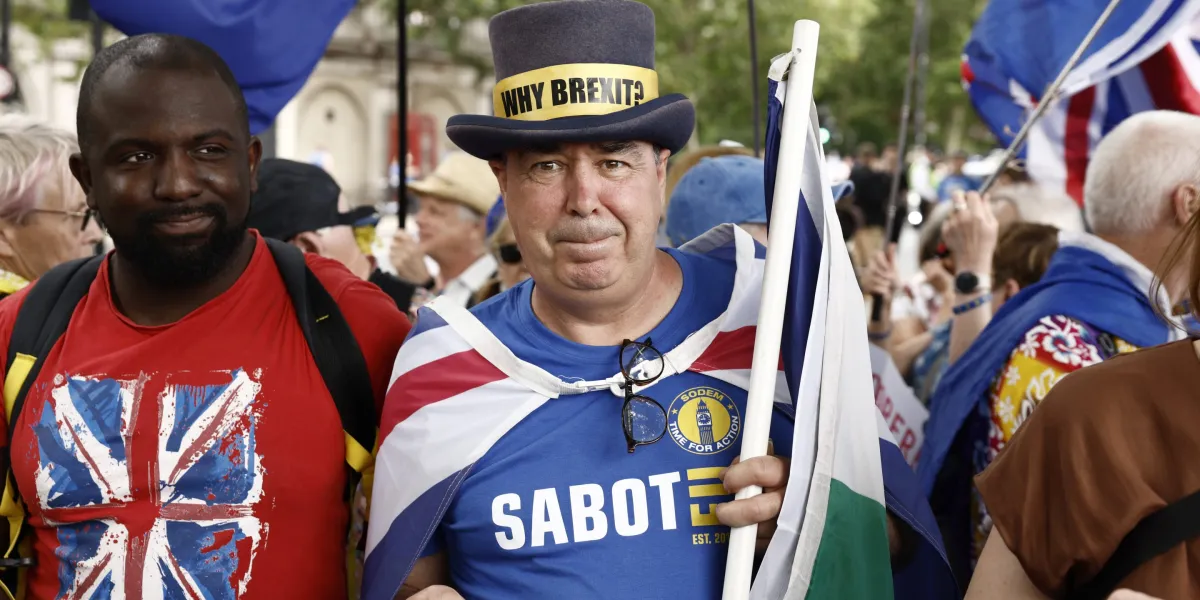
Ten years ago, the United Kingdom voted to leave the European Union in a referendum that forges political identities to this day and that shattered a half-century project to get closer to the continent.
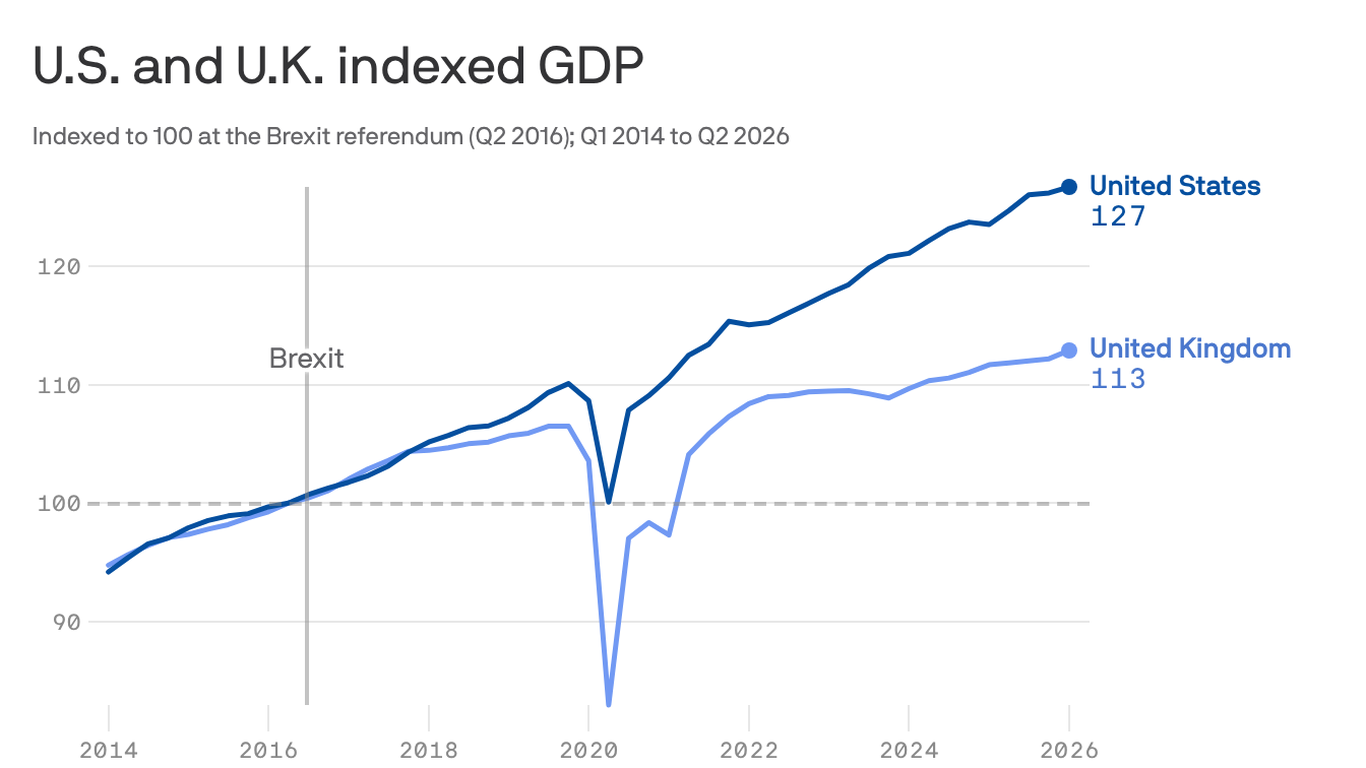
Brexit, short for British exit, became a reality on June 23, 2016, when 52% — or more than 17 million people — voted to leave the EU. Though the margin was narrow, the vote led to the most dramatic shake-up of the U.K. economy and society since World War II.
But like any divorce, the paperwork and process of completing the breakup was not swift: It took nearly five years.
Brexit was born out of a growing sense of frustration not only with the EU but over the global financial crisis of 2008. Supporters were able to tap into that frustration, and argued that the U.K. on its own, would be revitalized and able to focus just on domestic priorities.
Opponents warned that Brexit would lead to an economic disruption and that it risked the country’s standing in the world.