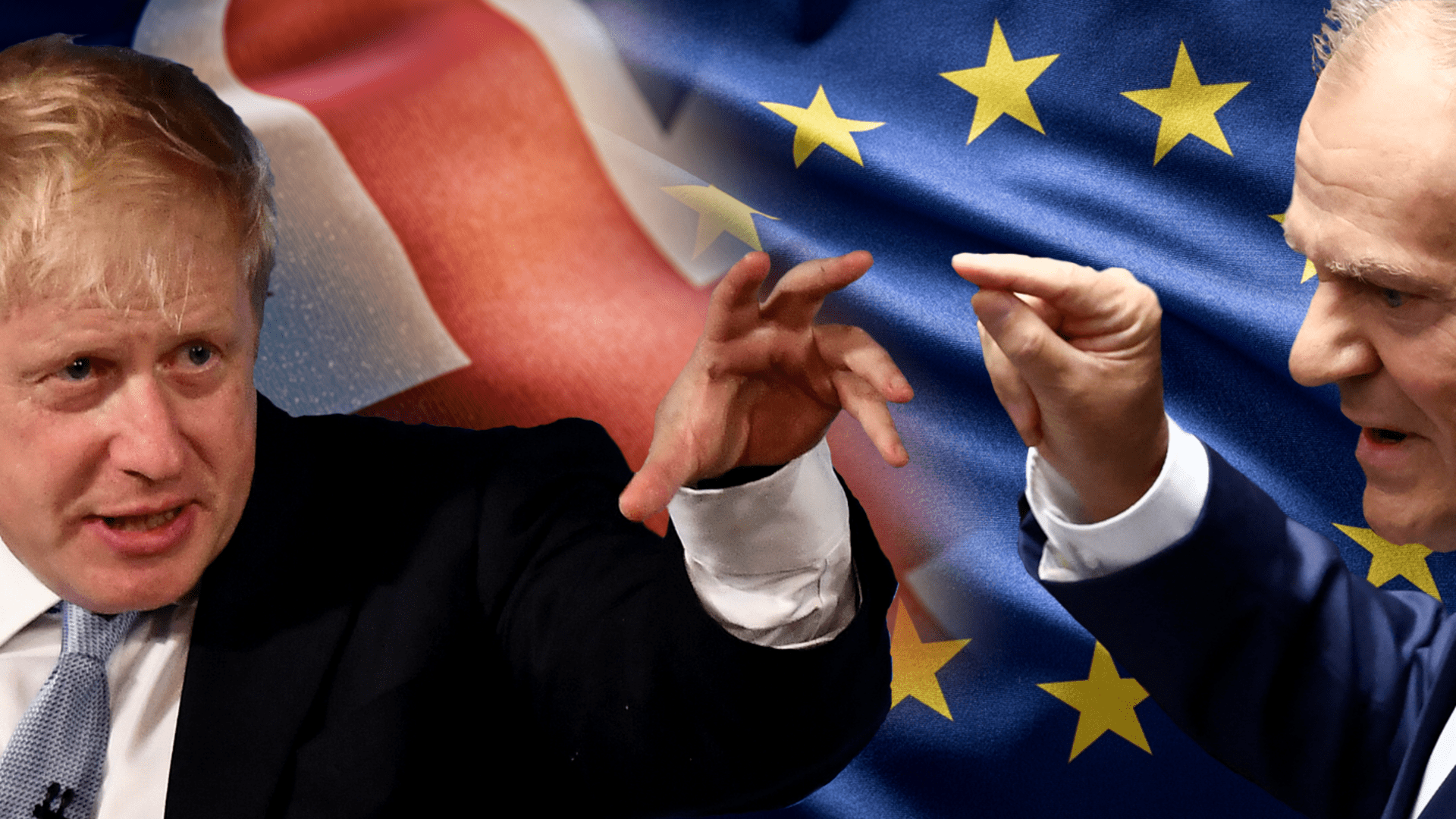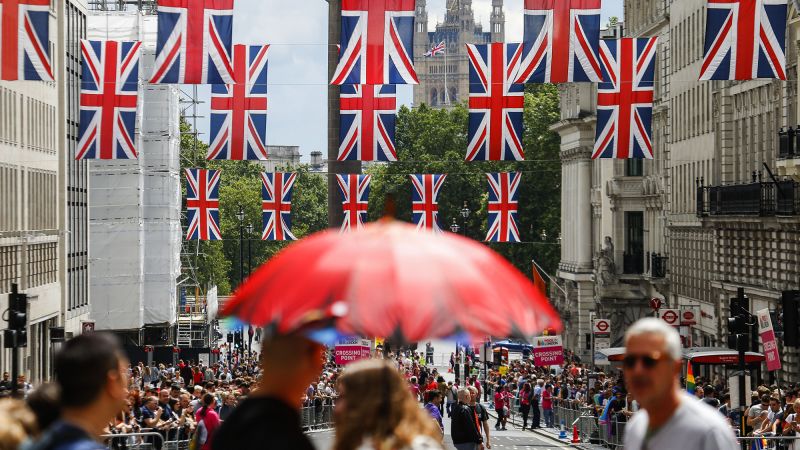
Ten years ago, Britain chose to abandon its lucrative membership of the world’s largest single market. It has been paying a price ever since.
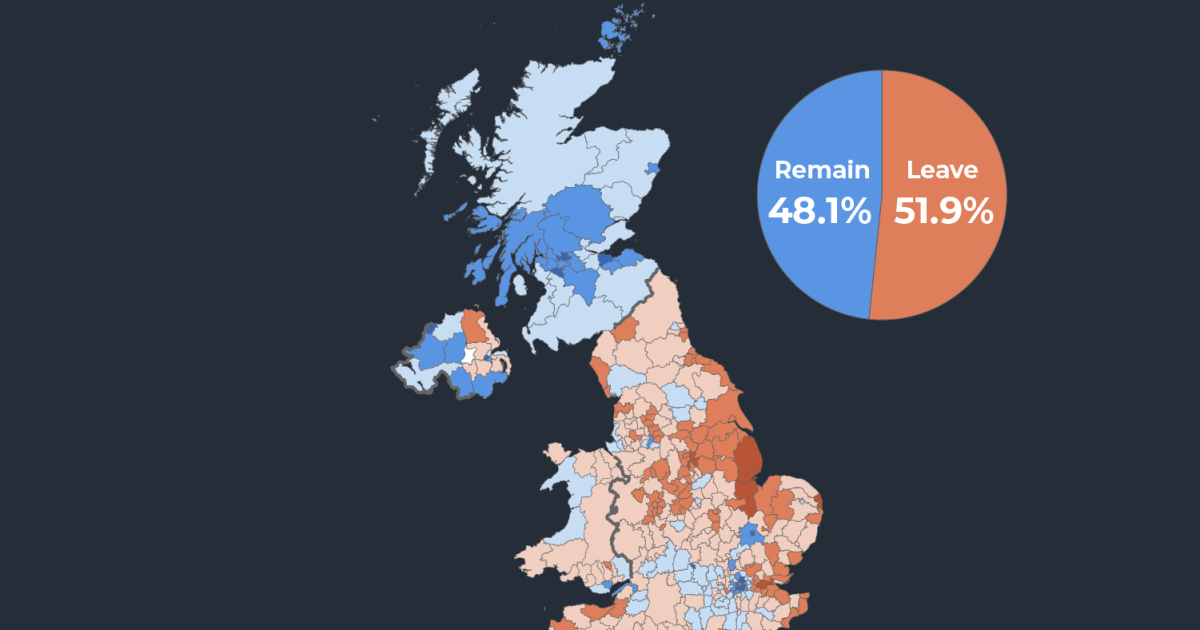
On June 23, 2016, the Brexit referendum marked the start of the United Kingdom’s drawn-out divorce from the European Union. In a knife-edge vote, 51.9% of Britons opted to leave the EU and 48.1% to remain. The watershed decision triggered a period of political instability and economic upheaval that is still being felt a decade later.
The current leadership uncertainty gripping the ruling Labour Party is arguably just the latest iteration of the turmoil that Brexit inserted into the heart of British politics. It has been no good for the economy, either.
To be sure, some of the worst-case predictions did not materialize, such as an immediate recession or a housing market crash. Yet economists broadly agree that leaving the EU has weighed on the UK’s economic growth potential – with estimates ranging from 2% to as much as 8% of foregone output. The broad range highlights how difficult it is to isolate Brexit’s impact on the economy given the shocks that followed, including the pandemic and Ukraine war-related energy crisis.
But it is difficult to argue that it has been anything other than damaging, hurting business investment, lowering productivity and dragging down living standards.