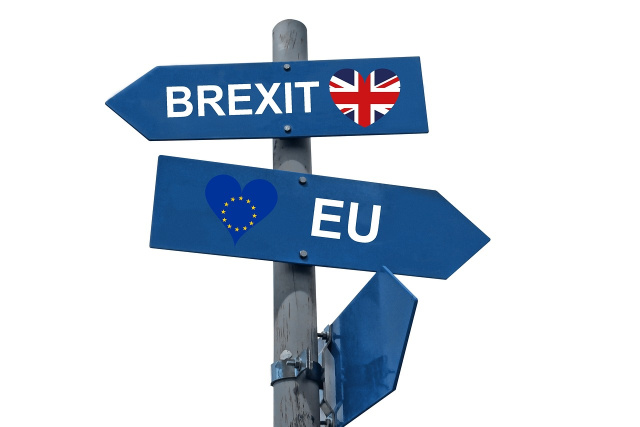
Ten years after the 2016 referendum, the consequences of the United Kingdom’s decision to leave the European Union continue to shape its political and economic landscape, with analysts still debating the scale of the long-term impact.
The vote on June 23, 2016 delivered a narrow outcome, with 51.9% choosing to leave and 48.1% opting to remain. What followed was a prolonged period of institutional uncertainty, political turnover, and economic adjustment that has yet to fully settle. The current instability within the governing Labour Party is seen by some economists as part of the broader ripple effects that Brexit introduced into British politics.
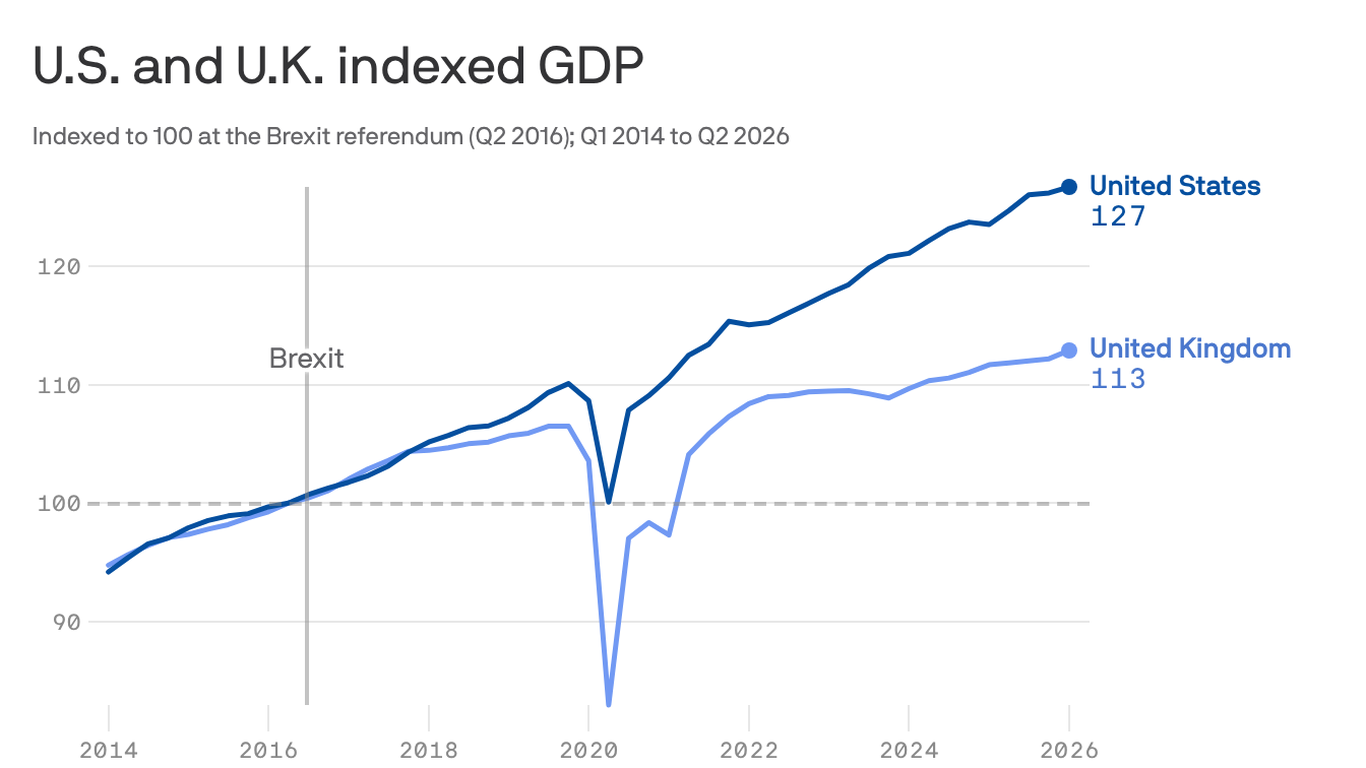
Economically, estimates suggest the UK’s output has been reduced compared to a scenario in which it remained in the EU, though projections vary widely due to overlapping shocks such as the COVID-19 pandemic and the energy crisis linked to the war in Ukraine. Despite avoiding immediate collapse scenarios predicted by some economists at the time, growth has remained weaker than expected.
Michael Saunders, senior adviser at Oxford Economics and former Bank of England official, said: “Brexit is a constant drag on the economy.” He added that it continues to reduce GDP relative to its potential, limiting public revenue and contributing to fiscal pressures.