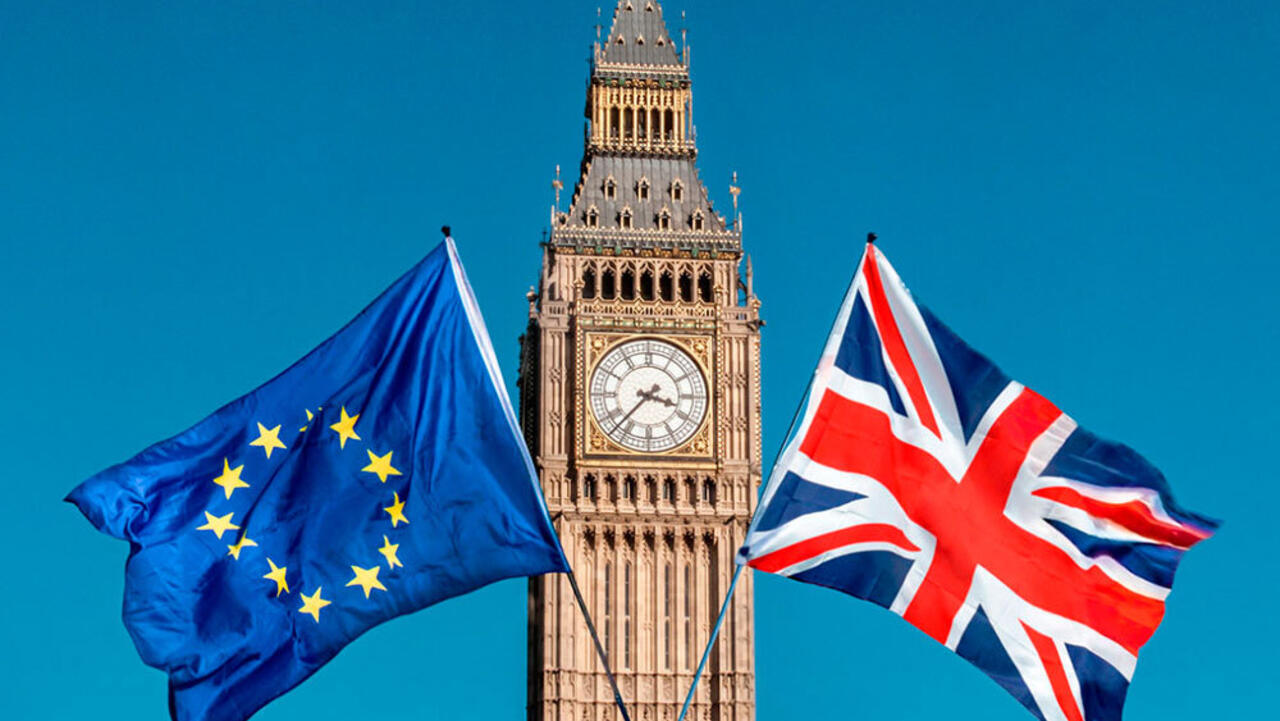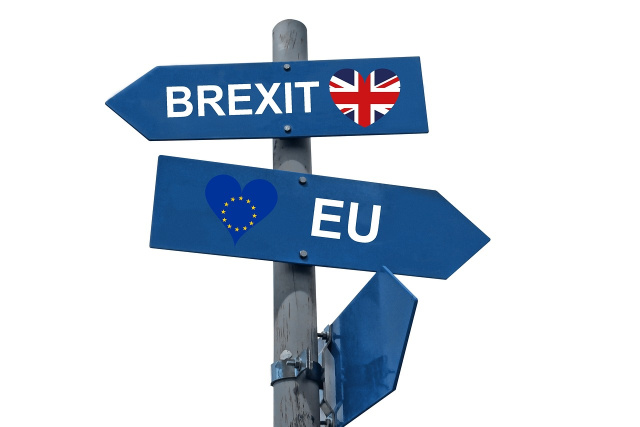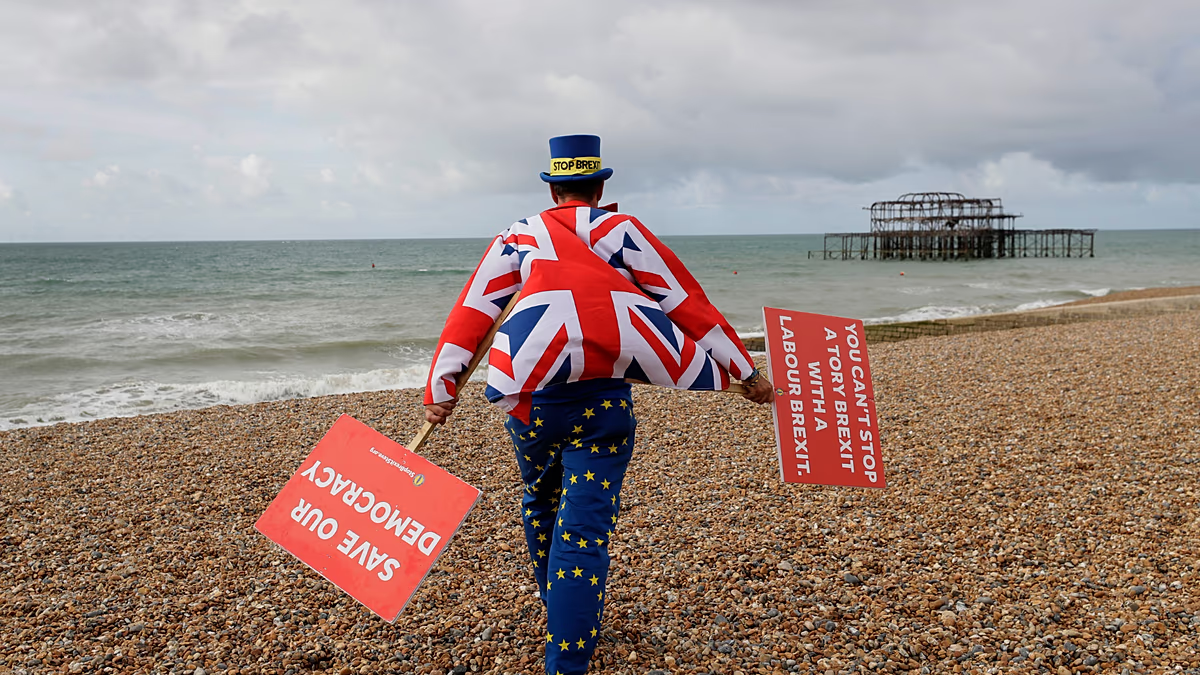
Ten years on, the UK's decision to leave the European Union is increasingly seen as more than a single referendum result. Critics argue it reflected a wider crisis of political imagination, with Brexit supporters misreading both Britain and the world, while the promised future never arrived.
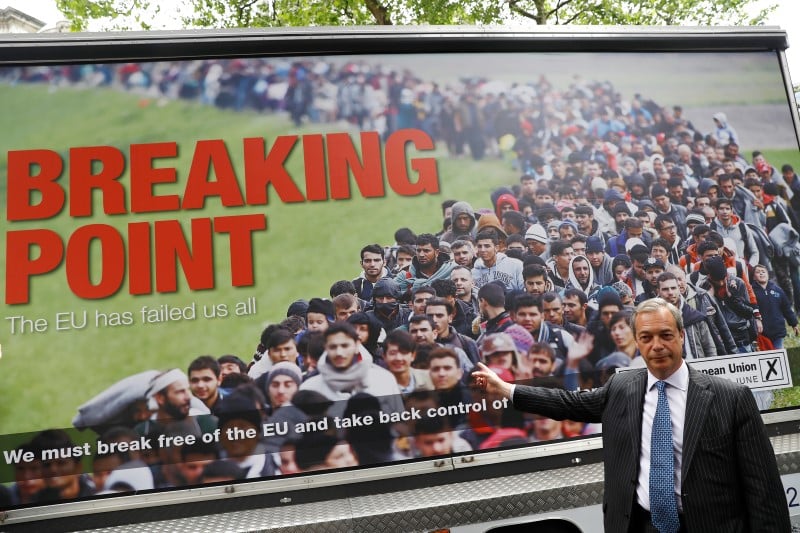
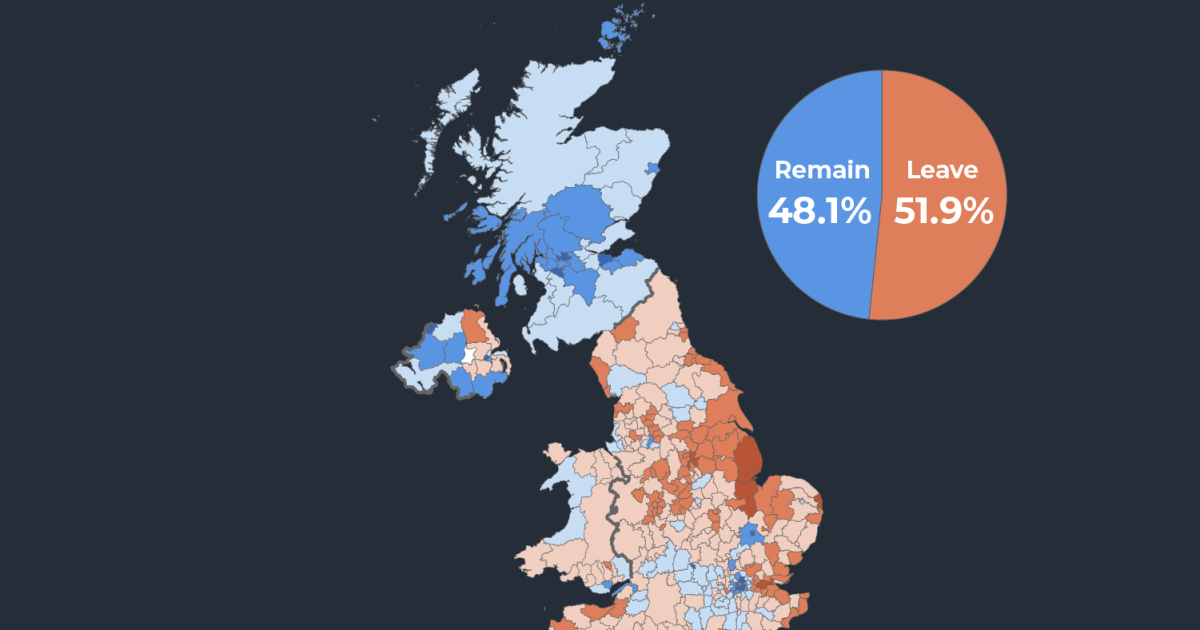
The referendum held on 23 June 2016 remains one of the defining decisions in modern British history. Supporters promised sovereignty, control, lower red tape, new trade deals and a more dynamic “Global Britain”. Critics are unequivocal that Brexit has left Britain poorer, weaker and less able to deal with global shocks 10 years after voters chose to leave the European Union. Opponents argue that many of those promises have not been met. Britain is more constrained, less attractive to investors and still divided over what Brexit was supposed to mean. Nevertheless, the vote marked the moment Britain “changed track”, Colin Hay, professor of political science at Sciences Po in Paris, tells RFI. “Its relationship with the European Union and its relationship with the rest of the world has changed fundamentally from this moment onwards,” Hay said. “And 10 years on, we can see that very clearly now.”
Protesters hold anti-Brexit placards featuring (L-R) David Cameron, Michael Gove, Theresa May, Boris Johnson and Nigel Farage during a march calling for the UK to rejoin the EU from Hyde Park to Palace of Westminster in central London on 23 September 2023. AFP - JUSTIN TALLIS